

Motmot

ヒバリ 対 マキバタヒバリ

Alauda arvensis 対 Anthus pratensis

ヒバリとマキバタヒバリのクイズ
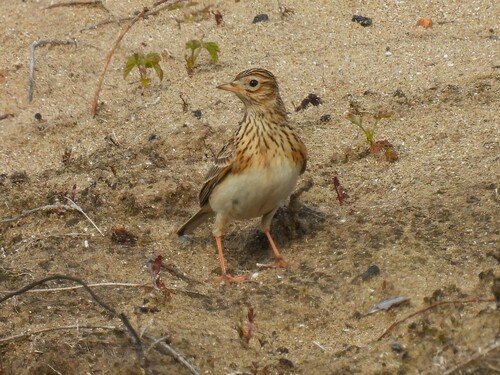
ヒバリ (Alauda arvensis) ヒバリ
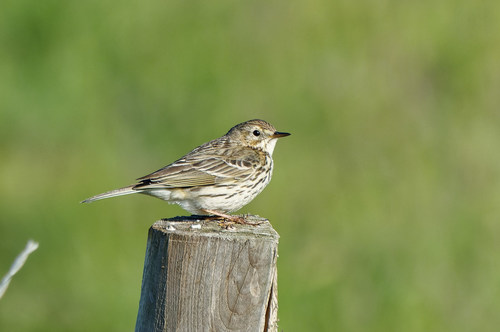
マキバタヒバリ (Anthus pratensis) マキバタヒバリ

メディア

読み込み中…

要点

ユーラシアヒバリとマキバタヒバリを区別する最も信頼できるフィールドマークは、飛行中のヒバリの尾と後ろの翼にある太い白い縁の存在です。これは、鳥があなたから離れて飛んでいるときには見えますが、向かっているときには見えません。ヒバリは明らかに大きくてずんぐりしており、短くて幅広い翼と短い尾を持っていますが、マキバタヒバリはより細身で、細いくちばしと長くて尖った尾を持ち、白い縁が狭くなっています。ヒバリはしばしば頭に小さく鈍い冠を見せ、高くホバリングしながら歌いますが、マキバタヒバリには冠がなく、短いフラッターする歌の飛行を行います。両者は茶色で縞模様がありますが、ヒバリは下側がより淡い色をしており、マキバタヒバリはよりバフ色で、より重い縞模様があります。フィールドでの声と行動も役立ちますが、まずは構造と飛行パターンに焦点を当ててください。

識別のコツ

  1. 飛行中の白い尾と翼の縁(ヒバリ): 鳥が離れて飛ぶとき、尾と後ろの翼に太い白い縁を探してください—これはすべての年齢のヒバリに特有です。マキバタヒバリには狭い白い尾の縁しかなく、遠くからは見えません。
  2. サイズと体型: ヒバリは大きくてずんぐりしており、丸い体と幅広い翼を持っていますが、マキバタヒバリは小さく、細身で、より繊細です。
  3. 頭の形と冠: ヒバリはしばしば小さく鈍い冠を見せ、上げたり平らにしたりできます—この二種の中でユニークです。マキバタヒバリの頭は滑らかで、冠はありません。
  4. くちばしの形: ヒバリはより太く、円錐形のくちばしを持っています。マキバタヒバリのくちばしは細くて繊細で、昆虫食に適しています。
  5. 脚と後ろの爪: マキバタヒバリは目立つ長い後ろの爪を持ち、後ろの足の指よりも長く、近距離または写真で見えます。ヒバリの後ろの爪は特に長くはありません。
  6. 下側の縞模様: マキバタヒバリは下側、特に胸部と側面により重い縞模様がありますが、ヒバリは下側がより淡く、より平坦で、縞模様はあまり目立ちません。
  7. 上側の色: 両者は上側が茶色ですが、マキバタヒバリはしばしばわずかに暗く、特に西部の個体群ではより重い縞模様があります。
  8. 尾の形: ヒバリの尾は短くてわずかに四角いですが、マキバタヒバリの尾は長くて尖っており、狭い白い縁があります。
  9. 歌の飛行: ヒバリは長く、高くホバリングしながら歌い、しばしば視界から外れます。マキバタヒバリの歌の飛行は短く、フラッターし、パラシュートのように降下し、通常は視界に入ります。
  10. 止まり方の行動: マキバタヒバリはしばしばワイヤー、ポスト、または露出した茎に止まりますが、ヒバリは地面や低い植生にいることが多いです。
  11. 生息地の好み: ヒバリは開けた乾燥した農地やヒースを好みますが、マキバタヒバリは湿った草地、湿原、特に冬に荒れた牧草地により一般的です。
  12. 声: ヒバリの歌は長く、連続した複雑なさえずりです。マキバタヒバリの歌は短く、繰り返しのバーストです。マキバタヒバリの鳴き声は微かな「tsi-tsi」で、ヒバリの鳴き声はフィールドではあまり特徴的ではありません。
  13. 性差: オスのヒバリはメスよりも翼が広いですが、これは微妙で、直接比較しないとわかりません。
  14. 幼鳥の混乱: 両種の若い鳥は色が似ていますが、ヒバリの白い尾と翼の縁は飛行中の信頼できる区別要素です。
  15. 落とし穴: 遠くに止まっている鳥は色や縞模様が似て見えることがあります。羽毛だけでなく、構造、冠、飛行マークに頼ってください。

大きさ

ユーラシアヒバリは明らかに大きく(18–19 cm)、マキバタヒバリ(14.5–15 cm)よりもずんぐりしています。ヒバリはより頑丈な体と幅広い翼を持ち、特にオスではそうです。一方、マキバタヒバリは全体的に軽く、より繊細です。マキバタヒバリのくちばしは細くて繊細で、脚もより細身で、特に長い後ろの爪(後ろの足の指よりも長い)があり、これはヒバリにはありません。体重もヒバリの方が高いですが、これはフィールドでは見えません。

羽色

飛行中、成鳥と未成熟のユーラシアヒバリは、尾と翼の後ろの縁に太い白い縁を示し、これは鳥が離れて飛んでいるときに最も目立ちます。これらの白い縁はマキバタヒバリにはなく、代わりに狭い白い側面の縁を持つ茶色の尾があります。両種は上側が茶色で下側が淡いですが、ヒバリはより平坦で淡い色をしており、下側の縞模様はあまり目立ちませんが、マキバタヒバリはよりバフ色で、下側により重い縞模様があります。ヒバリはしばしば頭に短く鈍い冠を見せ、上げたり平らにしたりできますが、マキバタヒバリの頭は滑らかで冠はありません。両種は茶色の上側を持っていますが、マキバタヒバリの縞模様はほとんどの羽毛でより目立ちます。両種の幼鳥と初冬の鳥は全体的に色が似ていますが、ヒバリの白い尾と翼の縁はすべての年齢で飛行中の重要な区別要素です。

行動

ユーラシアヒバリは長いホバリング歌の飛行で有名で、しばしば開けた地面の高いところで行われ、時には数分間空の遠くの点のように見えます。長時間、円を描いたりその場でホバリングしたりすることがあります。マキバタヒバリも飛行中に歌いますが、その歌の飛行ははるかに短く、低く、よりフラッターし、通常は短い距離を上昇した後にパラシュートのように降下します。地面では、ヒバリはより直立した頑丈な姿勢で歩き、冠を上げることがありますが、マキバタヒバリはより繊細で這うような歩き方をし、冠を見せることはありません。ヒバリはマキバタヒバリよりもワイヤーや露出した止まり木に止まることは少ないです。

生息環境

両種は開けた国に生息していますが、ヒバリは開けた農地やヒースを好み、しばしばより大きく、より連続した広がりの中にいます。一方、マキバタヒバリはより柔軟で、草地、湿原、時には荒れた牧草地で繁殖します。冬には、マキバタヒバリは沿岸地域や低地を含むより広範囲の開けた生息地で見られることがあり、ヒバリよりも小さく、湿った、または荒れた場所で見られる可能性が高いです。ヒバリは非常に湿ったまたは泥沼の地面ではあまり一般的ではなく、マキバタヒバリはそこに生息することがあります。

声

ヒバリの歌は長く、途切れのない、泡立つようなさえずりで、高い空中で行われ、しばしば2〜3分、あるいはそれ以上続き、その複雑さと持続時間で有名です。マキバタヒバリの歌ははるかにシンプルで短く、短い歌の飛行中に短い繰り返しのバーストで行われ、その鳴き声は微かな高音の「tsi-tsi」です。ヒバリの歌は通常、はるかに高いところから聞こえ、鳥はほとんど見えないことがありますが、マキバタヒバリの歌はより低いところから行われ、通常は鳥が見えます。

より良い説明を送る

比較と同じ項目を使ってください。文章はすぐに公開されます。

The most reliable field mark to separate Eurasian Skylark from Meadow Pipit is the presence of bold white edges on the tail and rear wing in flight on the Skylark, which are visible when the bird is flying away but not towards you. Skylark is noticeably larger and chunkier, with a short, broad wing and a short tail, while Meadow Pipit is more slender, with a thinner bill and a longer, more pointed tail edged narrowly with white. Skylark often shows a small, blunt crest on the head and hovers high while singing, whereas Meadow Pipit lacks a crest and performs short, fluttering song flights. Both are brown and streaked, but Skylark is paler below and Meadow Pipit is more buff with heavier streaking. Voice and behavior in the field can help, but focus first on structure and flight pattern.

  1. White tail and wing edges in flight (Skylark): When the bird flies away, look for bold white edges on the tail and rear wings—diagnostic for Skylark at all ages. Meadow Pipit only has narrow white tail edges, not visible at a distance.
  2. Size and build: Skylark is larger and bulkier, with a rounder body and broader wings, while Meadow Pipit is smaller, slimmer, and more delicate.
  3. Head shape and crest: Skylark often shows a small, blunt crest that can be raised or flattened—unique among these two. Meadow Pipit’s head is smooth and never crested.
  4. Bill shape: Skylark has a stouter, more conical bill; Meadow Pipit’s bill is thin and fine, suited for insectivory.
  5. Legs and rear claw: Meadow Pipit has a conspicuously long hind claw, longer than the rear toes, visible at close range or in photos. Skylark’s hind claw is not unusually long.
  6. Underpart streaking: Meadow Pipit is more heavily streaked below, especially on the breast and flanks, while Skylark is paler and plainer underneath, with less distinct streaking.
  7. Upperpart color: Both are brown above, but Meadow Pipit is often slightly darker and more heavily barred, especially in western populations.
  8. Tail shape: Skylark’s tail is short and slightly squared; Meadow Pipit’s tail is longer and more pointed, with narrow white edges.
  9. Song flight: Skylark sings in long, high, hovering flights, often out of sight; Meadow Pipit’s song flight is short, fluttery, and parachuting, usually visible and close to the ground.
  10. Perching behavior: Meadow Pipit often perches on wires, posts, or exposed stems; Skylark is more likely to stay on the ground or in low vegetation.
  11. Habitat preference: Skylark prefers open, dry farmland and heath; Meadow Pipit is more common in damp grassland, moor, and rough pasture, especially in winter.
  12. Voice: Skylark’s song is a long, continuous, complex warble; Meadow Pipit’s is a short, repetitive burst. Meadow Pipit’s call is a faint 'tsi-tsi', while Skylark’s calls are less distinctive in the field.
  13. Sex differences: Male Skylarks have broader wings than females, but this is subtle and only seen in direct comparison.
  14. Juvenile confusion: Young birds of both species are similar in color, but the white tail and wing edges of Skylark remain a reliable separator in flight.
  15. Pitfalls: Distant perched birds may look similar in color and streaking; rely on structure, crest, and flight marks rather than plumage alone.

Eurasian Skylark is distinctly larger (18–19 cm) than Meadow Pipit (14.5–15 cm), and also bulkier in build. Skylark has a more robust body and broader wings, especially in males, while Meadow Pipit is lighter and more delicate overall. The pipit’s bill is thinner and finer, and its legs are also more slender, with a notably long rear claw (longer than the rest of the rear toes), which is not present in Skylark. Weight is also higher in Skylark, but this is not visible in the field.

In flight, adult and immature Eurasian Skylarks show bold white edges on the tail and along the rear edge of the wings, which are most visible when the bird is flying away. These white edges are absent in Meadow Pipit, which instead has a brown tail with only narrow white lateral edges. Both species are brown above and paler below, but Skylark appears plainer and paler, with less distinct streaking below, while Meadow Pipit is buffier and more heavily streaked on the underparts. Skylark often shows a short, blunt crest on the head, which can be raised or flattened, whereas Meadow Pipit’s head is smooth and uncrested. Both species have brown upperparts, but Meadow Pipit’s streaking is more pronounced across most plumage. Juvenile and first-winter birds of both species are similar in overall color, but the Skylark’s white tail and wing edges remain a key separator in flight at all ages.

Eurasian Skylark is famous for its long, hovering song flights, often delivered high above open ground, sometimes appearing as a distant dot in the sky for several minutes. It may circle or hover in place for extended periods. Meadow Pipit also sings in flight, but its song flight is much shorter, lower, and more fluttery, typically rising a short distance before parachuting down. On the ground, Skylark walks with a more upright, robust posture and may raise its crest, while Meadow Pipit moves with a more delicate, creeping gait and never shows a crest. Skylark is less likely to perch on wires or exposed perches than Meadow Pipit, which often does so.

Both species occur in open country, but Skylark favors open farmland and heath, often in larger, more continuous expanses, while Meadow Pipit is more flexible, breeding in grasslands, moorland, and sometimes rough pastures. In winter, Meadow Pipit may be found in a wider range of open habitats, including coastal areas and lowlands, and is more likely to be seen in smaller, wetter, or rougher patches than Skylark. Skylark is less common in very wet or boggy ground, which Meadow Pipit may frequent.

Skylark’s song is a long, unbroken, bubbling warble delivered high in the air, often lasting two to three minutes or even longer, and is famous for its complexity and duration. Meadow Pipit’s song is much simpler and shorter, given in a brief, repetitive burst during a short song flight, and its call is a faint, high-pitched 'tsi-tsi'. Skylark’s song is usually heard from much higher up, and the bird may be almost invisible, while Meadow Pipit’s song is delivered from much lower and the bird is usually visible.

変更を破棄しますか?

保存していない編集があります。今離れると失われます。

ヒバリ · マキバタヒバリ · 苦手な鳥