

Allodola vs Pispola
Alauda arvensis contro Anthus pratensis
Fai un quiz con Allodola e Pispola
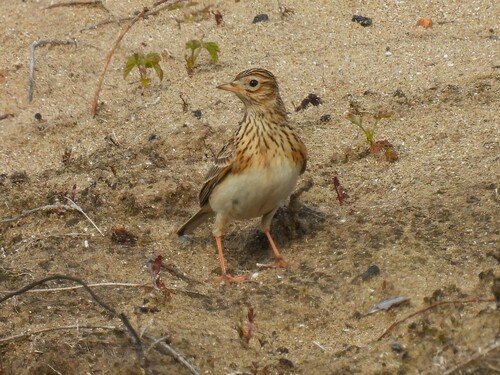 Allodola
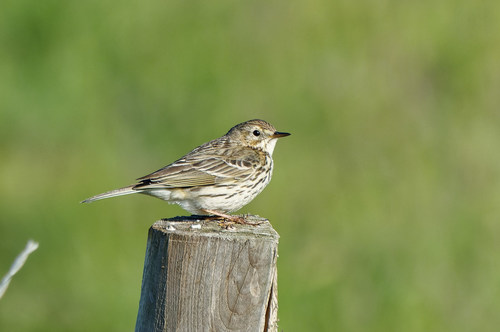 Pispola
In breve
Il segno distintivo più affidabile per separare l'Allodola dalla Pispola è la presenza di bordi bianchi audaci sulla coda e sull'ala posteriore in volo sull'Allodola, che sono visibili quando l'uccello vola via ma non verso di te. L'Allodola è notevolmente più grande e robusta, con un'ala corta e larga e una coda corta, mentre la Pispola è più snella, con un becco più sottile e una coda più lunga e appuntita, bordata di bianco. L'Allodola mostra spesso una piccola cresta smussata sulla testa e si libra in alto mentre canta, mentre la Pispola non ha cresta e compie brevi voli cantando. Entrambi sono marroni e striati, ma l'Allodola è più chiara sotto e la Pispola è più color crema con striature più pesanti. La voce e il comportamento sul campo possono aiutare, ma concentrati prima sulla struttura e sul modello di volo.
Consigli di identificazione
- Bordi bianchi sulla coda e sulle ali in volo (Allodola): Quando l'uccello vola via, cerca bordi bianchi audaci sulla coda e sulle ali posteriori—diagnostico per l'Allodola a tutte le età. La Pispola ha solo bordi bianchi stretti sulla coda, non visibili a distanza.
- Dimensioni e struttura: L'Allodola è più grande e robusta, con un corpo più rotondo e ali più larghe, mentre la Pispola è più piccola, snella e più delicata.
- Forma della testa e cresta: L'Allodola mostra spesso una piccola cresta smussata che può essere sollevata o appiattita—unica tra questi due. La testa della Pispola è liscia e non ha mai cresta.
- Forma del becco: L'Allodola ha un becco più robusto e conico; il becco della Pispola è sottile e fine, adatto per l'insettivoria.
- Zampe e artiglio posteriore: La Pispola ha un artiglio posteriore notevolmente lungo, più lungo delle dita posteriori, visibile a distanza ravvicinata o in foto. L'artiglio posteriore dell'Allodola non è insolitamente lungo.
- Striature sotto: La Pispola è più pesantemente striata sotto, specialmente sul petto e sui fianchi, mentre l'Allodola è più chiara e semplice sotto, con striature meno distinte.
- Colore della parte superiore: Entrambi sono marroni sopra, ma la Pispola è spesso leggermente più scura e più pesantemente barrata, specialmente nelle popolazioni occidentali.
- Forma della coda: La coda dell'Allodola è corta e leggermente quadrata; la coda della Pispola è più lunga e più appuntita, con bordi bianchi stretti.
- Volo cantando: L'Allodola canta in lunghi voli alti e sospesi, spesso fuori dalla vista; il volo cantando della Pispola è breve, fluttuante e a paracadute, di solito visibile e vicino al suolo.
- Comportamento di posarsi: La Pispola spesso si posa su fili, pali o steli esposti; l'Allodola è più propensa a rimanere a terra o in vegetazione bassa.
- Preferenza dell'habitat: L'Allodola preferisce terreni agricoli aperti e brughiere; la Pispola è più comune in prati umidi, torbiere e pascoli rudi, specialmente in inverno.
- Voce: Il canto dell'Allodola è un lungo, continuo e complesso gorgheggio; quello della Pispola è un breve scoppio ripetitivo. Il richiamo della Pispola è un debole 'tsi-tsi', mentre i richiami dell'Allodola sono meno distintivi sul campo.
- Differenze sessuali: I maschi di Allodola hanno ali più larghe delle femmine, ma questo è sottile e visibile solo in confronto diretto.
- Confusione giovanile: I giovani di entrambe le specie sono simili nel colore, ma i bordi bianchi della coda e delle ali dell'Allodola rimangono un separatore affidabile in volo.
- Trappole: Gli uccelli posati a distanza possono sembrare simili nel colore e nelle striature; fai affidamento sulla struttura, sulla cresta e sui segni di volo piuttosto che solo sul piumaggio.
Taglia
L'Allodola è nettamente più grande (18–19 cm) della Pispola (14.5–15 cm), ed è anche più robusta nella struttura. L'Allodola ha un corpo più robusto e ali più larghe, specialmente nei maschi, mentre la Pispola è più leggera e più delicata nel complesso. Il becco della Pispola è più sottile e fine, e le sue zampe sono anche più snelle, con un artiglio posteriore notevolmente lungo (più lungo delle altre dita posteriori), che non è presente nell'Allodola. Il peso è anche maggiore nell'Allodola, ma questo non è visibile sul campo.
Piumaggio
In volo, le Allodole adulte e immature mostrano bordi bianchi audaci sulla coda e lungo il bordo posteriore delle ali, che sono più visibili quando l'uccello vola via. Questi bordi bianchi sono assenti nella Pispola, che ha invece una coda marrone con solo stretti bordi bianchi laterali. Entrambe le specie sono marroni sopra e più chiare sotto, ma l'Allodola appare più semplice e chiara, con striature meno distinte sotto, mentre la Pispola è più color crema e più pesantemente striata sulle parti inferiori. L'Allodola mostra spesso una breve cresta smussata sulla testa, che può essere sollevata o appiattita, mentre la testa della Pispola è liscia e senza cresta. Entrambe le specie hanno parti superiori marroni, ma le striature della Pispola sono più pronunciate su gran parte del piumaggio. Gli uccelli giovani e di primo inverno di entrambe le specie sono simili nel colore complessivo, ma i bordi bianchi della coda e delle ali dell'Allodola rimangono un separatore chiave in volo a tutte le età.
Comportamento
L'Allodola è famosa per i suoi lunghi voli cantando in sospensione, spesso eseguiti in alto sopra il terreno aperto, a volte apparendo come un punto distante nel cielo per diversi minuti. Può circolare o rimanere in sospensione per periodi prolungati. Anche la Pispola canta in volo, ma il suo volo cantando è molto più breve, più basso e più fluttuante, tipicamente salendo per una breve distanza prima di paracadutarsi. A terra, l'Allodola cammina con una postura più eretta e robusta e può sollevare la sua cresta, mentre la Pispola si muove con un passo più delicato e strisciante e non mostra mai una cresta. L'Allodola è meno propensa a posarsi su fili o posatoi esposti rispetto alla Pispola, che lo fa spesso.
Habitat
Entrambe le specie si trovano in campagna aperta, ma l'Allodola favorisce terreni agricoli aperti e brughiere, spesso in spazi più grandi e continui, mentre la Pispola è più flessibile, nidificando in prati, torbiere e talvolta pascoli rudi. In inverno, la Pispola può essere trovata in una gamma più ampia di habitat aperti, comprese le aree costiere e le pianure, ed è più probabile che venga vista in aree più piccole, più umide o più ruvide rispetto all'Allodola. L'Allodola è meno comune in terreni molto umidi o paludosi, che la Pispola può frequentare.
Voce
Il canto dell'Allodola è un lungo, ininterrotto, gorgheggio frizzante eseguito in alto nell'aria, che spesso dura da due a tre minuti o anche di più, ed è famoso per la sua complessità e durata. Il canto della Pispola è molto più semplice e breve, dato in un breve scoppio ripetitivo durante un breve volo cantando, e il suo richiamo è un debole 'tsi-tsi' acuto. Il canto dell'Allodola è solitamente udito da molto più in alto, e l'uccello può essere quasi invisibile, mentre il canto della Pispola è eseguito da molto più in basso e l'uccello è solitamente visibile.