

Motmot

ヨーロッパヨタカ 対 シロハラムクドリ

Caprimulgus europaeus 対 Cinnyricinclus leucogaster

ヨーロッパヨタカとシロハラムクドリのクイズ
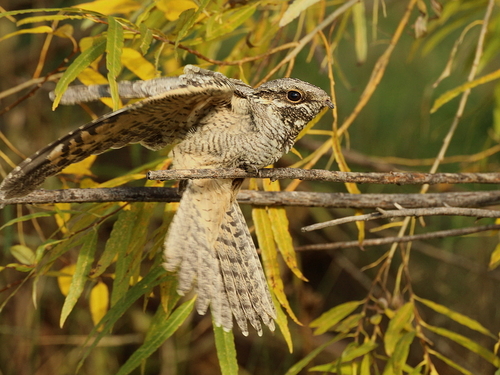
ヨーロッパヨタカ (Caprimulgus europaeus) ヨーロッパヨタカ
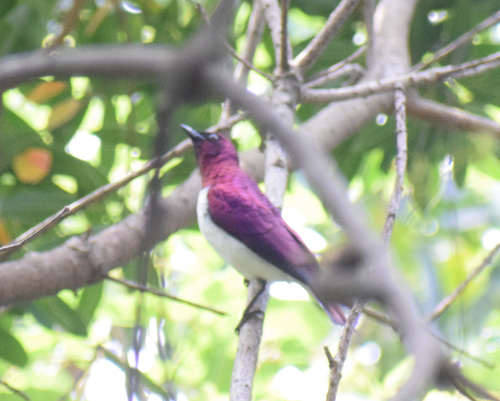
シロハラムクドリ (Cinnyricinclus leucogaster) シロハラムクドリ

メディア

読み込み中…

要点

ヨーロッパヨタカとシロハラムクドリを区別するための最も信頼できるフィールドマークは、ヨタカの特徴的な白い翼の斑点(成鳥のオスに見られる)と、飛行中に見える白い尾の角であり、これはすべてのムクドリには存在しません。幼鳥と雌のヨタカはこれらの白い斑点を欠いていますが、依然として隠れたような、縞模様のある、縞模様の羽毛を示しています。一方、シロハラムクドリのオスは上面が明らかに虹色の紫色で、下面が白く、雌は大胆に茶色と白の縞模様を持ち、ツグミのような外見をしています。ヨタカははるかに大きく、長い翼を持ち、独特の浮遊感のある静かな飛行をしますが、ムクドリは小さく、コンパクトで、より直接的な飛行をします。生息地と行動も異なります:ヨタカは薄明かりや夜行性の地上生活者であり、ムクドリは活発で騒がしい樹冠の鳥です。

識別のコツ

  1. 白い翼の斑点(飛行中のヨタカ成鳥オスのみ): 薄明かりや夜明けに飛行中に初列風切羽に白い斑点と白い尾の角を持つ鳥を見たら、それはオスのヨーロッパヨタカです。雌と幼鳥はこれらのマークを欠いていますが、ムクドリは決してこれらを示しません。
  2. 虹色の紫と白(ムクドリ成鳥オスのみ): 輝く紫色の背中と純白の下面を持つ鳥はオスのシロハラムクドリです。ヨタカは虹色でもなく、そんなにきれいな白を持っていません。
  3. 茶色と白の縞模様、ツグミのような(ムクドリ雌): 雌のシロハラムクドリは上面が茶色で、重い縞模様があり、下面が白く大胆な縞模様を持ち、小さなツグミに似ています。ヨタカはより隠れたような模様で、細かい縞模様と縞模様を持ち、決して大胆な白を持ちません。
  4. 隠れたような、縞模様と縞模様(ヨタカ): すべてのヨタカ(オス、雌、幼鳥)は灰褐色、バフ色、暗い縞模様と縞模様で隠れたような模様を持ち、地面や樹皮に溶け込んでいます。ムクドリは決してこのように隠れたようにはなりません。
  5. 目の色: ヨタカは暗い茶色の目を持ち、シロハラムクドリは黄色の目を持っています。これは近距離で見ることができます。
  6. くちばしの形: ヨタカは飛行中に昆虫を捕まえるために適応した小さくて広い基部のくちばしを持ち、ムクドリは典型的な歌鳥のくちばしを持ち、まっすぐで尖っています。
  7. 飛行スタイル: ヨタカは浮遊感のある静かな蛾のような滑空と羽ばたきで飛び、しばしば薄明かりや夜明けに見られます。ムクドリは直接的で迅速に飛び、しばしば群れで活動し、昼間は活発です。
  8. 尾の形: ヨタカは長くて丸い尾を持ち(成鳥のオスには白い角がある)、ムクドリは短くて四角い尾を持っています。
  9. サイズと印象: ヨタカはシロハラムクドリよりもはるかに大きく、長い翼を持っています。近距離で見ると、ヨタカはムクドリを圧倒します。
  10. 生息地と行動: ヨタカは薄明かりや夜明けに地面や低い枝に見られ、昼間は木の中にはめったにいません。ムクドリは昼間に樹冠で活動し、地面にはめったにいません。
  11. 歌: ヨタカのオスは薄明かりや夜明けに長い機械的なチャーリングを生成し、時には羽音を伴います。ムクドリは音楽的で多様な呼び声を出す可能性が高いです(ここでは詳細には説明されていません)。
  12. 夜行性対日中活動性: ヨタカは厳密に薄明かりや夜行性であり、ムクドリは日中活動的です。
  13. 止まり方: ヨタカは枝や地面に沿って長さ方向に止まり、溶け込んでいます。ムクドリは枝に直立して止まり、しばしば群れでいます。
  14. 地理的範囲: ヨタカはヨーロッパとアジアで繁殖し、シロハラムクドリはサハラ以南のアフリカにいます。重複は非常に稀です。
  15. 一般的な落とし穴: 雌や幼鳥のヨタカは薄暗い光の中で縞模様のある歌鳥と間違えられることがありますが、彼らの隠れたような模様、大きなサイズ、夜行性の習性は特徴的です。オスのムクドリはよく見れば間違いなく識別できます。雌はツグミと混同される可能性がありますが、サイズと行動が考慮されればヨタカとは混同されません。

大きさ

ヨーロッパヨタカはかなり大きく、長さ24.5–28 cm、翼幅52–59 cm(オス51–101 g、雌67–95 g)です [wikipedia]。シロハラムクドリははるかに小さく、長さ約17–18 cmです [wikipedia]。ヨタカは止まっているときも飛んでいるときも長い翼と長い尾を持っているように見えますが、ムクドリは短い尾でコンパクトです。ヨタカのサイズと比率は特に飛行中に明らかで、長く尖った翼はムクドリの短くて三角形の翼と比較されます。

羽色

幼鳥と雌のヨーロッパヨタカは隠れたような模様を持っています:灰褐色の上面に暗い縞模様、バフ色の後頸部の襟、縞模様のある/バフ色の斑点のある下面。成鳥のオスは飛行中にのみ見える三つの初列風切羽に診断的な白い斑点と外尾羽の白い先端を示します。雌と幼鳥はこれらの白い部分を欠いていますが、全体的に隠れたような縞模様の外観を保持しています。対照的に、シロハラムクドリは強く性差があり、オスは上面が虹色の紫色で、下面が純白で、決して縞模様や縞模様はありません。雌は上面が茶色で、大胆な縞模様と白い、重い縞模様のある下面を持ち、小さなツグミに似ています。ムクドリの両性は黄色の目を持ち、ヨタカは暗い茶色の目を持っています。ヨタカの羽毛は常にカモフラージュされており、決して虹色でもなく、下に大胆な白を持つことはありません。飛行中、ヨタカの柔らかく模様のある翼は、ムクドリの均一で光沢のある翼と対照的です。

行動

ヨーロッパヨタカは薄明かりや夜行性で、しばしば薄明かりや夜明けに見られ、昼間は地面や低い枝に動かずにいることが多く、カモフラージュに依存しています。彼らの飛行は浮遊感があり、静かで、蛾のようで、滑空と羽ばたきがあります。シロハラムクドリは昼間に活動的で、樹冠で餌を探し、時にはフライキャッチャーのように昆虫を捕まえるために飛び出し、地面にはめったにいません。ムクドリは社交的で、しばしば騒がしく、直接的で目的のある飛行をします。ヨタカは孤独またはペアで、夜以外はめったに声を出さず、昼間はほとんど見られません。

生息環境

ヨタカはヨーロッパとアジアの開けた森林、ヒース、森林の縁で繁殖し、通常は地面に巣を作るための裸地や稀な植生のある生息地で見られます。彼らは厳密に薄明かりや夜行性で、昼間はほとんど開けた場所で見られません。シロハラムクドリはサハラ以南のアフリカに見られ、森林やサバンナの森林の縁にあり、ほぼ常に木の中または近くにいて、昼間は活動的です。この二つの種は、稀な迷鳥として重複することはありますが、範囲が重なることはありません。また、彼らの好む生息地は異なります:ヨタカは開けた場所の地面に、ムクドリは樹冠にいます。

声

ヨーロッパヨタカのオスは薄明かりや夜明けに長い機械的なチャーリングのトリルを生成し、時には泡立つトリルと羽音で終わります。両性は飛行中に短い「クイック」と呼ばれる声を出し、さまざまな鋭いまたはシューという警告音を出します。シロハラムクドリの声は提供されたメモには記載されていませんが、ムクドリとして、ヨタカの昆虫のようなチャーリングよりも多様で音楽的である可能性が高いです。ヨタカの歌は腹話術的で、昆虫の音と簡単に混同されますが、ムクドリの呼び声は歌鳥の典型的なものです。

より良い説明を送る

比較と同じ項目を使ってください。文章はすぐに公開されます。

The most reliable field mark for separating Eurasian Nightjar from Violet-backed Starling is the nightjar's distinctive white wing patches (in adult males) and white tail corners seen in flight, which are absent in all starlings. Juvenile and female nightjars lack these white patches but still show cryptic, streaked, and barred plumage, while Violet-backed Starling males are unmistakably iridescent violet above and white below, and females are boldly streaked brown and white with a thrush-like look. Nightjars are much larger, long-winged, and have a unique buoyant, silent flight, while starlings are smaller, compact, and more direct in flight. Habitat and behavior also differ: nightjars are crepuscular/nocturnal ground-dwellers, starlings are active, noisy canopy birds.

  1. White wing patches in flight (nightjar adult male only): If you see a bird with a white patch across the primaries and white tail corners in flight at dusk/dawn, it is a male Eurasian Nightjar. Females and juveniles lack these marks, but no starling ever shows them.
  2. Iridescent violet and white (starling male only): Any bird with a gleaming violet back and pure white underparts is a male Violet-backed Starling. No nightjar is iridescent or has such clean white below.
  3. Streaked brown and white, thrush-like (starling female): Female Violet-backed Starlings are brown above, heavily streaked, and white below with bold streaks, resembling a small thrush. Nightjars are more cryptic, with finer streaking and barring, never bold white below.
  4. Cryptic, streaked and barred (nightjar): All nightjars (male, female, juvenile) are cryptically patterned with grey-brown, buff, and dark streaks and bars, blending into the ground or tree bark. Starlings are never this cryptic.
  5. Eye color: Nightjars have dark brown eyes; Violet-backed Starlings have yellow eyes. This is visible at close range.
  6. Bill shape: Nightjars have a tiny, wide-based bill adapted for catching insects in flight; starlings have a typical songbird bill, straight and pointed.
  7. Flight style: Nightjars fly with buoyant, silent, moth-like glides and flutters, often at dusk/dawn. Starlings fly directly and rapidly, often in flocks, and are active by day.
  8. Tail shape: Nightjars have long, rounded tails (with white corners in adult males); starlings have shorter, squarer tails.
  9. Size and jizz: Nightjars are much larger and longer-winged than Violet-backed Starlings. A nightjar at close range will dwarf a starling.
  10. Habitat and behavior: Nightjars are seen at dusk/dawn, on the ground or low branches, rarely in trees by day. Starlings are active in the canopy during the day, rarely on the ground.
  11. Song: Nightjar males produce a long, mechanical churring at dusk/dawn, sometimes with wing-clapping. Starlings are more likely to give musical, varied calls (not described in detail here).
  12. Nocturnal vs diurnal: Nightjars are strictly crepuscular/nocturnal; starlings are diurnal.
  13. Perched posture: Nightjars perch lengthwise along branches or on the ground, blending in; starlings perch upright on branches, often in groups.
  14. Geographic range: Nightjars breed in Europe and Asia; Violet-backed Starlings are sub-Saharan African. Overlap is extremely rare.
  15. Common pitfalls: Female/juvenile nightjars can be mistaken for streaky songbirds in poor light, but their cryptic pattern, large size, and nocturnal habits are distinctive. Male starlings are unmistakable if seen well; females could be confused with thrushes, but not with nightjars if size and behavior are noted.

Eurasian Nightjar is significantly larger: 24.5–28 cm in length with a 52–59 cm wingspan (males 51–101 g, females 67–95 g) [wikipedia]. Violet-backed Starling is much smaller, about 17–18 cm in length [wikipedia], with a compact starling build. Nightjars appear long-winged and long-tailed both perched and in flight, while starlings are short-tailed and compact. The nightjar's size and proportions are especially obvious in flight, with long, pointed wings compared to the starling's shorter, more triangular wings.

Juvenile and female Eurasian Nightjars are cryptically patterned: grey-brown upperparts with dark streaking, buff hindneck collar, and barred/buff-spotted underparts. Adult males show diagnostic white patches on three primaries and white tips to the outer tail feathers, visible in flight only. Females and juveniles lack these white areas but retain the overall cryptic, streaked look. In contrast, Violet-backed Starling is strongly sexually dimorphic: males are iridescent violet above with pure white underparts, never streaked or barred; females are brown above with bold streaks and white, heavily streaked underparts, resembling a small thrush. Both sexes of starling have yellow eyes, while nightjars have dark brown eyes. Nightjars' plumage is always camouflaged and never iridescent or boldly white below. In flight, nightjars' soft, patterned wings contrast with the starling's uniform, glossy wings.

Eurasian Nightjars are crepuscular or nocturnal, often seen at dusk or dawn, and spend the day motionless on the ground or low branches, relying on camouflage. Their flight is buoyant, silent, and moth-like, with glides and flutters. Violet-backed Starlings are active by day, foraging in the canopy, sometimes sallying for insects like flycatchers, and rarely on the ground. Starlings are social, often noisy, and move with direct, purposeful flight. Nightjars are solitary or in pairs, rarely vocal except at night, and almost never seen in the open during the day.

Nightjars breed across open woodlands, heath, and forest edges in Europe and Asia, usually in habitats with bare ground or sparse vegetation for ground-nesting. They are strictly crepuscular/nocturnal and rarely seen in the open during the day. Violet-backed Starlings are found in sub-Saharan Africa, in woodlands and savannah forest edges, almost always in or near trees, and are active during the day. The two species do not overlap in range except as rare vagrants, and their preferred habitats are distinct: nightjars on the ground in open areas, starlings in the canopy.

Eurasian Nightjar males produce a long, mechanical churring trill at dusk and dawn, sometimes ending with a bubbling trill and wing-clapping. Both sexes give short 'cuick' calls in flight and various sharp or hissing alarm calls. Violet-backed Starling's vocalizations are not described in the provided notes, but as a starling, it is likely to be more varied and musical than the nightjar's insect-like churring. Nightjar song is ventriloquial and easily confused with insect sounds, while starling calls are more typical of songbirds.

変更を破棄しますか?

保存していない編集があります。今離れると失われます。

ヨーロッパヨタカ · シロハラムクドリ · 苦手な鳥