

Motmot

ヨーロッパヨタカ 対 ゴジュウカラ

Caprimulgus europaeus 対 Sitta europaea

ヨーロッパヨタカとゴジュウカラのクイズ
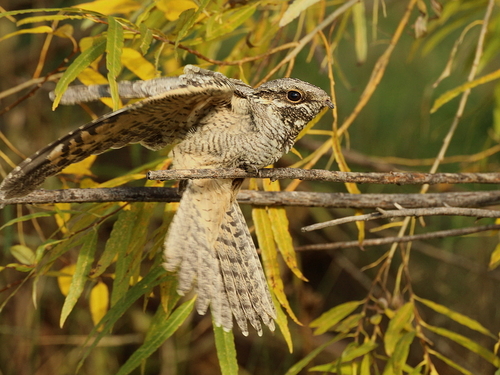
ヨーロッパヨタカ (Caprimulgus europaeus) ヨーロッパヨタカ
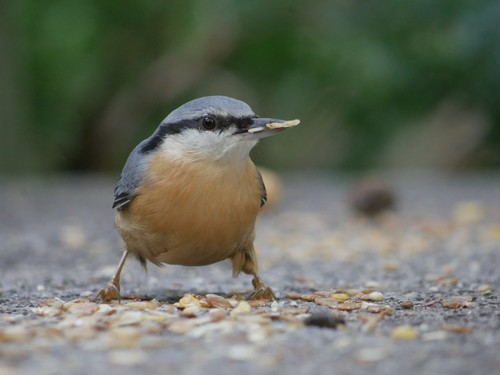
ゴジュウカラ (Sitta europaea) ゴジュウカラ

メディア

読み込み中…

要点

最も信頼できるフィールドマークは全体の形と飛行スタイルです:ヨーロッパヨタカは長い翼を持ち、隠れた模様の夜行性の鳥で、浮遊感のある蛾のような飛行をします。一方、ゴジュウカラは小さく、短い尾を持つ青灰色の鳥で、尖った頭と迅速で直接的な飛行をします。飛行中のヨタカのオスは翼と尾に大胆な白い斑点を示します(メスや幼鳥にはありません)が、ゴジュウカラはそのようなマーキングを示しません。ヨタカは黄昏時と夜に活動し、低く飛んだり、枝に止まったりすることがよくありますが、ゴジュウカラは日中に活動し、木の幹や枝を頭から進むことが多いです。羽毛、構造、行動が組み合わさることで、薄暗い光や一瞬の視界を除いて混乱は稀です。

識別のコツ

  1. 飛行パターンと形:飛行中のヨタカは長い翼を持ち、尖った翼と浮遊感のある蛾のような滑空をします;ゴジュウカラはコンパクトで、丸い翼と速く直接的な跳躍飛行をします。これは距離があっても診断的です。
  2. 翼と尾のマーキング(年齢/性別):成鳥のオスのヨタカは飛行中に一次羽と外尾羽に大胆な白い斑点を示します;メスや幼鳥はこれを欠きますが、ゴジュウカラの青灰色の上面は決して示しません。ゴジュウカラは白い翼や尾のフラッシュを示しません。
  3. 羽毛(すべての年齢):ヨタカは隠れた模様の灰褐色で、ストライプとバーがあり、淡い後頸の襟と白い口ひげのラインがあります。ゴジュウカラは上面が青灰色で、黒い目のストライプ、白い喉、オレンジがかったバフまたは白っぽい腹部があります。羽毛パターンに重複はありません。
  4. 腹部:ヨタカは縞模様と斑点のある腹部を持ちます;ゴジュウカラはきれいで、オレンジまたはバフの側腹と腹部があり、時々まだらですが、決して縞模様ではありません。
  5. くちばしの形とサイズ:ヨタカは小さく、弱いくちばしを持ち、広い開口部があります(しばしば見えにくいです);ゴジュウカラは長く、強く、尖ったくちばしを持ち、距離があっても目立ちます。
  6. 尾:ヨタカの尾は比較的長く尖っています;ゴジュウカラの尾は短く四角で、決して支えに使われることはありません。
  7. 止まり方:ヨタカは枝に沿ってまたは地面に長さ方向で止まり、動かずに溶け込んでいます;ゴジュウカラは幹や枝にしがみつき、しばしば頭から進み、長時間動かずにいることは稀です。
  8. 活動期間:ヨタカは黄昏時と夜に活動します;ゴジュウカラは厳密に日中に活動します。
  9. 生息地の利用:ヨタカは開けた地面、クリアリング、低い止まり木を好みます;ゴジュウカラは成熟した森林の木の幹や枝にほぼ常にいます。
  10. 声:ヨタカの歌は長く、機械的なチャーという音で、腹話術的で持続的です;ゴジュウカラは短く大きな「ドゥイプ」という呼び声や他の鋭い音を出します。
  11. サイズ:ヨタカははるかに大きく、翼が長いです(測定を参照)、しかしサイズは直接比較なしでは判断が難しいです。
  12. 性別と年齢の落とし穴:メスと幼鳥のヨタカはオスの白い翼/尾のフラッシュを欠きますが、依然としてゴジュウカラとは異なる隠れたストライプの羽毛を示します。幼鳥のゴジュウカラは鈍いですが、上面は依然として青灰色です。
  13. 混乱のリスク:混同は薄暗い光の中や、休んでいるヨタカを見るときに最も可能性が高いですが、隠れたストライプのパターンと姿勢はゴジュウカラとは異なります。飛行中、ゴジュウカラのコンパクトで短い尾の形は独特です。
  14. 換羽のタイミング:ヨタカの成鳥と未成熟の個体は繁殖後に換羽しますが、これはゴジュウカラとの混乱を引き起こしません。ゴジュウカラの換羽も同様に繁殖後ですが、重要なフィールドマークには影響しません。
  15. 文脈:日中に見られた場合、特に幹を這っている場合はゴジュウカラです;黄昏時や夜に飛んでいる場合、または地面に止まっている場合はヨーロッパヨタカです。

大きさ

ヨーロッパヨタカははるかに大きく、長さは24.5–28 cm、翼幅は52–59 cmで、ゴジュウカラの長さ14 cm、翼幅22.5–27 cmと比較されます。ヨタカはまた重く(オス51–101 g、メス67–95 g)対してゴジュウカラの17–28 gです[wikipedia][wikidata]。フィールドでは、ヨタカは長くスリムに見え、長く尖った翼と比較的長い尾を持ち、ゴジュウカラはコンパクトで短い尾、丸い翼を持っています。

羽色

幼鳥と未成熟のヨタカは成鳥のメスに似ており、オスの白い翼と尾のフラッシュが欠けています。すべての年齢のヨタカは隠れた灰褐色の上面を示し、ストライプと淡いバフの後頸の襟があり、樹皮や落ち葉に溶け込みます。飛行中、成鳥のオスは三つの一次羽と外尾羽に大胆な白い斑点を示します;メスと幼鳥はこれらの白い部分を欠きます。すべての年齢のゴジュウカラは上面が青灰色で、黒い目のストライプ、白い喉、オレンジがかったバフの側腹と腹部があります(亜種/性別によって変動)。幼鳥のゴジュウカラは鈍く淡いですが、上面は依然として青灰色で、ヨタカの隠れたパターンや白い翼のフラッシュを決して示しません。ゴジュウカラの腹部はきれいで縞模様がなく、ヨタカの縞模様と斑点のある腹部と対照的です。ゴジュウカラはヨタカの淡い後頸の襟や白い口ひげのラインを決して示しません。

行動

ヨタカは薄明かり/夜行性で、最もよく黄昏時や夜に飛んでいるのが見られ、時には枝に沿ってまたは地面に長さ方向で止まり、動かずにカモフラージュされています。その飛行は浮遊感があり、静かで、蛾のようで、滑空やフラッターを伴います。ゴジュウカラは厳密に日中に活動し、木の幹や枝を頭から進むことで餌を探し、強い足とくちばしを使って樹皮を探ります。その飛行は速く直接的で、短いバーストとビートの間に翼を閉じます。ゴジュウカラはオープンな場所で長時間止まることは稀で、ヨタカの隠れた動かない姿勢を決して採用しません。

生息環境

ヨタカは開けた森林、ヒース、クリアリングを好み、地面や低い枝に止まることが多く、日中は密な森林ではほとんど見られません。ゴジュウカラは森林の専門家で、成熟した森林、公園、大きな木のある庭に見られ、地面や開けた場所ではなく、ほぼ常に幹や枝に見られます。彼らの生息地は広葉樹の森林で重複することがありますが、彼らの微生息地の利用と活動期間は鋭く異なります。

声

ヨタカのオスは黄昏時と夜明けに長く機械的なチャーというトリルを歌い、時には泡立つトリルと翼を叩く音で終わります。両性は飛行中に短い「クイック」という呼び声やさまざまな鋭いまたはシューという警告音を出します。ゴジュウカラは日中に非常に声が大きく、繰り返し大きな「ドゥイプ」という呼び声や他の鋭い音を出します。ヨタカの歌は腹話術的で、モグラのコオロギと混同されることがありますが、ゴジュウカラの呼び声ははるかに短く、より突然で、決してチャーという音は出しません。

より良い説明を送る

比較と同じ項目を使ってください。文章はすぐに公開されます。

The most reliable field mark is overall shape and flight style: Eurasian Nightjar is a long-winged, cryptically patterned nocturnal bird with a buoyant, moth-like flight, while Eurasian Nuthatch is a small, short-tailed, blue-grey bird with a pointed head and rapid, direct flight. Nightjar males in flight show bold white patches on the wings and tail (absent in females and juveniles), while Nuthatch never shows such markings. Nightjars are active at dusk and night, often seen flying low or perched along branches, whereas Nuthatches are diurnal, creeping along tree trunks and branches, often headfirst. Plumage, structure, and behavior together make confusion rare except in poor light or fleeting glimpses.

  1. Flight pattern and shape: Nightjar in flight is long-winged, with pointed wings and a buoyant, moth-like glide; Nuthatch is compact, with round wings and a fast, direct, bounding flight. This is diagnostic even at a distance.
  2. Wing and tail markings (age/sex): Adult male Nightjars show bold white patches on the primaries and outer tail feathers in flight; females and juveniles lack these, but still never show Nuthatch's blue-grey upperparts. Nuthatch never shows any white wing or tail flashes.
  3. Plumage (all ages): Nightjar is cryptically patterned grey-brown with streaks and bars, a pale hindneck collar, and a white moustachial line. Nuthatch is blue-grey above, with a black eyestripe, white throat, and orange-buff or whitish underparts. No overlap in plumage pattern.
  4. Underparts: Nightjar has barred and spotted underparts; Nuthatch is clean below, with orange or buff flanks and belly, sometimes mottled, but never barred.
  5. Bill shape and size: Nightjar has a tiny, weak bill with a wide gape (often hard to see); Nuthatch has a long, strong, pointed bill, prominent even at a distance.
  6. Tail: Nightjar's tail is relatively long and pointed; Nuthatch's tail is short and square, never used for support.
  7. Perched posture: Nightjar perches lengthwise along branches or on the ground, motionless and blending in; Nuthatch clings to trunks and branches, often headfirst, rarely motionless for long.
  8. Activity period: Nightjar is active at dusk and night; Nuthatch is strictly diurnal.
  9. Habitat use: Nightjar favors open ground, clearings, and low perches; Nuthatch is almost always on tree trunks or branches in mature woodland.
  10. Voice: Nightjar's song is a long, mechanical churr, ventriloquial and sustained; Nuthatch gives short, loud 'dwip' calls and other sharp notes.
  11. Size: Nightjar is much larger and longer-winged (see measurements), but size can be hard to judge without direct comparison.
  12. Sex and age pitfalls: Female and juvenile Nightjars lack the male's white wing/tail flashes, but still show cryptic, streaked plumage unlike any Nuthatch. Juvenile Nuthatch is duller but still blue-grey above.
  13. Confusion risk: Mix-ups are most likely in poor light or when seeing a Nightjar at rest, but the cryptic, streaked pattern and posture are unlike any Nuthatch. In flight, Nuthatch's compact, short-tailed shape is distinctive.
  14. Moult timing: Nightjar adults and immatures moult after breeding, but this does not create confusion with Nuthatch, whose moult is similarly post-breeding but does not affect key field marks.
  15. Context: If seen by day, especially creeping on a trunk, it's a Nuthatch; if flying at dusk or night, or roosting on the ground, it's a Nightjar.

Eurasian Nightjar is much larger, with a length of 24.5–28 cm and wingspan of 52–59 cm, compared to the Eurasian Nuthatch's 14 cm length and 22.5–27 cm wingspan. Nightjar is also heavier (male 51–101 g, female 67–95 g) versus Nuthatch's 17–28 g [wikipedia][wikidata]. In the field, Nightjar appears long and slim with long, pointed wings and a relatively long tail, while Nuthatch is compact, short-tailed, and round-winged.

Juvenile and immature Nightjars resemble adult females, lacking the male's white wing and tail flashes. All ages of Nightjar show cryptic grey-brown upperparts with streaking and a pale buff hindneck collar, blending into bark or leaf litter. In flight, adult males show bold white patches on three primaries and white tips to the outer tail feathers; females and juveniles lack these white areas. Nuthatch of all ages is blue-grey above with a black eyestripe, white throat, and orange-buff flanks and belly (variable by subspecies/sex). Juvenile Nuthatches are duller and paler, but still blue-grey above and never show Nightjar's cryptic pattern or white wing flashes. Nuthatch's underparts are clean and unbarred, contrasting with Nightjar's barred and spotted underparts. Nuthatch never shows the Nightjar's pale hindneck collar or white moustachial line.

Nightjar is crepuscular/nocturnal, most often seen flying at dusk or night, sometimes perched lengthwise along branches or on the ground, motionless and camouflaged. Its flight is buoyant, silent, and moth-like, with glides and flutters. Nuthatch is strictly diurnal, foraging by creeping headfirst down tree trunks and branches, using its strong feet and bill to probe bark. Its flight is fast and direct, with short bursts and closed wings between beats. Nuthatch rarely perches in the open for long, and never adopts the Nightjar's cryptic, motionless posture.

Nightjar favors open woodlands, heath, and clearings, often roosting on the ground or low branches, and is rarely seen in dense forest during the day. Nuthatch is a woodland specialist, found in mature forests, parks, and gardens with large trees, and is almost always seen on trunks or branches rather than on the ground or in open areas. Their habitats may overlap in broadleaf woodlands, but their microhabitat use and activity periods differ sharply.

Nightjar males sing a long, mechanical churring trill at dusk and dawn, sometimes ending with a bubbling trill and wing-clapping. Both sexes give a short 'cuick' call in flight and various sharp or hissing alarm calls. Nuthatch is highly vocal by day, giving repeated loud 'dwip' calls and other sharp notes. Nightjar's song is ventriloquial and can be confused with mole cricket, but Nuthatch's calls are much shorter, more abrupt, and never churring.

変更を破棄しますか?

保存していない編集があります。今離れると失われます。

ヨーロッパヨタカ · ゴジュウカラ · 苦手な鳥