

Motmot

ニシコクマルガラス 対 チャエリガラス

Coloeus monedula 対 Corvus ruficollis

ニシコクマルガラスとチャエリガラスのクイズ
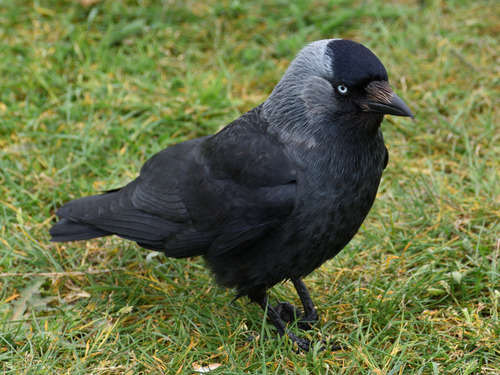
ニシコクマルガラス (Coloeus monedula) ニシコクマルガラス
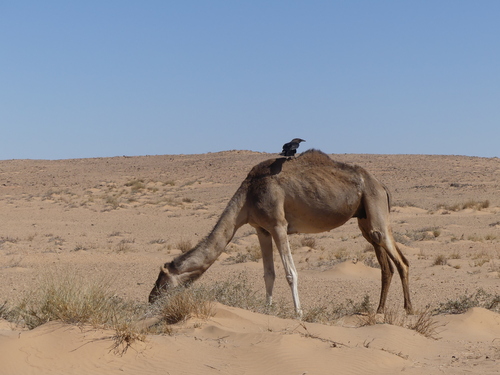
チャエリガラス (Corvus ruficollis) チャエリガラス

メディア

読み込み中…

要点

ユーラシアコクマルガラスとチャエリガラスを区別する最も信頼できるフィールドマークは、サイズと頭部のパターンです:コクマルガラスははるかに小さく、対照的な淡い灰色の後頭部と頬を示しますが、チャエリガラスははるかに大きく、均一な茶色がかった黒の頭部と喉を持っています。飛行中、コクマルガラスのコンパクトな体型、短いくちばし、速く深い翼の打撃は、カラスの長い翼、重い体格、より尖った翼先端と対照的です。幼鳥のコクマルガラスは鈍い色合いですが、首にいくらかの淡い色を示しますが、色あせたチャエリガラスでも淡い後頭部は決して示しません。くちばしのサイズと形も重要です:コクマルガラスのくちばしは短くて太く、カラスのくちばしは長くて重いです。これらの違いは、特に混合したカラスの群れの中で、双眼鏡で遠くからでも見ることができます。

識別のコツ

  1. サイズ: コクマルガラスはチャエリガラスよりもはるかに小さい(ハトサイズ)です。両方を一緒に見ると、その違いは明白です。
  2. 頭部と後頭部のパターン: 成熟したコクマルガラスは淡い灰色または銀色の後頭部と頬を持ち、黒い冠と喉と鋭く対照的です。チャエリガラスの頭部と喉は均一な茶色がかった黒で、決して淡くはありません。
  3. くちばしの形とサイズ: コクマルガラスのくちばしは短くて太く、相対的に小さく、頭の残りの部分の長さの約75%です。チャエリガラスのくちばしは長く、重く、より尖っていますが、ワタリガラスほど巨大ではありません。
  4. 目の色: 成熟したコクマルガラスは淡い銀白色の目を持ち、幼鳥は淡い青い目を持っています。チャエリガラスの目はすべての年齢で暗いです(遠くからは診断的ではありませんが、近くでは役立ちます)。
  5. 飛行の特徴: コクマルガラスは速く、深く、ぎこちない翼の打撃で飛び、しばしば密集した協調した群れで飛びます。カラスは遅く、重い翼の打撃で飛び、より滑空し、滞空し、密集した群れではめったに飛びません。
  6. 飛行中の翼と尾の形: コクマルガラスは相対的に短く、狭い翼と短い尾を持っています。カラスの翼は長く、より尖っており、尾は長くてくさび形です。
  7. 幼鳥の羽毛: 幼いコクマルガラスは鈍い色合いで、すすけた黒の頭とあまりはっきりとした淡い後頭部を持っていますが、いくらかの対比を示します。若いカラスは均一に暗いか茶色がかった黒で、決して淡い後頭部を持ちません。
  8. 光沢と色あせ: コクマルガラスの羽毛は光沢のある黒で、冠と二次羽に紫または青の光沢があり、喉には緑青がありますが、常に淡い後頭部を持っています。カラスの羽毛は換羽前に茶色がかった黒に色あせますが、決して淡い斑点は示しません。
  9. 脚と足: 両種ともに黒い脚と足を持っています;有用な区別にはなりません。
  10. 生息地: コクマルガラスは町、農地、人の近くで一般的です。チャエリガラスは砂漠や乾燥した開けた国を好み、都市環境ではめったに見られません。
  11. 鳴き声: コクマルガラスは鋭く金属的な「チャック」と呼ばれる鳴き声を出し、カラスはより深い鳴き声と厳しい「カールカールカール」と呼ばれる鳴き声を出します。鳴き声を聞いたら、カラスを思い出してください。
  12. 社会的行動: コクマルガラスは非常に社交的で、しばしば大きく密集した群れで見られます。カラスはより孤独で、緩いグループにいます。
  13. 姿勢: コクマルガラスは直立した姿勢と活発で威勢の良い歩き方を持っています。カラスはより重く、より水平な姿勢に見えます。
  14. 季節的変化: コクマルガラスの淡い後頭部は換羽後(晩夏/秋)に最も目立ちます;換羽前に色あせてあまりはっきりしなくなることがありますが、まだ見えます。カラスの羽毛は全体的に色あせますが、決して淡い斑点は発生しません。
  15. 地理的文脈: 真の砂漠や遠隔の乾燥地域では、大きなカラスはほぼ確実にチャエリガラスです。都市や農業の環境、特にヨーロッパでは、淡い後頭部を持つ小さなカラスはコクマルガラスです。

大きさ

ユーラシアコクマルガラスは小さなカラスで、全長34〜39 cm、体重約240グラムです。チャエリガラスははるかに大きく、全長52〜56 cmで、より大きなカラスの種の一つですが、ワタリガラスほど巨大ではありません。フィールドでのサイズの違いは際立っています:コクマルガラスはハトサイズですが、チャエリガラスは小型の猛禽類や大型のカラスに近いです。遠くからでも、コクマルガラスのコンパクトで短い首の外観は、カラスの長い体、翼、尾と対照的です。

羽色

行動

コクマルガラスは敏捷で社交的であり、地上でも飛行中でもしばしば密集した群れで見られます。彼らの飛行は速く、ぎこちない翼の打撃と密な操縦が特徴で、時には転がったり滑空したりします。地上では、彼らは直立した姿勢で活発に歩き、頭を下げたり水平にして餌を食べます。チャエリガラスはより孤独で、緩いペアやグループで見られ、重く、遅い翼の打撃とより緩慢で滑空する飛行を持っています。彼らはコクマルガラスのように密集した群れを形成することはめったになく、飛行中でも地上でもより大きく、より力強く見えます。

生息環境

コクマルガラスはヨーロッパ、西アジア、北アフリカに広く分布し、開けた国、農地、町、都市を好み、人間の居住地の周りにしばしば見られます。チャエリガラスは北アフリカや中東の乾燥した地域、砂漠、開けた国に生息しています。北アフリカでは重複が可能ですが、コクマルガラスは真の砂漠の生息地ではめったに見られません。都市や農地で小さなカラスを見た場合、それはおそらくコクマルガラスであり、乾燥した開けた砂漠で大きなカラスはチャエリガラスである可能性が高いです。

声

コクマルガラスの鳴き声は鋭く金属的なチャックや叫びで、カラスのより深い鳴き声とはかなり異なります。チャエリガラスの声はワタリガラスに似ていますが、より高音で、鳴き声や厳しい「カールカールカール」の呼び声、飛行中の「クエルク・クエルク」があります。コクマルガラスはカラスのように深く鳴くことはありません。野生では両者ともに声の模倣は稀ですが、カラスの方が可能性が高いです。

より良い説明を送る

比較と同じ項目を使ってください。文章はすぐに公開されます。

The most reliable field mark to separate Eurasian Jackdaw from Brown-necked Raven is size and head pattern: Jackdaw is much smaller and shows a contrasting pale grey nape and cheeks, while Brown-necked Raven is much larger and has a uniform brownish-black head and throat. In flight, Jackdaw’s compact build, short bill, and fast, deep wingbeats contrast with the raven’s longer wings, heavier jizz, and more pointed wingtips. Juvenile Jackdaws are duller but still show some pale on the neck, while even faded Brown-necked Ravens never show a pale nape. Bill size and shape are also key: Jackdaw’s bill is short and stubby, Raven’s is longer and heavier. These differences are visible at distance with binoculars, especially in mixed corvid flocks.

  1. Size: Jackdaw is much smaller (pigeon-sized) than Brown-necked Raven (crow-to-small-raven sized). If you see both together, the difference is unmistakable.
  2. Head and nape pattern: Adult Jackdaws have a pale grey or silvery nape and cheeks, sharply contrasting with the black crown and throat. Brown-necked Raven’s head and throat are uniform brownish-black, never pale.
  3. Bill shape and size: Jackdaw’s bill is short, stubby, and proportionally small—about 75% the length of the rest of the head. Brown-necked Raven’s bill is longer, heavier, and more pointed, though not as massive as Common Raven.
  4. Eye color: Adult Jackdaws have pale silvery-white eyes, juveniles have light blue eyes. Brown-necked Raven’s eyes are dark at all ages (not diagnostic at distance, but useful up close).
  5. Flight jizz: Jackdaw flies with rapid, deep, jerky wingbeats and often in tight, coordinated flocks. Raven flies with slower, heavier wingbeats, more soaring and gliding, and rarely in tight flocks.
  6. Wing and tail shape in flight: Jackdaw has proportionally shorter, narrower wings and a short tail. Raven’s wings are longer, more pointed, and tail is longer and more wedge-shaped.
  7. Juvenile plumage: Young Jackdaws are duller, with a sooty black head and less sharply defined pale nape, but still show some contrast. Young Ravens are uniformly dark or brownish-black, never with a pale nape.
  8. Gloss and fading: Jackdaw’s plumage is glossy black with purple or blue sheen on crown and secondaries, and green-blue on throat, but always with a pale nape. Raven’s plumage fades to brownish-black before molt, but never shows pale patches.
  9. Legs and feet: Both species have black legs and feet; not a useful separator.
  10. Habitat: Jackdaws are common in towns, farmland, and near people. Brown-necked Ravens prefer deserts and arid open country; rarely seen in urban settings.
  11. Vocalizations: Jackdaw gives sharp, metallic "chack" calls; Raven gives deeper croaks and harsh "karr-karr-karr" calls. If you hear a croak, think Raven.
  12. Social behavior: Jackdaws are highly social, often in large, tight flocks. Ravens are more solitary or in loose groups.
  13. Posture: Jackdaws have an upright stance and brisk, strutting gait. Ravens appear heavier, with a more horizontal posture.
  14. Seasonal variation: Jackdaw’s pale nape is most prominent after molt (late summer/fall); can fade and become less distinct before molt, but still visible. Raven’s plumage fades overall, but never develops pale patches.
  15. Geographic context: In true desert or remote arid regions, a large corvid is almost certainly a Brown-necked Raven. In urban or agricultural settings, especially in Europe, a small corvid with a pale nape is a Jackdaw.

Eurasian Jackdaw is a small corvid, measuring 34–39 cm in length and weighing around 240 grams. Brown-necked Raven is much larger, at 52–56 cm in length, and is one of the larger raven species, though not as massive as Common Raven. The difference in size is striking in the field: Jackdaw is pigeon-sized, while Brown-necked Raven is closer to a small raptor or large crow. Even at a distance, the Jackdaw’s compact, short-necked appearance contrasts with the Raven’s long body, wings, and tail.

  • Juvenile/immature Jackdaw: Duller overall, with sooty black head and faint greenish sheen, but still shows a dark grey nape and paler underparts. The pale nape is usually visible even in young birds, though less sharply defined than in adults.
  • Adult Jackdaw: Glossy black crown and throat, sharply contrasting pale grey to silver nape and cheeks, slate-grey underparts. Bill and legs always black. Eye is pale silvery-white in adults, light blue in juveniles.
  • Brown-necked Raven (all ages): Head and throat are brownish-black, blending into the rest of the plumage. No pale nape or cheek patch at any age. Plumage is glossy black with purple or blue gloss, but fades quickly to brownish-black, so birds can look quite brown overall, especially before molt. Bill, legs, and feet always black.
  • In flight: Jackdaw shows uniform dark wings and tail, lacking any pale panels or contrasting edges. Raven’s wings are longer and more pointed, but both species lack strong wing pattern contrasts in flight. The Jackdaw’s smaller size and compact shape are usually obvious in the air.

Jackdaws are agile, social, and often seen in tight flocks, both on the ground and in flight. Their flight is characterized by rapid, jerky wingbeats and tight maneuvering, sometimes tumbling or gliding. On the ground, they strut briskly with an upright posture and feed with heads down or horizontal. Brown-necked Ravens are more solitary or in loose pairs/groups, with heavier, slower wingbeats and a more languid, soaring flight. They rarely form tight flocks like Jackdaws and appear bulkier and more powerful both in flight and on the ground.

Jackdaws are widespread in Europe, western Asia, and North Africa, favoring open country, farmland, towns, and cities—often around human habitation. Brown-necked Ravens are found in arid and semi-arid regions, deserts, and open country in North Africa and parts of the Middle East. Overlap is possible in North Africa, but Jackdaws are rarely found in true desert habitats. If you see a small corvid in a city or farmland, it is likely a Jackdaw; a large corvid in arid, open desert is more likely a Brown-necked Raven.

Jackdaw calls are sharp, metallic chacks and yelps, quite different from the deeper croaks of ravens. Brown-necked Raven’s voice is similar to Common Raven but higher-pitched, with croaks and harsh "karr-karr-karr" calls, and a "kuerk-kuerk" in flight. Jackdaw never croaks deeply like a raven. Vocal mimicry is rare in the wild for both, but more likely in the Raven.

変更を破棄しますか?

保存していない編集があります。今離れると失われます。

ニシコクマルガラス · チャエリガラス · 苦手な鳥