

Motmot

チゴハヤブサ 対 シロハヤブサ

Falco subbuteo 対 Falco rusticolus

チゴハヤブサとシロハヤブサのクイズ
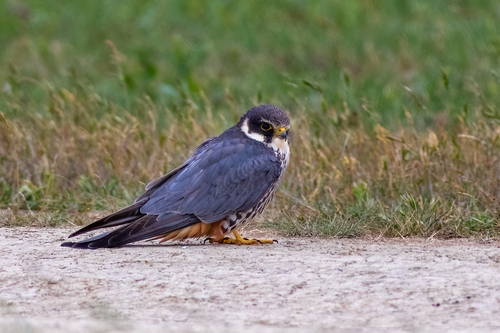
チゴハヤブサ (Falco subbuteo) チゴハヤブサ
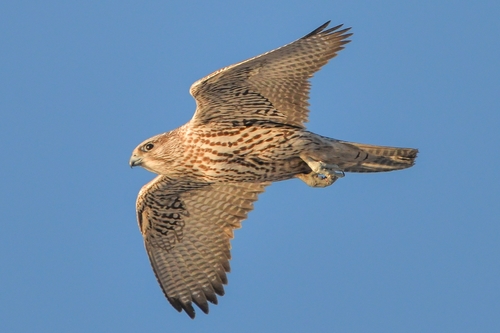
シロハヤブサ (Falco rusticolus) シロハヤブサ

メディア

読み込み中…

要点

チゴハヤブサとシロハヤブサを区別する最も信頼できる方法は、サイズと構造です:チゴハヤブサは小さく、スリムなハヤブサで、長く尖った翼と四角い尾を持っています。一方、シロハヤブサは巨大で、広い翼を持ち、尾が長く、しばしば大型のブザードよりもずっと大きく見えます。飛行中、成鳥のチゴハヤブサはスイフトのような鎌型の翼のプロファイルと赤褐色の「ズボン」を示しますが、シロハヤブサ(どの形態でも)ははるかに大きく、羽毛は変動しますが、チゴハヤブサの赤い太ももは決して見せません。幼鳥のチゴハヤブサはより茶色で、鱗状の上面を示しますが、いずれにせよシロハヤブサよりもずっと華奢に見えます。距離があっても、サイズの違いは通常明白ですが、孤立した、遠くの、または速く飛ぶ鳥、特に幼鳥と混同することがあります。常にチゴハヤブサのスリムでスイフトのような形状と、シロハヤブサの重くて広い翼の構造を確認してください。

識別のコツ

  1. Size is decisive: ハヤブサが本当に大きい(ブザードやワシのサイズに近い)場合、それはシロハヤブサです。チゴハヤブサはずっと小さく、ケストレルよりもわずかに大きいだけです。
  2. Shape in flight: チゴハヤブサは長く尖った鎌型の翼と四角い尾を持ち、スイフトのような外観を与えます。シロハヤブサは広い翼を持ち、重い体で、尾が長く、チゴハヤブサの空力的な外観はありません。
  3. Adult plumage: チゴハヤブサのスレートグレーの上面、暗い冠、2本の短い黒い口ひげのストライプ、特に赤褐色の太ももと腹部を探してください。シロハヤブサは赤褐色の太ももを決して示しません;彼らの腹部と太ももは変動的に縞模様または斑点状ですが、この色ではありません。
  4. Juvenile plumage: 幼いチゴハヤブサは上面がより茶色で、鱗状の上面と淡い縞模様の太ももを持っていますが、依然としてスリムで小さいです。幼鳥のシロハヤブサは成鳥よりも暗く、茶色ですが、常に巨大で広い翼を持っています。
  5. Plumage variability in Gyr: シロハヤブサは白、銀、茶色、黒の形態があり、最も暗いシロハヤブサでさえ、チゴハヤブサよりもはるかに大きく、重いです。どのシロハヤブサの形態もチゴハヤブサの色パターンや比率を持っていません。
  6. Facial pattern: チゴハヤブサは整った暗い冠と2本の短い口ひげのマークを持っています;シロハヤブサは強い頬のストライプを欠き、特に茶色の形態ではより拡散した顔のパターンを持っています。
  7. Underpart streaking: チゴハヤブサの腹部は白で、細い黒い縞模様があります;シロハヤブサの腹部は変動的ですが、特に暗い形態ではより重く縞模様または斑点状になることが多いです。
  8. Perched posture: チゴハヤブサは止まり木の上でスリムで直立して見えます;シロハヤブサはがっしりしており、広い胸と重い体を持っています。
  9. Flight style: チゴハヤブサは敏捷で速く、しばしば昆虫や小鳥を狩る姿が見られ、時には飛行中に獲物を食べます。シロハヤブサは力強く、遅く深い翼の打撃を持ち、アクロバティックな飛行は少ないです。
  10. Habitat context: チゴハヤブサは散在する木々のある開けた低地に見られます;シロハヤブサは北の果て、ツンドラ、崖の鳥です。中央ヨーロッパや温帯アジアの夏にいる場合、大きなハヤブサはほぼ確実にシロハヤブサではありません。
  11. Group behavior: チゴハヤブサは小さな群れで移動することがあります;シロハヤブサはほとんど常に孤独またはペアでいます。
  12. Bill and feet: 通常、距離からは見えませんが、シロハヤブサは繊細なチゴハヤブサよりもはるかに重いくちばしと足を持っています。
  13. Sex differences: 両種は羽毛において最小限の性的二形性を示します;サイズの違いはシロハヤブサでより顕著で、雌ははるかに大きいです。
  14. Vocalizations: 現場での区別には診断的ではありません;両者は巣から離れると一般的に静かです。
  15. Common pitfalls: 遠くのまたは速く飛ぶ鳥は混乱を招くことがあります、特に幼鳥。常にサイズ、形状、羽毛の組み合わせを使用し、一つの特徴だけに頼らないでください。

大きさ

サイズは最も直接的で信頼できる区別です。チゴハヤブサは小さなハヤブサ(体重約211g、長さ29–36 cm、翼幅74–84 cm)ですが、シロハヤブサは世界で最も大きなハヤブサです(オス805–1350g、メス1180–2100g;長さ48–65 cm、翼幅110–134 cm)。最も小さなシロハヤブサでさえ、最も大きなチゴハヤブサよりも数倍重く、はるかに長い翼を持っています。フィールドでは、チゴハヤブサはほとんど鳩のサイズですが、シロハヤブサは大型のブザードや小型のワシに近いです。巨大で力強いハヤブサを見た場合、それはチゴハヤブサではありません。

羽色

幼鳥と未成熟のチゴハヤブサは成鳥よりもずっと茶色で、鱗状の上面と縞模様の淡い太ももと尾羽を持っています。成鳥は上面がスレートグレーで、暗い冠、2本の短い黒い口ひげのストライプ、縞模様のない白い喉、そして特徴的な赤褐色の太ももと腹部を持っています。腹部は白っぽく、黒い縞模様があります。シロハヤブサは非常に変動的です:成鳥は白、銀、茶色、または黒で、羽毛は全白から暗い茶色または黒まで変化します。茶色の形態は後頭部と冠にクリーム色の縞模様を示し、強い頬のストライプを欠きます。幼鳥は成鳥よりも暗く、茶色ですが、常にどのチゴハヤブサよりもはるかに大きく、重いです。年齢や形態に関係なく、どのシロハヤブサもチゴハヤブサの赤褐色の太ももやスリムでスイフトのような翼の形状を示しません。飛行中、チゴハヤブサは四角い尾を持つ鎌型の外観を持ち、シロハヤブサは広い翼と長い尾を持っています。どちらの種にも、他の種の外観を模倣する年齢特有の上面パターンはありません。

行動

チゴハヤブサは敏捷で速く、アクロバティックで、しばしば昆虫や小鳥を狩り、時には飛行中に獲物を食べます。彼らの飛行はスイフトのようで、急速で優雅な動きをします。シロハヤブサは力強く、重い飛行をし、通常は大型の鳥や哺乳類を狩り、しばしば直接的で力強い飛行や急降下を使用します。チゴハヤブサは移動中に小さな群れで狩りをしている姿が見られることがありますが、シロハヤブサは通常孤独またはペアでいます。止まっているとき、チゴハヤブサはスリムで直立して見え、シロハヤブサは巨大で広い肩を持っているように見えます。

生息環境

チゴハヤブサは散在する森、農地、湿地、タイガのある開けた国を好み、通常は低地にいます。シロハヤブサは北極および亜北極のツンドラで繁殖し、しばしば崖の面で見られ、繁殖範囲内では開けた無木の風景から遠く離れて見つかることはほとんどありません。シロハヤブサは冬に広く分散することができますが、依然として北部または高緯度の生息地にいる可能性が高いです。温帯の農地や低地の湿地にいる場合、大きなハヤブサはほぼ確実にシロハヤブサではありません。

より良い説明を送る

比較と同じ項目を使ってください。文章はすぐに公開されます。

The most reliable way to separate Eurasian Hobby from Gyr Falcon is by size and structure: the Hobby is a small, slim falcon with long, pointed wings and a square tail, while the Gyr Falcon is massive, broad-winged, and longer-tailed, often appearing bulkier than even large buzzards. In flight, adult Hobbies show a swift-like, sickle-winged profile and rufous 'trousers,' while Gyr Falcons (of any morph) are much larger, with variable plumage but never show the Hobby's red thighs. Juvenile Hobbies are browner and show scaled upperparts, but still appear much daintier than any Gyr. Even at a distance, the sheer size difference is usually unmistakable, but confusion can arise with lone, distant, or fast-flying birds, especially immatures. Always check for the Hobby's slim, swift-like shape and the Gyr's heavy, broad-winged build.

  1. Size is decisive: If the falcon is truly large (approaching buzzard or eagle size), it's a Gyr Falcon. Hobbies are much smaller, only slightly larger than a kestrel.
  2. Shape in flight: Hobbies have long, pointed, sickle-shaped wings and a square-cut tail, giving a swift-like appearance. Gyr Falcons are broad-winged, heavy-bodied, and long-tailed, lacking the Hobby's aerodynamic look.
  3. Adult plumage: Look for the Hobby's slate-grey upperparts, dark crown, two short moustache stripes, and especially the rufous (red) thighs and vent. Gyr Falcons never show rufous thighs; their underparts and thighs are variably streaked or spotted but never this color.
  4. Juvenile plumage: Young Hobbies are browner above with scaled upperparts and buffy, streaked thighs, but still slim and small. Juvenile Gyrs are darker and browner than adults, but always massive and broad-winged.
  5. Plumage variability in Gyr: Gyr Falcons come in white, silver, brown, and black morphs, but even the darkest Gyr is much larger and bulkier than a Hobby. No Gyr morph has the Hobby's color pattern or proportions.
  6. Facial pattern: Hobbies have a neat, dark crown and two short moustache marks; Gyr Falcons lack a strong malar stripe and have a more diffuse facial pattern, especially in brown morphs.
  7. Underpart streaking: Hobby underparts are white with fine black streaks; Gyr underparts are variable but often more heavily streaked or spotted, especially in dark morphs.
  8. Perched posture: Hobbies look slim and upright on a perch; Gyrs are thickset, with a broad chest and heavy build.
  9. Flight style: Hobbies are agile, fast, and often seen hawking insects or small birds, sometimes eating on the wing. Gyrs are powerful, with slower, deeper wingbeats and less acrobatic flight.
  10. Habitat context: Hobbies are found in open lowlands with scattered trees; Gyrs are birds of the far north, tundra, and cliffs. If you're in central Europe or temperate Asia in summer, a large falcon is almost never a Gyr.
  11. Group behavior: Hobbies may migrate in small groups; Gyr Falcons are almost always solitary or in pairs.
  12. Bill and feet: Not usually visible at distance, but Gyr Falcons have a much heavier bill and feet than the delicate Hobby.
  13. Sex differences: Both species show minimal sexual dimorphism in plumage; size difference is more pronounced in Gyr Falcons, with females being much larger.
  14. Vocalizations: Not diagnostic for separation in the field; both are generally silent away from the nest.
  15. Common pitfalls: Distant or fast-flying birds can be confusing, especially juveniles. Always use a combination of size, shape, and plumage, not just one feature.

Size is the most immediate and reliable distinction. The Eurasian Hobby is a small falcon (body mass ~211g, length 29–36 cm, wingspan 74–84 cm), while the Gyr Falcon is the largest falcon in the world (males 805–1350g, females 1180–2100g; length 48–65 cm, wingspan 110–134 cm). Even the smallest Gyr is several times heavier and much longer-winged than the largest Hobby. In the field, a Hobby is barely pigeon-sized, while a Gyr Falcon is closer to a large buzzard or small eagle. If you see a falcon that looks huge and powerful, it's not a Hobby.

Juvenile and immature Hobbies are much browner than adults, with scaled upperparts and streaked buff thighs and undertail coverts. Adults are slate-grey above, with a dark crown, two short black moustache stripes, unstreaked white throat, and distinctive rufous (red) thighs and vent. Underparts are whitish with black streaks. Gyr Falcons are highly variable: adults can be white, silver, brown, or black, with plumage ranging from all-white to dark brown or black. Brown morphs show cream streaking on the nape and crown, and lack a strong malar stripe. Juveniles are darker and browner than adults but are always much larger and bulkier than any Hobby. No Gyr Falcon, regardless of age or morph, shows the Hobby's rufous thighs or the slim, swift-like wing shape. In flight, Hobbies have a sickle-winged look with a square tail, while Gyrs are broad-winged and long-tailed. There are no age-specific upperwing patterns in either species that mimic the other's appearance.

Eurasian Hobbies are agile, fast, and aerobatic, often hunting insects and small birds on the wing, sometimes eating prey in flight. Their flight is swift-like, with rapid, graceful maneuvers. Gyr Falcons are powerful, heavy fliers, typically hunting larger birds or mammals, and often use direct, forceful flight or stoops. Hobbies may be seen hawking in small groups on migration, while Gyrs are usually solitary or in pairs. Perched, Hobbies look slim and upright; Gyrs appear massive and broad-shouldered.

Eurasian Hobbies prefer open country with scattered woods, farmland, marshes, and taiga, usually in lowland areas. Gyr Falcons breed in Arctic and subarctic tundra, often on cliff faces, and are rarely found far from open, treeless landscapes in their breeding range. While Gyrs can disperse widely in winter, they are still most likely in northern or high-latitude habitats. If you are in temperate farmland or lowland marshes, a large falcon is almost certainly not a Gyr.

変更を破棄しますか?

保存していない編集があります。今離れると失われます。

チゴハヤブサ · シロハヤブサ · 苦手な鳥