

Motmot

ニシコウライウグイス 対 アフリカコウライウグイス

Oriolus oriolus 対 Oriolus auratus

ニシコウライウグイスとアフリカコウライウグイスのクイズ
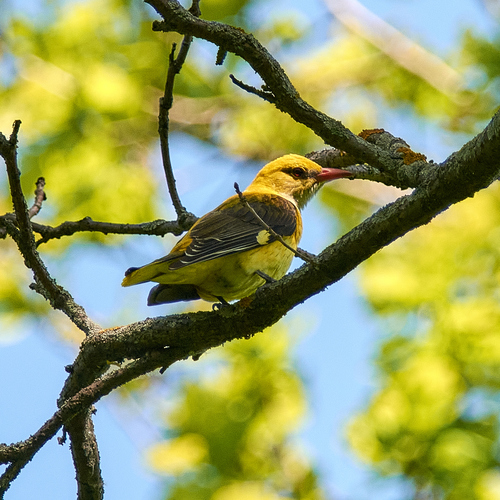
ニシコウライウグイス (Oriolus oriolus) ニシコウライウグイス
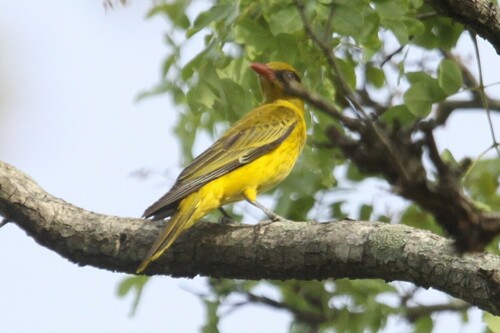
アフリカコウライウグイス (Oriolus auratus) アフリカコウライウグイス

メディア

読み込み中…

要点

ユーラシアコウライウグイスとアフリカコウライウグイスの間で最も信頼できるフィールドマークは、特に成鳥のオスにおける翼の黒と金の量と配置です。ユーラシアのオスは翼により広範な黒を示し、アフリカのオスはより多くの金を持ち、黒を飛行羽と尾の中心に制限します。両種のメスは緑がかっていますが、アフリカのメスはより対照的な翼と目の周りに特徴的な黒を持っています。両種は葉の多い樹冠の中で驚くほど見つけにくく、強く直接的な飛行は似ています。声の違いは微妙ですが、羽毛、特に翼と目の周りは分離のための最良の手がかりです。

識別のコツ

  1. オスの翼のパターン: 成鳥のユーラシアコウライウグイスのオスは翼により広範な黒を持ち、黄色い体と黒い翼のコントラストが強くなります。アフリカコウライウグイスのオスは翼により多くの金を持ち、黒は飛行羽と尾の中心に制限されています—より黄色がかり、コントラストが少ない翼を探してください。
  2. メスの顔のパターン: アフリカコウライウグイスのメスは目の周りに明確な黒い部分を示しますが、ユーラシアのメスにはこの特徴がありません。これはメスや幼鳥を観察する際の重要なマークです。
  3. メスの翼のコントラスト: アフリカのメスはユーラシアのメスよりも翼のコントラストが強く、より均一に緑がかって見えることがあります。
  4. 全体的な黄色さ: アフリカコウライウグイスのオスは翼の金のために全体的により黄色く見え、ユーラシアのオスは黒と黄色のコントラストが鋭いです。
  5. 飛行スタイル: 両種は強く、直接的で、わずかに沈むような飛行をするため、これでは分離できません。
  6. 生息地と範囲: ヨーロッパとユーラシアでの夏には、ユーラシアコウライウグイスのみが繁殖します。移動外のサハラ以南のアフリカではアフリカコウライウグイスを期待してください。重複はユーラシアの移動/冬の間のアフリカでのみ発生します。
  7. 声: 歌の微妙な違いを聞いてください。ユーラシアの「ウィーラ・ウィー・オー」とアフリカの「フィー・オー・フィー・オー」。アフリカコウライウグイスの呼び声はより厳しく、カケスのようです。
  8. 樹冠の行動: 両種は内気で、葉の中で見つけにくいです; 行動に頼って分離しないでください。
  9. 幼鳥/未熟羽毛: 明確な年齢特有の翼のパターンの違いは記述されていないため、成鳥とメスのマークに焦点を当ててください。
  10. くちばしと構造: これらの2種の間でくちばしの色や形に信頼できる違いは記載されていません。
  11. サイズ: 両者はサイズと形が似ているため、サイズを分離の手段として使用しないでください。
  12. 季節的文脈: アフリカでのユーラシアオリオールの越冬期間中に、微妙な羽毛のマークを確認してください。両種が存在する可能性があります。
  13. 羽毛の落とし穴: 両種の緑がかったメスと幼鳥に注意してください; 目のマークと翼のコントラストを使用して最良の分離を行ってください。
  14. 混合群れ: 可能性は低いですが、アフリカで複数のオリオールを一緒に見る場合は、特に冬に上記のマークを注意深く確認してください。
  15. 照明と距離: 両種は光の条件によってコントラストが変わることがあります; 常に翼と頭のパターンの明確な視界を試みてください。

大きさ

直接的なサイズ比較は利用可能なデータによって制限されています。アフリカコウライウグイスは体重が約73.7gと平均されますが、ユーラシアコウライウグイスの比較可能な質量は示されていません。両者は中型のオリオールで、ユーラシアコウライウグイスは約24cmの長さで、翼幅は44〜45cmです。現場では、サイズと全体的な形が非常に似ているため、サイズは信頼できる分離手段ではありません。

羽色

行動

両種は樹冠に生息し、葉の覆いの中に隠れていることが多く、浅いダイブを含む強く直接的なツグミのような飛行で移動します。彼らは内気で、呼び声を上げていてもよく観察するのが難しいです。採餌行動は似ており、両者とも木から昆虫や果物をついばみます。フィールドでの分離を助ける行動の違いはソースには強調されていません。

生息環境

ユーラシアコウライウグイスはヨーロッパとユーラシアの温帯地域で繁殖し、冬には中央および南アフリカに移動します。アフリカコウライウグイスはサハラ以南で常駐繁殖者であり、厚い茂みやよく木が生えた地域を好みます。アフリカでは、ユーラシアコウライウグイスは移動者としてのみ存在し、アフリカコウライウグイスは年間を通じて存在します。したがって、ユーラシア種の繁殖範囲の外では、文脈と季節が助けになります。夏のヨーロッパでの金色のオリオールはほぼ確実にユーラシアであり、移動期間外のサハラ以南のアフリカでのものはおそらくアフリカです。

声

両種は特徴的で微妙に異なるフルーティーでメロディックな歌を持っています。ユーラシアコウライウグイスはフルーティーな「ウィーラ・ウィー・オー」または「オー・リィ・オール」を歌い、フレーズの変化がよくありますが、アフリカコウライウグイスはフルーティーな「フィー・オー・フィー・オー」を歌います。呼び声も異なります。ユーラシアのものは厳しい「クウィアーク」で、アフリカのものはカケスのような叫びです。これらの違いは経験を通じて最もよく理解されますが、歌の全体的な質は似ており、短い遭遇では診断的ではないかもしれません。

より良い説明を送る

比較と同じ項目を使ってください。文章はすぐに公開されます。

The most reliable field mark between Eurasian Golden Oriole and African Golden Oriole is the amount and placement of black and gold in the wings, especially on adult males: Eurasian males show more extensive black in the wings, while African males have more gold and confine black to the flight feathers and tail center. Females of both are greenish, but African females have more contrasting wings and a distinctive black around the eye. Both species can be surprisingly hard to spot in leafy canopies, and their strong, direct flight is similar. Vocalizations differ subtly, but plumage—especially in the wings and around the eye—is your best bet for separation.

  1. Male wing pattern: Adult Eurasian Golden Oriole males have more extensive black in the wings, making the yellow body and black wings strongly contrasting. African Golden Oriole males have more gold in the wings, with black limited to the flight feathers and tail center—look for a yellower, less contrasting wing.
  2. Female face pattern: Female African Golden Orioles show a distinct black area around the eye, while Eurasian females lack this feature. This is a crucial mark when viewing females or immatures.
  3. Female wing contrast: African females have more contrasting wings than Eurasian females, which can appear more uniformly greenish.
  4. Overall yellowness: African Golden Oriole males look overall yellower due to the gold in the wings, while Eurasian males have a sharper black-and-yellow contrast.
  5. Flight style: Both species fly with strong, direct, slightly dipping flight, so this is not a separator.
  6. Habitat and range: In Europe and the Palearctic during summer, only Eurasian Golden Oriole breeds; in sub-Saharan Africa outside migration, expect African Golden Oriole. Overlap occurs only in Africa during Eurasian migration/winter.
  7. Voice: Listen for subtle differences in song; Eurasian's 'weela-wee-ooo' vs African's 'fee-ooo fee-ooo'. Calls are harsher and more jay-like in African Golden Oriole.
  8. Canopy behavior: Both species are shy and hard to spot in foliage; do not rely on behavior for separation.
  9. Juvenile/immature plumage: No strong age-specific wing pattern differences are described, so focus on adult and female marks.
  10. Bill and structure: No reliable differences noted in bill color or shape between these two species.
  11. Size: Both are similar in size and shape; do not use size as a separator.
  12. Seasonal context: In Africa during the Eurasian oriole's wintering period, check for subtle plumage marks, as both species may be present.
  13. Plumage pitfalls: Beware of the greenish females and immatures of both species; use the eye mark and wing contrast for best separation.
  14. Mixed flocks: Unlikely, but if you see multiple orioles together in Africa, check each bird carefully for the above marks, especially in winter.
  15. Lighting and distance: Both species can appear more or less contrasting depending on light; always try for a clear view of the wings and head pattern.

Direct size comparison is limited by available data. The African Golden Oriole averages about 73.7g in body mass [wikidata], but no comparable mass is given for Eurasian Golden Oriole. Both are medium-sized orioles, and Eurasian Golden Oriole is about 24cm in length with a 44–45cm wingspan [wikipedia]. In the field, they are very similar in size and overall shape, so size is not a reliable separator.

  • Adult males: Eurasian Golden Oriole males have bold black wings with less yellow, while African Golden Oriole males have wings with much more gold and restrict black to the flight feathers and tail center. This makes African males appear overall yellower and less contrasting in the wing than Eurasian males.
  • Adult females: Both are drabber green, but African females show more contrasting wings and a clear black area around the eye, which Eurasian females lack. This eye mark is a key distinction.
  • Immatures/Juveniles: No detailed age-specific wing pattern differences are described in the sources, so focus remains on adult plumage and female/immature head pattern.
  • In all ages: Both species are shy and blend well in dappled foliage, but the African species tends to show more gold in the wing and more facial contrast in females.

Both species are canopy dwellers, often remaining hidden in leafy cover and moving with strong, direct, thrush-like flight that includes shallow dips over longer distances. They are both shy and difficult to observe well, even when calling. Feeding behavior is similar, with both picking insects and fruit from trees. No behavioral differences are highlighted in the sources that would aid field separation.

Eurasian Golden Oriole breeds in temperate regions of Europe and the Palearctic, migrating to central and southern Africa for the winter [wikipedia]. African Golden Oriole is a resident breeder south of the Sahara, favoring thick bush and well-wooded areas. In Africa, Eurasian Golden Oriole is only present as a migrant, while African Golden Oriole is present year-round. Thus, outside the Eurasian species' breeding range, context and season can help: a golden oriole in Europe in summer is almost certainly Eurasian, while one in sub-Saharan Africa outside the migration period is likely African.

Both species have fluting, melodious songs that are distinctive but subtly different: Eurasian Golden Oriole sings a fluting 'weela-wee-ooo' or 'or-iii-ole', often with phrase variation, while African Golden Oriole gives a fluting 'fee-ooo fee-ooo'. Calls differ as well: Eurasian's is a harsh 'kweeaahk', while African's is a jay-like screech. These differences are best appreciated with experience, but the overall quality of the song is similar and may not be diagnostic in brief encounters.

変更を破棄しますか?

保存していない編集があります。今離れると失われます。

ニシコウライウグイス · アフリカコウライウグイス · 苦手な鳥