

Motmot

オオバン 対 アメリカオオバン

Fulica atra 対 Fulica americana

オオバンとアメリカオオバンのクイズ
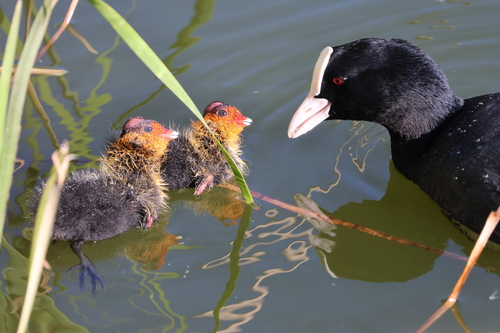
オオバン (Fulica atra) オオバン
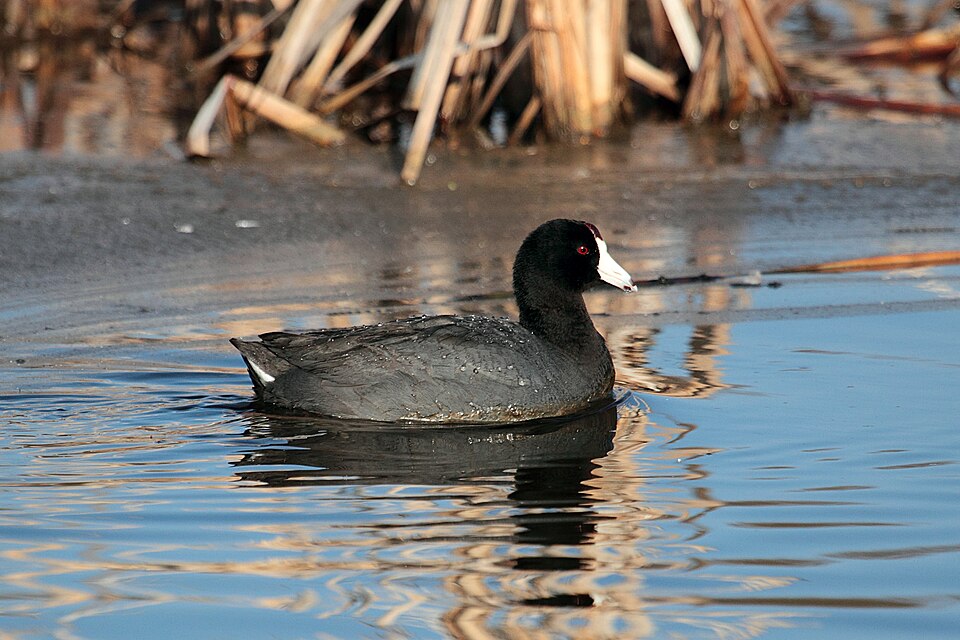
アメリカオオバン (Fulica americana) アメリカオオバン

メディア

読み込み中…

要点

オオバンとアメリカオオバンの最も信頼できるフィールドマークは、くちばしと前面のシールドの色彩です:オオバンは純白のくちばしとシールドを持ち、アメリカオオバンは通常、シールドの上部近くに赤褐色の斑点がある白いくちばしを示します。幼鳥も異なります:若いオオバンは淡い色合いで、白っぽい胸を持ち、顔のシールドが欠けていますが、幼いアメリカオオバンはオリーブブラウンの冠と灰色の体を持っています。両種はサイズと全体的な暗色が似ていますが、特に若い鳥において、くちばしのパターンや微妙な羽毛の違いに注意を払うことで、区別が可能です。構造と行動は大まかに似ていますので、最も信頼できる区別のためには頭部とくちばしに焦点を当ててください。

識別のコツ

  1. Bill and shield color (adults): オオバンは純白のくちばしと前面のシールドを持ち、アメリカオオバンは通常、シールドの上部近くに赤褐色の斑点や汚れのある白いくちばしを示します。これは近距離での最も信頼できるフィールドマークです。
  2. Juvenile plumage: 幼いオオバンは成鳥よりも淡い色合いで、白っぽい胸を持ち、顔のシールドが欠けています;幼いアメリカオオバンはオリーブブラウンの冠と灰色の体を持ち、淡い胸はありません。これは晩夏と秋の若い鳥に使用してください。
  3. Facial shield shape and extent: オオバンのシールドは広く、滑らかで、目立つ白色をしており、アメリカオオバンのものよりも大きく、きれいに見えることがよくあります。
  4. Head and body color (adults): オオバンは光沢のある黒い頭とスレートブラックの体を持ち、アメリカオオバンは暗灰色から黒っぽいですが、特に側面ではやや淡いまたは均一な灰色に見えることがよくあります。
  5. Chick appearance: オオバンのひなは黒く、頭に黄色とオレンジレッドの毛のような先端があり、明るい赤のシールドを持っています;アメリカオオバンのひなの羽毛はここでは詳しく説明されていないので、注意して使用してください。
  6. Feet and toes: 両種ともにローブ状の足を持っていますが、アメリカオオバンの足は広いローブ状の鱗があり、歩くときにそれが後ろに折り返されて見えます。これはフィールドでのオオバンとの信頼できる区別にはなりません、両者ともに似た適応を持っています。
  7. Sex differences: 両種は羽毛において性別による形態的な違いはありません;雌はやや小さいですが、これはフィールドでは役に立ちません。
  8. Size and structure: 重なりは広範囲にわたります;オオバンはやや重いことが多いですが、両者ともに中型のずんぐりした水鳥で、似たような印象を持っています。
  9. Habitat: 両者は似たような生息地を使用します;特に都市部や移動の文脈では、生息地だけに頼らないでください。
  10. Flight and wing pattern: これらの情報源では、どちらの種にも特徴的な上翼や飛行パターンの違いは説明されていません;この特徴には頼らないでください。
  11. Voice: ここでは説明されていません;これらのメモでの区別には使用しないでください。
  12. Seasonal context: オオバンはアメリカ大陸には自生しておらず、アメリカオオバンはユーラシアには自生していないため、地理的な文脈は役立ちますが、迷鳥や導入が発生することがあります。
  13. Pitfalls: 未熟な鳥が最も混同されやすいです;くちばしとシールドのパターン、幼鳥の淡い胸の有無に焦点を当ててください。全体的な暗さやサイズに頼るのは避けてください、これらは変動し重なりがあります。
  14. Urban parks: 両種は都市の湖や池に適応しています;都市の文脈を区別として使用しないでください。
  15. Group composition: 両種はアヒルや他のレールと混合群れで見られることがありますが、互いに見られることは稀な迷鳥を除いてありません。

大きさ

両種は全体的なサイズと形状が似ており、オオバンは体重が平均775g(オスは890gまで、メスは750g程度)で、アメリカオオバンは性別によって427〜848gの範囲です。オオバンは36〜38cmの長さで、翼幅は70〜80cm、一方アメリカオオバンは34〜43cmの長さで、翼幅は58〜71cmです。フィールドでは、サイズは信頼できる区別にはなりません、重なりが広範囲にわたり、両者ともに中型のずんぐりした水鳥です。

羽色

幼鳥と未熟な羽毛は、視認可能な場合に最も良い区別を提供します:幼いオオバンは全体的に淡い色合いで、白っぽい胸を持ち、成鳥の白い顔のシールドが欠けています;彼らの体は暗いですが、成鳥ほど暗くはありません。幼いアメリカオオバンはオリーブブラウンの冠と灰色の体を持ち、オオバンの淡い胸はありません、そして彼らのくちばしとシールドはあまり明確ではありませんが、成鳥のパターンの鈍いバージョンを示すことがあります。両種の成鳥は主に黒っぽいですが、オオバンは光沢のある黒い頭とスレートブラックの体を持ち、純白のくちばしとシールドを持っています。成鳥のアメリカオオバンは暗灰色から黒っぽく、通常はシールドの上部に赤褐色の斑点がある白いくちばしとシールドを持っています。シールドはオオバンの方がより広範囲で、きれいな白色です。ひなでは、オオバンは黒く、頭に黄色とオレンジレッドの毛のような先端があり、明るい赤のシールドを持っていますが、アメリカオオバンのひなの羽毛はここでは詳しく説明されていません。

行動

両種は水生で、しばしば開水域で泳ぎ、食物を求めて潜ったり水面をつついたりします。彼らの動きと姿勢は非常に似ており、両者ともに泳ぐために適応した部分的な水かきやローブ状の足を示します。両者はテリトリーや幼鳥を守るために攻撃的になることがあります。アメリカオオバンは繁殖シーズン外での大胆さが知られており、両種は都市公園や湖で見られます。行動はフィールドでの信頼できる区別にはなりません。

生息環境

生息地の重なりは広範囲にわたります:両種は淡水湖、池、湿地に見られ、しばしば葦原や水生植物と共に生息しています。オオバンはヨーロッパ、アジア、オーストラリア、ニュージーランド、北アフリカに広く分布しており、アメリカオオバンは北アメリカ全体に分布し、南カナダから南アメリカ北部で繁殖します。両者は都市部や農村部の環境でも見られ、北部の水域が凍結すると、より南部や沿岸地域で越冬することがあります。生息地だけでは診断的ではありません。

より良い説明を送る

比較と同じ項目を使ってください。文章はすぐに公開されます。

The most reliable field mark between Eurasian Coot and American Coot is the coloration of the bill and frontal shield: Eurasian Coots have a pure white bill and shield, while American Coots usually show a white bill with a reddish-brown spot near the top of the shield. Juveniles differ as well: young Eurasian Coots are paler with a whitish breast and lack the facial shield, while juvenile American Coots have olive-brown crowns and gray bodies. Both species are similar in size and overall dark color, but careful attention to bill pattern and subtle plumage differences, especially in young birds, will help separate them. Structure and behavior are broadly similar, so focus on the head and bill for the most reliable separation.

  1. Bill and shield color (adults): Eurasian Coots have a pure white bill and frontal shield, while American Coots usually show a white bill with a reddish-brown spot or smudge near the top of the shield. This is the most reliable field mark in close views.
  2. Juvenile plumage: Juvenile Eurasian Coots are paler than adults, with a whitish breast and lacking the facial shield; juvenile American Coots have an olive-brown crown and gray body, without the pale breast. Use this for young birds in late summer and autumn.
  3. Facial shield shape and extent: The Eurasian Coot's shield is broad, smooth, and strikingly white, often appearing larger and cleaner than the American Coot's, which is smaller and usually marked with a reddish-brown spot.
  4. Head and body color (adults): Eurasian Coots have a glossy black head and slaty-black body; American Coots are dark gray to blackish, but often appear slightly paler or more uniform gray, especially on the flanks.
  5. Chick appearance: Eurasian Coot chicks are black with yellow and orange-red hair-like tips on the head and a bright red shield; American Coot chick down is not described here, so use with caution.
  6. Feet and toes: Both have lobed toes, but American Coots' toes are described as having broad, lobed scales that fold back with each step, visible when walking on land. This is not a reliable separator from Eurasian Coot in the field, as both have similar adaptations.
  7. Sex differences: Both species are sexually monomorphic in plumage; females are slightly smaller, but this is not useful in the field.
  8. Size and structure: Overlap is extensive; Eurasian Coots may average slightly heavier, but both are medium-sized, chunky waterbirds with similar jizz.
  9. Habitat: Both use similar habitats; do not rely on habitat alone for separation, especially in urban or migratory contexts.
  10. Flight and wing pattern: No distinctive upperwing or flight pattern differences are described for either species in these sources; do not rely on this feature.
  11. Voice: Not described here; do not use for separation with these notes.
  12. Seasonal context: Eurasian Coots are not native to the Americas, and American Coots are not native to Eurasia, so geographic context is helpful, but vagrancy and introductions can occur.
  13. Pitfalls: Immature birds are most often confused; focus on the bill and shield pattern, and the presence or absence of a pale breast in juveniles. Avoid relying on overall darkness or size, as these are variable and overlapping.
  14. Urban parks: Both species are well-adapted to urban lakes and ponds; do not use urban context as a separator.
  15. Group composition: Both species may occur in mixed flocks with ducks or other rails, but not with each other except as rare vagrants.

Both species are similar in overall size and shape, with Eurasian Coots averaging around 775 g in body mass (males up to 890 g, females around 750 g) [wikidata], and American Coots ranging from 427–848 g depending on sex [wikipedia]. Eurasian Coots are 36–38 cm long with a 70–80 cm wingspan, while American Coots are 34–43 cm long with a 58–71 cm wingspan. In the field, size is not a reliable separator, as overlap is extensive and both are medium-sized, chunky waterbirds.

Juvenile and immature plumage provides the best separation when visible: juvenile Eurasian Coots are paler overall, with a whitish breast and lacking the adult's white facial shield; their body is dusky but not as dark as adults. Juvenile American Coots have an olive-brown crown and a gray body, not the pale breast of Eurasian Coots, and their bill and shield are less distinct but may show a duller version of the adult's pattern. Adults of both species are mostly blackish, but Eurasian Coots have a glossy black head and slaty-black body, with a pure white bill and shield. Adult American Coots are dark gray to blackish, with a white bill and shield that usually has a reddish-brown spot near the top. The shield is more extensive and cleaner white on Eurasian Coots. In chicks, Eurasian Coots are black with yellow and orange-red hair-like tips on the head and a bright red shield, while American Coot chick down is not described in detail here.

Both species are aquatic and often swim in open water, diving and dabbling for food. Their movements and posture are very similar, with both showing partial webbing or lobed toes adapted for swimming. Both can be aggressive in defense of territory and young. American Coots are noted for their boldness outside the breeding season, and both species can be found in urban parks and lakes. Behavior is not a reliable separator in the field.

Habitat overlap is extensive: both species are found on freshwater lakes, ponds, and marshes, often with reedbeds or aquatic vegetation. Eurasian Coots are widespread in Europe, Asia, Australia, New Zealand, and North Africa, while American Coots are found throughout North America, breeding from southern Canada to northern South America. Both can be found in urban and rural settings, and both may winter in more southern or coastal areas when northern waters freeze. Habitat alone is not diagnostic.

変更を破棄しますか?

保存していない編集があります。今離れると失われます。

オオバン · アメリカオオバン · 苦手な鳥