

Motmot

ズグロムシクイ 対 ニワムシクイ

Sylvia atricapilla 対 Sylvia borin

ズグロムシクイとニワムシクイのクイズ
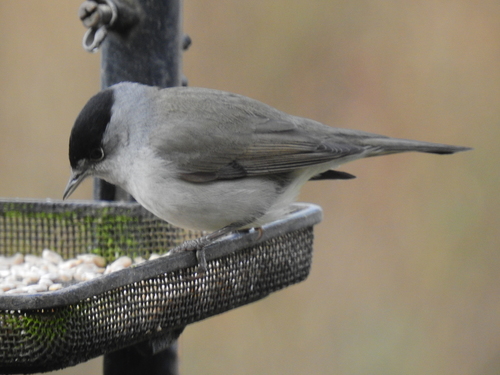
ズグロムシクイ (Sylvia atricapilla) ズグロムシクイ
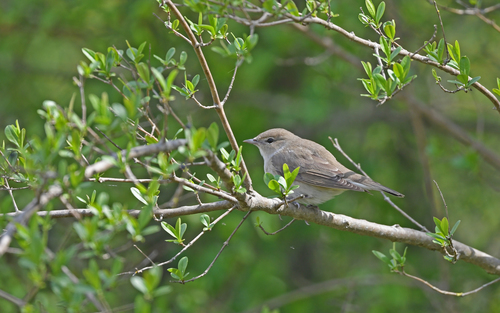
ニワムシクイ (Sylvia borin) ニワムシクイ

メディア

読み込み中…

要点

ユーラシアズグロムシクイとニワムシクイを区別するための最も信頼できるフィールドマークは、明確なキャップの存在です:オスのズグロムシクイは黒い冠を持ち、メスと幼鳥は栗色のキャップを持っていますが、ニワムシクイは常にキャップを欠き、頭が平坦に見えます。両種はサイズと形が似ていますが、ズグロムシクイの対照的な頭の模様とやや灰色がかった羽毛は、ニワムシクイの均一で地味な茶色の外観に対して際立っています。幼鳥とメスのズグロムシクイはニワムシクイと混同されることがありますが、微妙なキャップは注意深い観察で通常は確認できます。すべての年齢と季節において、ニワムシクイは特徴がなく、頭の模様が欠けているため、より目立たない印象を与えます。構造と行動は似ているため、信頼できる識別のためには頭の模様と全体の色調に注目してください。

識別のコツ

  1. キャップの存在が重要です: 常に頭の上のキャップを探してください。ズグロムシクイのオスは黒いキャップを持ち、メスと幼鳥は栗色のキャップを持っています。ニワムシクイは決してキャップを示さず、その頭は他の上面と均一で平坦です。
  2. キャップの色と年齢: 幼鳥のズグロムシクイ(両性)は茶色がかったキャップを持ち、若いオスはより暗くなります。新鮮な幼鳥の羽毛でも、キャップはよく見れば確認できます。
  3. ニワムシクイの均一性: ニワムシクイは上面が地味な茶色で、下面は鈍い白色で、頭の模様はありません。その顔は淡いアイリングと時々弱いスーパシリウムを除いて特徴がなく、見えにくいことがあります。
  4. 上面の色: ズグロムシクイは特に成鳥ではオリーブグレーですが、ニワムシクイはよりオリーブブラウンです。この違いは微妙で、良い光の中で使うのが最適です。
  5. 下面: ズグロムシクイの下面は淡い灰色で、顎、喉、上胸部は銀白色になります。ニワムシクイの下面は鈍い白色で、喉と側面にはバフ色の洗いがかかっています。
  6. 尾と翼: 両種は長めの尾と翼を持っていますが、どちらにも特有の翼や尾の模様は見られないため、これらは区別には信頼できません。
  7. くちばしと足: 両方とも灰色がかったくちばしと足を持っていますが、ニワムシクイのくちばしは強く二色(上は灰色、下は淡い色)と説明され、足は青灰色です。これらは微妙な違いであり、通常は遠くからは診断的ではありません。
  8. 目の色: ズグロムシクイは赤褐色の虹彩を持ち、ニワムシクイの目は黒です。これはフィールドではめったに見えません。
  9. 性差: ズグロムシクイのみがキャップにおいて性差を示し、ニワムシクイの性は同一です。
  10. 幼鳥の混乱: 幼鳥のズグロムシクイはよりオリーブ色で対照が少なく見えることがありますが、キャップは依然として存在します。幼鳥のニワムシクイは成鳥よりもさらに地味で、上面は淡く、下面はバフ色ですが、依然としてキャップはありません。
  11. 歌の類似性: 歌に頼る場合は注意してください—両種は似たような声を持ち、歌だけでは安全に区別できません。
  12. 生息地の文脈: 真の庭や都市公園にいる場合、ズグロムシクイの方が可能性が高いです;ニワムシクイはより野生で密な森林や低木を好みます。
  13. 行動: 両方とも密なカバーの中で隠れていますが、冠羽を立てている鳥を見た場合、それはズグロムシクイのオスである可能性が高いです。
  14. 疑わしい場合: 鳥が本当に特徴がなく、平坦な茶色で頭の模様がない場合は、ニワムシクイを疑ってください。キャップの兆候があれば、たとえ微弱でもズグロムシクイを考慮してください。
  15. 季節: 両種は同じ時期に換羽を行い、羽毛の摩耗は信頼できる区別にはなりません。年間を通じて構造と頭の模様の違いに注目してください。

大きさ

両種はサイズと質量が非常に似ており、ユーラシアズグロムシクイは体重が約18.1gで、ニワムシクイは通常16〜22gの範囲です。ズグロムシクイは約13cmの長さで、翼は7〜8cmですが、ニワムシクイはわずかに長く14cmで、翼は7.6〜8.4cmです。フィールドでは、これらの違いは微妙であり、通常は診断的ではありません。両方とも小さく、細身のムシクイで、長めの翼と尾を持っています。

羽色

幼鳥と成鳥のズグロムシクイは、その明確なキャップによって最もよく認識されます:成鳥のオスは黒、メスと幼鳥は栗色のキャップを持っています(ただし、若いオスはより暗い茶色のキャップを示すことがあります)。このキャップは常に明確に定義されており、他のオリーブグレーの上面と淡い灰色の下面と対照を成します。幼鳥のズグロムシクイは上面に赤褐色の色合いを示すことがあり、胸や側面はよりオリーブ色ですが、キャップは依然として重要な特徴です。ニワムシクイは年齢や性別に関係なく地味で、キャップや頭の模様がありません。上面はストライプのないオリーブブラウンで、下面は鈍い白色で喉と側面にバフ色の洗いがかかり、顔は均一に平坦で淡いアイリングと時々弱いスーパシリウムのみがあります。幼鳥のニワムシクイはさらに地味で、上面は淡く灰色がかり、下面はバフ色ですが、依然としてキャップはありません。すべての年齢において、ニワムシクイの頭の模様の欠如と全体の均一性は、ズグロムシクイと比較した際に特徴的です。

行動

両種は似たように行動し、密な葉の中で餌を探し、しばしば隠れています。彼らは活発で、低木や低木の間を移動し、両方ともカバーの間を飛び回る姿が見られます。フィールドでのディスプレイ行動は通常診断的ではありません。ズグロムシクイのオスは時折、ディスプレイのために冠羽を立てることがあり、キャップがさらに明らかになります。

生息環境

両種はヨーロッパと西アジアの広範な森林や低木の生息地で繁殖します。ズグロムシクイは一般的で広範囲に分布しており、ニワムシクイも同様ですが、後者はその名前にもかかわらず庭で見つかる可能性は低いです。両方とも巣作りのために密な低いカバーのある地域を好みます。生息地だけでは信頼できる区別にはなりませんが、ニワムシクイはズグロムシクイに比べて都市や庭の環境では見つかりにくいです。

声

両種は豊かでメロディックな歌を持ち、非常に似ており、特に初心者には耳で区別するのが難しいです。ズグロムシクイの歌はやや多様でフルートのようですが、ニワムシクイの歌は連続的で泡立つようなワーブルです。提供されたメモでは呼び声の詳細は説明されていないため、この文脈では声は区別のための主要なフィールドマークではありません。

より良い説明を送る

比較と同じ項目を使ってください。文章はすぐに公開されます。

The most reliable field mark for separating Eurasian Blackcap from Garden Warbler is the presence of a distinct cap: male Blackcaps have a black crown, females and juveniles a chestnut-brown cap, while Garden Warblers always lack any cap and appear plain-headed. Both species are similar in size and shape, but the Blackcap's contrasting head pattern and slightly greyer plumage stand out against the Garden Warbler's uniform, plain brown look. Juvenile and female Blackcaps can be confused with Garden Warblers, but the subtle cap is usually visible with careful observation. In all ages and seasons, the Garden Warbler is notably featureless and lacks any head markings, making it look more nondescript. Structure and behavior are similar, so focus on head pattern and overall color tone for reliable ID.

  1. Cap presence is key: Always look for a cap on the head. Blackcap males have a black cap, females and juveniles a chestnut-brown cap. Garden Warbler never shows any cap—its head is plain and uniform with the rest of the upperparts.
  2. Cap color and age: Juvenile Blackcaps (both sexes) have a brownish cap, with young males tending darker. Even in fresh juvenile plumage, the cap is visible if seen well.
  3. Uniformity of Garden Warbler: Garden Warbler is plain brown above and dull white below, with no head markings. Its face is featureless except for a faint eyering and sometimes a weak supercilium, which can be hard to see.
  4. Upperparts color: Blackcap is olive-grey above, especially in adults, while Garden Warbler is more olive-brown. This difference is subtle and best used in good light.
  5. Underparts: Blackcap's underparts are pale grey, becoming silvery white on chin, throat, and upper breast. Garden Warbler's underparts are dull white with a buff wash to throat and flanks.
  6. Tail and wing: Both species have longish tails and wings, but no distinctive wing or tail pattern is noted for either, so these are not reliable for separation.
  7. Bill and legs: Both have greyish bills and legs, though Garden Warbler's bill is described as strong and bicolored (grey above, paler below), and legs bluish-grey. These are subtle differences and not usually diagnostic at a distance.
  8. Eye color: Blackcap has a reddish-brown iris, while Garden Warbler's eye is black. This is rarely visible in the field.
  9. Sex differences: Only Blackcap shows sexual dimorphism in the cap; Garden Warbler sexes are identical.
  10. Juvenile confusion: Juvenile Blackcaps may look more olive and less contrasting, but the cap is still present. Juvenile Garden Warblers are even plainer than adults, with paler upperparts and buffier underparts, but still lack any cap.
  11. Song similarity: If relying on song, be cautious—both species sound similar, and song alone is not safe for separation unless you are very familiar with both.
  12. Habitat context: If in a true garden or urban park, Blackcap is more likely; Garden Warbler prefers wilder, denser woodland or scrub.
  13. Behavior: Both skulk in dense cover, but if you see a bird displaying by raising its crown feathers, it's likely a Blackcap male.
  14. When in doubt: If the bird is truly featureless and plain brown with no head markings, suspect Garden Warbler. If any suggestion of a cap, even faint, consider Blackcap.
  15. Season: Both species undergo moults at similar times; plumage wear is not a reliable separator. Focus on structural and head pattern differences year-round.

Both species are very similar in size and mass, with the Eurasian Blackcap averaging about 18.1 g in body mass [wikidata], and the Garden Warbler typically ranging from 16–22 g. Blackcap is about 13 cm in length with a 7–8 cm wing, while Garden Warbler is slightly longer at 14 cm with a 7.6–8.4 cm wing. In the field, these differences are subtle and not usually diagnostic. Both are small, slim warblers with longish wings and tails.

Juvenile and adult Blackcaps are best recognized by their distinct cap: black in adult males, chestnut-brown in females and juveniles (though young males may show a darker brown cap). This cap is always sharply defined and contrasts with the otherwise olive-grey upperparts and pale grey underparts. Juvenile Blackcaps may show a rufous tinge to the upperparts and more olive on the breast/flanks, but the cap remains a key feature. Garden Warblers, regardless of age or sex, are plain and lack any cap or head markings. Their upperparts are unstreaked olive-brown, underparts dull white with a buff wash to throat and flanks, and the face is uniformly plain with only a faint pale eyering and sometimes a weak supercilium. Juvenile Garden Warblers are even plainer, with paler, greyer upperparts and a buffier tone below, but still no cap. In all ages, the Garden Warbler's lack of head pattern and overall uniformity are distinctive when compared to any Blackcap.

Both species behave similarly, foraging in dense foliage and often remaining hidden. They are active, moving through shrubs and low trees, and both can be seen flitting between cover. Display behaviors are not typically diagnostic in the field. Blackcap males may occasionally raise their crown feathers in display, making the cap even more obvious.

Both species breed in a wide range of woodland and scrubby habitats across Europe and western Asia. The Blackcap is common and widespread, as is the Garden Warbler, though the latter is less likely to be found in gardens despite its name. Both prefer areas with dense low cover for nesting. Habitat alone is not a reliable separator, but Garden Warbler is less likely in urban or garden settings compared to Blackcap.

Both species have rich, melodic songs that are quite similar and can be difficult to separate by ear, especially for beginners. The Blackcap's song is slightly more varied and flutey, while the Garden Warbler's is a continuous, bubbling warble. Calls are not described in detail in the provided notes, so voice is not a primary field mark for separation in this context.

変更を破棄しますか?

保存していない編集があります。今離れると失われます。

ズグロムシクイ · ニワムシクイ · 苦手な鳥