

Motmot

メスボシアリドリ 対 ゼレドナリドリ

Sipia laemosticta 対 Hafferia zeledoni

メスボシアリドリとゼレドナリドリのクイズ
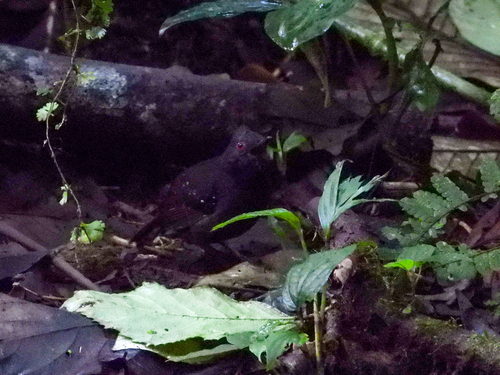
メスボシアリドリ (Sipia laemosticta) メスボシアリドリ
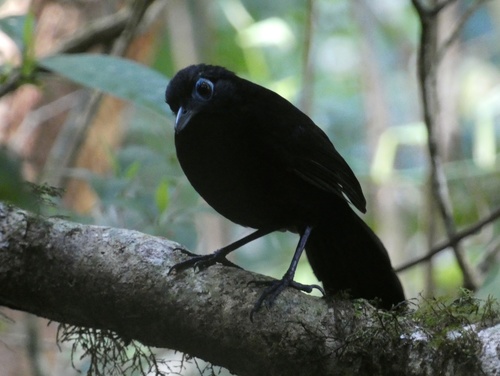
ゼレドナリドリ (Hafferia zeledoni) ゼレドナリドリ

メディア

読み込み中…

要点

最も信頼できるフィールドマークは全体のサイズと構造です:ゼレドナリドリはメスボシアリドリよりもはるかに大きく、ずんぐりとした体型で、明らかに重い体格と目立つ淡い青のアイリングがあります。成鳥のオスの羽毛も強い区別要因です—ゼレドナの羽毛はほぼ全体が黒(青いアイリング付き)ですが、メスボシはスレートブラックの頭を持ち、豊かな赤褐色の上面と側面を示します。雌はより難しいです:両者は茶色がかっていますが、ゼレドナは下側がより淡く、メスボシの黒と白の喉の模様がありません。両種の未熟なオスは雌に似ているため、サイズと青いアイリングが特に重要です。両種は分布域と生息地が重なっているため、これらの特徴に注意を払うことが不可欠です。

識別のコツ

  1. サイズと体重は最も一貫したフィールドマークです: ゼレドナリドリはメスボシアリドリよりもはるかに大きく、重いです。もし鳥が著しくずんぐりしているか、大きな頭を持っているように見える場合は、特に直接比較の際にゼレドナを疑ってください。
  2. 淡い青のアイリング(ゼレドナのみ): ゼレドナリドリの両性とすべての年齢は、目の周りに広い淡い青のリングを示しますが、メスボシにはありません。これは、悪い光や距離でもしばしば見えます。
  3. 成鳥のオスの羽毛: ゼレドナのオスはほぼ全体が黒ですが、メスボシのオスはスレートブラックの頭と上部の羽毛を持ち、豊かな赤褐色または栗色の上面と側面を持っています。メスボシの頭と背中/側面のコントラストを探してください。
  4. 雌と未熟な羽毛: メスボシの雌は多くの白い斑点やバーのある黒い喉を持っていますが、ゼレドナの雌は上面が単純な暗褐色で下側がより淡く、黒い顔とロアを持ち、喉の斑点がありません。両種の未熟なオスは雌に似ているため、サイズとアイリングを使用してください。
  5. 翼の覆い羽のマーキング: メスボシはシナモン/ルフスの先端を持つ暗赤褐色の大覆い羽と、白い先端を持つ黒い中覆い羽/小覆い羽を持っています(雌ではシナモンがかっています);ゼレドナは通常隠れている変動する白を翼の覆い羽に持ち、これはH. z. berlepschi亜種でより広範囲です。
  6. 虹彩の色: 両種は赤い虹彩を持っていますが、ゼレドナのみが青いアイリングを持っています。
  7. くちばしの色: メスボシのオスは黒いくちばしを持ち、雌は黒い上顎と灰色の下顎を持っています。ゼレドナのくちばしの色は診断的とは記述されていません。
  8. 尾の行動: メスボシはしばしば尾を力強く下に打ち下ろし、ゆっくりと持ち上げますが、ゼレドナは餌を探す間に尾を上下に動かします。微妙ですが、長時間の観察に役立つかもしれません。
  9. アーミーアントの群れ: ゼレドナはアーミーアントの群れでより大きなグループで見られる可能性が高いですが、メスボシは通常孤立しているか、ペアや家族グループで見られます。
  10. 鳴き声: もし急速に発せられる、大きく、わずかに下降する明確な口笛の音の連続を聞いたら、それはゼレドナです。メスボシの歌はここでは記述されていないため、この歌がないことは診断的ではありません。
  11. 隠れた肩羽の斑点: メスボシは肩羽の間に隠れた白い斑点を示すことがありますが、ゼレドナは示しません。
  12. 下側の色: メスボシは赤褐色の側面を持つ暗灰色/スレートの下側を持っていますが、ゼレドナの雌は下側がより淡い茶色で、オスは全体が黒です。
  13. 地理的範囲: 重なり合うゾーンの外にいる場合のみ範囲を使用してください(例:エクアドルやニカラグアのゼレドナ);そうでなければ、役に立ちません。
  14. 生息地: 両種は類似の密な森林の下草を使用します;分離のために生息地に頼らないでください。
  15. 混合群れ: 両者は混合種の群れに参加することはまれであるため、これは分離には役立ちません。

大きさ

ゼレドナリドリはかなり大きく、重く、全長17〜20 cm、体重40〜56 g(平均48 g)[wikidata]であるのに対し、メスボシアリドリは12.5〜15 cmで約25 gとかなり小さいです [wikipedia]。フィールドでは、ゼレドナはずんぐりしていて、より頑丈に見え、頭と体が大きいです。このサイズの違いは、特に両種がすぐに続けて見られるか、近くにいる場合には、距離があっても明らかです。

羽色

幼鳥と未熟な個体:両種の未熟なオスは成鳥の雌に似ているため、性に基づく羽毛の手がかりは若い鳥では信頼できません。メスボシの若いオスは頭に茶色の洗いがかかり、喉に淡いバフの斑点があり、成鳥の黒い下側が欠けています。ゼレドナの未熟なオスは成鳥の雌のように見え—上面は暗褐色、下側はより淡く、黒い顔とロアを持っています。

成鳥のオス:メスボシアリドリのオスは黒灰色からスレートブラックの頭、首、上部の羽毛を持っていますが、残りの上面と側面は暗赤褐色から栗色で、通常は隠れた白い肩羽の斑点があります。喉と顎は黒で、下側は暗灰色からスレートです。ゼレドナリドリのオスはほぼ全体が黒で、翼の覆い羽に変動する通常は隠れた白を持ち、目立つ淡い青のアイリングがあります。

成鳥の雌:メスボシの雌はオスに似ていますが、黒灰色が少なく、肩羽の斑点が小さく、シナモンがかかった中覆い羽と多くの白い斑点やバーのある黒い喉を持っています。ゼレドナの雌は上面が暗褐色で、下側がより淡く明るい茶色で、黒い顔とロアを持ち、斑点のある喉がありません。ゼレドナの両性は淡い青のアイリングと深い赤の虹彩を持っていますが、メスボシは赤い虹彩を持っていますが青いアイリングはありません。

行動

両種は密な植生の中で餌を探し、主に地面の上または近くで行動し、両者はアーミーアントの群れを追うことがあります。ゼレドナリドリはアーミーアントの群れでより大きなグループ(時には10羽以上)で見られる可能性が高いですが、メスボシはより孤立しているか、小さな家族グループで見られ、群れに参加するのはごくまれです。両種は餌を探す間に尾を上下に動かしますが、メスボシは尾を力強く下に打ち下ろし、ゆっくりと持ち上げると記述されていますが、ゼレドナは餌を探す間に跳ねながら尾を上下に動かします。両種は混合種の群れに参加することはまれです。

生息環境

両種は中南米の湿った森林の下草に生息し、コロンビア、コスタリカ、パナマで分布域が重なっています。生息地は信頼できる区別要因ではありません:両者は密で低い植生に見られ、しばしば地面から1メートル以内にいます。ゼレドナの分布域はエクアドルやニカラグアまで南に広がっていますが、これは重なり合うゾーン内でのフィールド分離には役立ちません。

声

ゼレドナリドリは独特の歌を持っています:急速に発せられる、大きく、わずかに下降する明確な口笛の音の連続(「ピアー・ピアー・ピアー・ピアー・ピアー・ピアー・ピアー・ピアー」)で、最後に遅くなります。両性は爆発的な「チーク!」の呼び声と速い叱責の「ジー・ジー・ジット」を発します。メスボシアリドリの鳴き声は提供されたメモに記述されていないため、ゼレドナの独特の口笛の連続が聞かれた場合のみ、歌は信頼できる区別要因です。

より良い説明を送る

比較と同じ項目を使ってください。文章はすぐに公開されます。

The most reliable field mark is overall size and structure: Zeledon's Antbird is much larger and bulkier than Dull-mantled Antbird, with a noticeably heavier build and a prominent pale blue eye-ring. Adult male plumage is also a strong separator—Zeledon's is nearly all black (with a blue eye-ring), while Dull-mantled shows a slate-black head but rich reddish-brown upperparts and flanks. Females are trickier: both are brownish, but Zeledon's is paler below and lacks the black-and-white throat pattern of Dull-mantled. Immature males of both species resemble females, so size and the blue eye-ring are especially important. Both species overlap in range and habitat, so careful attention to these features is essential.

  1. Size and bulk are the most consistent field marks: Zeledon's Antbird is much larger and heavier than Dull-mantled; if the bird appears notably bulky or large-headed, suspect Zeledon's, especially in direct comparison.
  2. Pale blue eye-ring (Zeledon's only): Both sexes and all ages of Zeledon's Antbird show a wide, pale blue ring around the eye, which is absent in Dull-mantled. This is often visible even in poor light or at a distance.
  3. Adult male plumage: Zeledon's males are almost entirely black, while Dull-mantled males have a slate-black head and upper mantle but rich reddish brown or chestnut upperparts and flanks. Look for contrast between the head and back/flanks in Dull-mantled.
  4. Female and immature plumage: Dull-mantled females have a black throat with many white spots or bars, while Zeledon's females are plain dark brown above and paler below, with a black face and lores but no throat spotting. Immature males of both species resemble females, so use size and eye-ring.
  5. Wing covert markings: Dull-mantled has dark reddish brown greater coverts with cinnamon/rufous tips, and black median/lesser coverts with white tips (cinnamon-tinged in females); Zeledon's has variable white on the wing coverts, usually hidden, and this is more extensive in the H. z. berlepschi subspecies.
  6. Iris color: Both species have a red iris, but only Zeledon's has the blue eye-ring.
  7. Bill color: Dull-mantled males have a black bill; females have a black maxilla and gray mandible. Zeledon's bill color is not described as diagnostic.
  8. Tail behavior: Dull-mantled often beats its tail down forcefully and slowly raises it; Zeledon's pumps its tail while hopping between feeding stops. Subtle, but may help with prolonged views.
  9. Army ant swarms: Zeledon's is more likely to be seen in larger groups at ant swarms, while Dull-mantled is usually solitary or in pairs/family groups.
  10. Vocalizations: If you hear a rapidly delivered, loud, slightly descending series of clear whistled notes, it's Zeledon's. Dull-mantled's song is not described here, so absence of this song is not diagnostic.
  11. Hidden scapular patch: Dull-mantled may show a hidden white patch between the scapulars; Zeledon's does not.
  12. Underparts color: Dull-mantled has dark gray/slate underparts with reddish brown sides/flanks; Zeledon's female is paler brown below, male is all black.
  13. Geographic range: Only use range if outside the overlap zone (e.g., Zeledon's in Ecuador or Nicaragua); otherwise, not helpful.
  14. Habitat: Both species use similar dense forest undergrowth; do not rely on habitat for separation.
  15. Mixed flocks: Both rarely join mixed-species flocks, so this is not useful for separation.

Zeledon's Antbird is significantly larger and heavier, measuring 17–20 cm in length and weighing 40–56 g (average 48 g) [wikidata], while Dull-mantled Antbird is much smaller at 12.5–15 cm and about 25 g [wikipedia]. In the field, Zeledon's appears bulkier and more robust, with a larger head and body. This size difference is often apparent even at a distance, especially if both species are seen in quick succession or near each other.

Juveniles and immatures: Both species' immature males resemble adult females, so sex-based plumage cues are unreliable in young birds. Dull-mantled young males have a brown wash on the head and faint buff mottling on the throat, lacking the adult's black underparts. Zeledon's immature males look like adult females—dark brown above, paler below, with black face and lores.

Adult males: Dull-mantled Antbird males have a blackish gray to slate-black head, neck, and upper mantle, but the rest of the upperparts and flanks are dark reddish brown to chestnut, with a usually hidden white scapular patch. The throat and chin are black, and the underparts are dark gray to slate. Zeledon's Antbird males are almost entirely black, with variable and usually hidden white on the wing coverts, and a striking pale blue eye-ring.

Adult females: Dull-mantled females are similar to males but with less blackish gray, a smaller interscapular patch, cinnamon-tinged median coverts, and a black throat with many white spots or bars. Zeledon's females are dark brown above, paler and brighter brown below, with a black face and lores, and lack the spotted throat. Both sexes of Zeledon's have a pale blue eye-ring and deep red iris, while Dull-mantled has a red iris but no blue eye-ring.

Both species forage in dense vegetation, mostly on or near the ground, and both may follow army ant swarms. Zeledon's Antbird is more likely to be seen at ant swarms in larger groups (sometimes 10+ individuals), while Dull-mantled is more solitary or in small family groups and only occasionally attends swarms. Both species pump their tails while foraging, but Dull-mantled is described as beating its tail down forcefully and slowly raising it, whereas Zeledon's hops between feeding stops and pumps its tail. Both species rarely join mixed-species flocks.

Both species occur in humid forest undergrowth in Central and northern South America, and their ranges overlap in Colombia, Costa Rica, and Panama. Habitat is not a reliable separator: both are found in dense, low vegetation, often within 1 meter of the ground. Zeledon's range extends further south into Ecuador and Nicaragua, but this is not useful for field separation within the overlap zone.

Zeledon's Antbird has a distinctive song: a rapidly delivered, loud, slightly descending series of clear whistled notes ('peer-peer-peer-peer-peer-peer-peer-peer'), slowing at the end. Both sexes give an explosive 'cheek!' call and a fast scolding 'jee-jee-jit.' Dull-mantled Antbird's vocalizations are not described in the provided notes, so song is only a reliable separator if Zeledon's distinctive whistled series is heard.

変更を破棄しますか?

保存していない編集があります。今離れると失われます。

メスボシアリドリ · ゼレドナリドリ · 苦手な鳥