

Motmot

サバクヒタキ 対 ニシカオグロサバクヒタキ

Oenanthe deserti 対 Oenanthe hispanica

サバクヒタキとニシカオグロサバクヒタキのクイズ
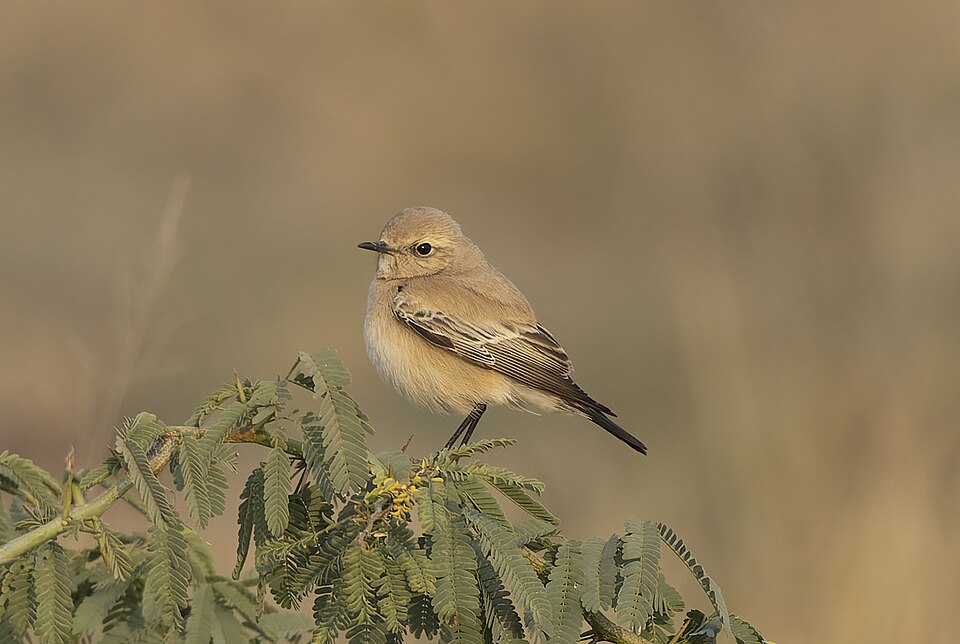
サバクヒタキ (Oenanthe deserti) サバクヒタキ
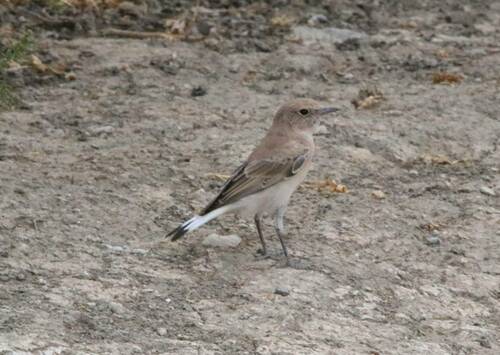
ニシカオグロサバクヒタキ (Oenanthe hispanica) ニシカオグロサバクヒタキ

メディア

読み込み中…

要点

サバクヒタキとニシカオグロサバクヒタキの最も信頼できるフィールドマークは尾のパターンです:すべての年齢と性別のサバクヒタキは、上尾羽覆いのレベルまで完全に黒い尾を示しますが、ニシカオグロサバクヒタキは中央の2羽の羽だけが暗い、主に白い尾を持っています。止まっているときや飛んでいるときの視点では、この違いはしばしば決定的です。成鳥のオスのサバクヒタキは、喉や時には肩に広範囲の黒を示しますが、ニシカオグロサバクヒタキのオスは黒いマスクを持っていますが、喉は白か、またはそれほど広範囲ではない黒です。雌や幼鳥はより難しいですが、尾のパターンは最良の区別点です。両種はサイズと一般的な構造が似ているため、自信を持って識別するためには尾と顔/喉のパターンに注目してください。

識別のコツ

  1. 尾のパターンが鍵:サバクヒタキは常に上尾羽覆いまで黒い尾を示し、羽の基部だけが白です;ニシカオグロサバクヒタキは主に白い尾を持ち、中央の2羽の羽だけが暗いです。これはすべての年齢と性別に対して機能します、止まっているときでも飛んでいるときでも。
  2. 成鳥のオスの喉と顔:繁殖期のオスのサバクヒタキは広範囲の黒い喉と顔を持ち、時には肩にまで広がり、明確な淡い眉斑があります。ニシカオグロサバクヒタキのオスはくちばしから耳覆いまで黒いマスクを持っていますが、喉は黒か白かもしれません;黒いマスクはくちばしの上には広がらず、黒はサバクヒタキよりも広範囲ではありません。
  3. 雌と幼鳥の混同:雌のサバクヒタキは上が灰色で下がバッファーで、喉に黒がありません;雌のニシカオグロサバクヒタキは全体的に暖かい茶色で、白い下背と尾を持っています。尾のパターンは雌と幼鳥の最良のマークです。
  4. 幼鳥の羽毛:幼鳥のサバクヒタキは淡い中心と茶色の先端の羽毛のために上が斑点状です;ニシカオグロサバクヒタキの幼鳥はあまり明確にパターン化されていませんが、常に白い尾の基部を示します。
  5. 眉斑:サバクヒタキ(特にオス)は明確な淡いバッファーの眉斑を示します;ニシカオグロサバクヒタキはあまり目立たない眉斑を持ち、オスでは黒いマスクに圧倒されることがよくあります。
  6. 上面の色:サバクヒタキのオスは上が砂灰色からバッファーです;ニシカオグロサバクヒタキのオスは白またはほぼ白の冠と額を持ち、バッファーのマントルがあります。両方の雌は鈍いですが、ニシカオグロサバクヒタキは暖かい茶色です。
  7. 下面:両種はバッファーがかかった白い下面を持っていますが、サバクヒタキの胸と側面はより砂色のバッファーで、ニシカオグロサバクヒタキはバッファーの色合いを持つより白いです。
  8. 季節の変化:冬には、オスのサバクヒタキの黒い喉は白い羽毛の先端によって部分的に隠され、喉があまり暗く見えません。ニシカオグロサバクヒタキのオスは秋と冬に頭、マントル、下面がよりバッファーになり、喉は黒喉でない限りバッファーです。
  9. 飛行中の尾:飛行中、サバクヒタキは狭い白い基部を持つ主に黒い尾を示します;ニシカオグロサバクヒタキは中央の羽だけが暗い主に白い尾を見せます。これは飛行中に二つを分ける最も早い方法です。
  10. 生息地の文脈:サバクヒタキは真の砂漠または半砂漠で期待されます;ニシカオグロサバクヒタキは地中海の低木、岩の斜面、農地に見られます。範囲外では、羽毛を使用し、生息地ではありません。
  11. くちばし、脚、虹彩:両種は黒いくちばしと脚、暗い目を持っています;これらは分離に役立ちません。
  12. 翼のパターン:フィールドで診断的な特徴を持つ特異な翼のパネルや上翼のパターンは、どちらの種にも記載されていません。
  13. サイズと構造:両方はサイズと構造が似ています;サイズに頼って分離しないでください。
  14. 声:提供された情報源には特異な声の違いは記載されていません;声を分離に使用しないでください。
  15. 落とし穴:特に春には、擦り切れたまたは摩耗した羽毛に注意してください。これにより、いくつかの色の違いが隠れる可能性があります;常に尾のパターンを確認してください。これは最も一貫したマークです。

大きさ

両種は小型で、直立したサバクヒタキで、似たような比率を持っています。サバクヒタキは14.5〜15 cmの長さで、ニシカオグロサバクヒタキは比較可能で、フィールドで明らかに大きくも小さくもありません。体重は重なり合います(サバクヒタキ15〜34 g)、くちばしや翼の長さにおいて信頼できる構造的な違いは記載されていません。サイズはこれら二つの間で有用な分離要因ではありません。

羽色

尾のパターンはすべての年齢で最も診断的な特徴です:サバクヒタキは常に尾が先端から上尾羽覆いまで黒で、羽毛の基部の三分の一だけが白です;ニシカオグロサバクヒタキは主に白い尾を持ち、中央の2羽の羽だけが暗く、白はしばしば外側の羽の先端まで伸びます。成鳥のオスのサバクヒタキは淡い砂灰色の頭と後頭部、バッファーの背中、そして特徴的な黒い喉と顔(繁殖羽毛の時期に)を持ち、時には肩にまで広がり、明確な淡い眉斑があります。ニシカオグロサバクヒタキのオスは白またはほぼ白の冠と額、バッファーのマントル、そしてくちばしから耳覆いまでの黒いマスクを持っていますが、喉は黒か白かもしれません;黒いマスクはくちばしの上には広がりません。両方の雌は鈍いです:サバクヒタキの雌は上が灰色で、下がバッファーで、喉に黒がありません;ニシカオグロサバクヒタキの雌は全体的に暖かい茶色ですが、常に白い下背と尾を示します。幼鳥のサバクヒタキは淡い中心と茶色の先端の羽毛のために上が斑点状ですが、ニシカオグロサバクヒタキの幼鳥はあまり明確にマークされていませんが、白い尾の基部は示します。すべての羽毛において、サバクヒタキの尾はより広範囲に黒く、ニシカオグロサバクヒタキの尾はより広範囲に白いです。

行動

両種は露出した岩、低木、または草の上に直立して止まり、昆虫のために地面に飛び降ります。サバクヒタキは時々短時間ホバリングすることがあり、最も目立つ利用可能な場所に止まることが知られています。ニシカオグロサバクヒタキも同様に行動しますが、ノートには強い行動の違いはありません。両方は典型的な開けた国のサバクヒタキであるため、行動は信頼できる分離要因ではありません。

生息環境

サバクヒタキは乾燥した、開けた、砂または石の半砂漠と砂漠の生息地を好み、しばしばまばらな植生があります。ニシカオグロサバクヒタキも開けた国に見られますが、真の砂漠ではなく、地中海の低木、岩の斜面、農地に典型的です。真の砂漠で見られた場合、サバクヒタキの方がはるかに可能性が高いです;地中海または農業の風景では、ニシカオグロサバクヒタキが期待されます。しかし、両方はコア範囲外で迷子として現れることがあります。

より良い説明を送る

比較と同じ項目を使ってください。文章はすぐに公開されます。

The most reliable field mark between Desert Wheatear and Western Black-eared Wheatear is the tail pattern: Desert Wheatear of all ages and sexes shows a tail that is entirely black up to the level of the upper tail-coverts, while Western Black-eared Wheatear has a mostly white tail with only the central pair of feathers dark. In perched or flight views, this difference is often decisive. Adult male Desert Wheatear also shows extensive black on the throat and sometimes shoulders, while Western Black-eared Wheatear males have a black mask but either a white or less extensive black throat. Females and immatures are trickier, but the tail pattern remains the best separator. Both species are similar in size and general structure, so focus on tail and face/throat pattern for confident identification.

  1. Tail pattern is key: Desert Wheatear always shows a tail that is black right up to the upper tail-coverts, with only the base of the feathers white; Western Black-eared Wheatear has a mostly white tail with only the central pair of feathers dark. This works for all ages and sexes, perched or in flight.
  2. Adult male throat and face: Breeding male Desert Wheatear has an extensive black throat and face, sometimes extending onto the shoulders, with a clear pale supercilium. Western Black-eared Wheatear males have a black mask from bill to ear coverts, but the throat may be black or white; the black mask does not extend above the bill, and the black is less extensive than in Desert Wheatear.
  3. Female and immature confusion: Female Desert Wheatear is greyer above and buffer below, with no black on the throat; female Western Black-eared Wheatear is warmer brown overall and has a white lower back and tail. Tail pattern remains the best mark for females and immatures.
  4. Juvenile plumage: Juvenile Desert Wheatear is speckled above due to pale-centered, brown-tipped feathers; Western Black-eared Wheatear juveniles are less distinctly patterned but always show the white tail base.
  5. Supercilium: Desert Wheatear (especially males) shows a distinct pale buff supercilium; Western Black-eared Wheatear has a less prominent supercilium, often overwhelmed by the black mask in males.
  6. Upperparts color: Desert Wheatear males are sandy-grey to buff above; Western Black-eared Wheatear males have a white or nearly white crown and forehead, with a buff mantle. Females of both are duller, but Western Black-eared Wheatear is warmer brown.
  7. Underparts: Both species have white underparts tinged with buff, but Desert Wheatear's breast and flanks are more sandy-buff, while Western Black-eared Wheatear is whiter with a buff tinge.
  8. Seasonal changes: In winter, male Desert Wheatear's black throat is partially obscured by white feather tips, making the throat appear less dark. Western Black-eared Wheatear males become more buff on the head, mantle, and underparts in autumn and winter, and the throat is buff unless black-throated.
  9. Tail in flight: In flight, Desert Wheatear shows a mostly black tail with a narrow white base; Western Black-eared Wheatear flashes a mostly white tail with only the central feathers dark. This is the fastest way to separate the two in flight.
  10. Habitat context: Desert Wheatear is expected in true desert or semi-desert; Western Black-eared Wheatear is found in Mediterranean scrub, rocky slopes, and fields. Out of range, use plumage not habitat.
  11. Bill, legs, and iris: Both species have black bills and legs and dark eyes; these are not useful for separation.
  12. Wing pattern: No distinctive wing panel or upperwing pattern is described for either species that is diagnostic in the field.
  13. Size and structure: Both are similar in size and structure; do not rely on size for separation.
  14. Voice: No distinctive vocal differences are noted in the sources provided; do not use voice for separation.
  15. Pitfalls: Beware of abraded or worn plumage, especially in spring, which can obscure some color differences; always check the tail pattern as it is the most consistent mark.

Both species are small, upright wheatears with similar proportions. Desert Wheatear is 14.5–15 cm in length, while Western Black-eared Wheatear is comparable and not noticeably larger or smaller in the field. Weight overlaps (Desert Wheatear 15–34 g), and there is no reliable structural difference in bill or wing length noted. Size is not a useful separator between these two.

Tail pattern is the most diagnostic feature at all ages: Desert Wheatear always shows a tail that is black from the tip up to the upper tail-coverts, with only the basal third of the feathers white; Western Black-eared Wheatear has a mostly white tail with only the central pair of feathers dark, and the white often extends to the tip of the outer feathers. In adult males, Desert Wheatear has a pale sandy-grey head and nape, buff back, and a distinctive black throat and face (in breeding plumage), sometimes extending onto the shoulders, with a clear pale supercilium. Western Black-eared Wheatear males have a white or nearly white crown and forehead, buff mantle, and a black mask from bill to ear coverts, but the throat may be black or white; the black mask does not extend above the bill. Females of both are duller: Desert Wheatear females are greyer above, buffer below, and lack black on the throat; Western Black-eared Wheatear females are warmer brown overall but always show a white lower back and tail. Juvenile Desert Wheatear is speckled above due to pale-centered, brown-tipped feathers, while Western Black-eared Wheatear juveniles are less distinctly marked but still show the white tail base. In all plumages, Desert Wheatear's tail is more extensively black, and Western Black-eared Wheatear's tail is more extensively white.

Both species perch upright on exposed rocks, bushes, or tussocks and sally to the ground for insects. Desert Wheatear is noted for sometimes hovering briefly and for perching on the most prominent available spot. Western Black-eared Wheatear behaves similarly, but there are no strong behavioral distinctions in the notes. Both are typical open-country wheatears, so behavior is not a reliable separator.

Desert Wheatear favors arid, open, sandy or stony semi-desert and desert habitats, often with sparse vegetation. Western Black-eared Wheatear is also found in open country but is more typical of Mediterranean scrub, rocky slopes, and cultivated fields, not true desert. If seen in a true desert, Desert Wheatear is much more likely; in Mediterranean or cultivated landscapes, Western Black-eared Wheatear is expected. However, both can appear as vagrants outside their core range.

変更を破棄しますか?

保存していない編集があります。今離れると失われます。

サバクヒタキ · ニシカオグロサバクヒタキ · 苦手な鳥