

Motmot

アネハヅル 対 クロヅル

Grus virgo 対 Grus grus

アネハヅルとクロヅルのクイズ
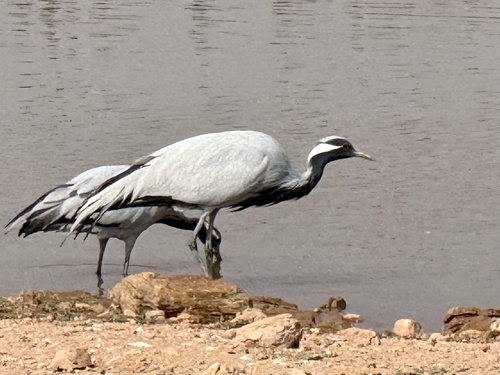
アネハヅル (Grus virgo) アネハヅル
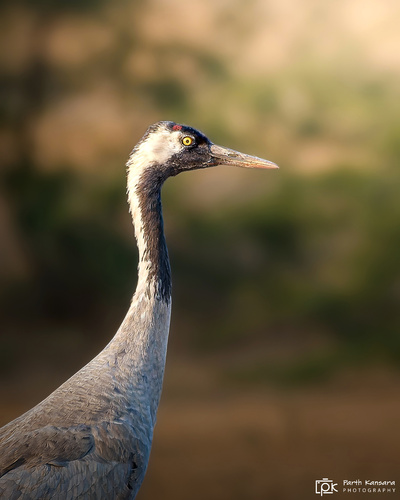
クロヅル (Grus grus) クロヅル

メディア

読み込み中…

要点

デモイゼルクレーンとクロヅルを区別する最も信頼できる方法は、サイズと頭部/首のパターンによるものです:デモイゼルは明らかに小さく、長い白い首のストライプと、胸に向かって下がる黒い前首の羽毛がありますが、クロヅルは大きく、赤い冠の斑点と、目の後ろから上背にかけて走る白い顔のストリークがあります。幼鳥のクロヅルは成鳥の際立った首と冠のパターンが欠けており、混乱を招く可能性がありますが、デモイゼルの幼鳥は依然として特徴的な白い首のストライプを示します。飛行中または静止中、デモイゼルはより繊細でコンパクトに見え、クロヅルはより大きく、長い翼を持っています。両種はユーラシアで共存することがあるため、これらの特徴に注意を払うことが重要です。

識別のコツ

  1. サイズ: デモイゼルクレーンはクロヅルよりもはるかに小さく、軽いです。これは、直接比較または良い文脈がある場合にのみ使用してください。サイズは遠くから見ると誤解を招くことがあります。
  2. 頭部と首のパターン(成鳥と幼鳥): デモイゼルは常に目から首にかけての長い白いストライプと黒い前首の羽毛を示します。クロヅルは目の後ろから上背にかけての白い顔のストリーク、裸の赤い冠の斑点、そして額/頬に黒がありますが、デモイゼルの首のストライプと羽毛は欠けています。
  3. 幼鳥の羽毛: 幼鳥のクロヅルは成鳥よりも鈍い色合いで、黄色がかった茶色の羽毛の先端があり、赤い冠や白い顔のストリークがありません。デモイゼルの幼鳥は依然として白い首のストライプと黒い前首を示し、これは未成熟個体の重要な特徴です。
  4. 胸と前首: デモイゼルの黒い前首は胸に向かって羽毛が下がり、ユーラシアのクレーンの中で独特です。クロヅルの首は主に灰色で白いストリークがあり、黒は額/頬に限られています。
  5. 冠の斑点: 成鳥のクロヅルのみが裸の赤い冠を持っています。デモイゼルは冠に赤を示すことはありません。
  6. くちばしの構造: デモイゼルは相対的に短く、細いくちばしを持っています。クロヅルのくちばしは長く、重いですが、これは微妙で、近距離で使用するのが最適です。
  7. 飛行時の翼の形: デモイゼルの翼は短く、尖っており、その小さなサイズに合っています。クロヅルの翼は広く、長く、飛行中により力強い印象を与えます。
  8. 大覆羽: クロヅルの大覆羽はテリシャルの上に爆発的な羽毛を垂れ下げます。デモイゼルの翼の覆羽はあまり目立たず、胸の羽毛が主な特徴です。
  9. 体の構造: デモイゼルはより細身で直立しており、コンパクトな体型です。クロヅルはより大きく、背が高く、頑丈です。
  10. 生息地の文脈: デモイゼルは乾燥したステップや草原を好み、クロヅルは湿地や沼地を好みますが、両種は移動中に農地でも見られます。
  11. 鳴き声: デモイゼルの鳴き声は高音で共鳴が少なく、クロヅルの鳴き声は深く、よりトランペットのようです。両方に慣れていない限り、注意して使用してください。
  12. 群れの構造: 両種は群れを成す傾向がありますが、デモイゼルの群れは飛行中により密集しているように見えることがあります。
  13. 季節的な重複: 両種は移動しますが、デモイゼルは中央アジアや東ヨーロッパに多く見られ、クロヅルはヨーロッパ全体に広がっています。
  14. 性差: 両種はフィールドでの性的二形性が少なく、オスのクロヅルはわずかに大きいですが、これは区別には信頼できません。
  15. 落とし穴: 成鳥の頭部/首のパターンが欠けた幼鳥のクロヅルはデモイゼルと混同される可能性がありますが、白い首のストライプと黒い前首を確認してください。これらはデモイゼルのどの年齢でも常に存在します。

大きさ

デモイゼルクレーンは最小のクレーン種で、全長85〜100 cm、約76 cmの高さ、翼幅155〜180 cm、体重は2〜3 kgです。クロヅルはかなり大きく、全長100〜130 cm、翼幅180〜240 cm、体重は3〜6.1 kg(ほとんどの成鳥は平均4.6〜5.4 kg)です。遠くからでも、デモイゼルはより細身でコンパクトに見え、クロヅルはより重く、高く、長い翼を持つプロファイルです。このサイズの違いは、両種が一緒に見られるときにしばしば明らかですが、孤立している場合や遠距離では判断が難しいことがあります。

羽色

幼鳥と未成熟のクロヅルは成鳥よりも鈍い色合いで、黄色がかった茶色の羽毛の先端があり、成鳥の赤い冠と白い顔のストリークが欠けています。彼らの羽毛は全体的により均一で、成鳥の強いコントラストが欠けています。デモイゼルクレーンは、幼鳥であっても長い白い首のストライプと黒い前首の羽毛を示し、これはクロヅルのどの年齢にも欠けています。成鳥のデモイゼルは淡い灰色で、目から首にかけて走る際立った白いラインと、胸の羽毛に伸びる黒い前首を持っています。成鳥のクロヅルはスレートグレーで、裸の赤い冠、目の後ろから上背にかけての白い顔のストリーク、額、頬、垂れ下がった大覆羽に黒があります。飛行中、両種は黒い初列風切羽と次列風切羽を示しますが、デモイゼルの小さなサイズとよりコンパクトな翼が目立ちます。どちらの種の幼鳥にも診断的な上翼の特徴はありませんが、全体的なコントラストと頭部/首のパターンが最良の手がかりとなります。

行動

両種は社会的で、特に移動中に群れで見られることが多いです。デモイゼルクレーンはより繊細で機敏に見え、軽やかで浮遊感のある飛行スタイルを持っています。クロヅルは重く、飛行はより力強く安定しています。両種は elaborate courtship dances を行いますが、これらは通常、フィールドでの区別には役立ちません。餌を食べたり立っているとき、デモイゼルはより直立して細身に見え、クロヅルはより大きく頑丈に見えます。

生息環境

両種はユーラシアで重複することがありますが、デモイゼルクレーンはより開けた乾燥したステップや草原の生息地を好み、大きな湿地から離れていることが多いです。クロヅルは湿地、沼地、湿った草地で見られることが多いですが、移動中や冬には農地も利用します。ヨーロッパでは、クロヅルはほとんどの湿地生息地でのデフォルトの大きなクレーンであり、デモイゼルは特に東側で乾燥した開けた国に多く見られます。

声

クロヅルは大きく、トランペットのような鳴き声を持ち、鋭く、長距離にわたって響き渡ります。飛行中やディスプレイ中によく聞かれます。デモイゼルクレーンの鳴き声は高音で共鳴が少なく、この違いは微妙で、両種が一緒に聞かれない限り、常に診断的ではありません。声は補助的なフィールドマークであり、主なものではありません。

より良い説明を送る

比較と同じ項目を使ってください。文章はすぐに公開されます。

The most reliable way to separate Demoiselle Crane from Common Crane is by size and head/neck pattern: Demoiselle is noticeably smaller, with a long white neck stripe and a black foreneck that extends down the chest in a plume, while Common Crane is larger, with a red crown patch and a white facial streak running from behind the eye to the upper back. Juvenile Common Cranes lack the adult's bold neck and crown patterns, which can lead to confusion, but Demoiselle juveniles still show the characteristic white neck stripe. In flight or at rest, Demoiselle appears more delicate and compact, while Common Crane is bulkier and longer-winged. Both species can occur together in Eurasia, so careful attention to these features is essential.

  1. Size: Demoiselle Crane is much smaller and lighter than Common Crane. Use this only when you have a direct comparison or good context, as size can be deceptive at a distance.
  2. Head and Neck Pattern (Adults and Juveniles): Demoiselle always shows a long white stripe from the eye down the neck and a black foreneck plume. Common Crane has a white facial streak from behind the eye to the upper back, a bare red crown patch, and black on the forehead/lores, but lacks the Demoiselle's neck stripe and plume.
  3. Juvenile Plumage: Juvenile Common Cranes are duller, with yellowish-brown feather tips, no red crown, and no white facial streak; Demoiselle juveniles still show the white neck stripe and black foreneck, making this a key mark for immatures.
  4. Chest and Foreneck: Demoiselle's black foreneck extends down over the chest in a plume, unique among Eurasian cranes. Common Crane's neck is mostly grey with a white streak, and the black is limited to the forehead/lores.
  5. Crown Patch: Only adult Common Crane has a bare red crown. Demoiselle never shows red on the crown.
  6. Bill Structure: Demoiselle has a proportionally shorter, finer bill; Common's bill is longer and heavier, but this is subtle and best used at close range.
  7. Wing Shape in Flight: Demoiselle's wings are shorter and more pointed, matching its smaller size; Common Crane's wings are broader and longer, giving a more powerful impression in flight.
  8. Greater Coverts: Common Crane's greater coverts droop into explosive plumes over the tertials; Demoiselle's wing coverts are less pronounced, and the chest plume is the main feature.
  9. Body Structure: Demoiselle is more slender and upright, with a compact build; Common is bulkier, taller, and more robust.
  10. Habitat Context: Demoiselle prefers dry steppe or grassland, Common prefers wetlands and marshes, but both can be found in agricultural fields during migration.
  11. Vocalization: Demoiselle's call is higher-pitched and less resonant; Common's is deeper and more trumpeting. Use with caution unless familiar with both.
  12. Flock Structure: Both species are gregarious, but Demoiselle flocks may appear more tightly packed and agile in flight.
  13. Seasonal Overlap: Both species migrate, but Demoiselle is more likely in central Asia and eastern Europe, Common is widespread in Europe.
  14. Sex Differences: Both species show little sexual dimorphism in the field; size is slightly greater in male Common Cranes, but this is not reliable for separation.
  15. Pitfalls: Juvenile Common Cranes lacking adult head/neck pattern can be confused with Demoiselle, but check for the white neck stripe and black foreneck, which are always present in Demoiselle of any age.

Demoiselle Crane is the smallest crane species, measuring 85–100 cm in length, standing about 76 cm tall, and with a wingspan of 155–180 cm, weighing 2–3 kg. Common Crane is significantly larger: 100–130 cm long, with a wingspan of 180–240 cm, and weighing 3–6.1 kg (most adults average 4.6–5.4 kg). Even at a distance, Demoiselle appears more slender and compact, while Common Crane has a heavier, taller, and longer-winged profile. This size difference is often apparent when both species are seen together, but can be harder to judge in isolation or at long range.

Juvenile and immature Common Cranes are duller than adults, with yellowish-brown feather tips and lacking the adult's red crown and white facial streak; their plumage is overall more uniform and lacks the strong contrast of adults. Demoiselle Crane, even as a juvenile, shows the long white neck stripe and black foreneck plume, which are absent in Common Crane of any age. Adult Demoiselle is pale grey with a striking white line running from the eye down the neck, and a black foreneck extending into a chest plume. Adult Common Crane is slate-grey with a bare red crown, white facial streak from behind the eye to the upper back, and black on the forehead, lores, and drooping greater coverts. In flight, both species show black primaries and secondaries, but Demoiselle's smaller size and more compact wings are noticeable. There are no distinctive upperwing patterns in juveniles of either species that are diagnostic, but the overall contrast and head/neck pattern remain the best clues.

Both species are social and often seen in flocks, especially during migration. Demoiselle Cranes tend to appear more delicate and agile, with a lighter, more buoyant flight style. Common Cranes are heavier and their flight is more powerful and steady. Both species perform elaborate courtship dances, but these are not usually useful for field separation. When feeding or standing, Demoiselle often appears more upright and slender, while Common is bulkier and more robust.

Both species can overlap in Eurasia, but Demoiselle Crane prefers more open, arid steppe and grassland habitats, often away from large wetlands. Common Crane is more often found in marshes, bogs, and wet meadows, though it also uses agricultural fields during migration and winter. In Europe, Common Crane is the default large crane in most wetland habitats, while Demoiselle is more likely in drier, open country, especially further east.

Common Crane has a loud, trumpeting call that is piercing and carries over long distances, often heard in flight or during display. Demoiselle Crane's call is higher-pitched and less resonant, but this difference is subtle and not always diagnostic unless both species are heard together. Voice is a supporting, not primary, field mark.

変更を破棄しますか?

保存していない編集があります。今離れると失われます。

アネハヅル · クロヅル · 苦手な鳥