

Motmot

ノドグロヒメウソ 対 ヌマヒメウソ

Sporophila ruficollis 対 Sporophila palustris

ノドグロヒメウソとヌマヒメウソのクイズ
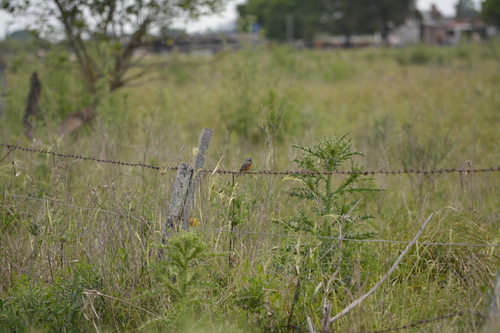
ノドグロヒメウソ (Sporophila ruficollis) ノドグロヒメウソ
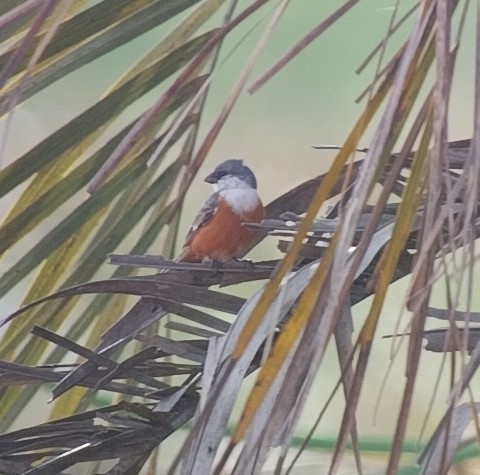
ヌマヒメウソ (Sporophila palustris) ヌマヒメウソ

メディア

読み込み中…

要点

ノドグロヒメウソとヌマヒメウソを区別する最も信頼できるフィールドマークは、成鳥のオスの喉と胸の色です:ノドグロは黒褐色の喉と上胸を示し、ヌマは白い喉と胸を持っています。両種は、折りたたまれた翼の一次羽の基部に小さな白い斑点がありますが、成鳥のオスでは頭の模様と腹部の色合いが著しく異なります。雌と幼鳥はより難解で、両者とも全体的に褐色ですが、くちばしの色と腹部の微妙な色合いの違いが役立つことがあります。両者は同じような大きさと構造の小さなSporophilaであるため、特に繁殖期以外では羽毛と文脈に注意を払うことが重要です。

識別のコツ

  1. 成鳥のオスの喉と胸の色が最良のフィールドマークです: ノドグロヒメウソのオスは黒褐色の喉と上胸を持ち、ヌマヒメウソのオスは白い喉と胸を持っています。これは繁殖羽毛の中で最も迅速かつ信頼できるチェックです。
  2. 成鳥のオスの頭の模様: ノドグロは灰色の冠と後頭部を持ち、黒褐色の顔をしており、ヘルメットのような外観を与えます;ヌマは鉛色の灰色の冠と後頭部を持ちますが、頭の残りは白く、際立ったコントラストを生み出します。
  3. 成鳥のオスの腹部の色: ノドグロは黒褐色の喉の下に赤褐色または暗いシナモン色の腹部を持ち、ヌマは白い胸の下に暗褐色からシナモン色の下腹部を持ちます。
  4. 雌と幼鳥の混同: 両者とも上面は褐色で、下面はより淡いですが、雌のノドグロは温かみのある褐色で、顔と腹部はバフ色です。一方、雌のヌマは上面が褐色(時にはオリーブ色がかることも)で、下面はオクラ色です。幼鳥は両種の雌に似ているため、年齢を考慮する必要があります。
  5. 雌のくちばしの色: 雌のノドグロは暗い角質から黒褐色のくちばしを持ち、雌のヌマは茶色の上顎と淡い黄色の下顎を持ち、近距離で見ることができます。
  6. 白い一次羽の斑点: 両種はすべての羽毛で折りたたまれた翼の一次羽の基部に小さな白い斑点を示すため、この特徴では区別できません。
  7. 尾と翼の色: 両者とも黒褐色の尾と暗い翼を持ち、淡い縁がありますが、これらは区別には信頼できません。
  8. 虹彩と脚の色: 両者とも暗い虹彩と黒褐色の脚を持ち、区別には役立ちません。
  9. 生息地の好み(文脈的): ヌマヒメウソは季節的に洪水が発生する草地や湿地に多く見られ、ノドグロは乾燥した草地や低木のある地域に生息することがありますが、かなりの重複があります。
  10. 地理的範囲: ノドグロはボリビアにも生息し、ペルーに漂流することがありますが、ヌマはそうではありません。
  11. 季節的文脈: 両種は性的二形性を持っているため、非繁殖期のオスは雌に似て見え、区別が難しくなることがあります。
  12. サイズと構造: 両者は小さく、短いくちばしの種子食者で、構造は似ています。サイズや形状に頼らないでください。
  13. 行動: 両者は草地で低く採餌し、茎に止まります。特に目立った行動の違いは記載されていません。
  14. 声: 情報源には診断的な声の違いは記載されていません。
  15. 疑問がある場合: 繁殖期には成鳥のオスの頭と喉の模様に焦点を当ててください。雌と幼鳥については、くちばしの色と微妙な腹部の色合いを使用しますが、近くで見ることができない場合は不確実性があることを期待してください。

大きさ

両種は最小のSporophilaの中でも非常に小さく、ほぼ重なり合った測定値を持っています。ノドグロヒメウソは10〜11 cmの長さで、体重は7〜9.7 gであり、ヌマヒメウソは10.5〜11.5 cmで、体重は7.5〜9 gです。フィールドでは、サイズは信頼できる区別要因ではなく、両者とも非常に小さく、短いくちばしの種子食者で、似たような比率を持っています。くちばしの形状とサイズも非常に似ており、両者とも小さく、丸みを帯びたクルメンを持っています。

羽色

両種の幼鳥と雌は上面が褐色で、下面がより淡いため、区別が難しいです。両性およびすべての年齢は、折りたたまれた翼の一次羽の基部に小さな白い斑点を示すため、この特徴では区別できません。成鳥のオスでは、頭と喉の模様が診断的です:ノドグロは灰色の冠と後頭部を持ち、黒褐色の顔と喉を持ち、'ヘルメット'のような外観を与え、赤褐色の腹部を持っています;ヌマは鉛色の灰色の冠と後頭部を持ちますが、頭、喉、胸の残りは白く、下腹部は暗褐色からシナモン色です。雌のノドグロは上面が温かみのある褐色で、顔と腹部はバフ色ですが、雌のヌマは上面が褐色(時にはオリーブ色がかることも)で、下面はオクラ色です。雌のノドグロのくちばしは暗い色ですが、雌のヌマは茶色の上顎と淡い黄色の下顎を持ち、より明確な違いがあります。幼鳥は両種の成鳥の雌に似ています。

行動

両種は高い草地や同様の開けた生息地で採餌し、しばしば低い植生の中で見られます。情報源には強い行動の違いは記載されておらず、両者とも草の種を食べるために止まったり、採餌したりすることができます。飛行スタイルや一般的な印象は、これらの二者の間で特に区別されていません。

生息環境

両種はアルゼンチン、ブラジル、パラグアイ、ウルグアイに生息し、しばしば高い草地に見られます。ノドグロヒメウソはボリビアにも見られ、ペルーに漂流することがありますが、湿った地域にあまり依存せず、時には乾燥した草地や低木のある地域、道路脇、セラードを利用します。ヌマヒメウソは季節的に洪水が発生する草地や湿地により密接に関連しており、これらの湿地地域での生息地喪失によってより脅かされています。重複する地域では、生息地だけでは診断的ではありませんが、ヌマはより湿った湿地の草地に見られる可能性が高いです。

より良い説明を送る

比較と同じ項目を使ってください。文章はすぐに公開されます。

The most reliable field mark for separating Dark-throated Seedeater from Marsh Seedeater is the color of the throat and breast in adult males: Dark-throated shows a blackish-brown throat and upper breast, while Marsh has a white throat and breast. Both species have a small white patch at the base of the primaries visible on the folded wing, but their head patterns and underpart coloration differ markedly in adult males. Females and juveniles are more challenging, as both are brownish overall, but bill color and subtle differences in underpart tone can help. Both are small Sporophila with similar size and structure, so careful attention to plumage and context is essential, especially outside the breeding season.

  1. Adult male throat and breast color is the best field mark: Dark-throated Seedeater males have a blackish-brown throat and upper breast, while Marsh Seedeater males have a white throat and breast. This is the quickest and most reliable check in breeding plumage.
  2. Head pattern in adult males: Dark-throated shows a gray crown and nape with a blackish-brown face, giving a helmeted look; Marsh has a plumbeous gray crown and nape but the rest of the head is white, creating a striking contrast.
  3. Underpart color in adult males: Dark-throated has rufous or dark cinnamon underparts below the blackish-brown throat; Marsh has dark brown to cinnamon lower underparts below the white breast.
  4. Female and juvenile confusion: Both are brownish above and paler below, but female Dark-throated is warm brown with a buff face and underparts, while female Marsh is brownish (sometimes olive-tinged) above and ochraceous below. Juveniles resemble females in both species, so age must be considered.
  5. Bill color in females: Female Dark-throated has a dark horn to blackish bill; female Marsh has a brown maxilla and pale yellowish mandible, which can be seen at close range.
  6. White primary patch: Both species show a small white patch at the base of the primaries on the folded wing in all plumages, so this feature does not separate them.
  7. Tail and wing color: Both have blackish tails and dark wings with paler edges, but these are not reliable for separation.
  8. Iris and leg color: Both have dark irises and blackish legs, not useful for separation.
  9. Habitat preference (contextual): Marsh Seedeater is more likely in seasonally flooded grasslands and marshes, while Dark-throated can occur in drier grasslands and scrubby areas, but there is significant overlap.
  10. Geographic range: Dark-throated is also found in Bolivia and as a vagrant to Peru; Marsh is not.
  11. Seasonal context: Both species are sexually dimorphic, so non-breeding males may look more like females and be harder to separate.
  12. Size and structure: Both are tiny, short-billed seedeaters with similar structure; do not rely on size or shape.
  13. Behavior: Both forage low in grasslands and perch on stems; no distinctive behavioral differences noted.
  14. Voice: No diagnostic vocal differences are described in the sources.
  15. When in doubt: Focus on adult male head and throat pattern in breeding season; for females and juveniles, use bill color and subtle underpart tone, but expect some uncertainty without close views.

Both species are among the smallest Sporophila, with nearly overlapping measurements. Dark-throated Seedeater is 10–11 cm long and weighs 7–9.7 g, while Marsh Seedeater is 10.5–11.5 cm and weighs 7.5–9 g. In the field, size is not a reliable separator, as both are tiny, short-billed seedeaters with similar proportions. Bill shape and size are also very similar, with both having a small, rounded culmen.

Juveniles and females of both species are brownish above and paler below, making them difficult to separate. Both sexes and all ages show a small white patch at the base of the primaries on the folded wing, so this feature does not distinguish them. In adult males, the head and throat pattern is diagnostic: Dark-throated has a gray crown and nape with a blackish-brown face and throat, giving a 'helmeted' look, and rufous underparts; Marsh has a plumbeous gray crown and nape, but the rest of the head, throat, and breast are white, with dark brown to cinnamon on the lower underparts. Female Dark-throated is warm brown above with a buff face and underparts, while female Marsh is brownish above (sometimes olive-tinged) and ochraceous below, with a two-toned bill (brown maxilla, pale yellowish mandible) compared to the darker bill of female Dark-throated. Juveniles resemble adult females in both species.

Both species forage in tall grasslands and similar open habitats, often low in vegetation. There are no strong behavioral differences noted in the sources, and both can be seen perched or feeding on grass seeds. Flight style and general jizz are not described as distinctive between these two.

Both species occur in Argentina, Brazil, Paraguay, and Uruguay, often in tall grasslands. Dark-throated Seedeater can also be found in Bolivia and as a vagrant to Peru, and is somewhat less tied to wet areas, sometimes using drier or scrubbier grasslands, roadsides, and Cerrado. Marsh Seedeater is more closely associated with seasonally flooded grasslands and marshes, and is more threatened by habitat loss in these wetland areas. In overlapping regions, habitat alone is not diagnostic, but Marsh is more likely in wetter, marshy grasslands.

変更を破棄しますか?

保存していない編集があります。今離れると失われます。

ノドグロヒメウソ · ヌマヒメウソ · 苦手な鳥