

Motmot

ノドグロサイホウチョウ 対 アカガオサイホウチョウ

Orthotomus atrogularis 対 Orthotomus ruficeps

ノドグロサイホウチョウとアカガオサイホウチョウのクイズ
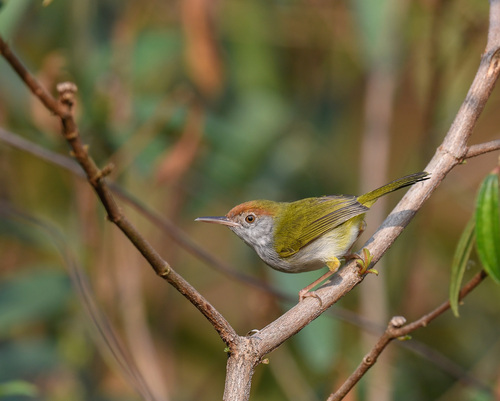
ノドグロサイホウチョウ (Orthotomus atrogularis) ノドグロサイホウチョウ
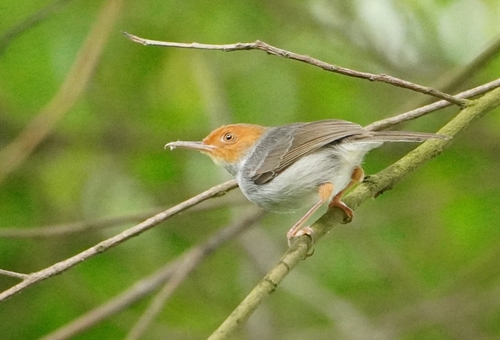
アカガオサイホウチョウ (Orthotomus ruficeps) アカガオサイホウチョウ

メディア

読み込み中…

要点

ノドグロサイホウチョウとアカガオサイホウチョウの最も信頼できるフィールドマークは、成鳥の頭部と喉の色彩です:アカガオサイホウチョウのオスは、特徴的な赤褐色の顔と前冠を持ち、灰色の上面を持っていますが、ノドグロサイホウチョウはこの組み合わせを欠いています。メスのアカガオサイホウチョウは白い顎と喉を持ち、ノドグロサイホウチョウの暗い首とは異なります。幼鳥のアカガオサイホウチョウは頭に赤がなく、オリーブグリーンの上面を持ち、ノドグロサイホウチョウと混同されることがありますが、後者は一般的に暗く、灰色のトーンが欠けています。両種は東南アジアの小さく活発な昆虫食性の鳥ですが、アカガオサイホウチョウはわずかに質量が軽いです。生息地の重複は可能ですが、アカガオサイホウチョウは乱された環境やプランテーション環境により適応しやすいです。

識別のコツ

  1. 成鳥のオスのアカガオサイホウチョウは赤褐色の顔、顎、前冠を示します—これはノドグロサイホウチョウと区別するための最も良いフィールドマークです。
  2. メスのアカガオサイホウチョウは白い顎と喉を持っています;ノドグロサイホウチョウは暗い首の部分を持ち、良い視界で診断可能です。
  3. 幼鳥のアカガオサイホウチョウは頭に赤がなく、オリーブグリーンの上面を持っています、これはノドグロサイホウチョウに似ることがありますが、より淡い腹部と暗い首のパッチがないことに注意してください。
  4. アカガオサイホウチョウの上面は灰色(オス)または淡い灰色(メス)です、一方、ノドグロサイホウチョウは一般的に暗く、灰色のトーンが欠けています。
  5. アカガオサイホウチョウの尾は淡い灰色です、ノドグロサイホウチョウの尾は具体的に記述されていませんが、灰色のトーンに合うことはないでしょう。
  6. 両種の嘴の構造は似ています—長くてわずかに下向きに曲がっています—したがって、信頼できる区別にはなりません。
  7. どちらの種にも特有の飛行や上翼のパターンは記述されていません、したがって、飛行中でも頭と体の色彩に依存してください。
  8. アカガオサイホウチョウは乱された環境やプランテーションの生息地にうまく適応します;パーム油プランテーションや大きく改変された風景で見られた場合、アカガオがより可能性が高いです。
  9. 両種は小さくて活発です、したがって行動は強い区別要因ではありませんが、アカガオはオープンまたはエッジの生息地でより頻繁に見られます。
  10. アカガオサイホウチョウの亜種の変異は赤と灰色の強度に影響を与えることがありますが、基本的なオス/メスのパターンは維持されます。
  11. 明らかに暗い首のパッチを持つサイホウチョウを見た場合、ノドグロを優先してください、特に頭に赤褐色がない場合は。
  12. もし鳥が上面がオリーブグリーンで赤褐色がなく、下が淡い場合、幼鳥のアカガオを考慮してください、しかしノドグロを除外するために暗い首のヒントを確認してください。
  13. サイズは信頼できるフィールドマークではありません、両者は同様に小さいですが、アカガオサイホウチョウは平均してわずかに軽いです。
  14. 両種は葉を縫い合わせて巣を作ります、したがって巣の構造は区別要因ではありません。
  15. 利用可能なノートには声の記述はありません、したがってここでの区別には歌や鳴き声に依存しないでください。

大きさ

アカガオサイホウチョウはわずかに軽く、記録された成鳥の体重は7.0 gです [wikidata]。ノドグロサイホウチョウの質量は提供されていませんが、両者は同様に小さいです。アカガオサイホウチョウは長さ約7 cmで、いくつかの情報源では最大12 gの重さがあるとされていますが、7.0 gを最良の比較値として使用してください。サイズだけではフィールドでの信頼できる区別にはなりません。

羽色

幼鳥のアカガオサイホウチョウは成鳥の赤い頭を欠き、代わりにオリーブグリーンの上面を示します、これはノドグロサイホウチョウに似ることがありますが、彼らは依然としてより淡い腹部を持ち、暗い首のパッチがありません。成鳥のオスのアカガオサイホウチョウは、赤褐色の顔、顎、前冠、灰色の背中、上翼、喉を持ち、腹部はほぼ白にフェードし、尾はより淡い灰色です。メスは似ていますが、白い顎と喉、より淡い上面、胸に淡い灰色の洗い流しがあります。対照的に、ノドグロサイホウチョウは赤褐色の頭を欠き、代わりに暗い首の部分を持っています(名前が示すように)、これはアカガオには存在しません。アカガオサイホウチョウの亜種は赤と灰色の強度に変異がありますが、基本的なパターンは保持されます。どちらの種にも特定の飛行や上翼のパターンは記述されていないため、飛行中の区別は全体の色彩と頭のパターンに依存します。

行動

アカガオサイホウチョウはしばしばペアや小さな家族グループで採餌しているのが見られ、キャノピーと下草の両方で活発に動き、パーム油プランテーションなどの乱された生息地にうまく適応することで知られています。両種は昆虫食性で、似たような採餌行動を共有していますが、アカガオサイホウチョウの人間によって改変された風景への適応能力は注目に値します。巣作りの行動は似ており、両種は葉を縫い合わせて巣を作ります。

生息環境

両種は東南アジアに生息し、範囲が重なることがあります。ノドグロサイホウチョウはバングラデシュ、インド北東部、東南アジアに生息し、亜熱帯または熱帯の湿った低地やマングローブの森に生息しています。アカガオサイホウチョウも東南アジアに広く分布していますが、特にパーム油プランテーションなどの乱された生息地で繁栄することで注目されています。大きく改変された風景で見られた場合、アカガオサイホウチョウの可能性が高いです。

より良い説明を送る

比較と同じ項目を使ってください。文章はすぐに公開されます。

The most reliable field mark between Dark-necked Tailorbird and Ashy Tailorbird is the head and throat coloration in adults: Ashy Tailorbird males show a distinctive rufous-chestnut face and forecrown with ashy grey upperparts, while Dark-necked Tailorbird lacks this combination. Female Ashy Tailorbirds have a white chin and throat, unlike the darker neck of Dark-necked. Juvenile Ashy Tailorbirds lack red on the head and have olive-green upperparts, which can cause confusion with Dark-necked, but the latter generally appears darker and lacks the ashy-grey tones. Both species are small, active insectivores in Southeast Asia, but Ashy Tailorbird is slightly lighter in mass. Habitat overlap is possible, but Ashy Tailorbird adapts more readily to disturbed and plantation environments.

  1. Adult male Ashy Tailorbird shows a rufous-chestnut face, chin, and forecrown—this is the single best field mark for separating it from Dark-necked Tailorbird, which never shows this combination.
  2. Female Ashy Tailorbird has a white chin and throat; Dark-necked Tailorbird has a darker neck area, which is diagnostic in good views.
  3. Juvenile Ashy Tailorbird lacks red on the head and has olive-green upperparts, which can look similar to Dark-necked, but note the paler underparts and absence of any dark neck patch.
  4. Ashy Tailorbird upperparts are ashy grey (male) or paler grey (female), while Dark-necked Tailorbird is generally darker and lacks the ashy tone.
  5. Ashy Tailorbird tail is lighter grey, while Dark-necked's tail is not specifically described but is unlikely to match the ashy tone.
  6. Bill structure is similar in both species—long and slightly decurved—so not a reliable separator.
  7. No distinctive flight or upperwing pattern is described for either species, so rely on head and body coloration even in flight.
  8. Ashy Tailorbird adapts well to disturbed and plantation habitats; if seen in palm oil plantations or heavily altered landscapes, Ashy is more likely.
  9. Both species are small and active, so behavior is not a strong separator, but Ashy is more often seen in open or edge habitats.
  10. Subspecies variation in Ashy Tailorbird can affect the intensity of rufous and grey, but the basic male/female pattern remains.
  11. If you see a tailorbird with a clearly dark neck patch, favor Dark-necked, especially if rufous is absent from the head.
  12. If the bird is olive-green above with no rufous and pale below, consider juvenile Ashy, but check for any hint of a dark neck to rule out Dark-necked.
  13. Size is not a reliable field mark, as both are similarly small, but Ashy Tailorbird is slightly lighter on average.
  14. Both species build leaf-stitched nests, so nest structure is not a separator.
  15. Vocalizations are not described in the available notes, so do not rely on song or call for separation here.

Ashy Tailorbird is slightly lighter, with a recorded adult body mass of 7.0 g [wikidata]. No mass is provided for Dark-necked Tailorbird, but both are similarly small. Ashy Tailorbird is noted as being around 7 cm in length and weighing up to 12 g in some sources, but use 7.0 g as the best comparative figure. Size alone is not a reliable separator in the field.

Juvenile Ashy Tailorbirds lack the red head of adults and instead show olive-green upperparts, which can resemble Dark-necked Tailorbird, but they still tend to have paler underparts and lack any dark neck patch. Adult male Ashy Tailorbirds are distinctive with a rufous-chestnut face, chin, and forecrown, ashy grey back, upperwing, and throat, fading to almost white on the belly, and a lighter grey tail. Females are similar but have a white chin and throat, paler upperparts, and a pale grey wash across the breast. Dark-necked Tailorbird, by contrast, lacks the rufous-chestnut head and instead has a darker neck area (as the name suggests), which is not present in Ashy. Subspecies of Ashy Tailorbird vary in the intensity of the red and grey, but the basic pattern holds. No specific flight or upperwing pattern is described for either species, so separation in flight relies on overall coloration and head pattern.

Ashy Tailorbird is often seen foraging in pairs or small family groups, moving actively in both canopy and undergrowth, and is known to adapt well to disturbed habitats such as palm oil plantations. Both species are insectivorous and share similar foraging behaviors, but Ashy Tailorbird's adaptability to human-altered landscapes is notable. Nesting behavior is similar, with both species constructing nests by stitching leaves together.

Both species occur in Southeast Asia and can overlap in range. Dark-necked Tailorbird is found in Bangladesh, Northeast India, and Southeast Asia, inhabiting subtropical or tropical moist lowland and mangrove forests. Ashy Tailorbird is also widespread in Southeast Asia but is particularly notable for thriving in disturbed habitats, including palm oil plantations, where it can be common. If seen in heavily modified landscapes, Ashy Tailorbird is more likely.

変更を破棄しますか?

保存していない編集があります。今離れると失われます。

ノドグロサイホウチョウ · アカガオサイホウチョウ · 苦手な鳥