

Motmot

キバシヒメバト 対 ソライロアルキバト

Columbina cruziana 対 Claravis pretiosa

キバシヒメバトとソライロアルキバトのクイズ
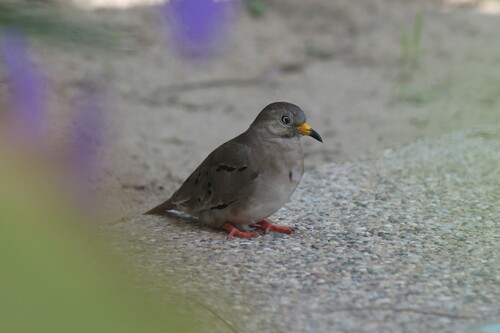
キバシヒメバト (Columbina cruziana) キバシヒメバト
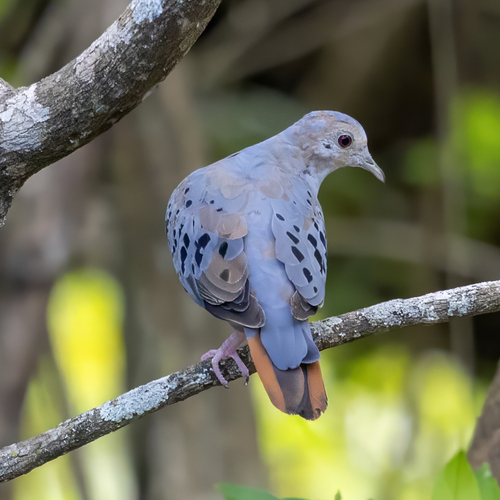
ソライロアルキバト (Claravis pretiosa) ソライロアルキバト

メディア

読み込み中…

要点

キバシヒメバトとソライロアルキバトの最も信頼できるフィールドマークはオスの全体的な色合いです:キバシヒメバトのオスは青灰色の頭と茶灰色の上面、そしてモーブピンクの下面を持ち、ソライロアルキバトのオスは上面が青灰色、下面が淡灰色で、全体的にずっと青く見えることが多いです。飛んでいるときや休んでいるとき、両種は翼の斑点を示しますが、色と配置が異なります:キバシヒメバトは茶色の翼に暗いバーと暗い斑点のラインを示し、ソライロアルキバトは太い黒(オス)または栗色(メス)の翼の斑点を持ち、しばしばバンドを形成します。両種のメスと幼鳥はより茶色がかっていますが、ソライロアルキバトのメスは赤みがかった背中と栗色の尾羽を持ち、栗色の翼の斑点があります。一方、キバシヒメバトのメスと幼鳥はより均一に茶色がかり、マークが少なくなります。構造とサイズも役立ちます:ソライロアルキバトは明らかに大きく、体重も重いです。両種はペルーとエクアドルで一緒に見られることがあるため、翼のパターンと全体的な色合いに注意を払うことが重要です。

識別のコツ

  1. Male coloration: 成人オスのキバシヒメバトは青灰色の頭と茶灰色の上面、モーブピンクの下面を持ち、ソライロアルキバトのオスは上面が青灰色、下面が淡灰色で、全体的にずっと青く見えることが多いです。これは良い光の中で最も即座の区別です。
  2. Wing pattern in flight (all ages): キバシヒメバトは閉じた翼に暗いバーと暗い斑点のラインを示しますが、これらは比較的微妙です。ソライロアルキバトのオスはバンドを形成する太い黒の翼の斑点を持ち、メスは栗色の翼の斑点を持っています。飛んでいるとき、ソライロアルキバトの翼の斑点はより広範で対照的です。
  3. Female/juvenile confusion: メスのキバシヒメバトは茶色の頭を持ち、翼のマークが少なくなります;メスのソライロアルキバトは頭、首、胸が灰色がかった茶色で、赤みがかった茶色の背中と栗色の尾羽、栗色の翼の斑点を持っています。幼鳥のキバシヒメバトはバフィーな羽の先端を持ち、幼鳥のソライロアルキバトは背中に赤みがかったスケーリングを示します。
  4. Tail pattern: キバシヒメバトは中央の尾羽が暗い灰色で、外側の尾羽が黒で白い先端を持っています。ソライロアルキバトの外側の尾羽は黒っぽく、メスと幼鳥の尾羽は栗色です。
  5. Eye and bare skin color: キバシヒメバトは赤い目を持ち、外側に白いリングと目の周りに黄色い裸の皮膚があり、くちばしの基部は明るい黄色です。ソライロアルキバトの虹彩は赤または黄色ですが、目のリングは緑で、脚は肉色です。
  6. Bill color: キバシヒメバトのくちばしは基部が明るい黄色で、近距離での有用なマークです。ソライロアルキバトのくちばしは黄色基部とは記述されていません。
  7. Size and structure: ソライロアルキバトは大きく(20 cm、65–72 g)て、キバシヒメバト(15 cm、46–52 g)よりもずっと大きくて重いです。キバシヒメバトはより華奢で軽量です。両方が一緒に見られるときや他のバトと一緒にスケールとして使用します。
  8. Behavior: ソライロアルキバトは木の中を飛んでいるか、より高いところに止まっているのが見られることがありますが、キバシヒメバトはより厳密に地上性で、地面で餌を探します。
  9. Pairing behavior: ソライロアルキバトはしばしば青灰色のオスと茶色のメスのペアとして見られます;飛んでいるときに青と茶色の鳥を一緒に見ることはこの種の強い手がかりです。
  10. Habitat: キバシヒメバトは乾燥した開けたまたは低木の生息地を好み、ソライロアルキバトは森林の端、二次成長、または湿った地域にいる可能性が高いです。
  11. Geographic overlap: 両種はペルーとエクアドルで一緒に見られることがあります;これらの地域での分離には範囲だけに頼らないでください。
  12. Leg color: ソライロアルキバトは肉色の脚を持ち、微妙ですが時には目に見える区別です。
  13. Plumage intensity: キバシヒメバトのメスと幼鳥はより均一に茶色がかり、マークが少なくなりますが、ソライロアルキバトのメス/幼鳥はより対照的で、赤みがかった栗色のトーンを持つパターンの外観を持っています。
  14. Wing spot color: キバシヒメバトの翼の斑点は暗いですが栗色ではありません;ソライロアルキバトのメス/幼鳥の翼の斑点は栗色で、良い光の中での重要なマークです。
  15. Tail color in females/juveniles: ソライロアルキバトのメス/幼鳥は栗色の尾羽と尾を持ち、背中と対照的です;キバシヒメバトはこの対照がありません。

大きさ

ソライロアルキバトはキバシヒメバトよりも明らかに大きく、重いです。ソライロアルキバトは平均して約20 cmの長さで、65–72 gの重さがあります [wikipedia][wikidata]。一方、キバシヒメバトは15 cmで、オスは約52 g、メスは46 gです [wikipedia]。フィールドでは、ソライロアルキバトはより大きくて頑丈に見え、キバシヒメバトは明らかに華奢で軽量です。このサイズの違いは、両方が一緒に見られるときや他のバトと一緒にスケールとして使用されるときにしばしば明らかです。

羽色

幼鳥とメスの羽毛は最も混乱を引き起こす可能性があります。幼鳥のキバシヒメバトはメスに似ていますが、バフィーな羽の先端を持ち、上面がわずかに鱗状または淡いエッジに見えます。彼らの翼のパターンは控えめで、茶色の翼に暗いバーと暗い斑点のラインがあります。メスのキバシヒメバトは茶色の頭を持ち、オスよりも翼のマークが少なくなります。対照的に、幼鳥とメスのソライロアルキバトは頭、首、胸が灰色がかった茶色で、赤みがかった茶色の背中と対照的な栗色の尾羽と尾を持ち、翼には栗色の斑点があります。若いソライロアルキバトは背中に赤みがかったスケーリングを示します。成人オスのキバシヒメバトは頭が青灰色で、上面が茶灰色、モーブピンクの胸と下面を持ち、外側の羽が白い先端を持つ暗い尾を持っています。成人オスのソライロアルキバトは上面が青灰色、下面が淡灰色で、黒っぽい飛行羽と外側の尾羽を持ち、太い黒の翼の斑点がバンドを形成します。目と裸の皮膚の色が異なります:キバシヒメバトは赤い目を持ち、白いリングとその周りに黄色い裸の皮膚があり、明るい黄色の基部を持つくちばしを持っています;ソライロアルキバトの虹彩は赤または黄色で、緑の目のリングと肉色の脚を持っています。飛んでいるとき、ソライロアルキバトの翼の斑点(オスは黒、メスは栗色)は、キバシヒメバトのより微妙な暗いバーや斑点よりも広範で対照的です。

行動

両種は地面で種を探し、歩いたり走ったりするのが見られますが、ソライロアルキバトはより樹上性で、時々木の中を飛んでいるのが見られることがあります。一方、キバシヒメバトはより厳密に地上性です。ソライロアルキバトはしばしばペアで見られ(特に青いオスと茶色のメスが一緒に)、キバシヒメバトは単独または小さな群れで見られることがあります。両種は一般的に目立たず、しかしソライロアルキバトの大きなサイズとより頑丈な印象は、追い立てられたときに明らかになることがあります。

生息環境

両種はその範囲の一部で重なります(特にペルーとエクアドル)が、キバシヒメバトは乾燥した半乾燥地域により制限され、しばしば開けた国、低木、乾燥した端にいます。ソライロアルキバトは、メキシコ南東部からアルゼンチン、トリニダードまでの広い範囲を占め、森林の端、二次成長、湿った地域など、さまざまな生息地に見られます。両方が存在する場所では、キバシヒメバトはより乾燥した開けた生息地にいる可能性が高く、ソライロアルキバトはより湿った、より森林のある地域に見られます。

より良い説明を送る

比較と同じ項目を使ってください。文章はすぐに公開されます。

The most reliable field mark between Croaking Ground Dove and Blue Ground Dove is the male's overall coloration: Croaking Ground Dove males have a bluish gray head and brownish gray upperparts with mauve pink underparts, while Blue Ground Dove males are blue-grey above and pale grey below, often appearing much bluer overall. In flight or at rest, both species show wing spots, but the color and arrangement differ: Croaking Ground Dove shows dark bars and lines of dark spots on brownish wings, while Blue Ground Dove has bold black (male) or chestnut-brown (female) wing spots, often forming bands. Females and juveniles of both species are browner, but Blue Ground Dove females have a ruddier back and chestnut rump, with chestnut wing spots, while Croaking Ground Dove females and juveniles are more uniformly brownish with less intense markings. Structure and size also help: Blue Ground Dove is distinctly larger and heavier-bodied. Both species can occur together in Peru and Ecuador, so careful attention to wing pattern and overall coloration is essential.

  1. Male coloration: Adult male Croaking Ground Dove has a bluish gray head and brownish gray upperparts with mauve pink underparts; Blue Ground Dove male is blue-grey above and pale grey below, often appearing much bluer overall. This is the most immediate distinction in good light.
  2. Wing pattern in flight (all ages): Croaking Ground Dove shows a dark bar and lines of dark spots on the closed wing, but these are relatively subtle. Blue Ground Dove males have bold black wing spots forming bands, while females have chestnut-brown wing spots. In flight, Blue Ground Dove's wing spots are more extensive and contrasting.
  3. Female/juvenile confusion: Female Croaking Ground Dove is brown-headed with less intense wing markings; female Blue Ground Dove is grey-brown on the head, neck, and breast, with a ruddy brown back and chestnut rump and tail, and chestnut wing spots. Juvenile Croaking Ground Dove has buffy feather tips, while juvenile Blue Ground Dove shows ruddy scaling on the back.
  4. Tail pattern: Croaking Ground Dove has central tail feathers that are darker gray and outer ones that are black with white tips. Blue Ground Dove's outer tail feathers are blackish, and the tail is chestnut in females and juveniles.
  5. Eye and bare skin color: Croaking Ground Dove has a red eye with a white outer ring and yellow bare skin around the eye, and a bright yellow base to the bill. Blue Ground Dove's iris can be red or yellow, but the eyering is green and the legs are flesh-pink.
  6. Bill color: Croaking Ground Dove's bill is bright yellow at the base, a useful mark at close range. Blue Ground Dove's bill is not described as yellow-based.
  7. Size and structure: Blue Ground Dove is larger (20 cm, 65–72 g) and bulkier than Croaking Ground Dove (15 cm, 46–52 g), which is daintier and lighter-built. Use this when both are seen together or with other doves for scale.
  8. Behavior: Blue Ground Dove may be seen flying through trees or perched higher, while Croaking Ground Dove is more strictly terrestrial, foraging on the ground.
  9. Pairing behavior: Blue Ground Dove is often seen as a blue-grey male with a brown female; seeing a blue and brown bird together in flight is a strong clue for this species.
  10. Habitat: Croaking Ground Dove prefers arid, open, or scrubby habitats; Blue Ground Dove is more likely in wooded edges, second growth, or moister areas.
  11. Geographic overlap: Both species can occur together in Peru and Ecuador; do not rely on range alone for separation in these areas.
  12. Leg color: Blue Ground Dove has flesh-pink legs, a subtle but sometimes visible distinction.
  13. Plumage intensity: Croaking Ground Dove females and juveniles are more uniformly brownish with less intense markings, while Blue Ground Dove females/juveniles have a more contrasting, patterned look with ruddier and chestnut tones.
  14. Wing spot color: Croaking Ground Dove's wing spots are dark but not chestnut; Blue Ground Dove's female/juvenile wing spots are chestnut-brown, a key mark in good light.
  15. Tail color in females/juveniles: Blue Ground Dove females/juveniles have a chestnut rump and tail, contrasting with the back; Croaking Ground Dove lacks this contrast.

Blue Ground Dove is significantly larger and heavier than Croaking Ground Dove. Blue Ground Dove averages about 20 cm in length and weighs 65–72 g [wikipedia][wikidata], while Croaking Ground Dove is smaller at 15 cm and males weigh about 52 g, females 46 g [wikipedia]. In the field, Blue Ground Dove appears bulkier and more robust, while Croaking Ground Dove is noticeably daintier and lighter-built. This size difference is often obvious when both are seen together or with other doves for scale.

Juvenile and female plumages are most likely to cause confusion. Juvenile Croaking Ground Doves resemble females but have buffy feather tips, making them look slightly scaly or pale-edged above. Their wing pattern is subdued, with dark bars and lines of dark spots on brownish wings. Female Croaking Ground Doves are brown-headed and have less intense wing markings than males. In contrast, juvenile and female Blue Ground Doves are greyer-brown on the head, neck, and breast, with a ruddy brown back and a contrasting chestnut rump and tail; their wings have chestnut-brown spots, not blackish. Young Blue Ground Doves show ruddy scaling on the back. Adult male Croaking Ground Doves are bluish gray on the head, brownish gray above, with a mauve pink breast and underparts, and a dark tail with white-tipped outer feathers. Adult male Blue Ground Doves are blue-grey above, paler grey below, with blackish flight feathers and outer tail feathers, and bold black wing spots forming bands. Eye and bare skin color differ: Croaking Ground Dove has a red eye with a white ring and yellow bare skin around it, and a bright yellow-based bill; Blue Ground Dove's iris can be red or yellow, with a green eyering and flesh-pink legs. In flight, Blue Ground Dove's wing spots (black in males, chestnut in females) are more extensive and contrasting than Croaking Ground Dove's more subtle dark bars and spots.

Both species forage on the ground for seeds and may be seen walking or running, but Blue Ground Dove tends to be more arboreal, sometimes seen flying through trees, while Croaking Ground Dove is more strictly terrestrial. Blue Ground Dove is often seen in pairs (especially a blue male and brown female together), while Croaking Ground Dove may be found singly or in small groups. Both species are generally unobtrusive, but Blue Ground Dove's larger size and more robust jizz can be apparent when flushed.

Both species overlap in parts of their range (notably Peru and Ecuador), but Croaking Ground Dove is more restricted to arid and semi-arid regions, often in open country, scrub, and dry edges. Blue Ground Dove occupies a wider range, from southeastern Mexico to Argentina and Trinidad, and is found in a variety of habitats including woodland edges, second growth, and more humid areas. Where both occur, Croaking Ground Dove is more likely in drier, open habitats, while Blue Ground Dove can be found in moister, more wooded areas.

変更を破棄しますか?

保存していない編集があります。今離れると失われます。

キバシヒメバト · ソライロアルキバト · 苦手な鳥