

Motmot

スナバシリ 対 キタオオトウゾクカモメ

Cursorius cursor 対 Stercorarius skua

スナバシリとキタオオトウゾクカモメのクイズ
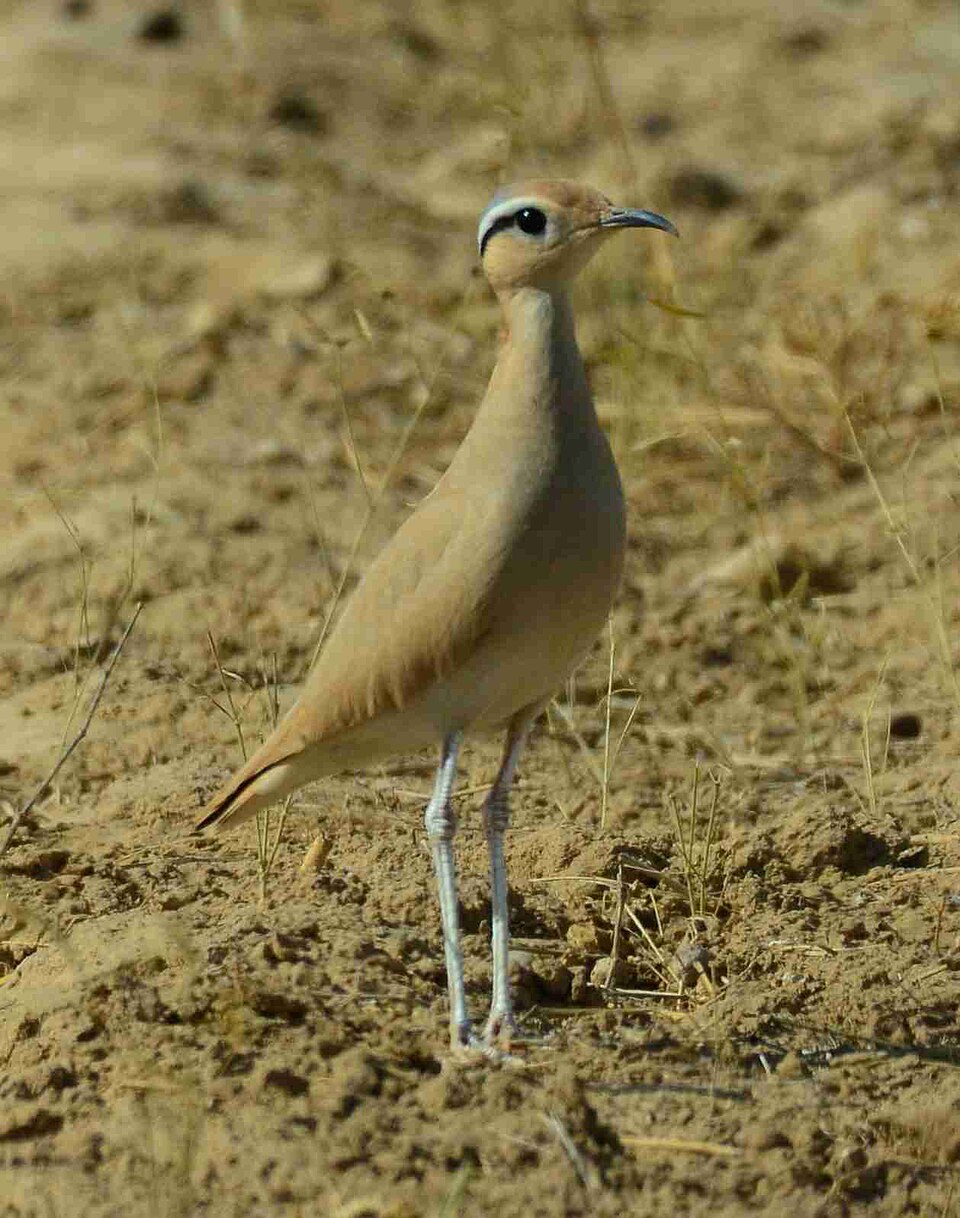
スナバシリ (Cursorius cursor) スナバシリ
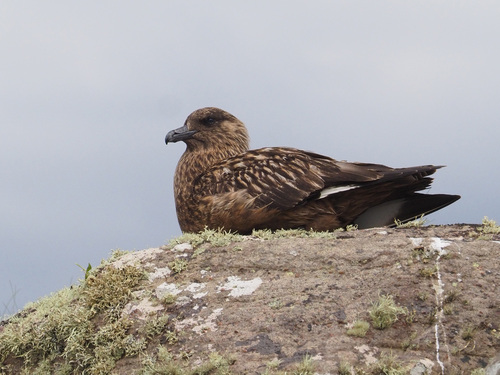
キタオオトウゾクカモメ (Stercorarius skua) キタオオトウゾクカモメ

メディア

読み込み中…

要点

スナバシリとキタオオトウゾクカモメを区別する最も信頼できる方法は、全体的な構造と飛行スタイルによるものです:スナバシリは細身で長い脚を持つ砂色の鳥で、乾燥した地面に生息していますが、キタオオトウゾクカモメは巨大で、バレルチェストの暗い海鳥で、強力で広い翼を持っています。幼鳥のスナバシリは、まだら模様の暗い上翼と鈍い頭の模様を示しますが、未成熟の個体でもキタオオトウゾクカモメのずんぐりした体型や暗く縞模様の羽毛には決して近づきません。飛行中、スナバシリは黒い外側の上翼と下翼を示し、キタオオトウゾクカモメはそれ以外の茶色の翼に白い翼のフラッシュを示します。生息地も強い手がかりです:スナバシリは開けた乾燥地に見られ、キタオオトウゾクカモメは厳密に沿岸または外洋に生息しています。

識別のコツ

  1. Size and bulk: キタオオトウゾクカモメはスナバシリと比べて巨大です—もし鳥がカモメサイズまたはそれ以上であれば、それはスナバシリではありません。この特徴は、どんな距離でも、すべての年齢において信頼できます。
  2. Leg length and structure: スナバシリは非常に長く、淡い灰色の脚を持ち、細身で直立した姿勢をしています。キタオオトウゾクカモメは短く、暗い脚を持ち、重く、丸まった姿勢をしています。脚がはっきり見える場合、これは診断的です。
  3. Flight style: スナバシリはリラックスした、プラティンコールのような羽ばたきと尖った翼で飛びます;キタオオトウゾクカモメは深い羽ばたきと広い翼で力強く飛び、しばしば重く、目的を持ったように見えます。
  4. Wing pattern in flight: 成鳥と幼鳥のスナバシリは黒い外側の上翼と下翼を示し、白は決して示しません。キタオオトウゾクカモメはそれ以外の茶色の翼の一次羽に大胆な白いフラッシュを示します—これはすべての年齢のキタオオトウゾクカモメの重要な特徴です。
  5. Tail shape: キタオオトウゾクカモメは短く鈍い尾を持っています;スナバシリの尾は体に対して相対的に長く、決して短く見えません。
  6. Body and head pattern: スナバシリは上面が砂色で、下面が白っぽく、灰色の冠、黒い目のストライプ、白いスーパシリウムを持っています。キタオオトウゾクカモメは茶色の縞模様があり、黒い帽子を持ち、淡い顔の模様はありません。
  7. Juvenile confusion: 幼鳥のスナバシリは上面がまだら模様ですが、依然として砂色で淡く、鈍い頭の模様を持っています;幼鳥のキタオオトウゾクカモメは暖かい茶色で、下面に縞模様がなく、常にスナバシリよりもはるかに暗く、ずんぐりしています。
  8. Bill shape: スナバシリのくちばしは細長く、わずかに下向きに曲がっています;キタオオトウゾクカモメのくちばしは太く、重く、鉤状で—捕食と海賊行為に適応しています。
  9. Habitat context: 鳥が乾燥した開けた内陸の生息地にいる場合、それはほぼ確実にスナバシリです;海や岩の沿岸の島にいる場合、それはキタオオトウゾクカモメです。
  10. Behavior: スナバシリは地面を走り、追い立てられない限りはめったに飛びません;キタオオトウゾクカモメはほぼ常に飛んでいるのが見られ、他の鳥をいじめたり、水面や岩の上でくつろいでいるのが見られます。
  11. Voice: キタオオトウゾクカモメだけが、厳しい繰り返しの音で呼びかけるのが聞かれる可能性があります;スナバシリは一般的に静かで目立たないです。
  12. Underwing color: 飛行中、スナバシリの下翼は黒です;キタオオトウゾクカモメの下翼は茶色で白いフラッシュがあります—鳥がバンキングしたり、頭上にいるのを見た場合はこれを確認してください。
  13. Supercilium: スナバシリだけが目立つ白いスーパシリウムを持っています;キタオオトウゾクカモメはこの特徴を示しません。
  14. Overall impression: 鳥がプラティンコールや小さなチドリの印象を与える場合、それはスナバシリです;大きなカモメやタカを思い起こさせる場合、それはキタオオトウゾクカモメです。
  15. Season and range: 両方の種は渡りをすることがありますが、彼らの範囲は漂流以外ではめったに重なりません—常に場所と生息地に期待される種を考慮してください。

大きさ

キタオオトウゾクカモメはスナバシリよりもはるかに大きく、重いです。キタオオトウゾクカモメは平均約1835gで、長さは50〜58cm、翼幅は125〜140cmです—ニシンカモメに匹敵します。それに対して、スナバシリは約129gしかなく、長さは19〜27cm、翼幅は51〜57cmです。距離があっても、キタオオトウゾクカモメの体重、バレルチェスト、広い翼は、スナバシリの細くて繊細な体型と長い脚と比べて間違いなく識別できます。

羽色

幼鳥のスナバシリは上面がまだら模様の暗い色をしており、鈍い頭の模様を持っていますが、常に砂色の体、淡い下面、そして飛行中に特徴的な黒い外側の上翼と下翼を示します。成鳥は砂色の背中、灰色の冠、黒い目のストライプ、白いスーパシリウムを持っています。それに対して、すべての年齢のキタオオトウゾクカモメは上面が灰色がかった茶色の縞模様で、黒っぽい帽子を持っています;幼鳥は暖かい茶色で、下面に縞模様がありません。飛行中、キタオオトウゾクカモメは一次羽に大胆な白いフラッシュを示し、短く鈍い尾を持っていますが、スナバシリは翼に白を示さず、黒い外側の上翼と下翼を持っています。スナバシリの脚は常に淡い灰色で長く、キタオオトウゾクカモメの脚は短くて暗いです。キタオオトウゾクカモメのどの年齢も、スナバシリの砂色で淡い外観を示すことはありません。

行動

スナバシリは地上を走る陸生の鳥で、しばしば昆虫を探して開けた地面を駆け回る姿が見られ、プラティンコールのようなリラックスした飛行と尖った翼を持っています。キタオオトウゾクカモメは力強く攻撃的な飛行者で、他の海鳥をいじめる姿がよく見られ、深く重い羽ばたきで飛び、地上を走る姿はほとんど見られません。キタオオトウゾクカモメは巣の近くで侵入者を攻撃することがあり、盗み食いで悪名高いですが、スナバシリは内気で目立たないです。

生息環境

生息地は大きな区別要因です:スナバシリは乾燥した開けた半砂漠や乾燥した平原に生息し、しばしば水から遠く離れています。キタオオトウゾクカモメは厳密に沿岸または外洋に生息し、岩の島や沿岸の湿地で繁殖し、ほとんどの年を海で過ごします。どちらの種も典型的な生息地の外で見つかることは非常に稀です。

声

キタオオトウゾクカモメは厳しい繰り返しの「ハハハハハ」という呼び声を持ち、追加のクワックやクロークの音があります。スナバシリの声は提供されたメモには記載されていませんが、鳴き声はこれら二つの種を区別するための主要なフィールドマークではありません。

より良い説明を送る

比較と同じ項目を使ってください。文章はすぐに公開されます。

The most reliable way to separate Cream-coloured Courser from Great Skua is by overall structure and flight style: coursers are slim, long-legged, sandy birds of dry ground, while great skuas are massive, barrel-chested, dark seabirds with powerful, broad wings. Juvenile coursers show a mottled dark upperwing and a duller head pattern, but even immatures never approach the skua’s bulky build or dark, streaked plumage. In flight, coursers display black outer upperwings and underwings, while great skuas show white wing flashes on otherwise brownish wings. Habitat is also a strong clue: coursers are found in open, arid land, while skuas are strictly coastal or pelagic.

  1. Size and bulk: Great Skua is enormous compared to Cream-coloured Courser—if the bird is gull-sized or larger, it cannot be a courser. This mark is reliable at any distance and for all ages.
  2. Leg length and structure: Coursers have very long, pale grey legs and a slim, upright stance. Skuas have short, dark legs and a heavy, hunched posture. If you see the legs clearly, this is diagnostic.
  3. Flight style: Coursers fly with relaxed, pratincole-like wingbeats and pointed wings; skuas fly powerfully with deep wingbeats and broad wings, often looking heavy and purposeful.
  4. Wing pattern in flight: Adult and juvenile coursers show black outer upperwings and underwings, never white. Great Skuas show bold white flashes on the primaries of otherwise brown wings—this is a key mark for skua of any age.
  5. Tail shape: Skua has a short, blunt tail; courser’s tail is longer relative to body and never appears stubby.
  6. Body and head pattern: Coursers are sandy above, whitish below, with a grey crown, black eyestripe, and white supercilium. Skuas are streaked brown with a black cap and lack any pale facial markings.
  7. Juvenile confusion: Juvenile coursers are mottled above but still sandy and pale, with a duller head pattern; juvenile skuas are warmer brown and unstreaked below, but always much darker and bulkier than any courser.
  8. Bill shape: Courser’s bill is slender and slightly downcurved; skua’s bill is thick, heavy, and hooked—adapted for predation and piracy.
  9. Habitat context: If the bird is in dry, open, inland habitat, it is almost certainly a courser; if it is at sea or on a rocky coastal island, it is a skua.
  10. Behavior: Coursers run on the ground and rarely fly unless flushed; skuas are almost always seen flying, harassing other birds, or loafing on the water or rocky ground.
  11. Voice: Only skua is likely to be heard calling, with harsh, repeated notes; courser is generally silent or unobtrusive.
  12. Underwing color: In flight, courser’s underwing is black; skua’s is brown with white flashes—check this if you see the bird banking or overhead.
  13. Supercilium: Only courser has a conspicuous white supercilium; skua never shows this feature.
  14. Overall impression: If the bird gives the impression of a pratincole or small plover, it is a courser; if it recalls a large gull or buzzard, it is a skua.
  15. Season and range: While both can be migratory, their ranges rarely overlap outside of vagrancy—always consider the expected species for the location and habitat.

Great Skua is vastly larger and heavier than Cream-coloured Courser. The skua averages around 1835 g, with a length of 50–58 cm and a wingspan of 125–140 cm—comparable to a herring gull. In contrast, the courser weighs only about 129 g, measures 19–27 cm in length, and has a wingspan of 51–57 cm. Even at a distance, the skua’s bulk, barrel chest, and broad wings are unmistakable compared to the courser’s slim, delicate build and long legs.

Juvenile Cream-coloured Coursers are mottled dark above with a duller head pattern, but always show a sandy body, pale underparts, and a distinctive black outer upperwing and underwing in flight. Adults have a sandy back, grey crown, black eyestripe, and white supercilium. By contrast, Great Skuas of all ages are streaked greyish brown above, with a blackish cap; juveniles are warmer brown and lack streaking below. In flight, skuas show bold white flashes on the primaries and a short, blunt tail, while coursers never show white in the wing but have black outer upperwings and underwings. The courser’s legs are always pale grey and long, while the skua’s are short and dark. No age of skua ever shows the sandy, pale look of a courser.

Cream-coloured Coursers are terrestrial runners, often seen dashing across open ground in search of insects, with a pratincole-like, relaxed flight and pointed wings. Great Skuas are powerful, aggressive fliers, often seen harassing other seabirds, flying with deep, heavy wingbeats, and rarely if ever seen running on land. Skuas may attack intruders near their nests and are notorious for kleptoparasitism, while coursers are shy and unobtrusive.

Habitat is a major separator: Cream-coloured Coursers inhabit dry, open semi-desert and arid plains, often far from water. Great Skuas are strictly coastal or pelagic, breeding on rocky islands or coastal moorland and spending most of the year at sea. Finding either species outside its typical habitat is extremely unlikely.

Great Skua has a harsh, repeated 'hah-hah-hah-hah' call, with additional quacking and croaking notes. Cream-coloured Courser’s voice is not described in the provided notes, but vocalizations are not a primary field mark for separation between these two species.

変更を破棄しますか?

保存していない編集があります。今離れると失われます。

スナバシリ · キタオオトウゾクカモメ · 苦手な鳥