

Motmot

パナマハリオアマツバメ 対 ウスズミハナサシミツドリ

Chaetura fumosa 対 Diglossa plumbea

パナマハリオアマツバメとウスズミハナサシミツドリのクイズ
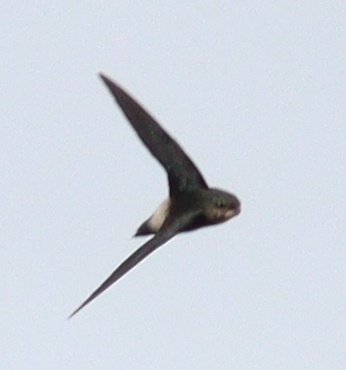
パナマハリオアマツバメ (Chaetura fumosa) パナマハリオアマツバメ
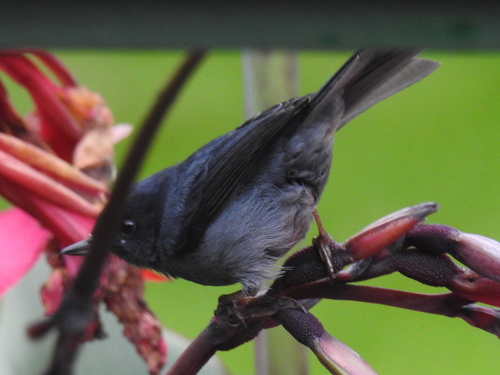
ウスズミハナサシミツドリ (Diglossa plumbea) ウスズミハナサシミツドリ

メディア

読み込み中…

要点

コスタリカハリオアマツバメとウスズミハナサシミツドリを区別する最も信頼できる方法は、全体的な構造と行動によるものです:ハリオアマツバメは、すす黒い体と淡い灰色の喉を持つ、コンパクトで速く飛ぶ空中昆虫食者であり、一方、ハナサシミツドリは、細く上向きのくちばしを持ち、羽毛に明確な性差がある小さな止まり木にとまる歌鳥です。幼鳥のウスズミハナサシミツドリは、ハリオアマツバメには決して存在しない2本の黄褐色の翼帯を示します。飛行中、ハリオアマツバメの流線型のシルエットと迅速で直接的な飛行は、ハナサシミツドリのよりひらひらした止まり木での動きとは異なります。生息地と文脈も役立ちます:ハリオアマツバメは高い空中や開けた空間で見られ、ハナサシミツドリは通常、低木や森林の端、しばしば花の近くにいます。

識別のコツ

  1. 幼鳥の翼帯: 幼鳥のウスズミハナサシミツドリだけが2本の黄褐色の翼帯を示します;コスタリカハリオアマツバメはどの年齢でも翼帯を持ちません。翼帯のある小さな鳥を見たら、それはハリオアマツバメではありません。
  2. 飛行スタイル: ハリオアマツバメはほぼ常に飛んでいるのが見られ、迅速で直接的、かつ力強い羽ばたきで飛びます。ハナサシミツドリは頻繁に止まり、枝の間をひらひらと移動し、花の上でホバリングします。
  3. くちばしの形: ハリオアマツバメは、飛行中に昆虫を捕まえるのに適した短くて広いくちばしを持っています。ハナサシミツドリは、花を刺すために適応した、細く上向きのくちばしを持っています。これは特に近距離や良い光の下で明らかです。
  4. 止まり木での行動: ハリオアマツバメは開けた場所に止まることはほとんどありませんが、ハナサシミツドリはしばしば露出した小枝や低木、花の近くに止まっているのが見られます。
  5. 羽毛の均一性: コスタリカハリオアマツバメは、上面がすす黒く青い光沢があり、淡い灰色の尾羽を持ち、喉と胸は淡い灰色です。ハナサシミツドリは性差を示します:オスは青灰色で、鉛灰色の喉を持ち、メスと若鳥は上面がオリーブ褐色で、下面がバフ色です。
  6. 下面の色: ハリオアマツバメは淡い灰色の喉と胸を持っていますが、他の下面はより暗いです。オスのハナサシミツドリは鉛灰色の喉と胸を持ち、メスと幼鳥は下面がより淡く、バフ色です。
  7. 尾と翼の色: ハリオアマツバメは鈍い黒の上尾覆羽と均一な翼を持っています。ハナサシミツドリは黒っぽい翼と尾を持ち、灰色の羽の縁(オス)または茶色(メス/幼鳥)があります。
  8. 生息地と標高: ハリオアマツバメは低地や丘陵の開けた空間に見られ、ハナサシミツドリは高標高の山地森林、端、花のある庭にいます。
  9. 鳴き声: 薄い「ツィップ」という鳴き声や複雑な歌を聞いたら、それはハナサシミツドリです。ハリオアマツバメはほとんど静かです。
  10. 採餌行動: ハリオアマツバメは飛行中に昆虫を捕まえ、ハナサシミツドリは花を刺して花蜜や小さな昆虫を葉から食べます。
  11. 性差: ハナサシミツドリだけがオスとメスの間に明確な違いを示し、ハリオアマツバメは性別が似ています。
  12. 文脈的手がかり: ハリオアマツバメは高い空中で群れで見られることが多いですが、ハナサシミツドリは孤独またはペアで、低い植生の中にいます。
  13. サイズと印象: 両者は小さいですが、ハリオアマツバメはより頑丈で流線型に見え、ハナサシミツドリはより繊細で植生の中でより活発です。
  14. ハチドリへの反応: ハナサシミツドリは領土的なハチドリに追いかけられ、隠れ場所に退避することがありますが、ハリオアマツバメにはそのような行動は見られません。
  15. 巣と卵(観察された場合): ハナサシミツドリは低木にカップ型の巣を作り、2個の茶色の斑点のある淡い青色の卵を産みます。ハリオアマツバメは異なる状況で巣を作り、巣で見られることは少ないです。

大きさ

両種は長さが似ています(コスタリカハリオアマツバメ約11 cm、ウスズミハナサシミツドリ約10 cm)が、ハリオアマツバメはより頑丈で連続飛行に適しており、ハナサシミツドリは軽量(10 g)で止まり木にとまったり植生の中を移動するのに適応しています。ハリオアマツバメの体はよりコンパクトで筋肉質であり、体のサイズに対して翼が長いのに対し、ハナサシミツドリはより繊細で、細く上向きのくちばしを持っています。

羽色

幼鳥のウスズミハナサシミツドリは、2本の黄褐色の翼帯と淡い黄色の下面の微かな縞模様によってコスタリカハリオアマツバメから容易に区別されます—これらの特徴はハリオアマツバメにはどの年齢でも見られません。成鳥のオスのハナサシミツドリは青灰色で、鉛灰色の喉と胸を持ち、黒っぽい翼と尾に灰色の羽の縁があります;メスと幼鳥は上面がオリーブ褐色で、下面がより淡く、ハリオアマツバメのすす黒い上面と淡い灰色の尾羽を欠いています。ハリオアマツバメは常に上面がすす黒く青い光沢があり、淡い灰色の尾羽と淡い灰色の喉と胸を持ち、性差はありません。ハリオアマツバメの羽毛は均一で、翼帯や強いコントラストが欠けているのに対し、ハナサシミツドリのパターンは性別や年齢によって異なります。

行動

コスタリカハリオアマツバメはほぼ常に飛んでいるのが見られ、昆虫を追い求めて空中を急速に切り裂き、開けた場所に止まることはほとんどありません。彼らの飛行は速く、直接的で力強いです。ウスズミハナサシミツドリは対照的に、低木に止まっている時間がほとんどで、花の間をひらひらと移動したり、樹冠や端で採餌したりしています。彼らはしばしば花を刺すために短時間ホバリングし、その動きはハリオアマツバメのものよりもひらひらしていて持続性が低いです。ハナサシミツドリはハチドリに追いかけられることがあり、隠れ場所に退避します。

生息環境

コスタリカハリオアマツバメはコスタリカとパナマの低地や丘陵に見られ、通常は開けた場所、森林の端、または開けた場所の上空を高く飛んでいるのが見られます。ウスズミハナサシミツドリは、タラマンカ山地の森林の高標高に制限され、1200 m以上、しばしばパラモの木の上にあります。彼らは山地の森林の端、日当たりの良い開けた場所、花のある低木の庭、密な植生を好みます。したがって、低地の森林の上空で鳥を見た場合はハリオアマツバメを指し、高標高の花のある低木で鳥を見た場合はハナサシミツドリの可能性が高いです。

声

ウスズミハナサシミツドリは薄い「ツィップ」という鳴き声と、 whistles、warbles、trillsを含む複雑で音楽的な歌を発します。コスタリカハリオアマツバメは一般的に静かで、飛行中に短い高音の鳴き声を出すことがあるだけで、 elaborate vocalizations で知られていません。止まっている鳥からの多様な歌や頻繁な鳴き声を聞くことは、ハナサシミツドリを強く示唆します。

より良い説明を送る

比較と同じ項目を使ってください。文章はすぐに公開されます。

The most reliable way to separate Costa Rican Swift from Slaty Flowerpiercer is by overall structure and behavior: the swift is a compact, fast-flying aerial insectivore with a sooty-black body and pale grayish throat, while the flowerpiercer is a small, perching songbird with a thin, upturned bill and distinctive sexual dimorphism in plumage. Juvenile Slaty Flowerpiercers show two tawny wing bars, which are never present on the swift. In flight, the swift’s streamlined silhouette and rapid, direct flight are unlike the flowerpiercer’s more fluttery, perching movements. Habitat and context also help: swifts are seen high overhead or in open air, while flowerpiercers are typically in shrubs or forest edges, often near flowers.

  1. Juvenile wing bars: Only juvenile Slaty Flowerpiercers show two tawny wing bars; Costa Rican Swifts never have wing bars at any age. If you see a small bird with wing bars, it is not a swift.
  2. Flight style: Swifts are almost always seen flying, with rapid, direct, and powerful wingbeats. Flowerpiercers perch frequently, flit between branches, and hover at flowers.
  3. Bill shape: Swifts have short, broad bills suited for catching insects in flight. Flowerpiercers have a thin, upturned bill with a hooked upper mandible—adapted for piercing flowers. This is especially obvious at close range or in good light.
  4. Perching behavior: Swifts rarely perch in the open, while flowerpiercers are often seen perched on exposed twigs, shrubs, or near flowers.
  5. Plumage uniformity: Costa Rican Swifts are sooty black above with a blue gloss and a pale grayish rump, and their throat and breast are pale grayish. Flowerpiercers show sexual dimorphism: males are blue-grey with a lead-grey throat, females and young are olive-brown above and buff below.
  6. Underpart color: Swifts have pale grayish throats and breasts, but the rest of the underparts are darker. Male flowerpiercers have a lead-grey throat and breast, while females and juveniles are paler and buffier below.
  7. Tail and wing color: Swifts have dull black uppertail coverts and uniform wings. Flowerpiercers have blackish wings and tail with grey feather edges (males), or brownish (females/juveniles).
  8. Habitat and elevation: Swifts are found in lowland and foothill open airspaces; flowerpiercers are in high-elevation montane forests, edges, and gardens with flowers.
  9. Vocalizations: If you hear a thin 'tsip' call or a complex song, it is a flowerpiercer. Swifts are mostly silent.
  10. Feeding behavior: Swifts catch insects in flight; flowerpiercers pierce flowers and feed on nectar and small insects from foliage.
  11. Sexual dimorphism: Only the flowerpiercer shows clear differences between males and females; swifts are sexually alike.
  12. Contextual clues: Swifts are often seen in groups high overhead; flowerpiercers are solitary or in pairs, low in vegetation.
  13. Size and jizz: Both are small, but the swift appears more robust and streamlined, while the flowerpiercer is daintier and more active in vegetation.
  14. Response to hummingbirds: Flowerpiercers may be chased by territorial hummingbirds and retreat into cover—a behavior not shown by swifts.
  15. Nest and eggs (if observed): Flowerpiercers build cup nests in shrubs and lay two brown-speckled pale blue eggs. Swifts nest in different situations and are unlikely to be seen at the nest.

Both species are similar in length (Costa Rican Swift ~11 cm, Slaty Flowerpiercer ~10 cm), but the swift is more robust and built for continuous flight, while the flowerpiercer is lighter (10 g) and adapted for perching and maneuvering among vegetation. The swift’s body is more compact and muscular, with longer wings relative to body size, whereas the flowerpiercer is more delicate and has a finer, upturned bill.

Juvenile Slaty Flowerpiercers are easily separated from Costa Rican Swifts by their two tawny wing bars and faintly streaked buff-yellow underparts—marks never shown by the swift at any age. Adult male flowerpiercers are blue-grey with a lead-grey throat and breast, blackish wings and tail with grey feather edges; females and young are olive-brown above, paler below, and lack the swift’s sooty-black upperparts and pale grayish rump. The swift is consistently sooty black above with a blue gloss, pale grayish rump, and pale grayish throat and breast, with no sexual dimorphism. The swift’s plumage is uniform and lacks wing bars or strong contrasts, while the flowerpiercer’s pattern varies by sex and age.

Costa Rican Swifts are almost always seen in flight, rapidly scything through the air in pursuit of insects, rarely perching in the open. Their flight is fast, direct, and powerful. Slaty Flowerpiercers, by contrast, spend most of their time perched in shrubs, flitting between flowers, or foraging in the canopy and edges. They often hover briefly to pierce flowers, and their movements are more fluttery and less sustained than the swift’s. Flowerpiercers may be chased by hummingbirds and retreat into cover.

Costa Rican Swifts are found in the lowlands and foothills of Costa Rica and Panama, typically seen flying high over open areas, forest edges, or clearings. Slaty Flowerpiercers are restricted to higher elevations in the Talamancan montane forests, from 1200 m upwards, often well above the timberline in páramo. They favor mountain forest edges, sunlit clearings, gardens with flowering shrubs, and dense vegetation. Thus, seeing a bird in the open sky over lowland forest points to swift; a bird in a flowering shrub at high elevation is likely a flowerpiercer.

The Slaty Flowerpiercer gives a thin 'tsip' call and a complex, musical song with whistles, warbles, and trills. Costa Rican Swifts are generally silent or give only brief, high-pitched calls in flight, and are not known for elaborate vocalizations. Hearing a varied song or frequent calls from a perched bird strongly suggests flowerpiercer.

変更を破棄しますか?

保存していない編集があります。今離れると失われます。

パナマハリオアマツバメ · ウスズミハナサシミツドリ · 苦手な鳥