

Motmot

カモハクチョウ 対 ノバリケン

Coscoroba coscoroba 対 Cairina moschata

カモハクチョウとノバリケンのクイズ
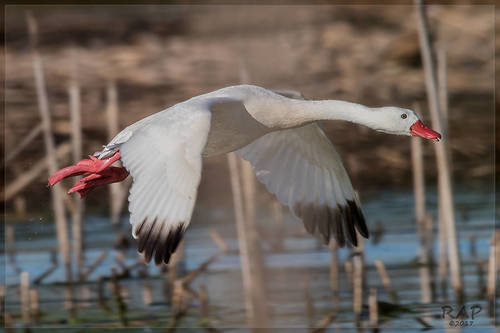
カモハクチョウ (Coscoroba coscoroba) カモハクチョウ
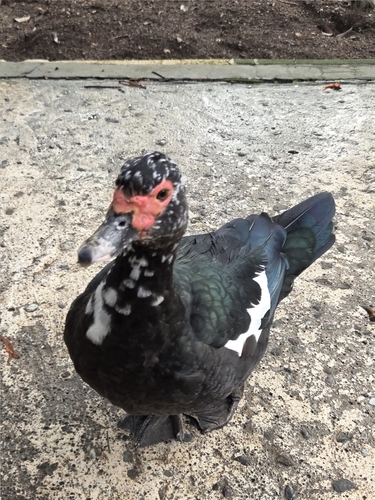
ノバリケン (Cairina moschata) ノバリケン

メディア

読み込み中…

要点

カモハクチョウとノバリケンの最も信頼できるフィールドマークは全体の羽色です:成鳥のカモハクチョウは純白で、外側の一次羽の先端だけが黒いのに対し、野生のノバリケンは主に黒く、大きな白い翼の斑点と暗い、裸でいぼいぼした顔を持っています。幼鳥のノバリケンは鈍い色合いで、強い白い翼の斑点が欠けていますが、依然として暗い羽色と顔の皮膚を示し、白鳥とは異なります。カモハクチョウはまた、はるかに大きく、白鳥のような姿勢を持ち、真の白鳥よりも短い首ですが、脚は長く、くちばしと足はピンク色です。ノバリケンは平らで広い尾を持ち、基部に赤または黒のこぶがある黒っぽいくちばしを持ち、しばしば木に止まったり巣を作ったりします。飛行中、カモハクチョウは主に白い翼を示し、外側の先端だけが黒いのに対し、ノバリケンは広範囲にわたる黒と白い斑点を示します。これらの違いはすべての年齢で見ることができますが、飼いならされたノバリケンは頭と首に変動する白を示すことがあり、無警戒な人を混乱させることがあります。

識別のコツ

  1. 飛行中の羽色(すべての年齢): カモハクチョウは外側の一次羽の先端だけが黒い白い翼を示します;ノバリケンは主に黒い翼を示し、大きな白い斑点があります(野生/飼いならされた鳥で変動しますが、常にカモハクチョウよりも黒が多いです)。
  2. 休息中の羽色(成鳥): カモハクチョウはピンクのくちばしと脚を持つ純白です;ノバリケンは主に黒で白い翼の斑点、赤/黒のこぶのある暗いくちばし、裸でいぼいぼした顔の皮膚を持っています。
  3. 幼鳥/未熟な羽色: 若いノバリケンは鈍い黒で、翼にほとんどまたは全く白がありませんが、依然として裸の顔と暗いくちばしを持っています;カモハクチョウの幼鳥は黒い先端のある白で、裸の顔の皮膚はありません。
  4. 顔とくちばし: カモハクチョウはくちばしの基部まで羽毛で覆われた顔を持ち、滑らかでピンクのくちばしを持っています;ノバリケンはくちばしの基部に黒または赤のこぶがある裸でいぼいぼした(いぼ状の)顔を持ち、くちばし自体は黒っぽく淡いピンクの斑点があります。
  5. 脚と足: カモハクチョウの脚と足は明るいピンクです;ノバリケンの脚は黒っぽく、足には止まるための長い爪があります。
  6. 尾の形: ノバリケンは広く平らな尾を持ち、しばしば水平に保たれます;カモハクチョウの尾は短く、目立ちません。
  7. 姿勢と印象: カモハクチョウは高く直立して立ち、真の白鳥よりも短い首ですが、いかなるカモよりも長いです;ノバリケンはより水平でカモのような姿勢です。
  8. サイズ: カモハクチョウははるかに重く、がっしりしています(4200 g対2125 gの平均)、より威圧的な存在感を持っています;雌のノバリケンは特にカモハクチョウと比較して小さいです。
  9. 生息地: カモハクチョウは自然の湿地や沼地に見られます;ノバリケンは都市公園、農場、または木に止まっているのがよく見られ、特にその原産地の外で見られます。
  10. 行動: カモハクチョウはめったに逆さにならず、しばしば陸で草を食べます;ノバリケンは木や構造物に止まることがあり、地上での休息がより一般的です。
  11. 声: カモハクチョウは大きな「コスコルー」またはフーという鳴き声を出します;ノバリケンはほとんど静かで、オスは低く息を吐くような鳴き声を出し、メスは静かなトリルのクーを出します。
  12. 飼いならされた/野生の混乱: 野生のノバリケンは頭と首に変動する白を示すことがありますが、常に裸でいぼいぼした顔と暗いくちばしを持っています;カモハクチョウは決して裸の皮膚やくちばしの基部にこぶを示しません。
  13. 人との関係: ノバリケンはしばしば人間の近くに見られ、飼いならされているか害虫のようです;カモハクチョウは都市の環境で見られる可能性が低いです。
  14. 性差の二形性: オスのノバリケンはより大きく、より虹色で、顔のいぼが大きいです;カモハクチョウの性別はサイズを除いて似ていますが、オスの方が大きいです。
  15. くちばしの色: カモハクチョウのくちばしは常にピンクです;ノバリケンのくちばしは黒っぽく淡いピンクの斑点があり、時々野生の鳥で変動しますが、決して完全にピンクではありません。

大きさ

カモハクチョウはノバリケンよりもはるかに重く、がっしりしており、成鳥の平均体重は4200 gで、ノバリケンは2125 gです。カモハクチョウは南アメリカの水鳥の中で最も大きい種の一つですが、真の白鳥よりも小さく、首も短いです。ノバリケンのオスは最大で3〜4 kgに達することがありますが、それでもカモハクチョウよりも軽く、威圧感は少ないです。白鳥はより高く立ち、脚は長く、より直立した白鳥のような姿勢を持ち、ノバリケンはより水平でカモのようです。雌のノバリケンはどちらの性別のカモハクチョウよりもはるかに小さく、頑丈さがありません。

羽色

成鳥のカモハクチョウは外側の6本の一次羽の先端が黒い以外は純白です。これらは飛行中または翼が伸ばされたときにのみ見えます。彼らのくちばしと脚は明るいピンクで、顔はくちばしの基部まで完全に羽毛で覆われています。野生のノバリケンは主に黒で、翼に大きな白い斑点があります(オスではより広範囲にわたります)、そして虹色で光沢のある背中と翼の羽毛を持っています。顔は裸で、くちばしの基部に暗い赤または黒っぽいこぶがあり、くちばし自体は黒で淡いピンクの斑点があります。雌はより小さく、地味で、顔のいぼが目立たないです。幼鳥のノバリケンは全体的に鈍い色合いで、翼にほとんどまたは全く白がありませんが、依然として暗い裸の顔と黒っぽい羽色を示します。野生/飼いならされたノバリケンは頭と首に変動する白を示すことがありますが、常に裸でいぼいぼした顔と暗いくちばしを保持します。飛行中、カモハクチョウは外側の先端だけが黒い白い翼を示し、ノバリケンは白い斑点のある黒い翼を示します。これらの対比はすべての年齢で保持されますが、ノバリケンの白の量は野生/飼いならされた鳥で変動することがあります。

行動

カモハクチョウはしばしば浅い水で泳いだり、足を使って餌を探し、他の白鳥のように逆さになることはめったにありません。また、陸で草を食べることもでき、長い脚のおかげで簡単に歩くことができ、陸や水からすぐに離陸します。ノバリケンは行動がよりカモのようで、しばしば木や構造物に止まったり巣を作ったりし、水上でも陸上でも見られます。彼らは止まるための長い爪を持ち、捕食者を避けるために水上で眠ることがあります。野生のノバリケンはしばしば都市や郊外の環境で見られ、時には害虫になることがあります。カモハクチョウは自然の湿地で見られる可能性が高く、人間の居住地とはあまり関連がありません。

生息環境

カモハクチョウは南アメリカ南部に自生し、アルゼンチン、ボリビア、ブラジル、チリ、パラグアイ、ウルグアイ、フォークランド諸島の湿地、湖、沼地に見られます。ノバリケンは南テキサスとメキシコからアルゼンチンとウルグアイまで自生していますが、野生の個体群は世界の多くの地域、特に都市や郊外の公園、農場、人間の居住地の近くに存在します。カモハクチョウはより自然な湿地の生息地を好み、ノバリケンは非常に適応性が高く、人々の近く、特に農場や都市公園で見られることがよくあります。

声

カモハクチョウは特徴的な擬音語の「コスコルー」という鳴き声を出し、通常は脅威として、接触の鳴き声として単音のフーという音を出します。幼鳥は大きなチュンチュンやトリルを出します。ノバリケンのオスは低く息を吐くような鳴き声を出し、メスは静かなトリルのクーを出します。どちらの種も特に声が大きいわけではありませんが、カモハクチョウの鳴き声はより共鳴し、白鳥のようであり、ノバリケンは静かで音で注意を引く可能性が低いです。

より良い説明を送る

比較と同じ項目を使ってください。文章はすぐに公開されます。

The most reliable field mark between Coscoroba Swan and Muscovy Duck is overall plumage: adult Coscoroba Swans are pure white with only black tips to the outer primaries, while wild Muscovy Ducks are predominantly black with large white wing patches and a dark, bare, warty face. Juvenile Muscovy Ducks are duller and lack the strong white wing patches, but still show dark plumage and facial skin unlike the swan. Coscoroba Swan is also much larger and more swan-like in posture, with a shorter neck than true swans but longer legs and a pink bill and feet. Muscovy Ducks have a flatter, broader tail, a blackish bill with a red or black knob at the base, and often perch or nest in trees. In flight, Coscoroba Swan shows a mostly white wing with only black tips, while Muscovy Duck shows extensive black with white patches. These differences are visible at all ages, though domestic Muscovy Ducks can show variable white on the head and neck, which can confuse the unwary.

  1. Plumage in flight (all ages): Coscoroba Swan shows a white wing with only black tips to the outer primaries; Muscovy Duck shows a mostly black wing with large white patches (variable in feral/domestic birds, but always more black than Coscoroba).
  2. Plumage at rest (adults): Coscoroba Swan is pure white with pink bill and legs; Muscovy Duck is mostly black with white wing patches, a dark bill with red/black knob, and bare, warty facial skin.
  3. Juvenile/immature plumage: Young Muscovy Ducks are duller black with little or no white on the wing, but still have a bare face and dark bill; Coscoroba Swan immatures are white with black-tipped primaries, lacking any bare facial skin.
  4. Face and bill: Coscoroba Swan has a fully feathered face to the base of the bill and a smooth, pink bill; Muscovy Duck has a bare, warty (carunculated) face with a black or red knob at the bill base, and a blackish bill with pale pink speckling.
  5. Legs and feet: Coscoroba Swan's legs and feet are bright pink; Muscovy Duck's are blackish, and the feet have long claws for perching.
  6. Tail shape: Muscovy Duck has a wide, flat tail, often held horizontally; Coscoroba Swan's tail is shorter and less prominent.
  7. Posture and jizz: Coscoroba Swan stands tall and upright, with a shorter neck than true swans but still longer than any duck; Muscovy Duck is more horizontal and duck-like in stance.
  8. Size: Coscoroba Swan is much heavier and bulkier (4200 g vs. 2125 g average), with a more imposing presence; female Muscovy Ducks are especially small compared to any Coscoroba Swan.
  9. Habitat: Coscoroba Swan is found in natural wetlands and marshes; Muscovy Duck is often seen in urban parks, farms, or perched in trees, especially outside its native range.
  10. Behavior: Coscoroba Swan rarely upends and often grazes on land; Muscovy Duck may perch in trees or on structures and is more likely to be seen roosting above ground.
  11. Voice: Coscoroba Swan gives a loud 'cos-cor-oo' or hooting call; Muscovy Duck is mostly silent, with males giving a low breathy call and females a quiet trilling coo.
  12. Domestic/feral confusion: Feral Muscovy Ducks can show variable white on the head and neck, but always have a bare, warty face and dark bill; Coscoroba Swan never shows bare skin or a knob at the bill base.
  13. Association with people: Muscovy Ducks are often found near humans and may be tame or pest-like; Coscoroba Swans are less likely to be found in urban settings.
  14. Sexual dimorphism: Male Muscovy Ducks are larger and more iridescent, with bigger facial caruncles; Coscoroba Swan sexes are similar except for size, with males being larger.
  15. Bill color: Coscoroba Swan's bill is always pink; Muscovy Duck's bill is blackish with pale pink speckling, sometimes variable in feral birds but never fully pink.

Coscoroba Swan is significantly heavier and bulkier than Muscovy Duck, with an average adult mass of 4200 g compared to 2125 g for Muscovy. Coscoroba Swan is one of the largest South American waterfowl, but still smaller and shorter-necked than true swans. Muscovy Duck males can reach up to 3–4 kg, but are still lighter and less imposing than Coscoroba Swan. The swan stands taller, with longer legs, and has a more upright, swan-like posture, while Muscovy Duck is more horizontal and duck-like. Female Muscovy Ducks are much smaller and less robust than Coscoroba Swans of either sex.

Adult Coscoroba Swans are pure white except for black tips to the outer six primaries, which are only visible in flight or when the wing is stretched. Their bill and legs are bright pink, and the face is fully feathered to the base of the bill. Muscovy Ducks, in wild form, are mostly black with large white patches on the wings (more extensive in males), and have iridescent, glossy back and wing feathers. The face is bare with a dark red or blackish knob at the bill base, and the bill itself is black with pale pink speckling. Females are smaller and drabber, with less prominent facial caruncles. Juvenile Muscovy Ducks are duller overall, with little or no white on the wing, but still show a dark, bare face and blackish plumage. Feral/domestic Muscovy Ducks can show variable white on the head and neck, but always retain the bare, warty face and dark bill. In flight, Coscoroba Swan shows a white wing with only black tips, while Muscovy Duck shows black wings with white patches. These contrasts hold for all ages, though the amount of white in Muscovy Duck can vary in feral/domestic birds.

Coscoroba Swan often forages while swimming or wading in shallow water and is rarely seen upending like other swans. It also grazes on land and can walk easily due to its longer legs, taking off quickly from land or water. Muscovy Ducks are more duck-like in behavior, often perching or nesting in trees or on structures, and are seen both on water and on land. They have long claws for perching and may sleep on water to avoid predators. Feral Muscovy Ducks are often found in urban or suburban settings, sometimes becoming pests. Coscoroba Swans are more likely to be seen in natural wetlands and are less associated with human habitation.

Coscoroba Swan is native to southern South America, found in wetlands, lakes, and marshes in Argentina, Bolivia, Brazil, Chile, Paraguay, Uruguay, and the Falkland Islands. Muscovy Duck is native from southern Texas and Mexico south to Argentina and Uruguay, but feral populations occur in many parts of the world, especially in urban and suburban parks, farms, and near human habitation. Coscoroba Swan prefers more natural wetland habitats, while Muscovy Duck is highly adaptable and often found near people, including on farms and in city parks.

Coscoroba Swan gives a distinctive onomatopoeic 'cos-cor-oo' call, usually as a threat, and a monosyllabic hooting note as a contact call. Immatures make loud chirps and trills. Muscovy Duck males have a low, breathy call, while females give a quiet trilling coo. Neither species is particularly vocal, but the Coscoroba Swan's calls are more resonant and swan-like, while Muscovy Duck is quieter and less likely to draw attention by sound.

変更を破棄しますか?

保存していない編集があります。今離れると失われます。

カモハクチョウ · ノバリケン · 苦手な鳥