

Motmot

クロボウシヒメウソ 対 チャバラヒメウソ

Sporophila bouvreuil 対 Sporophila hypoxantha

クロボウシヒメウソとチャバラヒメウソのクイズ
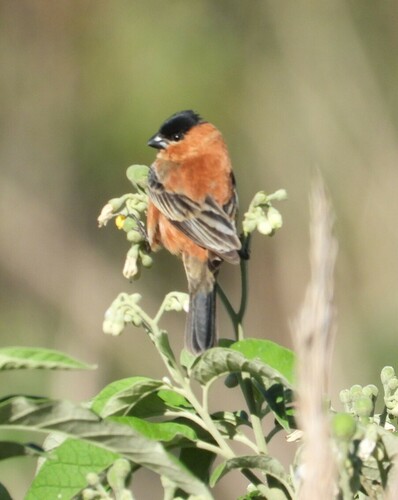
クロボウシヒメウソ (Sporophila bouvreuil) クロボウシヒメウソ
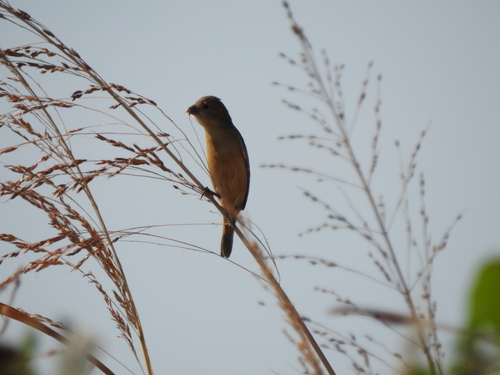
チャバラヒメウソ (Sporophila hypoxantha) チャバラヒメウソ

メディア

読み込み中…

要点

成鳥のオスは頭の色で最も確実に区別されます:クロボウシヒメウソは黒い帽子を持ち、チャバラヒメウソは灰色がかった冠と後頭部を示します。 両者は体のサイズと構造が似た小さく短いくちばしの種子食べ鳥で、両種の両性は混乱を招くほど地味な茶色または淡い色をしています。すべての羽色において、頭の模様の広がりと色、腹部のトーン、白い翼の斑点の形とサイズを確認してください。雌と幼鳥は特に難しいですが、翼の縁取りや腹部の色の微妙な違いが役立つことがあります。両種はブラジルとパラグアイで生息域と生息地が重なっているため、注意深い観察が必要です。

識別のコツ

  1. 成鳥のオスの頭の模様が最良のフィールドマークです: クロボウシヒメウソのオスは目の下まで黒い帽子を持ち、チャバラヒメウソのオスは灰色がかった冠と後頭部を持ち、茶色または赤褐色の顔をしています。これは繁殖羽色で最も信頼できるマークです。
  2. オスの腹部の色: クロボウシヒメウソのオスは下側がシナモン色で、チャバラヒメウソのオスは茶色から淡い赤褐色で、しばしば腹部が最も暗いです。この違いは薄暗い光の中では微妙です。
  3. 翼のパネルの形とサイズ: 側に止まっている鳥を見て、一次羽の基部にある白い斑点を探してください。クロボウシヒメウソはより大きく、より長方形の白いパネルを示し、チャバラヒメウソのものは小さく、時にはほとんど見えません。このマークは両性およびすべての年齢で見られますが、良い光の中で止まっている鳥に最も役立ちます。
  4. 翼の縁取りの色: クロボウシヒメウソはカシミヤ茶色から白っぽい縁取りを持ち、チャバラヒメウソは砂色の縁取りを持っています。これは微妙ですが、近くで見ると役立つことがあります。
  5. 尾の模様: 両種は黒っぽい尾を持っていますが、チャバラヒメウソは外側の尾羽(オス)に灰色の縁取りがあり、クロボウシヒメウソの尾はより均一に黒っぽいです。
  6. 雌と幼鳥の上面: クロボウシヒメウソの雌/幼鳥は上面がオリーブ茶色で、チャバラヒメウソの雌/幼鳥は砂色です。照明や摩耗によってこの違いがぼやけることがあります。
  7. 雌と幼鳥の腹部: クロボウシヒメウソの雌/幼鳥は白っぽい腹を持つオーカー色の腹部を持ち、チャバラヒメウソの雌/幼鳥は暖かいバフ色で、喉と腹部が最も淡いです。これは微妙で変動があります。
  8. くちばしの色: 両種は短くて太いくちばしを持っています。両方のオスは黒いくちばしを持ち、雌のチャバラヒメウソは暗い角のようなくちばしを示すことがありますが、これは常に明らかではありません。
  9. 脚の色: 両方のオスは黒っぽい脚を持っていますが、雌のチャバラヒメウソはやや淡い脚を持つことがあります。強いフィールドマークではありません。
  10. 虹彩の色: 両方の種は暗い茶色の虹彩を持ち、区別には役立ちません。
  11. サイズと構造: 両者は小さく、コンパクトな種子食べ鳥で、比例が似ています。サイズや印象に頼らないでください。
  12. 生息地と範囲: 両者はブラジルとパラグアイで似た生息地に生息しています。チャバラヒメウソは南アメリカの南部でより広範囲に分布していますが、これは重なり合う地域では役立ちません。
  13. 声: 利用可能な情報源には特に区別される声の違いは記載されていません。現在の情報に基づいて歌や呼び声を使用して区別しないでください。
  14. 季節と換羽: 両種は年間を通じて性的二形性を持っています。非繁殖羽色のオスはより鈍い外観になることがありますが、重要な頭部と腹部の色の違いを保持します。幼鳥は両種の雌に似ているため、微妙な色と翼のパネルの違いを使用してください。
  15. 落とし穴: 未成熟のオスは中間的な羽色を示すことがあり、完全な頭の色が欠けている場合があります—この場合、翼のパネルのサイズと腹部のトーンを二次的な手がかりとして使用してください。

大きさ

両種は最小のSporophilaの中で、クロボウシヒメウソは9.5〜10 cm、チャバラヒメウソは約10 cmの長さです。チャバラヒメウソは平均10.5 gの質量を持ちますが、クロボウシヒメウソの体重は指定されていません—おそらく非常に似ています。構造はほぼ同一で、両者は短くて太いくちばしとコンパクトな比例を持っています。サイズはフィールドでの信頼できる区別ではありません。

羽色

行動

利用可能な情報源には診断的な行動の違いは記載されていません。両種は典型的な種子食べ鳥で、しばしば草原で採餌しているか、露出した茎に止まっているのが見られます。飛行スタイルや採餌行動は、これらの二者の間で特に区別されているとは記載されていません。

生息環境

両種はブラジルとパラグアイで広く重なり合い、特に草原や高い草のある地域で似たような開けた生息地に見られます。チャバラヒメウソはより広い範囲を持ち、アルゼンチン、ボリビア、ウルグアイにも生息していますが、クロボウシヒメウソはブラジル、パラグアイ、スリナムにより制限されています。両者は農業や焼却による生息地の喪失の影響を受けていますが、生息地だけでは重なり合う範囲では信頼できる区別にはなりません。

より良い説明を送る

比較と同じ項目を使ってください。文章はすぐに公開されます。

Adult males are most reliably separated by head color: Copper Seedeater has a black cap, while Tawny-bellied Seedeater shows a grayish crown and nape. Both are tiny, short-billed seedeaters with similar body size and structure, and both sexes of both species can be confusingly plain brown or buff. In all plumages, check for the extent and color of the head pattern, the tone of the underparts, and the shape and size of the white wing patch. Females and juveniles are especially tricky, but subtle differences in wing edging and underpart color can help. Both species overlap in range and habitat in Brazil and Paraguay, so careful observation is needed.

  1. Adult male head pattern is the best field mark: Copper Seedeater males have a solid black cap down to the eye, while Tawny-bellied Seedeater males have a grayish crown and nape with a tawny or rufous face. This is the most reliable mark in breeding plumage.
  2. Underpart color in males: Copper Seedeater males are cinnamon below, while Tawny-bellied Seedeater males are tawny to pale rufous, often darkest on the belly. This difference can be subtle in poor light.
  3. Wing panel shape and size: On perched birds, look for the white patch at the base of the primaries. Copper Seedeater shows a larger, more rectangular white panel; Tawny-bellied Seedeater's is smaller and sometimes barely visible. This mark is visible in both sexes and all ages, but is most useful on perched birds in good light.
  4. Wing edging color: Copper Seedeater has cinnamon-brown to whitish edges on the coverts and tertials; Tawny-bellied Seedeater has sandy brown edges. This is subtle but can help on close views.
  5. Tail pattern: Both species have blackish tails, but Tawny-bellied Seedeater has gray edges on the outer tail feathers (in males), while Copper Seedeater's tail is more uniformly blackish.
  6. Female and juvenile upperparts: Copper Seedeater females/juveniles are olive-brown above; Tawny-bellied Seedeater females/juveniles are sandy brown. Lighting and wear can blur this difference.
  7. Female and juvenile underparts: Copper Seedeater females/juveniles have ochre-buff underparts with a whitish belly; Tawny-bellied Seedeater females/juveniles are warm buff, palest on the throat and belly. This is subtle and variable.
  8. Bill color: Both species have a short, thick bill. Males of both are black-billed; female Tawny-bellied Seedeater can show a dark horn-colored bill, but this is not always obvious.
  9. Leg color: Both have blackish legs (males), but female Tawny-bellied Seedeater may have slightly paler legs. Not a strong field mark.
  10. Iris color: Both have dark brown irises; not useful for separation.
  11. Size and structure: Both are tiny, compact seedeaters with similar proportions. Do not rely on size or jizz.
  12. Habitat and range: Both occur in Brazil and Paraguay in similar habitats. Tawny-bellied Seedeater is more widespread in southern South America, but this does not help in overlapping areas.
  13. Voice: No distinctive vocal differences are described in the available sources; do not use song or call for separation based on current information.
  14. Season and molt: Both species are sexually dimorphic year-round; males in non-breeding plumage may appear duller but retain key head and underpart color differences. Juveniles resemble females in both species, so use subtle color and wing panel differences.
  15. Pitfall: Immature males may show intermediate plumage, lacking full head color—use wing panel size and underpart tone as secondary clues in these cases.

Both species are among the smallest Sporophila, with Copper Seedeater at 9.5–10 cm and Tawny-bellied Seedeater at about 10 cm in length. Tawny-bellied Seedeater averages 10.5 g in mass [wikidata], but Copper Seedeater's weight is not specified—likely very similar. Structure is nearly identical: both have a short, thick bill and compact proportions. Size is not a reliable separator in the field.

  • Juveniles and Females: Both resemble each other closely, with overall brown or olive-brown upperparts and buff underparts, but Copper Seedeater females/juveniles are more olive-brown above and ochre-buff below, while Tawny-bellied Seedeater females/juveniles are sandy brown above with warmer buff underparts. Both show darker wings and tail with paler edges, and a small white patch at the base of the primaries, but this patch is usually larger and more rectangular in Copper Seedeater, and smaller or less distinct in Tawny-bellied Seedeater.

  • Adult Males: Copper Seedeater males have a black cap extending to the eye, cinnamon body, and blackish tail and thighs. Tawny-bellied Seedeater males have a grayish crown and nape, tawny to rufous face, and tawny/rufous underparts, with a blackish tail edged gray. Both have dark wings with pale edges, but Copper Seedeater's wing edges are cinnamon-brown to whitish, while Tawny-bellied Seedeater's are sandy brown. The white primary patch is larger and more rectangular in Copper Seedeater, and smaller in Tawny-bellied Seedeater.

No diagnostic behavioral differences are noted in the available sources. Both species are typical seedeaters, often seen foraging in grasslands or perched on exposed stems. Flight style and feeding behavior are not described as distinctive between these two.

Both species overlap widely in Brazil and Paraguay and are found in similar open habitats, especially grasslands and areas with tall grasses. Tawny-bellied Seedeater has a broader range, also occurring in Argentina, Bolivia, and Uruguay, while Copper Seedeater is more restricted to Brazil, Paraguay, and Suriname. Both are affected by habitat loss due to agriculture and burning, but habitat alone is not a reliable separator where ranges overlap.

変更を破棄しますか?

保存していない編集があります。今離れると失われます。

クロボウシヒメウソ · チャバラヒメウソ · 苦手な鳥