

Motmot

モリバト 対 シッポウバト

Columba palumbus 対 Oena capensis

モリバトとシッポウバトのクイズ
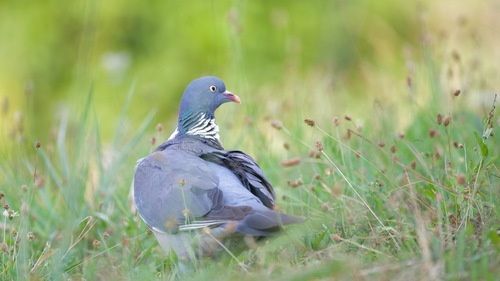
モリバト (Columba palumbus) モリバト
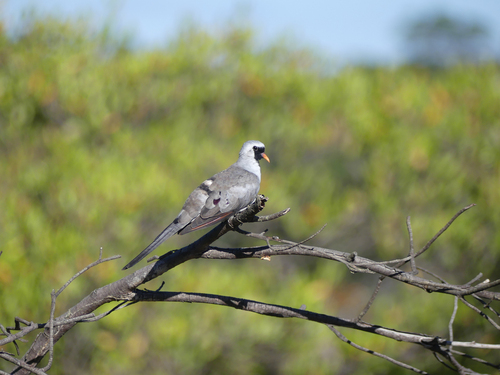
シッポウバト (Oena capensis) シッポウバト

メディア

読み込み中…

要点

モリバトとシッポウバトを区別する最も信頼できる方法は、サイズと構造です:Woodpigeonは巨大で重い体を持つ鳩で、広い翼と短い尾を持っていますが、シッポウバトは非常に小さく、極端に長い尾を持ち、ほぼオーストラリアインコのようです。飛行中、Woodpigeonは広い白い翼の帯と大きく丸い形を示し、シッポウバトは栗色の初列羽と細い黒い先端の尾を見せます。成鳥のオスのシッポウバトは、Woodpigeonでは見られない特徴的な黒い顔と喉を持っています。幼鳥のWoodpigeonは白い首の斑点がありませんが、いまだにどのシッポウバトよりもはるかに大きいです。白い腹と翼に栗色のある小さくて長い尾の鳩を見たら、それはシッポウバトです;首と翼に白い部分のある大きくて淡い鳩はWoodpigeonです。

識別のコツ

  1. Size and bulk: Woodpigeonは巨大で重い体を持ち、繊細なシッポウバトには近づくことはありません。もしその鳥がスズメのサイズか、シラコバトよりも小さく見えるなら、それはWoodpigeonではありません。
  2. Tail shape and length: シッポウバトは非常に長く、細い黒い先端の尾を持ち、飛行中はまっすぐに伸ばされるか、止まっているときは少し傾いています。Woodpigeonは黒い先端のない広く丸い尾を持っています。
  3. Flight pattern and wing markings: 飛行中、Woodpigeonは広い白い翼の帯と翼の白い後縁を示し、すべての年齢で見られます。シッポウバトは栗色の初列羽と長く狭い尾を見せ、白い翼の斑点はありません。
  4. Adult male シッポウバト: 黒い顔、喉、胸を示し、黄色と赤のくちばしを持っています—どの年齢や性別のWoodpigeonでも見られません。
  5. Neck patches: 成鳥のWoodpigeonは緑と白の首の斑点を持っています;幼鳥はこれを欠いていますが、顔に黒や翼に栗色を示すことはありません。
  6. Breast color: Woodpigeonはピンクがかった胸を持ち、シッポウバトの胸は白(雌/未成熟)または黒(雄)です。
  7. Bill color: シッポウバトのオスは黄色と赤のくちばしを持ち、雌は赤を基にした灰色のくちばしを持っています。Woodpigeonは平坦なくちばしを持ち、幼鳥は灰色で、二色ではありません。
  8. Eye color: Woodpigeonは淡い黄色の目を持っています(成鳥);シッポウバトの目の色は区別するための特徴ではありません。
  9. Juvenile confusion: 幼鳥のWoodpigeonは首の斑点が欠けていますが、依然として大きく、淡く、均一な灰色で、栗色や黒はありません。幼鳥のシッポウバトは翼/肩に暗い斑点があり、白い腹と長い尾を持っています。
  10. Perched posture: Woodpigeonは直立して止まり、しばしば高い木に止まります;シッポウバトは低い位置や地面に止まり、水平な姿勢で長い尾を引きずります。
  11. Flock size: 大きな群れはWoodpigeonを示唆します;シッポウバトは通常一羽またはペアでいます。
  12. Habitat: Woodpigeonは温帯の森林、公園、農地に生息し、しばしば木、道路、または川の近くにいます;シッポウバトは乾燥した開けた国、サバンナ、半乾燥地域に生息します。
  13. Takeoff and flight sound: Woodpigeonは大きな音を立てて離陸します;シッポウバトは静かで目立たないです。
  14. Voice: Woodpigeonは大きく繰り返し鳴きます;シッポウバトは静かで悲しげです。
  15. Season and location: ヨーロッパや温帯の森林にいる場合はWoodpigeonを期待してください;乾燥したアフリカやアラビアではシッポウバトを期待してください。

大きさ

サイズは最も明らかな違いです:モリバトはこの地域で最大の鳩の一つで、長さは38〜44.5 cm、質量は300〜615 gです。シッポウバトは比較すると非常に小さく、長さは約22 cm、質量は36〜40 gです。距離があっても、Woodpigeonは巨大で重く見え、シッポウバトは繊細でスズメのサイズに見え、比例的に長い尾を持っています。翼幅も大きく異なります:Woodpigeonは68〜80 cm、シッポウバトは28〜33 cmです。重複はありません。

羽色

幼鳥と未熟な鳥は混乱の一般的な原因ですが、年齢特有の翼と尾のパターンが診断的です。幼鳥のWoodpigeonは成鳥の白い首の斑点が欠けていますが、顔や翼に栗色や黒はなく、均一で淡い灰色の外観を保っています。幼鳥のシッポウバトは成鳥の雌に似ており、顔や喉に黒はなく、翼と肩に暗い斑点と白い腹を示します。飛行中、すべての年齢のWoodpigeonは広い白い翼の帯と白い後縁を示し、すべての年齢のシッポウバトは栗色の初列羽と非常に長く細い黒い先端の尾を見せます。成鳥のオスのシッポウバトは目を引く黒い顔、喉、胸、黄色と赤のくちばしを持ち、Woodpigeonでは決して見られません。雌と幼鳥は黒を欠いていますが、長い尾と栗色の初列羽を示します。Woodpigeonの成鳥は緑と白の首の斑点とピンクがかった胸を持ち、淡い黄色の目を持っています;シッポウバトは首の斑点がなく、平坦な灰色の顔(雌/未熟)または黒(雄)を持っています。

行動

Woodpigeonは繁殖期以外は群れを作り、大きな群れを形成することが多く、高い木や建物に止まります。その飛行は重く、深い翼の打撃と時折の鋭いひねりがあり、大きな音を立てて離陸します。シッポウバトは通常孤独またはペアで、群れを作ることはまれで、地面や低い止まり木で多くの時間を過ごします。その飛行は軽く、速く、直接的で、迅速な翼の打撃と特徴的な長い尾が後ろに引きずられます。Woodpigeonはしばしば翼を下げて尾を出しながら枝を歩くことでディスプレイを行いますが、シッポウバトはより秘密主義で目立つようにディスプレイすることは少ないです。

生息環境

Woodpigeonは森林、公園、庭、農業地域を好み、しばしば木、道路、または川の近くにいます。温帯地域では一般的で、農業害虫と見なされています。シッポウバトは乾燥した開けた国、サバンナ、半乾燥地域に生息し、しばしば水の近くにいますが、密な森林は避けます。サハラ以南のアフリカ、アラビア、マダガスカルに広く分布し、Woodpigeonと同じ温帯の森林には生息していません。範囲の重複は最小限で、いくつかの乾燥地帯を除いてほとんどありません。

声

Woodpigeonは大きく繰り返し鳴く声を持ち、しばしば鳥が見られる前に聞こえます。シッポウバトの歌は静かで短い二重の「フー」で、2番目の音は長く高いです:「クフー」、悲しげに繰り返されます。Woodpigeonの鳴き声ははるかに力強く、遠くまで届きますが、シッポウバトの鳴き声は柔らかく、簡単に聞き逃されます。

より良い説明を送る

比較と同じ項目を使ってください。文章はすぐに公開されます。

The most reliable way to separate Common Woodpigeon from Namaqua Dove is size and structure: Woodpigeon is a huge, heavy-bodied pigeon with broad wings and a short tail, while Namaqua Dove is tiny and extremely long-tailed, almost budgerigar-like. In flight, Woodpigeon shows broad white wing bars and a large, rounded shape; Namaqua Dove flashes chestnut primaries and a thin, black-tipped tail. Adult male Namaqua Doves have a distinctive black face and throat, never seen in Woodpigeon. Juvenile Woodpigeons lack the white neck patches but are still much bulkier than any Namaqua Dove. If you see a small, long-tailed dove with a white belly and chestnut in the wing, it's Namaqua Dove; a large, pale pigeon with white on the neck and wing is Woodpigeon.

  1. Size and bulk: Woodpigeon is huge and heavy-bodied, never approached by the tiny, delicate Namaqua Dove. If the bird looks sparrow-sized or smaller than a collared dove, it's not a Woodpigeon.
  2. Tail shape and length: Namaqua Dove has an extremely long, thin, black-tipped tail, often held straight out in flight or slightly cocked when perched. Woodpigeon has a broad, rounded tail with no black tip.
  3. Flight pattern and wing markings: In flight, Woodpigeon shows broad white wing bars and a white trailing edge on the wing, visible in all ages. Namaqua Dove flashes chestnut primaries and a long, narrow tail; no white wing markings.
  4. Adult male Namaqua Dove: Shows a black face, throat, and breast, with a yellow-and-red bill—never seen in Woodpigeon of any age or sex.
  5. Neck patches: Adult Woodpigeons have green and white neck patches; juveniles lack these but never show black on the face or chestnut in the wings.
  6. Breast color: Woodpigeon has a pinkish breast; Namaqua Dove's breast is white (female/immature) or black (male).
  7. Bill color: Namaqua Dove males have a yellow-and-red bill; females have a red-based grey bill. Woodpigeon has a plain bill, grey in juveniles, not bicolored.
  8. Eye color: Woodpigeon has pale yellow eyes (adults); Namaqua Dove's eye color is not distinctive for separation.
  9. Juvenile confusion: Juvenile Woodpigeons lack neck patches but are still large, pale, and uniform grey, with no chestnut or black. Juvenile Namaqua Doves have dark blotches on wings/shoulders and a white belly, with a long tail.
  10. Perched posture: Woodpigeon perches upright, often high in trees; Namaqua Dove perches low or on the ground, with a horizontal stance and long tail trailing.
  11. Flock size: Large groups suggest Woodpigeon; Namaqua Dove is usually alone or in pairs.
  12. Habitat: Woodpigeon in temperate woodlands, parks, and farmland; Namaqua Dove in dry, open, or semi-arid country.
  13. Takeoff and flight sound: Woodpigeon takes off with a loud clatter; Namaqua Dove is silent and unobtrusive.
  14. Voice: Woodpigeon is loud and repetitive; Namaqua Dove is quiet and mournful.
  15. Season and location: If in Europe or temperate woodland, expect Woodpigeon; in arid Africa or Arabia, expect Namaqua Dove.

Size is the single most obvious difference: Common Woodpigeon is among the largest pigeons in the region, with a length of 38–44.5 cm and a mass of 300–615 g. Namaqua Dove is minute by comparison, only about 22 cm long and 36–40 g in mass. Even at a distance, Woodpigeon looks massive and heavy, while Namaqua Dove appears delicate and sparrow-sized, with a disproportionately long tail. Wingspan also differs greatly: Woodpigeon 68–80 cm, Namaqua Dove 28–33 cm. There is no overlap.

Juvenile and immature birds are a common source of confusion, but the age-specific wing and tail patterns are diagnostic. Juvenile Woodpigeons lack the adult's white neck patches but retain a uniform, pale grey appearance with no chestnut or black on the face or wings. Juvenile Namaqua Doves resemble adult females, with no black on the face or throat, but show dark blotches on the wings and shoulders and a white belly. In flight, Woodpigeon of all ages shows broad white wing bars and a white trailing edge, while Namaqua Dove of all ages flashes chestnut primaries and a very long, thin, black-tipped tail. Adult male Namaqua Doves have a striking black face, throat, and breast, and a yellow-and-red bill, never matched by Woodpigeon. Females and juveniles lack the black but still show the long tail and chestnut primaries. Woodpigeon adults have green and white neck patches and a pinkish breast, with pale yellow eyes; Namaqua Dove lacks neck patches and has a plain grey face (female/immature) or black (male).

Woodpigeon is gregarious outside the breeding season, often forming large flocks, and perches high in trees or on buildings. Its flight is heavy, with deep wingbeats and occasional sharp flicks, and it takes off with a loud clatter. Namaqua Dove is typically solitary or in pairs, rarely in groups, and spends much time on the ground or low perches. Its flight is light, fast, and direct, with rapid wingbeats and a distinctive long tail trailing behind. Woodpigeon often displays by walking along branches with wings down and tail out, while Namaqua Dove is more secretive and less likely to display conspicuously.

Woodpigeon favors woodlands, parks, gardens, and agricultural areas, often near trees, roads, or rivers. It is common in temperate regions and is considered an agricultural pest. Namaqua Dove is found in dry, open country, savannas, and semi-arid regions, often near water but avoiding dense woodland. It is widespread in sub-Saharan Africa, Arabia, and Madagascar, and is not found in the same temperate forests as Woodpigeon. Overlap in range is minimal except in some arid zones.

Woodpigeon has a loud, repetitive cooing call, often heard before the bird is seen. Namaqua Dove's song is a quiet, short, double 'hoo', with the second note longer and higher: 'kuh-whooo', repeated mournfully. Woodpigeon's call is much more powerful and carries farther, while Namaqua Dove's is soft and easily missed.

変更を破棄しますか?

保存していない編集があります。今離れると失われます。

モリバト · シッポウバト · 苦手な鳥