

Motmot

モリバト 対 カッコウ

Columba palumbus 対 Cuculus canorus

モリバトとカッコウのクイズ
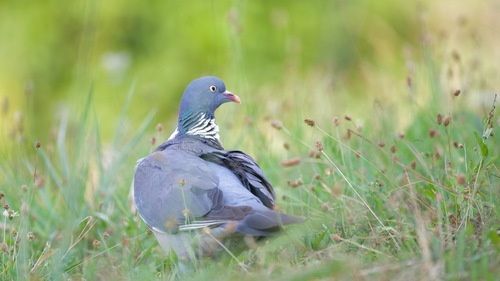
モリバト (Columba palumbus) モリバト
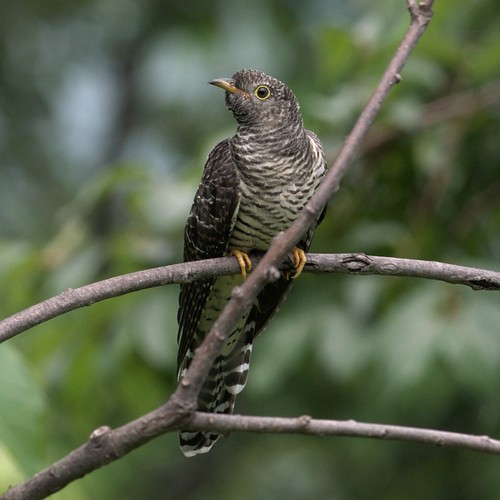
カッコウ (Cuculus canorus) カッコウ

メディア

読み込み中…

要点

最も信頼できるフィールドマークは、成鳥のモリバトの白い首と翼の斑点であり、これはどの年齢のカッコウにも見られません。幼鳥のモリバトは首の斑点が欠けていますが、依然としてカッコウよりもずんぐりしていて地味に見えます。カッコウは特徴的な縞模様の腹部パターンを示し、幼鳥では白い後頭部の斑点と白い羽の縁があります。飛行中、モリバトは広い翼と重い体を持ち、カッコウは細身で長い尾を持ち、小型の猛禽類を思わせることがよくあります。大きな灰色の鳥で、ピンクがかった胸と白い翼のフラッシュが見えたら、それはモリバトです。細身で鷹のような鳥で、腹部に縞模様があり、翼に白がないのはカッコウです。

識別のコツ

  1. 白い首の斑点(成鳥のモリバト): 首の両側にある大胆な白い斑点を探してください—これは成鳥のモリバトにのみ存在し、カッコウのどの年齢にも見られません。
  2. 白い翼の帯(モリバト): 飛行中、モリバトは広い白い翼の帯を示します; カッコウは翼に白を示しません。
  3. 縞模様の腹部(カッコウ): すべてのカッコウ(いくつかの地味な灰色の幼鳥を除く)は、腹部と側面に明確な暗い縞模様があり、灰色の喉からはっきりと区切られています—モリバトは下に縞模様がありません。
  4. 幼鳥のカッコウの白い後頭部の斑点: 幼鳥のカッコウは白い後頭部の斑点と白い羽の縁を示し、特に新しい羽毛では明らかです—モリバトの幼鳥は地味な灰色で、そのようなマークはありません。
  5. 全体の構造: モリバトはずんぐりしていて、胸が深く、広い翼を持ち、短い首と丸い尾を持っています。カッコウは細身で長い尾を持ち、尖った翼があり、飛行中は小型の猛禽類を思い出させることがよくあります。
  6. くちばしと裸の部分: モリバトは淡い黄色の目と灰色がかったくちばし(幼鳥)または淡いくちばし(成鳥)を持っています。カッコウは黄色の虹彩、眼窩リング、くちばしの基部、そして足を持っています—良い光の中でこれらを探してください。
  7. 尾の形: カッコウの尾は長く、段階的で、先端に白い斑点があることがよくあります; モリバトは短く、より丸い尾を持ち、広い暗い端の帯があります。
  8. 飛行スタイル: モリバトは大きな音を立てて離陸し、安定した強い翼の打撃と時折のフリックで飛びます。カッコウは直接飛び、規則的な翼の打撃で滑空し、しばしば鷹のように見えます。
  9. 羽毛の落とし穴: 幼鳥のモリバトは白い首の斑点が欠けているため、これだけに頼らないでください; ずんぐりさ、地味さ、縞模様の欠如を確認してください。雌のカッコウと幼鳥は赤褐色であることがありますが、依然として縞模様を示し、白い翼や首の斑点はありません。
  10. 声: モリバトの深いクーイングは、カッコウの「カッコー」という呼び声とは非常に異なります; どちらかを聞くことはすぐに診断的です。
  11. 季節: カッコウは春と夏(移動鳥)にのみ存在します; モリバトは年間を通じて常駐しています。
  12. 生息地: モリバトは都市の公園、庭、農地で一般的です; カッコウは開けた国、森林の縁を好み、密集した都市環境ではめったに見られません。
  13. 社会的行動: 大きな群れはモリバトを示唆します; 特に夏に孤立した鳥はカッコウかもしれません。
  14. 止まり方: モリバトは直立して止まります; カッコウはしばしば翼を垂らし、尾を上げて止まります、特に歌っているときに。
  15. 年齢特有のチェック: 白い首の斑点がない地味で淡い灰色のずんぐりした鳥を見たら、それはおそらく幼鳥のモリバトです。白い後頭部の斑点がある細身の縞模様の鳥を見たら、それは幼鳥のカッコウです。

大きさ

モリバトはカッコウよりもかなり大きく、重いです。モリバトは38–44.5 cmの長さで、翼幅は68–80 cmで、非常にずんぐりしています(300–615 g、ここではAVONETの値は示されていません)[wikipedia]。対照的に、カッコウは32–34 cmの長さで、翼幅は55–60 cmで、はるかに軽い体型です(成鳥の質量は約111.5 g)[wikidata]。モリバトは広くて胸が深いように見えますが、カッコウは細身で、長い尾と短い脚を持っています。

羽色

行動

モリバトは繁殖期以外は群れを成し、大きな群れで見られることが多く、木や建物に直立して止まります。その飛行は強く、規則的な翼の打撃と時折の鋭いフリックを伴い、大きな音を立てて離陸します。ディスプレイ飛行は翼を叩き、硬い翼で滑空します。カッコウは通常孤立しており、翼を垂らし、尾を上げてオープンに止まり、その飛行は直接的で、規則的な翼の打撃と鷹のような滑空プロファイルを持っています。カッコウは歌っているときに目立って止まることが多く、その行動はモリバトよりもより隠密で社会的ではありません。

生息環境

モリバトは森林、公園、庭の木に巣を作り、農業風景で一般的で、しばしば道路や川の近くにいます。これはその範囲の大部分で年間を通じて常駐しています。カッコウは夏の移動鳥で、農地、ヒース、森林の縁など、さまざまな開けたおよび半開けた生息地に見られますが、密集した都市公園では見られにくいです。カッコウは通常、特に繁殖寄生のために小型のスズメ目の鳥が豊富な地域で単独で遭遇します。

声

モリバトは深くリズミカルなクーイングの呼び声を持ち、しばしば鳥が見える前に聞かれます。この呼び声は繰り返され、遠くまで届き、鳩に典型的です。カッコウのオスの歌はお馴染みの二音の「グーコー」(カッコー)で、連続して繰り返され、通常はオープンな止まり木から発せられます。雌は大きな泡立つ呼び声を持っています。二つの種の声は完全に異なり、聞くと診断的です。

より良い説明を送る

比較と同じ項目を使ってください。文章はすぐに公開されます。

The most reliable field mark is the white neck and wing patches of adult Common Woodpigeon, which are never shown by Common Cuckoo of any age. Juvenile Woodpigeons lack the neck patch, but still appear bulkier and plainer than Common Cuckoo, which shows a distinctive barred underpart pattern and, in juveniles, a white nape patch and white feather fringes. In flight, Woodpigeon is broad-winged and heavy, while Cuckoo is slim, long-tailed, and often reminiscent of a small raptor. If you see a large, greyish bird with a pinkish breast and white wing flashes, it's a Woodpigeon; a slimmer, hawk-like bird with barred underparts and no white in the wing is a Cuckoo.

  1. White neck patch (adult Woodpigeon): Look for the bold white patch on either side of the neck—present only in adult Woodpigeon, never in Cuckoo of any age.
  2. White wing bar (Woodpigeon): In flight, Woodpigeon shows a broad, white wing band; Cuckoo never shows white in the wing.
  3. Barred underparts (Cuckoo): All Cuckoos (except some plain grey juveniles) have distinct dark barring across the belly and flanks, sharply demarcated from the grey throat—Woodpigeon is never barred below.
  4. Juvenile Cuckoo white nape patch: Juvenile Cuckoo shows a white nape patch and white feather fringes, especially obvious in fresh plumage—Woodpigeon juveniles are plain grey with no such marks.
  5. Overall structure: Woodpigeon is bulky, deep-chested, and broad-winged, with a short neck and rounded tail. Cuckoo is slim, long-tailed, and has pointed wings, often recalling a small raptor in flight.
  6. Bill and bare parts: Woodpigeon has a pale yellow eye and a greyish bill (juveniles) or pale bill (adults). Cuckoo has yellow iris, orbital ring, base of bill, and feet—look for these in good light.
  7. Tail shape: Cuckoo's tail is long and graduated, often with white spots at the tip; Woodpigeon has a shorter, more rounded tail with a broad dark terminal band.
  8. Flight style: Woodpigeon takes off with a loud clatter and flies with steady, strong wingbeats and occasional flicks. Cuckoo flies directly with regular wingbeats and glides, often looking hawk-like.
  9. Plumage pitfalls: Juvenile Woodpigeon lacks the white neck patch, so don't rely on this alone; check for bulk, plainness, and lack of barring. Female and juvenile Cuckoos can be rufous, but still show barring and lack white wing or neck patches.
  10. Voice: Woodpigeon's deep cooing is very different from the Cuckoo's "cuck-oo" call; hearing either is instantly diagnostic.
  11. Season: Cuckoo is present only in spring and summer (as a migrant); Woodpigeon is resident year-round.
  12. Habitat: Woodpigeon is common in urban parks, gardens, and farmland; Cuckoo prefers open country, woodland edge, and is rarely seen in dense urban settings.
  13. Social behavior: Large flocks suggest Woodpigeon; a solitary bird, especially in summer, may be a Cuckoo.
  14. Perching posture: Woodpigeon perches upright; Cuckoo often perches with drooped wings and raised tail, especially when singing.
  15. Age-specific checks: If you see a plain, pale grey, bulky bird with no white neck patch, it's likely a juvenile Woodpigeon. If you see a slim, barred bird with a white nape patch, it's a juvenile Cuckoo.

Common Woodpigeon is substantially larger and heavier than Common Cuckoo. Woodpigeon measures 38–44.5 cm in length with a wingspan of 68–80 cm and is very bulky (300–615 g, though no AVONET value is given here) [wikipedia]. In contrast, Common Cuckoo is 32–34 cm long, with a wingspan of 55–60 cm and a much lighter build (adult mass ~111.5 g) [wikidata]. Woodpigeon appears broad and deep-chested, while Cuckoo is slender, with a long tail and short legs.

  • Juvenile/immature birds: Juvenile Woodpigeon is a plain, pale grey bird lacking the white neck patch, with a greyer bill and overall lighter grey than adults. Juvenile Cuckoo is much more patterned, with a white nape patch, white feather fringes, and heavily barred underparts; upperparts may be rufous-brown with strong barring and creamy-white feather edges, or plain grey. These juvenile Cuckoo marks are diagnostic and never shown by Woodpigeon at any age.
  • Adults: Adult Woodpigeon is grey with a pinkish breast, prominent white patches on the neck and a broad white wing bar visible in flight. Adult Cuckoo is slate-grey above, with a sharply demarcated grey throat and barred underparts; the iris, orbital ring, base of bill, and feet are yellow. Female Cuckoos may be rufous morph, with reddish-brown upperparts and dark barring, but still show the barred underparts and lack any white wing or neck patches. Woodpigeon never shows barred underparts or yellow bare parts.
  • In flight: Woodpigeon shows broad white wing bands and a generally uniform grey upperwing. Cuckoo shows no white in the wing, but has a long, graduated tail and pointed wings, with a barred underwing and underparts.

Woodpigeon is gregarious outside the breeding season, often seen in large flocks, and perches upright on trees or buildings. Its flight is strong, with regular wingbeats and occasional sharp flicks, and it takes off with a loud clatter. Display flights involve wing clapping and gliding on stiff wings. Cuckoo is typically solitary, perching openly with drooped wings and raised tail, and its flight is direct, with regular wingbeats and a hawk-like gliding profile. Cuckoo often perches conspicuously when singing, and its behavior is more furtive and less social than Woodpigeon.

Woodpigeon breeds in trees in woodlands, parks, and gardens, and is common in agricultural landscapes, often near roads and rivers. It is a year-round resident in much of its range. Cuckoo is a summer migrant, found in a variety of open and semi-open habitats, including farmland, heath, and woodland edges, but is less likely to be seen in dense urban parks. Cuckoo is usually encountered singly, especially in areas with abundant small passerines for brood parasitism.

Woodpigeon has a deep, rhythmic cooing call, often heard before the bird is seen. The call is repeated and carries far, typical of pigeons. Cuckoo's male song is the familiar two-note "goo-ko" (cuck-oo), repeated in series, and is usually given from an open perch. The female has a loud bubbling call. The two species' vocalizations are completely different and diagnostic when heard.

変更を破棄しますか?

保存していない編集があります。今離れると失われます。

モリバト · カッコウ · 苦手な鳥