

Motmot

モリバト 対 シラコバト

Columba palumbus 対 Streptopelia decaocto

モリバトとシラコバトのクイズ
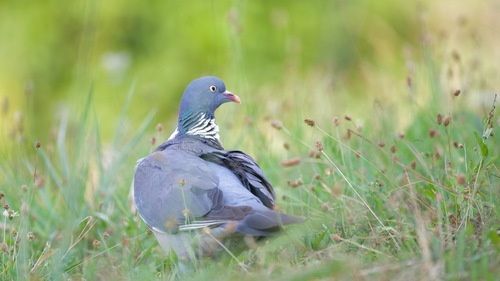
モリバト (Columba palumbus) モリバト
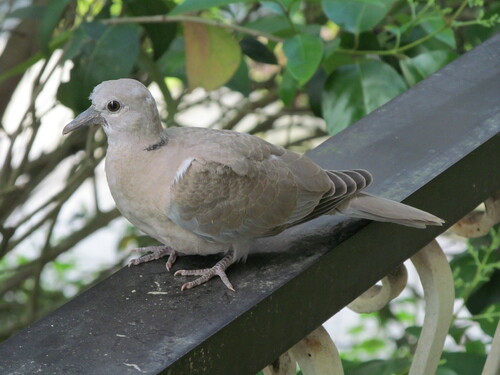
シラコバト (Streptopelia decaocto) シラコバト

メディア

読み込み中…

要点

モリバトとシラコバトを年齢に関係なく区別するための最も信頼できるフィールドマークは、成鳥のWoodpigeonに見られる大胆な白い翼のバー(飛行中および静止中)と白い首の斑点の存在です。シラコバトはこれを示しません。幼鳥のWoodpigeonは首の斑点が欠けていますが、白い翼のバーは示します。一方、シラコバトは首の後ろに診断的な黒いハーフカラーを持っており(幼鳥ではしばしば薄いか欠けていることがあります)。Woodpigeonはシラコバトよりもはるかに大きく、がっしりしており、ピンクがかった胸と淡い黄色の目を持っていますが、シラコバトはよりスリムな体型で、均一な淡い灰色の羽毛と赤い目を持っています。飛行中、Woodpigeonは広い白い翼のバンドと大きく丸い尾を示しますが、シラコバトは広い白い先端を持つ狭い尾を持ち、翼に白は見られません。両種は人間の居住地の近くで一般的ですが、Woodpigeonはより大きな木や開けた場所を好み、シラコバトは建物や郊外の地域により密接に結びついています。

識別のコツ

  1. 白い翼のバー(Woodpigeonのみ): すべての年齢において、Woodpigeonは上翼に大胆な白いバンドを示し、飛行中および静止中に見えます。シラコバトは翼に白を示しません。
  2. 首の斑点とカラー: 成鳥のWoodpigeonは緑と白の首の斑点を持っています。幼鳥はこれを欠いていますが、6〜8ヶ月で小さな白い斑点を示すことがあります。シラコバト(成鳥)は首の後ろに白で縁取られた黒いハーフカラーを持っており、幼鳥は欠けているか薄いカラーを持つことがあります。
  3. サイズと体格: Woodpigeonははるかに大きく、がっしりしており、首が長く、頭が大きいです。シラコバトはスリムでより繊細です。
  4. 胸の色: Woodpigeonはピンクがかった胸を持っています。シラコバトはより均一な淡い灰色またはピンクがかった灰色で、コントラストが少ないです。
  5. 目の色: 成鳥のWoodpigeonは淡い黄色の目を持っています。シラコバトは赤い虹彩(遠くから見ると暗く見える)を持ち、狭い赤褐色の縁があります。幼鳥のシラコバトは茶色の虹彩を持っています。
  6. くちばしの色: Woodpigeonのくちばしは変動がありますが、一般的にシラコバトの黒いくちばしよりも淡いです。幼鳥のWoodpigeonは灰色のくちばしを持っています。
  7. 尾の形とパターン: Woodpigeonは白が少ない広く丸い尾を持っています。シラコバトの尾は四角い形をしており、外側の羽に広い白い先端があります。特に飛行中に下から見えることが多いです。
  8. 翼の下側: シラコバトは青灰色の翼の下側の斑点を示しますが、バーはありません。Woodpigeonの翼の下側は淡いですが、この斑点は欠けています。
  9. 飛行スタイル: Woodpigeonは大きな音を立てて離陸し、力強く飛び、時折鋭い羽ばたきをし、翼を叩いて滑空します。シラコバトの飛行はより短く直接的で、特徴的なディスプレイ飛行(垂直の上昇と翼を逆の「V」に持った滑空下降)を持っています。
  10. 止まり方の習慣: Woodpigeonはしばしば高い木や露出した枝に止まります。シラコバトは建物の近くでワイヤー、屋根、フェンスを好みます。
  11. 生息地の文脈: 深い森林や開けた野原で大きな群れで見られる場合、Woodpigeonの可能性が高いです。シラコバトは人間の居住地から遠く離れることはめったになく、密な森林にはほとんどいません。
  12. 幼鳥の混乱: 幼鳥のWoodpigeonは首の斑点が欠けていますが、白い翼のバーは示します。幼鳥のシラコバトは強いカラーが欠けており、茶色の虹彩を持っていますが、翼に白は決して示しません。
  13. 群れのサイズ: 大きな群れはWoodpigeonを示唆します。特に繁殖期以外では、シラコバトは通常ペアまたは小さなグループで見られます。
  14. 声(情報源には詳細なし): 聞こえた場合、Woodpigeonの鳴き声は深くリズミカルなクーイングです。シラコバトの歌は繰り返しの三音のクーですが、これはフィールドで常に診断的ではありません。
  15. 季節的変化: 両種は食物が利用可能な場合、ほとんどの年を通じて繁殖しますが、Woodpigeonの羽毛は暑い夏の期間に頭が暗くなることがあります。

大きさ

モリバトはシラコバトよりもかなり大きく、重いです。Woodpigeonは38〜44.5 cmの長さで、翼幅は68〜80 cm、体重は300〜615 g [wikipedia]であり、西ヨーロッパで最も大きな鳩です。シラコバトは中型で、約32 cmの長さ、翼幅は47〜55 cm、典型的な質量は125〜240 g(平均193 g)[wikidata]です。フィールドでは、Woodpigeonははるかにがっしりして首が長く見えますが、シラコバトは全体的に明らかにスリムでより繊細です。

羽色

行動

Woodpigeonは繁殖期以外は群れを作り、大きな群れを形成することが多く、開けた野原で餌を食べたり、高い木に止まったりしているのがよく見られます。その飛行は力強く直接的で、時折鋭い羽ばたきと離陸時の大きな音を伴います。ディスプレイ飛行には、翼を叩いて滑空することが含まれます。シラコバトは通常ペアまたは小さなグループで見られ、しばしばワイヤー、屋根、または建物の近くに止まっています。その飛行は直接的で短く、特徴的なディスプレイ飛行:急速な垂直の上昇の後、翼を逆の「V」に持って長い滑空下降を行います。シラコバトは大きな群れで見られる可能性が低く、人間の居住地の周りでより定住的です。

生息環境

両種は人間が改変した風景で一般的ですが、Woodpigeonは森林、公園、庭の成熟した木を好み、しばしば開けた野原や水の近くにいます。建物に密接に結びつくことは少なく、農村または半農村の環境で見られる可能性が高いです。シラコバトは町、村、郊外の地域と強く関連しており、建物から遠く離れることはめったになく、通常は人間の居住地から1 km以内に巣を作ります。ワイヤー、フェンス、屋根の上で見られる可能性が高く、構造物から離れた深い森林や大きな開けた野原ではあまり見られません。

より良い説明を送る

比較と同じ項目を使ってください。文章はすぐに公開されます。

The most reliable field mark to separate Common Woodpigeon from Collared Dove at any age is the presence of bold white wing bars (in flight and at rest) and white neck patches on adult Woodpigeons, which Collared Doves never show. Juvenile Woodpigeons lack the neck patches but still show the white wing bars, while Collared Doves have a diagnostic black half-collar on the nape (often faint or missing in juveniles). Woodpigeon is much larger and bulkier, with a pinkish breast and pale yellow eye, compared to the Collared Dove’s slimmer build, uniform pale grey-buff plumage, and red eye. In flight, Woodpigeons show broad white wing bands and a large, rounded tail, while Collared Doves have a narrower tail with broad white tips and lack any white in the wing. Both species are common near human habitation, but Woodpigeon prefers larger trees and open spaces, while Collared Dove is more closely tied to buildings and suburban areas.

  1. White wing bars (Woodpigeon only): In all ages, Woodpigeon shows bold white bands across the upperwing, visible both in flight and at rest. Collared Dove never shows any white in the wing.
  2. Neck patches vs. collar: Adult Woodpigeon has green and white neck patches; juveniles lack these but may show small white patches by 6–8 months. Collared Dove (adult) has a black half-collar edged with white on the nape; juveniles may lack or have a faint collar.
  3. Size and bulk: Woodpigeon is much larger and bulkier, with a longer neck and bigger head. Collared Dove is slimmer and more delicate.
  4. Breast color: Woodpigeon has a pinkish breast; Collared Dove is more uniformly pale grey-buff or pinkish-grey, with little contrast.
  5. Eye color: Adult Woodpigeon has a pale yellow eye; Collared Dove has a red iris (appears dark from a distance), with a narrow reddish-brown rim. Juvenile Collared Dove has a brown iris.
  6. Bill color: Woodpigeon’s bill is variable but generally paler than Collared Dove’s black bill; juvenile Woodpigeon has a greyer bill.
  7. Tail shape and pattern: Woodpigeon has a broad, rounded tail with little white; Collared Dove’s tail is squarer with broad white tips to the outer feathers, especially visible from below in flight.
  8. Underwing: Collared Dove shows a blue-grey underwing patch, but not a bar; Woodpigeon’s underwing is pale but lacks this patch.
  9. Flight style: Woodpigeon takes off with a loud clatter, flies powerfully with occasional sharp flicks, and displays with wing clapping and gliding. Collared Dove’s flight is more clipped and direct, with a distinctive display flight (vertical climb and gliding descent with wings in an inverted 'V').
  10. Perching habits: Woodpigeon often perches high in trees or on exposed branches; Collared Dove prefers wires, rooftops, and fences near buildings.
  11. Habitat context: If seen deep in woodland or in large flocks in open fields, Woodpigeon is more likely. Collared Dove is rarely far from human habitation and seldom in dense woodland.
  12. Juvenile confusion: Juvenile Woodpigeon lacks neck patches but still shows white wing bars; juvenile Collared Dove lacks a strong collar and has a brown iris, but never shows white in the wing.
  13. Group size: Large flocks suggest Woodpigeon, especially outside the breeding season; Collared Doves are usually in pairs or small groups.
  14. Voice (not detailed in sources): If heard, Woodpigeon’s call is a deep, rhythmic cooing; Collared Dove’s song is a repetitive three-note coo, but this is not always diagnostic in the field.
  15. Seasonal variation: Both species breed throughout much of the year if food is available, but Woodpigeon’s plumage may darken on the head in hot summer periods.

Common Woodpigeon is substantially larger and heavier than Collared Dove. Woodpigeon measures 38–44.5 cm in length with a wingspan of 68–80 cm and a weight of 300–615 g [wikipedia], making it the largest pigeon in Western Europe. Collared Dove is medium-sized, at about 32 cm in length, with a wingspan of 47–55 cm and a typical mass of 125–240 g (average 193 g) [wikidata]. In the field, Woodpigeon appears much bulkier and longer-necked, while Collared Dove is noticeably slimmer and more delicate overall.

  • Juveniles: Juvenile Woodpigeons lack the adult’s white neck patches but already show the distinctive white wing bars in flight and at rest. Their overall tone is paler grey, with a greyer bill and no pinkish breast. Juvenile Collared Doves are very similar to adults but with a poorly developed or absent black nape collar and a brown iris instead of red. Both are overall pale grey, but Collared Dove never shows white in the wing.

  • Adults: Adult Woodpigeons are basically grey with a pinkish breast, bold white wing bars (visible in flight and at rest), and green and white neck patches. The eye is pale yellow. Collared Dove adults are uniform grey-buff to pinkish-grey, with a diagnostic black half-collar edged with white on the nape, red eyes, and a blue-grey underwing patch (not a bar). The tail of Collared Dove is square-tipped with broad white tips to the outer feathers, while Woodpigeon’s tail is broader and more rounded, with less obvious white.

  • Flight: In flight, Woodpigeon’s white wing bars are striking and visible at all ages. Collared Dove shows no white in the wing but has a contrasting white terminal band on the tail’s underside.

Woodpigeon is gregarious outside the breeding season, often forming large flocks, and is frequently seen feeding in open fields or perched high in trees. Its flight is powerful and direct, with occasional sharp wing flicks and a loud clatter on takeoff. Display flights include wing clapping and gliding on stiff wings. Collared Dove is usually seen in pairs or small groups, often perched on wires, rooftops, or near buildings. Its flight is direct and clipped, with a distinctive display flight: a rapid vertical climb followed by a long, gliding descent with wings held in an inverted 'V'. Collared Doves are less likely to be seen in large flocks and are more sedentary around human habitation.

Both species are common in human-modified landscapes, but Woodpigeon favors mature trees in woodlands, parks, and gardens, often near open fields or water. It is less closely tied to buildings and more likely to be found in rural or semi-rural settings. Collared Dove is strongly associated with towns, villages, and suburban areas, rarely far from buildings, and usually nests within 1 km of human habitation. It is more likely to be seen on wires, fences, and rooftops, and less often in deep woodland or large open fields away from structures.

変更を破棄しますか?

保存していない編集があります。今離れると失われます。

モリバト · シラコバト · 苦手な鳥