

Motmot

ヨーロッパクロガモ 対 ホオジロガモ

Melanitta nigra 対 Bucephala clangula

ヨーロッパクロガモとホオジロガモのクイズ
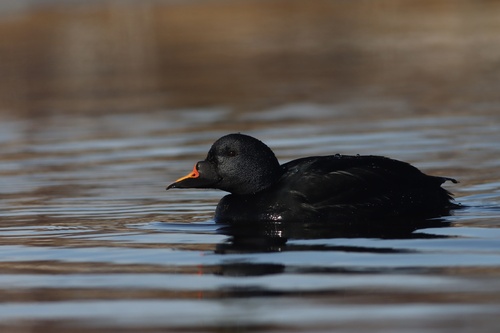
ヨーロッパクロガモ (Melanitta nigra) ヨーロッパクロガモ

ホオジロガモ (Bucephala clangula) ホオジロガモ

メディア

読み込み中…

要点

ホオジロガモとヨーロッパクロガモの最も信頼できるフィールドマークは全体の羽毛パターンです:成鳥のオスのヨーロッパクロガモは全体が黒で、大きくて膨らんだくちばしを持ち、オスのホオジロガモは特徴的な白い頬のパッチと白い体を持つ暗い緑がかった光沢のある頭を示します。両種の雌は茶色の頭を持っていますが、雌のクロガモは淡い頬を持ち、スリムで灰色の体を持つ雌のホオジロガモと比べて、より大きく、暗い外観をしています。飛行中または静止中、クロガモはより大きくて重く、比例的に大きなくちばしを持っています。群れを見ると、クロガモはしばしば開水面で密集した、きついグループを形成しますが、ホオジロガモはより散発的です。未成熟および雌の羽毛は混乱を招くことがありますが、くちばしの形と頬のパターンは重要なポイントです。

識別のコツ

  1. 成鳥のオスの羽毛は最も明確な区別点です: オスのヨーロッパクロガモは全体が黒で、大きくて膨らんだくちばしを持ち、どこにも白がありません;オスのホオジロガモは暗い緑がかった光沢のある頭、丸い白い頬のパッチ、白い首と腹、そして暗い背中を持っています。
  2. くちばしの形とサイズ: 両性のヨーロッパクロガモは目立って大きく、膨らんだくちばしを持っています(特にオスは基部に黄色があります)、一方ホオジロガモはより短く、三角形のくちばしを持っています。これは遠くからでもしばしば見えます。
  3. 雌の頭と頬のパターン: 雌のクロガモは茶色で淡い頬を持ち、二色の顔を作りますが、雌のホオジロガモは茶色の頭を持っていますが、灰色の体を持ち、強い淡い頬のパッチがありません。
  4. 体の形と印象: クロガモはより大きく、より水平で水中に低いプロファイルと重くて丸い頭を持っています。ホオジロガモはよりコンパクトで、急な額とより直立した姿勢を持っています。
  5. 足と足の色: 雌のホオジロガモはオレンジ色の足と足を持ち、羽繕い中や飛行中に見えることがあります;クロガモの足は特に目立つものではありません。
  6. 群れの構造: 大きく、密集した、同期した潜水群はクロガモに典型的です;ホオジロガモの群れはより小さく、より散発的です。
  7. 生息地の文脈: 開けた海では、特に岸から遠く離れた場所では、クロガモがはるかに可能性が高いです。淡水や保護された沿岸水域では、特に小さな群れでは、ホオジロガモがより可能性があります。
  8. 飛行パターン: 提供されたメモにはどちらの種についても特異な上翼パターンは記載されていないため、体の形と群れ行動に頼ってください。
  9. 鳴き声: 聞こえた場合、ホオジロガモは特に飛行中に鋭い口笛を発することがありますが、これは常に存在するわけではありません;クロガモは通常冬に静かです。
  10. 未成熟/雌の混乱: 雌および未成熟のクロガモとホオジロガモは茶色の頭を持っているように見えることがありますが、クロガモはより大きく、くちばしが大きく、頬が淡いです;ホオジロガモはよりコンパクトで、灰色の体と茶色の頭を持っています。
  11. クロガモには白がない: 多くの潜水ダックとは異なり、ホオジロガモ(オス)は羽毛に白が全くなく、これはホオジロガモや他の種に対する重要なマークです。
  12. オスのくちばしの色: オスのクロガモはくちばしの基部に黄色を示します;ホオジロガモのくちばしは暗いです。
  13. 目の色: ホオジロガモは金色の目のために名付けられており、近距離で見えることがあります;クロガモの目の色はフィールドではあまり目立ちません。
  14. 季節的文脈: 両種はイギリスで冬を越しますが、クロガモは大きな沖合の群れで見られる可能性がはるかに高く、ホオジロガモは内陸の水域でより頻繁に見られます。
  15. 疑わしい場合: 遠くからはくちばしのサイズと頭の形に焦点を当て、近くで羽毛の白の有無を探してください。

大きさ

ホオジロガモは大きな海のダックで、通常43〜54 cmの長さで、ヨーロッパクロガモよりも重く見えます。ホオジロガモは中型で、オスは45〜51 cm、雌は40〜50 cmで、平均成体の質量は約900 gです。フィールドでは、クロガモは特に頭とくちばしでより重く、頑丈に見えますが、ホオジロガモは全体的によりコンパクトで重くありません。

羽色

羽毛の違いは成鳥のオスで最も明らかです:ヨーロッパクロガモのオスは全体が黒で、くちばしの近くに黄色が見える膨らんだくちばしを持ち、羽毛に白がありません。オスのホオジロガモは暗い緑がかった光沢のある頭を持ち、目の下に丸い白いパッチ、白い首と腹、そして暗い背中を持っています。両種の雌は茶色の頭を持っていますが、雌のクロガモは全体的により暗い茶色で淡い頬を持ち、より均一な外観をしていますが、雌のホオジロガモは茶色の頭、灰色の体、オレンジ色の足と足を持っています。すべての羽毛において、ホオジロガモは特に飛行中により対照的なパターンを示し、クロガモはより均一です。提供されたメモには年齢特有の上翼パターンは記載されていないため、すべての年齢の頭と体のパターンに焦点を当ててください。

行動

ホオジロガモはしばしば開水面で大きく、密集した群れを形成し、食べ物のために同期して潜ります。彼らは通常、沖合で見られ、近づきにくい印象を与えることがあります。ホオジロガモも潜水ダックですが、通常は小さなグループや散発的な個体で見られ、岸に近い場所や保護された水域で見られることが多いです。両種は食べ物のために潜りますが、クロガモは非常に大きく、密集した群れで観察される可能性が高いです。

生息環境

両方とも海のダックですが、ホオジロガモは冬により厳密に海洋性で、露出した海岸に沿って大きな群れを形成します。ホオジロガモはより多様で、保護された沿岸水域や内陸の湖や川で冬を越します。冬に淡水湖でダックを見ると、ホオジロガモの可能性が高く、沖合の大きな筏はクロガモの可能性が高いです。

声

ホオジロガモとヨーロッパクロガモは診断可能に異なる鳴き声を持っていますが、ここでは詳細は提供されていません。実際には、クロガモは冬の群れでは通常静かですが、ホオジロガモは特に飛行中に鋭い口笛を発することがありますが、これはフィールドでの区別には常に信頼できるわけではありません。

より良い説明を送る

比較と同じ項目を使ってください。文章はすぐに公開されます。

The most reliable field mark between Common Scoter and Common Goldeneye is overall plumage pattern: adult male Common Scoter is entirely black with a large, bulbous bill, while male Common Goldeneye shows a dark greenish-glossed head with a distinctive white cheek patch and a white body. Females of both species are brown-headed, but female scoter has pale cheeks and a bulkier, darker look compared to the sleeker, gray-bodied female goldeneye. In flight or at rest, the scoter is larger and bulkier, with a proportionally larger bill. If you see a flock, scoters often form dense, tight groups on open water, while goldeneyes are more scattered. Immature and female plumages can be confusing, but bill shape and cheek pattern remain key.

  1. Adult male plumage is the clearest separator: Male Common Scoter is all black with a large, bulbous bill and no white anywhere; male Common Goldeneye has a dark greenish-glossed head, a round white cheek patch, white neck and belly, and a dark back.
  2. Bill shape and size: Common Scoter of both sexes has a noticeably large, swollen bill (especially in males, with yellow at the base), while goldeneye has a shorter, more triangular bill. This is often visible even at a distance.
  3. Female head and cheek pattern: Female scoter is brown with pale cheeks, giving a two-toned face, while female goldeneye has a brown head but a gray body and lacks the strong pale cheek patch.
  4. Body shape and jizz: Scoters are bulkier, with a more horizontal, low-in-the-water profile and a heavy, rounded head. Goldeneyes are more compact, with a steeper forehead and a more upright posture.
  5. Leg and foot color: Female goldeneye has orange-yellow legs and feet, which may be visible when preening or in flight; scoter's legs are not noted as distinctive.
  6. Flock structure: Large, dense, synchronized diving flocks offshore are typical of scoter; goldeneye flocks are smaller and more dispersed.
  7. Habitat context: On open sea, especially far from shore, scoter is much more likely. On freshwater or sheltered coastal waters, especially in smaller groups, goldeneye is more probable.
  8. Flight pattern: No distinctive upperwing pattern is described for either species in the notes, so rely on body shape and flocking behavior.
  9. Vocalizations: If heard, goldeneye may give sharp whistles, especially in flight, but this is not always present; scoters are usually silent in winter.
  10. Immature/female confusion: Both female and immature scoters and goldeneyes can appear brown-headed, but scoter is bulkier, with a larger bill and paler cheeks; goldeneye is more compact, with a gray body and brown head.
  11. No white in scoter: Unlike many diving ducks, Common Scoter (male) lacks any white in the plumage, which is a key mark against goldeneye and others.
  12. Bill color in males: Male scoter shows yellow at the base of the bill; goldeneye's bill is dark.
  13. Eye color: Goldeneye is named for its golden-yellow eyes, which can be visible at close range; scoter's eye color is less distinctive in the field.
  14. Seasonal context: Both species winter in the UK, but scoter is much more likely in large offshore flocks, while goldeneye is more often found on inland waters.
  15. When in doubt: Focus on bill size and head shape at a distance, and look for the presence or absence of white in the plumage when closer.

Common Scoter is a large sea duck, typically 43–54 cm in length, and appears bulkier than Common Goldeneye. The goldeneye is medium-sized, with males 45–51 cm and females 40–50 cm, and an average adult mass of about 900 g. In the field, scoters look heavier and more robust, especially in the head and bill, while goldeneyes are more compact and less bulky overall.

Plumage differences are most obvious in adult males: Common Scoter males are entirely black with a bulbous bill showing some yellow near the nostrils, and lack any white in the plumage. Male Common Goldeneye has a dark, greenish-glossed head with a round white patch below the eye, a white neck and belly, and a dark back. Females of both species have brown heads, but female scoter is overall darker brown with pale cheeks and a more uniform look, while female goldeneye has a brown head, gray body, and orange-yellow legs and feet. In all plumages, goldeneye shows a more contrasting pattern, especially in flight, while scoter is more uniform. No age-specific upperwing pattern is described for either species in the provided notes, so focus on head and body pattern for all ages.

Common Scoters often gather in large, dense flocks on open water, diving in synchrony for food. They are typically seen further offshore and may appear less approachable. Goldeneyes are also diving ducks but tend to be seen in smaller groups or scattered individuals, often closer to shore or in sheltered waters. Both species dive for food, but scoters are more likely to be observed in very large, tight flocks.

Both are sea ducks, but Common Scoter is more strictly marine in winter, forming large flocks offshore along exposed coasts. Goldeneye is more versatile, wintering on both sheltered coastal waters and inland lakes or rivers. If you see a duck on a freshwater lake in winter, goldeneye is more likely; large rafts far offshore are more likely scoter.

Common Scoter and Common Goldeneye have diagnosably distinct vocalizations, but no details are provided here. In practice, scoter is usually silent in winter flocks, while goldeneye may give sharp, whistling calls, especially in flight, but this is not always reliable for field separation.

変更を破棄しますか?

保存していない編集があります。今離れると失われます。

ヨーロッパクロガモ · ホオジロガモ · 苦手な鳥