

Motmot

イソシギ 対 クサシギ

Actitis hypoleucos 対 Tringa ochropus

イソシギとクサシギのクイズ
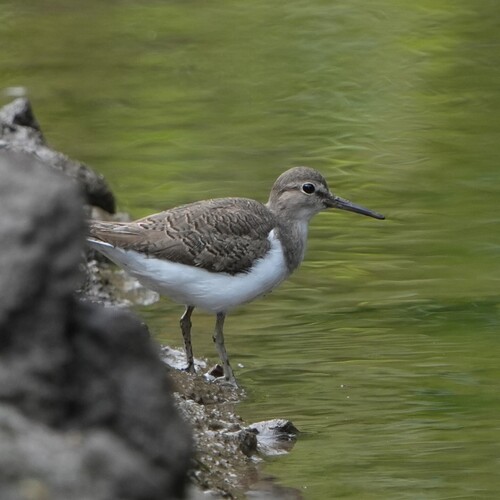
イソシギ (Actitis hypoleucos) イソシギ
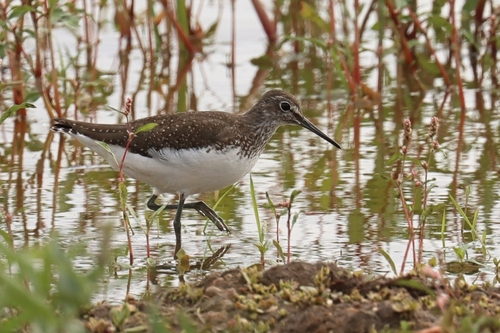
クサシギ (Tringa ochropus) クサシギ

メディア

読み込み中…

要点

イソシギとクサシギを分ける最も信頼できる方法は、飛行パターンと尾羽によるものです:クサシギは目を引く白い尾羽と暗い翼を上と下に持ち、イソシギはこの白い尾羽がなく、より均一な茶色の上翼を持っています。幼鳥のイソシギは上翼に重い縞模様とバフ色の縁取りを示し、クサシギの幼鳥は成鳥よりも斑点が少ないですが、常に白い尾羽を保持しています。地上では、脚の色と全体的な構造が役立ちます:イソシギは暗い黄色がかった脚と短くて細いくちばしを持ち、クサシギの脚とくちばしは暗い緑色です。サイズと形の違いは微妙ですが存在し、クサシギは明らかに重くてふっくらしています。両種は孤独であることもありますが、好む生息地と飛行の特徴は異なります。

識別のコツ

  1. 飛行中の白い尾羽(すべての年齢): クサシギは飛行中に常に鮮やかな白い尾羽と上尾を示し、上と下の暗い翼と対照的です。イソシギは白い尾羽を示すことはなく、その背中と上尾は茶色で均一です。
  2. 上翼の模様(幼鳥): 幼鳥のイソシギは上翼の覆羽に重い縞模様とバフ色の縁取りを持ち、鮮明で縞模様のある外観を与えます。クサシギの幼鳥はこの縞模様がなく、背中にいくつかの白い斑点があるかもしれませんが、白い尾羽は常に存在します。
  3. 飛行の特徴: イソシギは水面を低く飛び、硬くて浅い翼の羽ばたきで飛びます;クサシギはより直接的で、しばしば隠れ場所から飛び立ち、出発時に白い尾羽のフラッシュを示します。
  4. 脚の色: イソシギは暗い黄色がかった脚を持ち、止まっている時や歩いている時に最もよく見えます。クサシギの脚は暗い緑色で、悪い光の中ではほぼ黒に見えることがありますが、良い光の中では緑がかった色合いを持っています。
  5. くちばしの色: イソシギのくちばしは主に暗く、淡い基部を持っています;クサシギのくちばしは均一に暗い緑色です。
  6. 体の形: クサシギは明らかにふっくらして重く、より頑丈な体とやや長い脚を持っています。イソシギはスリムでより繊細です。
  7. 背中と翼の色: イソシギは上が灰色がかった茶色で、白い斑点はほとんどありません。クサシギはより暗く、緑がかった茶色の色合いと白い斑点を持ち(繁殖期の成鳥で最も広範囲)。
  8. 腹部: 両種は白い腹部を持っていますが、クサシギの胸はより灰色がかっていて、ぼやけて見えることがありますが、イソシギの胸はよりクリーンな白で、茶色の上部からの境界がよりはっきりしています。
  9. 尾羽の上下運動: 両種は尾羽を上下に動かしますが、イソシギはより頻繁に、特に餌を食べている時により顕著な動きをします。
  10. 生息地の好み: イソシギは開けた石や泥の岸にいる可能性が高いですが、クサシギは植生のある湿地や森林の湿地を好み、開けた泥の上にはあまり見られません。
  11. 鳴き声: 鳥が飛び立つ時に三音の口笛が聞こえたら、それはクサシギです。イソシギの鳴き声はここでは説明されていないので、これはクサシギのためだけに使用してください。
  12. 群れのサイズ: 両種はしばしば孤独ですが、イソシギは特に渡りの際に小さな群れを形成することがあります;クサシギはほぼ常に一人です。
  13. 季節の変化: 冬には、イソシギは鈍くなり、より多くの縞模様が見えるようになりますが、白い尾羽は決して得られません。クサシギは斑点がいくつか失われますが、常に白い尾羽を保持します。
  14. 混乱のリスク: 悪い光の中や遠くからは、脚とくちばしの色を判断するのが難しい場合があります—まず尾羽と飛行パターンに頼ってください。
  15. 地理的重複: 両種は旧世界の種であり、渡りの際に一緒に現れることがあるため、上記の特徴に注意を払うことが重要です。

大きさ

クサシギは明らかに重く(約80g)やや大きめで、イソシギは小さくて軽い(正確な質量は示されていませんが、明らかに少ないです)。クサシギはふっくらしていて頑丈に見え、イソシギはよりスリムで繊細です。フィールドでは、このサイズの違いは微妙ですが、直接比較や経験で評価できます。

羽色

行動

イソシギはしばしば一人または小さな群れで見られ、混合群れに参加することはまれで、水面を低く、硬い翼で飛ぶことで有名で、しばしば特徴的な尾羽の上下運動を伴います。クサシギも通常は孤独ですが、その飛行はより直接的で硬さが少なく、飛び立つときに目立ち、白い尾羽を示します。両種は尾羽の上下運動を示しますが、イソシギのそれはより顕著で、餌を食べている時に頻繁に見られます。

生息環境

両種は旧世界のチドリですが、イソシギは川、湖、流れの岸辺に沿って見られる可能性が高く、しばしば露出した泥や石の上にいます。クサシギはより植生のある湿地や森林の湿地を好み、池、溝、洪水のある地域を含み、開けた海岸線にはあまり依存しません。重複が発生することがありますが、特に渡りの際には、生息地の選択が手がかりになることがあります。

声

クサシギは飛行中に特徴的な三音の口笛を出し、聞こえたときの信頼できるフィールドマークです。イソシギの鳴き声は提供されたメモには記載されていないため、この文脈ではクサシギのためだけに診断的です。

より良い説明を送る

比較と同じ項目を使ってください。文章はすぐに公開されます。

The most reliable way to separate Common Sandpiper from Green Sandpiper is by their flight pattern and rump: Green Sandpiper shows a strikingly white rump and dark wings above and below, while Common Sandpiper lacks this white rump and has a more uniform brown upperwing. Juvenile Common Sandpipers show heavy barring and buff edges on the upperwing, while Green Sandpiper juveniles have less extensive spotting than adults but always retain the white rump. On the ground, leg color and overall structure help: Common Sandpiper has dark yellowish legs and a shorter, finer bill, while Green Sandpiper's legs and bill are dark green. Size and shape differences are subtle but present, with Green Sandpiper being noticeably heavier and plumper. Both species can be solitary, but their preferred habitats and flight jizz differ.

  1. White rump in flight (all ages): Green Sandpiper always shows a brilliant white rump and uppertail in flight, contrasting with dark wings above and below. Common Sandpiper never shows a white rump—its back and uppertail are brown and uniform.
  2. Upperwing pattern (juveniles): Juvenile Common Sandpiper has heavy barring and buff edges on the upperwing coverts, giving a crisp, barred look. Green Sandpiper juveniles lack this barring but may have some white spotting on the back; the white rump is always present.
  3. Flight jizz: Common Sandpiper flies low over water with stiff, shallow wingbeats; Green Sandpiper is more direct, often flushed from cover, and shows a flash of white rump as it departs.
  4. Leg color: Common Sandpiper has dark yellowish legs, best seen when perched or walking. Green Sandpiper's legs are dark green, which can look almost black in poor light but have a greenish cast in good light.
  5. Bill color: Common Sandpiper's bill is mostly dark with a pale base; Green Sandpiper's bill is uniformly dark green.
  6. Body shape: Green Sandpiper is noticeably plumper and heavier, with a more robust body and slightly longer legs. Common Sandpiper is slimmer and more delicate.
  7. Back and wing color: Common Sandpiper is greyish-brown above, with little or no white spotting. Green Sandpiper is darker, with greenish-brown tones and white spotting (most extensive in breeding adults).
  8. Underparts: Both species have white underparts, but Green Sandpiper's breast is more greyish and can look smudged, while Common Sandpiper's is cleaner white with a sharper demarcation from the brown upperparts.
  9. Tail-bobbing: Both species bob their tails, but Common Sandpiper does so more frequently and with a more pronounced motion, especially while feeding.
  10. Habitat preference: Common Sandpiper is more likely on open, stony or muddy shores; Green Sandpiper prefers vegetated or wooded wetlands and is less often seen on open mud.
  11. Vocalization: If you hear a three-note whistle as the bird takes flight, it's Green Sandpiper. Common Sandpiper's call is not described here, so use this only for Green Sandpiper.
  12. Group size: Both are often solitary, but Common Sandpiper can form small groups, especially on migration; Green Sandpiper is almost always alone.
  13. Seasonal changes: In winter, Common Sandpiper becomes duller and more barred above, but never gains a white rump. Green Sandpiper loses some spotting but always retains the white rump.
  14. Confusion risk: In poor light or at a distance, leg and bill color can be hard to judge—rely on rump and flight pattern first.
  15. Geographic overlap: Both are Old World species and can occur together on migration, so careful attention to the above marks is essential.

Green Sandpiper is distinctly heavier (around 80g) and somewhat bulkier than Common Sandpiper, which is smaller and lighter (exact mass not given but clearly less). Green Sandpiper appears plumper and more robust, while Common Sandpiper is more slender and delicate. In the field, this size difference is subtle but can be appreciated with direct comparison or experience.

  • Juvenile/immature birds: Juvenile Common Sandpiper has heavy barring above and buff edges to wing feathers, giving a crisp, barred look on the upperparts and upperwing. Green Sandpiper juveniles have less white spotting on the back than adults but always show a bright white rump in flight, which is never present in Common Sandpiper of any age.

  • Adults (breeding): Common Sandpiper adults have greyish-brown upperparts and white underparts, with a subtle, crisp wing pattern only visible at close range. Green Sandpiper adults have a dark greenish-brown back and wings, with white spotting (most extensive in breeding plumage), a greyish head and breast, and pure white underparts. In flight, Green Sandpiper's dark wings contrast with the brilliant white rump and uppertail.

  • Non-breeding/winter: Common Sandpiper becomes duller, with more visible barring on the wings. Green Sandpiper loses some spotting but always retains the white rump and contrasting dark wings in flight.

  • Legs and bill: Common Sandpiper has short, dark yellowish legs and a bill with a pale base and dark tip. Green Sandpiper has both legs and bill dark green.

Common Sandpiper is often seen alone or in small groups, rarely joining mixed flocks, and is famous for its low, stiff-winged flight over water, often with a distinctive tail-bobbing walk. Green Sandpiper is also typically solitary, but its flight is more direct and less stiff, and it is conspicuous when flushed, showing the white rump. Both species exhibit tail-bobbing, but Common Sandpiper's is more pronounced and frequent during foraging.

Both species are Old World waders, but Common Sandpiper is more likely to be seen along the edges of rivers, lakes, and streams, often on exposed mud or stones. Green Sandpiper prefers more vegetated or wooded wetlands, including ponds, ditches, and flooded areas, and is less tied to open shorelines. Overlap can occur, especially on migration, but habitat choice can be a clue.

Green Sandpiper gives a distinctive three-note whistle in flight, which is a reliable field mark when heard. Common Sandpiper's call is not described in the provided notes, so vocalization is only diagnostic for Green Sandpiper in this context.

変更を破棄しますか?

保存していない編集があります。今離れると失われます。

イソシギ · クサシギ · 苦手な鳥