

Piro piro piccolo vs Piro piro culbianco
Actitis hypoleucos contro Tringa ochropus
Fai un quiz con Piro piro piccolo e Piro piro culbianco
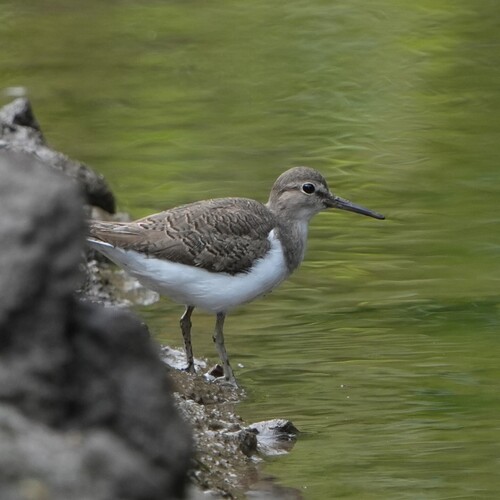 Piro piro piccolo
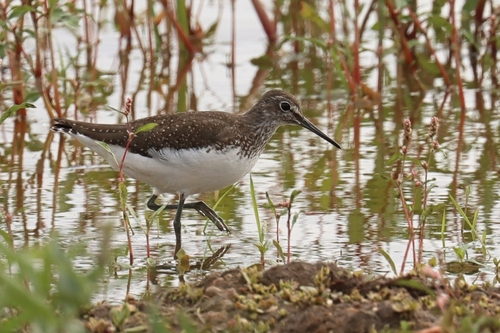 Piro piro culbianco
In breve
Il modo più affidabile per separare il Piro piro piccolo dal Piro piro culbianco è il loro schema di volo e il sottocoda: il Piro piro culbianco mostra un sottocoda bianchissimo e ali scure sopra e sotto, mentre il Piro piro piccolo manca di questo sottocoda bianco e ha un'ala superiore marrone più uniforme. I Piro piro piccoli giovani mostrano forti barre e bordi color crema sull'ala superiore, mentre i giovani Piro piro culbianco hanno macchie meno estese rispetto agli adulti ma mantengono sempre il sottocoda bianco. A terra, il colore delle gambe e la struttura generale aiutano: il Piro piro piccolo ha gambe giallastre scure e un becco più corto e fine, mentre le gambe e il becco del Piro piro culbianco sono di un verde scuro. Le differenze di dimensione e forma sono sottili ma presenti, con il Piro piro culbianco che è visibilmente più pesante e più robusto. Entrambe le specie possono essere solitarie, ma i loro habitat preferiti e il modo di volare differiscono.
Consigli di identificazione
- Sottocoda bianco in volo (tutte le età): Il Piro piro culbianco mostra sempre un sottocoda bianchissimo e una coda superiore in volo, in contrasto con le ali scure sopra e sotto. Il Piro piro piccolo non mostra mai un sottocoda bianco: il suo dorso e la coda superiore sono marroni e uniformi.
- Schema dell'ala superiore (giovani): Il giovane Piro piro piccolo ha forti barre e bordi color crema sulle copritrici dell'ala superiore, dando un aspetto barrato e nitido. I giovani Piro piro culbianco mancano di queste barre ma possono avere alcune macchie bianche sul dorso; il sottocoda bianco è sempre presente.
- Modo di volare: Il Piro piro piccolo vola basso sull'acqua con battiti d'ali rigidi e poco profondi; il Piro piro culbianco è più diretto, spesso spaventato da un riparo, e mostra un lampo di sottocoda bianco mentre parte.
- Colore delle gambe: Il Piro piro piccolo ha gambe giallastre scure, meglio visibili quando è appollaiato o cammina. Le gambe del Piro piro culbianco sono di un verde scuro, che può sembrare quasi nero in scarsa luce ma ha una tonalità verdognola in buona luce.
- Colore del becco: Il becco del Piro piro piccolo è per lo più scuro con una base chiara; il becco del Piro piro culbianco è uniformemente verde scuro.
- Forma del corpo: Il Piro piro culbianco è visibilmente più robusto e pesante, con un corpo più robusto e gambe leggermente più lunghe. Il Piro piro piccolo è più snello e più delicato.
- Colore del dorso e delle ali: Il Piro piro piccolo è marrone-grigiastro sopra, con poche o nessuna macchia bianca. Il Piro piro culbianco è più scuro, con toni marrone-verdognoli e macchie bianche (più estese negli adulti in riproduzione).
- Parte inferiore: Entrambe le specie hanno parti inferiori bianche, ma il petto del Piro piro culbianco è più grigiastro e può sembrare macchiato, mentre quello del Piro piro piccolo è bianco più pulito con una demarcazione più netta rispetto alle parti superiori marroni.
- Bobbing della coda: Entrambe le specie muovono la coda su e giù, ma il Piro piro piccolo lo fa più frequentemente e con un movimento più pronunciato, specialmente mentre si nutre.
- Preferenza dell'habitat: Il Piro piro piccolo è più probabile che si trovi su coste aperte, rocciose o fangose; il Piro piro culbianco preferisce zone umide vegetate o boschive ed è meno spesso visto su fango aperto.
- Vocalizzazione: Se senti un fischio a tre note mentre l'uccello prende il volo, è il Piro piro culbianco. Il richiamo del Piro piro piccolo non è descritto qui, quindi usa questo solo per il Piro piro culbianco.
- Dimensione del gruppo: Entrambi sono spesso solitari, ma il Piro piro piccolo può formare piccoli gruppi, specialmente durante la migrazione; il Piro piro culbianco è quasi sempre solo.
- Cambiamenti stagionali: In inverno, il Piro piro piccolo diventa più opaco e più barrato sopra, ma non guadagna mai un sottocoda bianco. Il Piro piro culbianco perde alcune macchie ma mantiene sempre il sottocoda bianco.
- Rischio di confusione: In scarsa luce o a distanza, il colore delle gambe e del becco può essere difficile da giudicare: fai affidamento prima sul sottocoda e sullo schema di volo.
- Sovrapposizione geografica: Entrambi sono specie del Vecchio Mondo e possono verificarsi insieme durante la migrazione, quindi è essenziale prestare attenzione ai segni sopra menzionati.
Taglia
Il Piro piro culbianco è decisamente più pesante (circa 80g) e un po' più robusto rispetto al Piro piro piccolo, che è più piccolo e leggero (massa esatta non fornita ma chiaramente inferiore). Il Piro piro culbianco appare più robusto e più pieno, mentre il Piro piro piccolo è più snello e delicato. Sul campo, questa differenza di dimensione è sottile ma può essere apprezzata con un confronto diretto o esperienza.
Piumaggio
-
Giovani/uccelli immaturi: Il giovane Piro piro piccolo ha forti barre sopra e bordi color crema sulle piume delle ali, dando un aspetto barrato e nitido sulle parti superiori e sull'ala superiore. I giovani Piro piro culbianco hanno meno macchie bianche sul dorso rispetto agli adulti ma mostrano sempre un sottocoda bianco brillante in volo, che non è mai presente nel Piro piro piccolo di alcuna età.
-
Adulti (riproduzione): Gli adulti del Piro piro piccolo hanno parti superiori marrone-grigiastro e parti inferiori bianche, con un modello di ali sottile e nitido visibile solo da vicino. Gli adulti del Piro piro culbianco hanno un dorso e ali marrone-verdognolo scuro, con macchie bianche (più estese in piumaggio di riproduzione), una testa e un petto grigiasti e parti inferiori bianche pure. In volo, le ali scure del Piro piro culbianco contrastano con il sottocoda bianchissimo e la coda superiore.
-
Non riproduttivo/inverno: Il Piro piro piccolo diventa più opaco, con barre più visibili sulle ali. Il Piro piro culbianco perde alcune macchie ma mantiene sempre il sottocoda bianco e le ali scure contrastanti in volo.
-
Gambe e becco: Il Piro piro piccolo ha gambe corte e giallastre scure e un becco con una base chiara e una punta scura. Il Piro piro culbianco ha sia le gambe che il becco di un verde scuro.
Comportamento
Il Piro piro piccolo è spesso visto da solo o in piccoli gruppi, raramente unendosi a stormi misti, ed è famoso per il suo volo basso e rigido sopra l'acqua, spesso con una camminata distintiva a bobbing della coda. Il Piro piro culbianco è anche tipicamente solitario, ma il suo volo è più diretto e meno rigido, ed è evidente quando viene spaventato, mostrando il sottocoda bianco. Entrambe le specie mostrano il bobbing della coda, ma quello del Piro piro piccolo è più pronunciato e frequente durante la ricerca di cibo.
Habitat
Entrambe le specie sono trampolieri del Vecchio Mondo, ma il Piro piro piccolo è più probabile che venga visto lungo i bordi di fiumi, laghi e corsi d'acqua, spesso su fango o pietre esposte. Il Piro piro culbianco preferisce zone umide più vegetate o boschive, inclusi stagni, fossati e aree allagate, ed è meno legato a coste aperte. Può verificarsi sovrapposizione, specialmente durante la migrazione, ma la scelta dell'habitat può essere un indizio.
Voce
Il Piro piro culbianco emette un fischio distintivo a tre note in volo, che è un segno di campo affidabile quando viene udito. Il richiamo del Piro piro piccolo non è descritto nelle note fornite, quindi la vocalizzazione è solo diagnostica per il Piro piro culbianco in questo contesto.
Piro piro piccolo · Piro piro culbianco · I miei uccelli difficili