

Motmot

アカマシコ 対 モウコナキマシコ

Carpodacus erythrinus 対 Bucanetes mongolicus

アカマシコとモウコナキマシコのクイズ
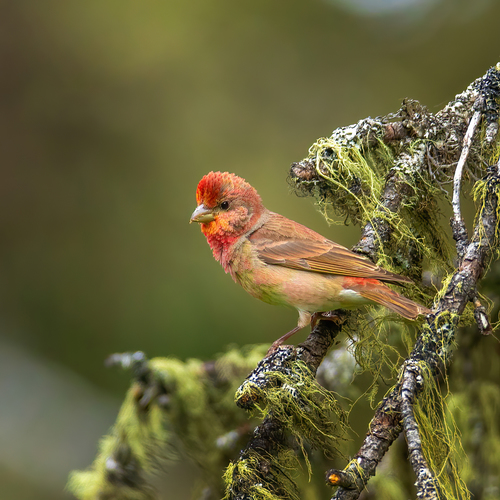
アカマシコ (Carpodacus erythrinus) アカマシコ
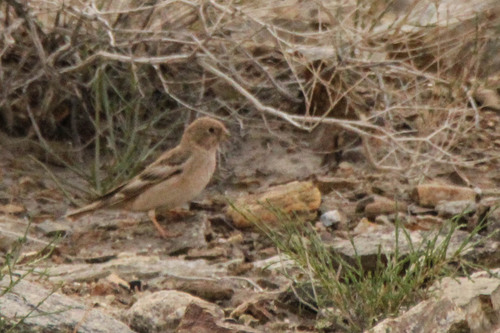
モウコナキマシコ (Bucanetes mongolicus) モウコナキマシコ

メディア

読み込み中…

要点

アカマシコとモウコナキマシコを区別する最も信頼できるフィールドマークは、特に成鳥のオスの頭部と腹部における赤またはピンクの広がりと強度、そしてモウコナキマシコの翼における広範な白とピンクの存在です。未熟な鳥や雌はより難しいですが、アカマシコは一般的に鈍く茶色がかっており、モウコナキマシコは成鳥ではより淡い砂色のトーンを示し、特徴的な翼のパターンがあります。くちばしの色と形、全体的な構造も役立ちます:モウコナキマシコは短くて太く、灰色がかった黄色のくちばしと大きな頭を持っています。両種は中央アジアのいくつかの生息地で重なることがありますが、アカマシコはヨーロッパのほとんどでより広範囲に分布しています。

識別のコツ

  1. Male plumage (breeding): 赤/ピンクの強度と分布を探してください。アカマシコのオスは頭部、胸部、尾部が明るいバラ色で、モウコナキマシコのオスは顔と腹部に主に淡いピンクの色合いがあり、広がりはそれほどありません。
  2. Wing pattern (all ages): モウコナキマシコは翼に広範な白とピンクを示し、特に飛行中に明らかです。アカマシコは暗褐色の翼を持ち、わずかに不明瞭な2本のバーしかありません。
  3. Bill shape and color: モウコナキマシコは短くて太い灰色がかった黄色のくちばしと大きな頭を持ち、大きな頭の印象を与えます。アカマシコはより重い円錐形のくちばしを持っていますが、短くも太くもなく、色はそれほど明確に黄色がかっていません。
  4. Female/immature confusion: 雌や若いアカマシコは上面が黄褐色で、尾部は明るく、頭部は灰色がかり、下面はバフ色で、全体的に鈍く地味です。モウコナキマシコの雌はより淡く、砂色がかり、翼にわずかにピンクが見えることがありますが、一般的にアカマシコの雌よりもずっと淡いです。
  5. Upperwing in flight: 飛行中に淡い、目を引く翼のパターン(白とピンク)が見えた場合は、モウコナキマシコの可能性が高いです。翼が均一に暗褐色でわずかにバーしかない場合は、アカマシコの可能性が高いです。
  6. Rump color: オスのアカマシコは明るいバラ色の尾部を持っていますが、モウコナキマシコはこの特徴をそれほど強く示しません。
  7. Habitat context: 森の多い、豊かな、または川の近くの生息地では、アカマシコの可能性が高いです。乾燥した、開けた、または岩の多い地域、特に中央アジアでは、モウコナキマシコを注意深く探してください。
  8. Seasonal wear: 秋の換羽後、オスのアカマシコは鈍く見えることがありますが、全体的なバラ色のトーンは残り、特に羽毛が冬を通じて摩耗するにつれて顕著です。
  9. Bill/jizz in binoculars: モウコナキマシコのくちばしは明らかに短くて太く、鳥は大きな頭でコンパクトに見えます。アカマシコはより均等にプロポーションが取れています。
  10. Geographic likelihood: ヨーロッパでは、アカマシコは広範囲に分布し一般的です。モウコナキマシコは乾燥地帯では珍しい迷鳥または局所的です。
  11. Rare yellow morph: 赤の代わりに黄色の「マシコ」のオスを見た場合、それはモウコナキマシコではなく、食事や寄生虫による色の変化を受けたアカマシコの可能性が高いです。
  12. Perched vs. flight views: 翼のパターンは飛行中に最も有用です。止まっている鳥は、くちばし、頭の形、微妙な羽毛のトーンを近くで観察する必要があるかもしれません。
  13. No strong vocal differences provided: 分離のために視覚的なマークを使用してください。
  14. Check for context: 冬に庭や果樹園で群れを見た場合、アカマシコの可能性がはるかに高いです。乾燥した開けた草原や岩の多い斜面、特にアジアでは、モウコナキマシコの可能性が現実的になります。
  15. Eggs and nest are not field marks: フィールドIDのために巣の色や配置を無視してください。

大きさ

アカマシコは長さ13〜15 cmで、頑丈な円錐形のくちばしを持っています。モウコナキマシコは小型で長い翼を持ち、大きな頭と短くて太いくちばしが特徴です。両者は小型のマシコですが、モウコナキマシコはややコンパクトで大きな頭に見えることがありますが、サイズだけではフィールドでの強力な区別にはなりません。

羽色

行動

フィールドでの区別に関する情報源には強い行動の違いは記載されていません。両種は習性において典型的なマシコですが、モウコナキマシコは餌を食べたり止まったりしているときにややコンパクトで大きな頭に見えることがあります。

生息環境

アカマシコは、特に夏には茂み、森林、川の近くの森林の縁、冬には庭、果樹園、湿地、乾燥したオークの森など、広範な生息地で見られます。モウコナキマシコは、特にそのアジアの中心的な範囲では乾燥した開けた地域に制限されており、豊かな森林の生息地でははるかに可能性が低いです。ヨーロッパでは、アカマシコは非常に特定の乾燥した岩の多い地域や草原のような地域を除いて、はるかに可能性が高いです。

より良い説明を送る

比較と同じ項目を使ってください。文章はすぐに公開されます。

The most reliable field mark to separate Common Rosefinch from Mongolian Finch is the extent and intensity of red or pink in adult males, especially on the head and underparts, and the presence of extensive white and pink in the wings of Mongolian Finch. Immature and female birds are more challenging, but the Common Rosefinch is generally duller and browner, while Mongolian Finch shows a paler, sandier tone with a distinctive wing pattern in adults. Bill color and shape, as well as overall structure, also help: Mongolian Finch has a shorter, thicker, greyish-yellow bill and a larger head. Both species can overlap in some Central Asian habitats, but Common Rosefinch is much more widespread and likely in most of Europe.

  1. Male plumage (breeding): Look for the intensity and distribution of red/pink. Common Rosefinch males are bright rosy-carmine on the head, breast, and rump, while Mongolian Finch males have a paler pink flush, mainly on the face and underparts, and not as extensive.
  2. Wing pattern (all ages): Mongolian Finch shows extensive white and pink in the wings, especially obvious in flight. Common Rosefinch has dark brown wings with only two indistinct bars.
  3. Bill shape and color: Mongolian Finch has a short, thick, greyish-yellow bill and a large head, giving a big-headed look. Common Rosefinch has a heavier, conical bill but not as short or thick, and the color is less distinctly yellowish.
  4. Female/immature confusion: Female and young Common Rosefinch are yellowish-brown above, with a greyer head and buff below—overall dull and plain. Mongolian Finch females are paler, sandier, and may show faint pink in the wings, but are generally much paler than female rosefinches.
  5. Upperwing in flight: If you see a pale, striking wing pattern (white and pink) in flight, favor Mongolian Finch. If the wing is uniformly dark brown with only faint bars, it's likely Common Rosefinch.
  6. Rump color: Male Common Rosefinch has a bright rosy rump; Mongolian Finch does not show this feature as strongly.
  7. Habitat context: In wooded, lush, or riverine habitats, Common Rosefinch is much more likely. In arid, open, or rocky areas, especially in Central Asia, check carefully for Mongolian Finch.
  8. Seasonal wear: After autumn molt, male Common Rosefinch may appear duller, but the overall rosy tone remains, especially as feathers wear through winter.
  9. Bill/jizz in binoculars: Mongolian Finch's bill is noticeably short and thick, and the bird appears big-headed and compact. Common Rosefinch is more evenly proportioned.
  10. Geographic likelihood: In Europe, Common Rosefinch is widespread and common; Mongolian Finch is a rare vagrant or local in arid zones.
  11. Rare yellow morph: If you see a 'rosefinch' male with yellow instead of red, it's likely a Common Rosefinch with a dietary/parasite-induced color change, not a Mongolian Finch.
  12. Perched vs. flight views: Wing pattern is most useful in flight; perched birds may require close study of bill, head shape, and subtle plumage tones.
  13. No strong vocal differences provided: Use visual marks for separation.
  14. Check for context: If you see a flock in a garden or orchard in winter, Common Rosefinch is far more likely. In dry, open steppe or rocky slopes, especially in Asia, Mongolian Finch becomes a real possibility.
  15. Eggs and nest are not field marks: Ignore clutch color or nest placement for field ID.

Common Rosefinch is 13–15 cm in length, with a stout, conical bill. Mongolian Finch is described as small and long-winged, with a large head and short, thick bill. While both are small finches, Mongolian Finch may appear slightly more compact and big-headed, but size alone is not a strong separator in the field.

  • Adult males (breeding): Common Rosefinch males are bright rosy-carmine on the head, breast, and rump, with dark brown wings showing two indistinct bars and a white belly. Mongolian Finch males have a pink flush to the face and underparts, but the most distinctive feature is the extensive white and pink in the wings, which is much more marked than in Common Rosefinch.
  • Females and immatures: Female and young Common Rosefinch are yellowish-brown above, brighter on the rump, greyer on the head, and buff below—overall rather plain and dull. Mongolian Finch females are paler, with only a faint, almost unnoticeable pink, and show a paler, sandier tone with a contrasting wing pattern (white and pink), though less marked than in males.
  • Wing pattern: Mongolian Finch of all ages shows a more striking white and pink pattern in the wings, especially in flight, while Common Rosefinch has dark brown wings with only indistinct bars.
  • Bill color: Common Rosefinch has a heavy, conical bill; Mongolian Finch's bill is short, thick, and distinctly greyish-yellow.

No strong behavioral differences are noted in the sources for field separation. Both species are typical finches in their habits, but Mongolian Finch may appear slightly more compact and big-headed when feeding or perched.

Common Rosefinch is found in a wide range of habitats, especially thickets, woodland, and forest edges near rivers in summer, and gardens, orchards, wetlands, and dry oak woods in winter. Mongolian Finch is more restricted to arid, open areas, especially in its core Asian range, and is much less likely in lush, wooded habitats. In Europe, Common Rosefinch is far more likely except in very specific arid, rocky, or steppe-like areas.

変更を破棄しますか?

保存していない編集があります。今離れると失われます。

アカマシコ · モウコナキマシコ · 苦手な鳥