

Ciuffolotto scarlatto vs Mongolian Finch
Carpodacus erythrinus contro Bucanetes mongolicus
Fai un quiz con Ciuffolotto scarlatto e Mongolian Finch
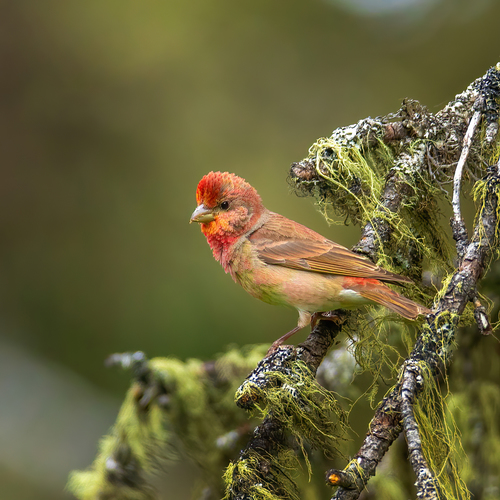 Ciuffolotto scarlatto
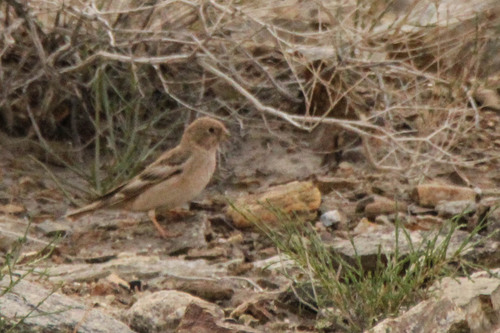 Mongolian Finch
In breve
Il segno distintivo più affidabile per separare il Ciuffolotto scarlatto dal Mongolian Finch è l'estensione e l'intensità del rosso o del rosa nei maschi adulti, specialmente sulla testa e sulle parti inferiori, e la presenza di ampie aree bianche e rosa nelle ali del Mongolian Finch. Gli uccelli immaturi e femminili sono più difficili da distinguere, ma il Ciuffolotto scarlatto è generalmente più opaco e marrone, mentre il Mongolian Finch mostra una tonalità più chiara e sabbiosa con un motivo distintivo nelle ali negli adulti. Anche il colore e la forma del becco, così come la struttura generale, aiutano: il Mongolian Finch ha un becco più corto, più spesso, di colore grigio-giallastro e una testa più grande. Entrambe le specie possono sovrapporsi in alcuni habitat dell'Asia centrale, ma il Ciuffolotto scarlatto è molto più diffuso e probabile nella maggior parte dell'Europa.
Consigli di identificazione
- Male plumage (breeding): Cerca l'intensità e la distribuzione del rosso/rosa. I maschi di Ciuffolotto scarlatto sono di un brillante rosso carminio sulla testa, sul petto e sulla coda, mentre i maschi di Mongolian Finch hanno una sfumatura rosa più chiara, principalmente sul viso e sulle parti inferiori, e non così estesa.
- Wing pattern (all ages): Il Mongolian Finch mostra ampie aree bianche e rosa nelle ali, particolarmente evidenti in volo. Il Ciuffolotto scarlatto ha ali marroni scure con solo due barre indistinte.
- Bill shape and color: Il Mongolian Finch ha un becco corto, spesso, di colore grigio-giallastro e una testa grande, dando un aspetto di testa grande. Il Ciuffolotto scarlatto ha un becco conico più pesante ma non così corto o spesso, e il colore è meno distintamente giallastro.
- Female/immature confusion: Le femmine e i giovani di Ciuffolotto scarlatto sono marroni-giallastri sopra, con una testa più grigia e un ventre color crema—complessivamente opachi e semplici. Le femmine di Mongolian Finch sono più chiare, sabbiose, e possono mostrare un tenue rosa nelle ali, ma sono generalmente molto più chiare delle femmine di ciuffolotti.
- Upperwing in flight: Se vedi un motivo di ali pallido e sorprendente (bianco e rosa) in volo, favorisci il Mongolian Finch. Se l'ala è uniformemente marrone scuro con solo barre deboli, è probabile che sia un Ciuffolotto scarlatto.
- Rump color: Il maschio di Ciuffolotto scarlatto ha una coda rosa brillante; il Mongolian Finch non mostra questa caratteristica così fortemente.
- Habitat context: In habitat boschivi, lussureggianti o fluviali, il Ciuffolotto scarlatto è molto più probabile. In aree aride, aperte o rocciose, specialmente in Asia centrale, controlla attentamente per il Mongolian Finch.
- Seasonal wear: Dopo la muta autunnale, il maschio di Ciuffolotto scarlatto può apparire più opaco, ma il tono rosa complessivo rimane, specialmente mentre le piume si consumano durante l'inverno.
- Bill/jizz in binoculars: Il becco del Mongolian Finch è notevolmente corto e spesso, e l'uccello appare con una testa grande e compatta. Il Ciuffolotto scarlatto è più proporzionato.
- Geographic likelihood: In Europa, il Ciuffolotto scarlatto è diffuso e comune; il Mongolian Finch è un raro vagabondo o locale in zone aride.
- Rare yellow morph: Se vedi un maschio di 'ciuffolotto' con giallo invece di rosso, è probabile che sia un Ciuffolotto scarlatto con un cambiamento di colore indotto da dieta/parassiti, non un Mongolian Finch.
- Perched vs. flight views: Il motivo delle ali è più utile in volo; gli uccelli appollaiati possono richiedere uno studio ravvicinato del becco, della forma della testa e delle tonalità di piumaggio sottili.
- No strong vocal differences provided: Usa i segni visivi per la separazione.
- Check for context: Se vedi un gruppo in un giardino o in un frutteto in inverno, il Ciuffolotto scarlatto è molto più probabile. In steppe asciutte e aperte o pendii rocciosi, specialmente in Asia, il Mongolian Finch diventa una possibilità reale.
- Eggs and nest are not field marks: Ignora il colore delle uova o la posizione del nido per l'identificazione sul campo.
Taglia
Il Ciuffolotto scarlatto è lungo 13–15 cm, con un becco robusto e conico. Il Mongolian Finch è descritto come piccolo e con ali lunghe, con una testa grande e un becco corto e spesso. Anche se entrambi sono piccoli fringillidi, il Mongolian Finch può apparire leggermente più compatto e con una testa grande, ma la dimensione da sola non è un forte separatore sul campo.
Piumaggio
- Adult males (breeding): I maschi di Ciuffolotto scarlatto sono di un brillante rosso carminio sulla testa, sul petto e sulla coda, con ali marroni scure che mostrano due barre indistinte e un ventre bianco. I maschi di Mongolian Finch hanno una sfumatura rosa sul viso e sulle parti inferiori, ma la caratteristica più distintiva è l'ampia presenza di bianco e rosa nelle ali, che è molto più marcata rispetto al Ciuffolotto scarlatto.
- Females and immatures: Le femmine e i giovani di Ciuffolotto scarlatto sono marroni-giallastri sopra, più brillanti sulla coda, più grigi sulla testa e color crema sotto—complessivamente piuttosto semplici e opachi. Le femmine di Mongolian Finch sono più chiare, con solo un tenue rosa, e mostrano una tonalità più chiara e sabbiosa con un motivo di ali contrastante (bianco e rosa), anche se meno marcato rispetto ai maschi.
- Wing pattern: Il Mongolian Finch di tutte le età mostra un motivo bianco e rosa più sorprendente nelle ali, specialmente in volo, mentre il Ciuffolotto scarlatto ha ali marroni scure con solo barre indistinte.
- Bill color: Il Ciuffolotto scarlatto ha un becco pesante e conico; il becco del Mongolian Finch è corto, spesso e di un grigio-giallastro distintivo.
Comportamento
Non sono state notate forti differenze comportamentali nelle fonti per la separazione sul campo. Entrambe le specie sono fringillidi tipici nelle loro abitudini, ma il Mongolian Finch può apparire leggermente più compatto e con una testa grande quando si nutre o si appollaia.
Habitat
Il Ciuffolotto scarlatto si trova in una vasta gamma di habitat, specialmente in cespugli, boschi e bordi di foreste vicino ai fiumi in estate, e in giardini, frutteti, zone umide e boschi di querce asciutti in inverno. Il Mongolian Finch è più ristretto ad aree aride e aperte, specialmente nel suo nucleo asiatico, ed è molto meno probabile in habitat lussureggianti e boschivi. In Europa, il Ciuffolotto scarlatto è di gran lunga più probabile, tranne in aree aride, rocciose o simili a steppe molto specifiche.
Ciuffolotto scarlatto · Mongolian Finch · I miei uccelli difficili