

Motmot

ホシハジロ 対 スズガモ

Aythya ferina 対 Aythya marila

ホシハジロとスズガモのクイズ
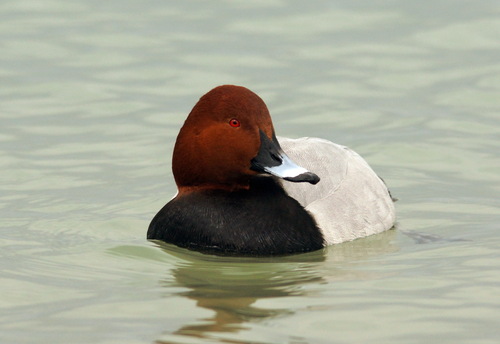
ホシハジロ (Aythya ferina) ホシハジロ
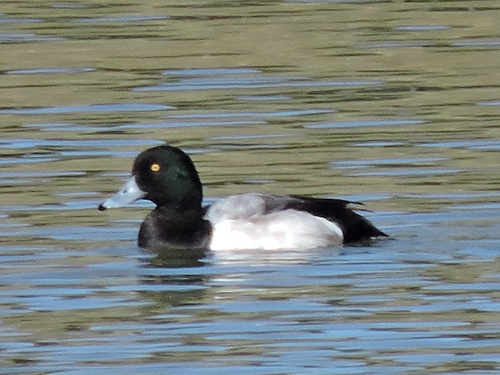
スズガモ (Aythya marila) スズガモ

メディア

読み込み中…

要点

ホシハジロとスズガモをすべての羽色で区別する最も信頼できるフィールドマークは、頭部とくちばしの色です:オスのホシハジロは、暗いくちばしと青灰色の帯を持つ豊かな栗色の頭を示し、オスのスズガモは暗く光沢のある緑がかった頭と淡い青のくちばしを持っています。飛行中、すべての年齢のスズガモは、スペキュラムから一次羽にかけて翼先端まで延びる強い白い翼のストライプを示します。ホシハジロの翼のストライプははるかに限られており、一次羽には達しません。雌と幼鳥はより難しいですが、スズガモの雌はくちばしの根元に特徴的な白い斑点を持ち、より丸みを帯びた頭をしていますが、雌のホシハジロはより地味な茶色で、額が傾斜しています。どちらも中型の潜水ダックですが、スズガモはややがっしりしており、くちばしが広いです。特に繁殖していない鳥の間で、頭の形、くちばしの色、飛行中の翼のパターンに注意を払うことで、ほとんどの混乱を解消できます。

識別のコツ

  1. 飛行中の白い翼のストライプ: すべての年齢のスズガモは、スペキュラムから一次羽にかけて翼先端まで延びる強く広い白いストライプを示します。ホシハジロの白いストライプは二次羽に限られ、一次羽には達しません。これは、特に幼鳥や雌の飛んでいる鳥において、最も良いマークです。
  2. 頭の色(成鳥のオス): オスのホシハジロは豊かな栗色の頭と首を持ち、オスのスズガモは緑がかった(時には紫がかった)光沢のある暗い頭を持っています。暗い光の中では、スズガモの頭は黒っぽく見えることがありますが、決して栗色には見えません。
  3. くちばしの色とパターン: オスのホシハジロは、中央に広い青灰色の帯を持つ暗い灰色のくちばしを持ち、スズガモは先端に小さな黒い爪を持つ淡い青のくちばしを持っています。雌のスズガモのくちばしも青みがかっていますが、雌のホシハジロのくちばしはより鈍く、明確な青の帯がありません。
  4. 雌/幼鳥の顔のパターン: 雌と幼鳥のスズガモは、くちばしの根元に明確な白い斑点を持ち、しばしば楕円形または三日月形です。雌と幼鳥のホシハジロはこれを欠き、地味な茶色の顔を示します。
  5. 頭の形: スズガモはより丸みを帯びた高い冠と急な額を持ち、特にオスで顕著です。ホシハジロは傾斜した額とよりくさび形の頭のプロファイルを持っています。これは、止まっている鳥と泳いでいる鳥の両方で見ることができます。
  6. 目の色: オスのホシハジロの虹彩は黄色-オレンジから赤(繁殖期に最も明るい)で、雌の虹彩は茶色です。スズガモの両性は黄色い目を持っていますが、雌は鈍いことがあります。幼鳥のホシハジロの虹彩は黄色-オリーブで、最初の冬に成鳥の色になります。遠くから見る際には注意が必要です。
  7. 体の色(成鳥のオス): オスのスズガモの脇腹と腹部は明るい白で、黒い胸と尾と対照的です。オスのホシハジロの体は淡い灰色で、細かい斑点があり、純粋な白ではありません。
  8. 尾と後部: 両種とも黒い尾を持っていますが、スズガモの後部はしばしば白い脇腹に対してより清潔で明確に見えます。
  9. 足と足の色: 両種とも灰色の足と足を持っていますが、区別には役立ちません。
  10. 群れのサイズと文脈: 冬には、スズガモはしばしば開水面で大きく密集したラフトを形成し、特に海や大きな湖で見られます。ホシハジロは淡水で小さな群れで見られる可能性が高いです。
  11. 生息地: スズガモは冬に海岸の湾や河口に多く見られ、ほとんどが塩水または汽水の生息地にいます。ホシハジロはほぼ常に淡水の湖、貯水池、緩やかな流れの川にいます。
  12. エクリプスと幼鳥の混乱: エクリプス羽色のオスのスズガモは鈍く見えることがありますが、白い翼のストライプと青いくちばしを保持します。幼鳥のスズガモは雌に似ていますが、常に白い顔の斑点と翼のストライプを示します。幼鳥のホシハジロは地味な茶色で、強い顔のパターンはありません。
  13. 落とし穴: 暗い光の中では、両種の頭の色が暗く見えることがあります。くちばしの色と顔のパターンに依存してください。幼鳥と雌のスズガモはホシハジロと混同されることがありますが、白い顔の斑点と翼のストライプは信頼できます。中間的な特徴を示すハイブリッドのAythyaダックに注意してください。
  14. くちばしのサイズと形: スズガモのくちばしは広く、特に根元で少し長く、ホシハジロのより狭いくちばしと比較して「広いくちばし」の外観を与えます。
  15. 季節的変化: オスのホシハジロの虹彩と頭の色は繁殖期に最も明るく、スズガモの頭の光沢は光の角度によって変わります。最良の結果を得るためには複数のマークを使用してください。

大きさ

スズガモは一般的にホシハジロよりも大きく、重いです。長さは39〜56 cm、翼幅は71〜84 cmで、ホシハジロは42〜49 cmの長さと72〜82 cmの翼幅です [wikipedia][avonet]。スズガモは平均して約20%重いです。しかし、重なりがあり、サイズだけではフィールドでの診断にはならず、鳥が並んでいない限りは診断できません。両種ともがっしりしていますが、スズガモは体とくちばしが特に広く、より頑丈に見える傾向があります。

羽色

行動

両種とも潜水ダックであり、水生植物や無脊椎動物を潜水して食べる姿がよく見られます。スズガモはしばしば開水面で非常に大きく密集したラフトを形成し、時には数千羽に達し、特に冬の海岸水域で見られます。ホシハジロは淡水の湖や緩やかな川で小さな群れで見られる可能性が高いです。両種とも警戒心が強いですが、スズガモは特に冬に群れを成す傾向があります。

生息環境

スズガモは冬に大きな開放的な湖や海岸の湾を好み、塩水または汽水の生息地で見られる可能性が高いです。ホシハジロは淡水の湖、貯水池、緩やかな流れの川を好み、開けた海で見られる可能性は低いです。大きな内陸水域では重なりが見られますが、スズガモは冬により海洋性です。

より良い説明を送る

比較と同じ項目を使ってください。文章はすぐに公開されます。

The most reliable field mark to separate Common Pochard from Greater Scaup in all plumages is head and bill color: male pochards show a rich chestnut head with a dark bill and a blue-grey band, while male scaup have a dark, glossy greenish head and a pale blue bill. In flight, Greater Scaup of all ages show a strong white wing stripe extending from the speculum through the primaries to the wingtip; Common Pochard’s wing stripe is much less extensive and does not reach the primaries. Females and immatures are trickier, but scaup females have a distinctive white patch at the base of the bill and a more rounded head, while female pochards are plainer brown with a sloping forehead. Both are medium-sized diving ducks, but scaup are slightly bulkier and broader-billed. Careful attention to head shape, bill color, and wing pattern in flight will resolve most confusion, especially among non-breeding birds.

  1. White wing stripe in flight: Greater Scaup of all ages show a strong, broad white stripe extending from the speculum through the primaries to the wingtip. Common Pochard’s white stripe is limited to the secondaries and does not reach the primaries. This is the single best mark on flying birds, especially immatures and females.
  2. Head color (adult males): Male Common Pochard has a rich chestnut head and neck, while male Greater Scaup has a dark head with a greenish (sometimes purplish) gloss. In poor light, scaup’s head may look blackish, but never chestnut.
  3. Bill color and pattern: Male pochard has a dark grey bill with a broad blue-grey band across the middle; scaup has a pale blue bill with a small black nail at the tip. Female scaup’s bill is also blue-toned, while female pochard’s is duller and lacks the clear blue band.
  4. Female/juvenile face pattern: Female and juvenile Greater Scaup have a distinct white patch at the base of the bill, often oval or crescent-shaped. Female and juvenile Common Pochard lack this, showing a plain brown face.
  5. Head shape: Greater Scaup has a more rounded, high crown and steeper forehead, especially noticeable in males. Common Pochard has a sloping forehead and a more wedge-shaped head profile. This is visible in both perched and swimming birds.
  6. Eye color: Male pochard’s iris is yellow-orange to red (brightest in breeding season); female’s is brown. Scaup of both sexes have yellow eyes, though females may be duller. Juvenile pochard’s iris is yellow-olive, becoming adult color in first winter. Use with caution at distance.
  7. Body color (adult males): Male scaup’s flanks and belly are bright white, contrasting with the black breast and tail. Male pochard’s body is pale grey with fine vermiculations, not pure white.
  8. Tail and rear end: Both species have black tails, but scaup’s rear end often looks cleaner and more sharply defined against the white flanks.
  9. Leg and foot color: Both species have grey legs and feet; not useful for separation.
  10. Group size and context: In winter, scaup often form large, dense rafts on open water, especially at sea or on large lakes. Pochard is more likely to be in smaller groups on freshwater.
  11. Habitat: Scaup is more marine in winter, often on coastal bays and estuaries; pochard is almost always on freshwater.
  12. Eclipse and juvenile confusion: Male scaup in eclipse plumage can look duller but retain the white wing stripe and blue bill. Juvenile scaup resemble females but always show the white face patch and wing stripe. Juvenile pochard is plain brown with no strong face pattern.
  13. Pitfalls: In poor light, the head color of both species can look dark; rely on bill color and face pattern. Immature and female scaup can be confused with pochard, but the white face patch and wing stripe are reliable. Beware of hybrid Aythya ducks, which can show intermediate features.
  14. Bill size and shape: Scaup’s bill is broader and slightly longer, especially at the base, giving a more ‘broad-billed’ look compared to pochard’s narrower bill.
  15. Seasonal changes: Male pochard’s iris and head color are brightest in breeding season; scaup’s head gloss varies with light angle. Use multiple marks for best results.

Greater Scaup is generally larger and heavier than Common Pochard, with a length of 39–56 cm and a wingspan of 71–84 cm, compared to the pochard’s 42–49 cm length and 72–82 cm wingspan [wikipedia][avonet]. Scaup averages about 20% heavier. However, there is overlap, and size alone is not diagnostic in the field unless birds are side by side. Both species are stocky, but scaup tends to look a bit broader and more robust, especially in the body and bill.

  • Juvenile and female plumage: Female and juvenile Greater Scaup are brown with a clear white patch at the base of the bill and a white wing stripe in flight that extends through the primaries. Female and juvenile Common Pochard are plainer brown, lacking the white face patch, and have a less extensive white wing stripe that does not reach the primaries. Both have grey legs and feet.

  • Adult male plumage: Male Common Pochard has a rich chestnut head and neck, black breast and tail, and pale grey body with fine vermiculations. The bill is dark grey with a wide blue-grey band. Male Greater Scaup has a dark, glossy greenish (sometimes purplish) head, black breast, bright white belly and flanks, and a pale blue bill with a black nail. The scaup’s upperwing shows a strong white stripe from the speculum through the primaries, while the pochard’s is limited to the secondaries.

  • Iris color: Male pochard’s iris is yellow-orange to red (brightest in breeding season); female’s is brown. Scaup of both sexes have yellow eyes, though female’s may be duller. Juvenile pochard’s iris is yellow-olive, becoming adult color in first winter.

Both are diving ducks, often seen feeding by diving for aquatic plants and invertebrates. Greater Scaup often form very large, dense rafts on open water, sometimes numbering in the thousands, especially on coastal waters in winter. Common Pochard is more likely to be seen in smaller groups on freshwater lakes and slow rivers. Both species can be wary, but scaup are especially gregarious in winter.

Greater Scaup favors large, open lakes and coastal bays, especially in winter, and is more likely to be found on saltwater or brackish habitats. Common Pochard prefers freshwater lakes, reservoirs, and slow-moving rivers, and is less likely to be found on open sea. Overlap occurs on large inland waters, but scaup is more marine in winter.

変更を破棄しますか?

保存していない編集があります。今離れると失われます。

ホシハジロ · スズガモ · 苦手な鳥