

Motmot

バン 対 セイケイ

Gallinula chloropus 対 Porphyrio porphyrio

バンとセイケイのクイズ
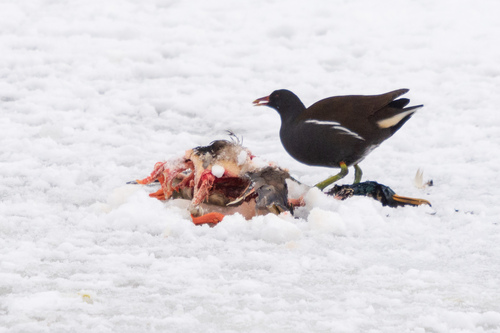
バン (Gallinula chloropus) バン
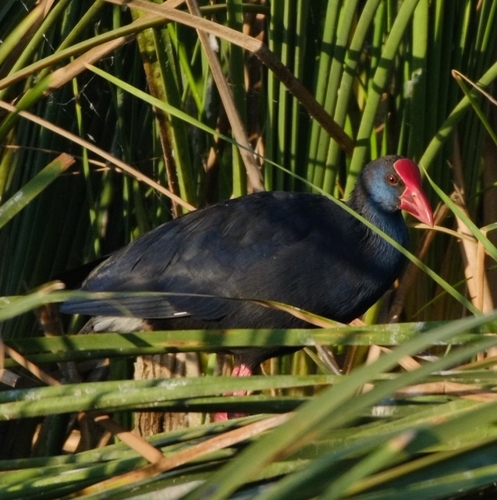
セイケイ (Porphyrio porphyrio) セイケイ

メディア

読み込み中…

要点

バンとセイケイを区別する最も信頼できるフィールドマークは、全体のサイズと構造です:セイケイははるかに大きく、ずんぐりしていて、色が鮮やかで、巨大な足と目を引く紫青色の光沢があります。一方、バンは小さく、スリムで、暗い色をしており、白い尾羽と側面があります。両者とも赤いくちばしと前盾を持っていますが、セイケイの盾は相対的に大きく、目立ちます。幼鳥のバンは鈍い色合いで茶色がかり、赤い盾がありませんが、セイケイは若い鳥でも明るさを保ちます。飛行中、セイケイは重くて遅く、広い翼を持っているように見えますが、バンはより機敏でコンパクトです。もし鶏のサイズの明るい青紫の鳥を見たら、それはセイケイです;小さくて暗い水鳥で白い側面と尾羽を持つのはバンです。

識別のコツ

  1. Size and bulk: セイケイはバンよりもはるかに大きくて重いです;もしその鳥が鶏のサイズに見えるか、カモよりも高い場合、それはセイケイです。バンはコウノトリよりもわずかに大きいだけです。
  2. Feet and legs: セイケイは巨大で長いピンクがかった赤い足と脚を持ち、飛行中はしばしば後ろに伸ばしたり、葦をつかむために使ったりします。バンは黄緑色の脚とずっと小さな足を持っています。
  3. Plumage color: 成鳥のセイケイは鮮やかな青から紫で光沢がありますが、バンは暗い茶色がかった黒でわずかに緑がかったり青がかったりしますが、決してそれほど明るくも光沢がありません。
  4. White highlights: バンは側面に大胆な白い筋を示し、白い尾羽を持ち、しばしばそれを上下に振ります。セイケイはこれらの白いマーキングをまったく持っていません;彼らの尾羽は暗いか、わずかに明るいだけです。
  5. Bill and shield: 両者とも赤いくちばしと前盾を持っていますが、セイケイのものはより大きく、より膨らんでいて、額の上部まで高く伸びています。バンの盾は小さく、丸みを帯びていて、くちばしの先端は黄色です。
  6. Juvenile plumage: 若いバンは鈍い茶色で赤い盾がなく、常に明るいセイケイとはさらに異なって見えます。幼鳥のセイケイはまだ青みがかっていますが、大人よりは少し鈍いです。
  7. Flight silhouette: セイケイは飛行中、重くて遅く見え、広い翼と後ろに引きずる脚を持っています;バンはよりコンパクトで、急速な羽ばたきと短い尾の外観を持っています。
  8. Behavior: バンはより秘密主義で、しばしば隠れて泳いだり、カバーの中で動いたりし、頻繁に尾を振ります。セイケイはより大胆で、直立して歩き、しばしばオープンな場所で登ったり餌を食べたりするのが見られます。
  9. Habitat preference: 小さな都市の池や運河にいる場合、ほぼ確実にバンです;セイケイはより大きく、葦が生い茂った湿地や水田を好みます。
  10. Leg color: バンの脚は黄緑色です;セイケイの脚はピンクから赤みがかっています。
  11. Voice: バンの鳴き声はより多様で、ガーグルやシス音を含みます;セイケイの鳴き声はより深く、鋭さが少ないです。
  12. Association with other birds: バンはしばしばカモやコウノトリと混ざります;セイケイは一人でいるか、小さな家族グループで見られることが多いです。
  13. Geographic range: ヨーロッパとアジアのほとんどでは、バンだけが存在します;セイケイは南西ヨーロッパと北西アフリカに制限されています。
  14. Tail flicking: バンは常に尾を振り、白を見せます;セイケイはこれをめったにしません。
  15. Bill tip color: バンはくちばしの先端が黄色です;セイケイのくちばしはすべて赤です。

大きさ

サイズは重要な違いです:バンは中型のレールで、平均体重は約348g [wikidata]ですが、セイケイははるかに大きく、「鶏のサイズ」と表現されます [wikipedia]。セイケイの体格、長い脚、特にその巨大な足はすぐに目に入ります。遠くから見ると、ほぼバンの2倍の大きさに見えます。バンは水中でも陸上でも明らかにスリムでコンパクトです。

羽色

幼鳥と未成熟のバンは全体的に茶色がかり、成鳥の赤い前盾が欠けているため、どの年齢のセイケイよりも地味で対照的に見えます。成鳥のバンは主に暗い茶色がかった黒で、白い尾羽、側面に白い筋、黄色い脚、黄色い先端の赤いくちばしを持っています。前盾は丸く、滑らかな縁を持っています。それに対して、すべての年齢のセイケイは鮮やかな青から紫の羽毛を示し、大きく明るい赤いくちばしと盾を持ち、バンの白い側面の筋や尾羽を欠いています。セイケイの羽毛ははるかに飽和して光沢があり、脚は黄ではなくピンクがかった赤です。飛行中、バンは白い尾羽と側面を見せるコンパクトで暗いプロファイルを示します;セイケイはよりずんぐりして見え、広い翼と引きずる脚を持っていますが、同じ白いハイライトは示しません。

行動

バンは機敏な泳ぎ手で歩行者であり、しばしば白い尾羽を見せるために尾を振っているのが見られ、カモと混ざっているか、密な植生の中で隠れているのが見られることが多いです。セイケイはあまり恥ずかしがらず、オープンな場所で大胆に歩き、巨大な足を使って植物を登ったりつかんだりし、時には水田で餌を食べることもあります。セイケイは飛行中に重くて機敏さが欠けているように見え、遠くまで飛ぶことをためらうことが多いですが、バンはより容易に飛び立ち、急速な羽ばたきで飛びます。

生息環境

両種はよく植生のある湿地に見られますが、セイケイはより局所的で、主に南西ヨーロッパと北西アフリカに分布し、しばしばより大きな葦原や湿地、時には水田に生息します。バンはヨーロッパ、アジア、アフリカ全体に広く分布し、小さな池、運河、都市の水域を含むより広範な湿地生息地に見られます。両者が共存する場所では、セイケイはより大きく、開けた湿地を支配する傾向があります。

声

バンは幅広いガーグル音や大きなシス音を出し、特に脅威を感じたときにそうします [wikipedia]。セイケイも声を出しますが、その鳴き声はより深く、共鳴し、バンのものよりも鋭くありません。フィールドでは、鳴き声だけでは診断が難しいことが多いですが、バンのレパートリーはより多様で、高音で急速な音を含んでいます。

より良い説明を送る

比較と同じ項目を使ってください。文章はすぐに公開されます。

The most reliable field mark to separate Common Moorhen from Western Swamphen is overall size and structure: swamphens are much larger, bulkier, and more vividly colored, with massive feet and a striking purple-blue sheen, while moorhens are smaller, slimmer, and darker with a white undertail and flanks. Both have red bills and frontal shields, but the swamphen's shield is proportionally larger and more prominent. Juvenile moorhens are duller and browner, lacking the red shield, while swamphens remain bright even as young birds. In flight, the swamphen appears heavy and slow with broad wings, whereas the moorhen is more agile and compact. If you see a chicken-sized, bright blue-purple bird with huge feet, it's a swamphen; a smaller, dark waterbird with white flanks and undertail is a moorhen.

  1. Size and bulk: Western Swamphen is much larger and heavier than Common Moorhen; if the bird looks chicken-sized or towers over ducks, it's a swamphen. Moorhen is only slightly larger than a coot.
  2. Feet and legs: Swamphens have massive, long, pinkish-red feet and legs, often held out behind in flight or used to grasp reeds. Moorhens have yellowish-green legs and much smaller feet.
  3. Plumage color: Adult swamphens are vivid blue to purple with a glossy sheen, while moorhens are dark brownish-black with a slight greenish or bluish cast, but never as bright or glossy.
  4. White highlights: Moorhens show bold white streaks on the flanks and a white undertail, which they often flick up. Swamphens lack these white markings entirely; their undertail is dark or only slightly paler.
  5. Bill and shield: Both have red bills and frontal shields, but the swamphen's is larger, more bulbous, and extends higher up the forehead. Moorhen's shield is smaller, rounded, and the bill tip is yellow.
  6. Juvenile plumage: Young moorhens are dull brown with no red shield, making them look even more different from the always-bright swamphen. Juvenile swamphens are still blueish, though a bit duller than adults.
  7. Flight silhouette: Swamphens look heavy and slow in flight, with broad wings and trailing legs; moorhens are more compact, with rapid wingbeats and a shorter-tailed look.
  8. Behavior: Moorhens are more secretive, often skulking or swimming in cover, and flick their tails frequently. Swamphens are bolder, walk upright, and are often seen climbing or feeding in the open.
  9. Habitat preference: If in a small urban pond or canal, it's almost certainly a moorhen; swamphens prefer larger, reed-filled wetlands or rice fields.
  10. Leg color: Moorhen legs are yellowish-green; swamphen legs are pink to reddish.
  11. Voice: Moorhen calls are more varied, including gargles and hisses; swamphen calls are deeper and less sharp.
  12. Association with other birds: Moorhens often mix with ducks and coots; swamphens are more likely to be seen alone or in small family groups.
  13. Geographic range: In most of Europe and Asia, only moorhen is present; swamphens are restricted to southwestern Europe and northwest Africa.
  14. Tail flicking: Moorhens constantly flick their tails, flashing white; swamphens rarely do this.
  15. Bill tip color: Moorhen has a yellow tip to the bill; swamphen's bill is all red.

Size is a key difference: the Common Moorhen is a medium-sized rail, with an average body mass around 348 g [wikidata], while the Western Swamphen is much larger, described as 'chicken-sized' [wikipedia]. The swamphen's bulk, long legs, and especially its enormous feet are immediately obvious, making it look almost twice the size of a moorhen at a distance. Moorhens are noticeably slimmer and more compact, both on water and on land.

Juvenile and immature Common Moorhens are browner overall and lack the adult's red frontal shield, making them look plainer and less contrasting than any age of Western Swamphen. Adult moorhens are mostly dark brownish-black with a white undertail, white streaks on the flanks, yellow legs, and a red bill with a yellow tip. The frontal shield is rounded and smooth-edged. In contrast, Western Swamphens of all ages show vivid blue to purple plumage, with a large, bright red bill and shield, and lack the moorhen's white flank streaks and undertail. Swamphens' plumage is much more saturated and glossy, and their legs are pinkish to reddish, not yellow. In flight, moorhens show a compact, dark profile with white undertail and flanks flashing; swamphens look bulkier, with broad wings and trailing legs, but do not show the same white highlights.

Moorhens are agile swimmers and walkers, often seen flicking their tails to show off the white undertail, and are more likely to be seen mixing with ducks or skulking in dense vegetation. Swamphens are less shy, often striding boldly in the open, using their huge feet to climb or grasp vegetation, and sometimes feeding in paddy fields. Swamphens appear heavier and less agile in flight, often reluctant to fly far, while moorhens flush more readily and fly with rapid wingbeats.

Both species are found in well-vegetated wetlands, but Western Swamphen is more localized, mainly in southwestern Europe and northwest Africa, often in larger reedbeds or marshes, and sometimes in rice fields. Common Moorhen is much more widespread across Europe, Asia, and Africa, and is found in a wider range of wetland habitats, including smaller ponds, canals, and urban waterbodies. Where both occur, swamphens tend to dominate larger, more open marshes.

Common Moorhens give a wide range of gargling calls and loud hisses, especially when threatened [wikipedia]. Western Swamphens are also vocal, but their calls are deeper, more resonant, and less sharp than the moorhen's. In the field, call alone is rarely diagnostic, but the moorhen's repertoire is more varied and includes higher-pitched, rapid notes.

変更を破棄しますか?

保存していない編集があります。今離れると失われます。

バン · セイケイ · 苦手な鳥