

Motmot

カワセミ 対 アメリカヤマセミ

Alcedo atthis 対 Megaceryle alcyon

カワセミとアメリカヤマセミのクイズ
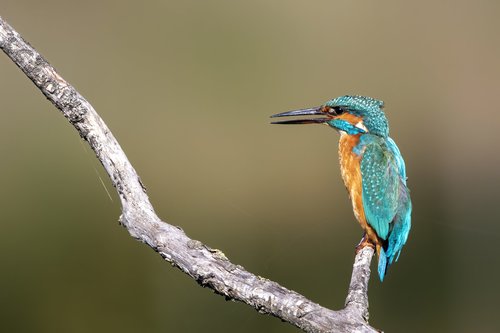
カワセミ (Alcedo atthis) カワセミ
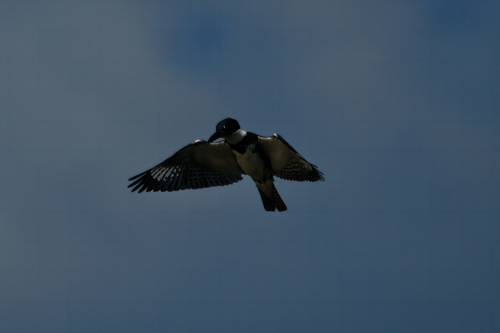
アメリカヤマセミ (Megaceryle alcyon) アメリカヤマセミ

メディア

読み込み中…

要点

カワセミとアメリカヤマセミの最も信頼できるフィールドマークは、全体のサイズと構造です:Beltedははるかに大きく、ずんぐりしており、毛羽立った冠羽と厚く重いくちばしを持っていますが、Commonはスズメサイズで、コンパクトで、冠羽がありません。すべての羽色において、アメリカヤマセミは広い青い胸帯(両性)を示し、雌と幼鳥では赤褐色の腹帯を持っています—これらの特徴はカワセミには存在しません。カワセミは上面が強い青色で、下面がオレンジ色で、整った小さな頭の形をしており、胸帯がありません。両種の幼鳥は鈍い色合いを示すことがありますが、Beltedのサイズ、冠羽、胸帯は際立っています。小さく、電気的な青色のカワセミがオレンジ色の下面を持ち、冠羽がない場合、それはCommonです;大きく、青灰色の冠羽を持つカワセミで胸帯があるのはBeltedです。

識別のコツ

  1. Size is the first check: アメリカヤマセミはカワセミのほぼ2倍の長さで、重さは3倍以上です。もしその鳥がスズメサイズに見えるなら、それはBeltedではありません。
  2. Crested vs. smooth head: Beltedはすべての年齢と性別で目立つ毛羽立った冠羽を持っています;Commonは滑らかで丸い頭を持ち、冠羽がありません。
  3. Breast band: アメリカヤマセミ(すべての年齢/性別)は広い青い胸帯を持っています;成鳥の雌とすべての幼鳥は赤褐色の腹帯も示します。カワセミは胸帯を示さず—その下面はオレンジ色/赤褐色です。
  4. Bill color: 成鳥の雌カワセミは黒い先端を持つオレンジ赤色の下顎を持っています;オスは全体が黒いくちばしを持っています。アメリカヤマセミは灰色の基部を持つ長く重い黒いくちばしを持っていますが、これはサイズ/冠羽/帯よりも役に立ちません。
  5. Upperpart color: カワセミは上面が明るい緑青色で、電気的な青色の背中と尾を持っています;Beltedは上面がスレート青灰色で、翼に白い斑点があります。
  6. Underpart color: カワセミは下面がオレンジ色/赤褐色で、Beltedは下面が白で、青と(雌/幼鳥では)赤褐色の帯があります。
  7. Ear patch: カワセミはくちばしの基部に赤褐色の斑点と赤褐色の耳斑点を持っています;Beltedはこれらを欠いています。
  8. Leg color: カワセミは明るい赤い脚を持っています(成鳥);Beltedの脚は特に特徴的とは記述されていません。
  9. Flight style: カワセミは水面の低いところを飛び、急速で回転する翼と迅速で直接的な飛行を持ち、しばしば素早い青い閃光のように見えます;Beltedの飛行は強く、しばしば高く、より意図的で、重い印象を持っています。
  10. Vocalization: アメリカヤマセミの大きく乾いたラトル音は診断的です;Commonの鳴き声は柔らかく短い笛のようです。
  11. Juvenile confusion: 幼鳥のカワセミは鈍い色合いですが、上面はまだ青く、下面はオレンジ色で、胸帯はありません。幼鳥のBeltedは常に赤褐色の腹帯と青い胸帯を示します。
  12. Sex differences: 完全な赤褐色の腹帯を持つのは雌のアメリカヤマセミだけです;雌のカワセミはオスに似ていますが、二色のくちばしを持っています。
  13. Context: ユーラシア/北アフリカでは、小さな青いカワセミはほぼ常にCommonです;北アメリカでは、大きな冠羽を持つカワセミはBeltedです。迷鳥は稀なので、分布は通常信頼できます。
  14. Perched posture: カワセミはコンパクトで、短い尾を持ち、ずんぐりしています;Beltedは大きく、長いくちばしを持ち、直立しています。
  15. Habitat overlap: 両種が可能な場合(例:ヨーロッパの迷鳥Belted)、サイズ、冠羽、胸帯に頼り、単に生息地だけでは判断しないでください。

大きさ

アメリカヤマセミは劇的に大きいです:長さ28–35 cm、質量113–178 gで、カワセミの長さ16 cm、重さ34–46 gと比較されます [wikipedia][wikidata]。Beltedはほぼ2倍の長さで、3倍以上の重さを持ち、頑丈で力強く見えますが、Commonは小柄で繊細です。距離があっても、Beltedのサイズと体格は際立っており、特に止まっているときや飛んでいるときに目立ちます。

羽色

幼鳥のカワセミは鈍く、上面が緑色で、下面が淡い色合いで、黒いくちばしと脚を持っていますが、依然として典型的な青とオレンジのパターンを示し、胸帯はありません。幼鳥のアメリカヤマセミは、両性ともに上腹部に赤褐色の帯を持ち—これが重要なマークです—上面は青灰色で、下面は白、青い胸帯があります。成鳥のオスカワセミは上面が明るい緑青色、下面がオレンジ色で、白い喉と赤褐色の耳斑点を持ち、冠羽はありません。成鳥のオスアメリカヤマセミは上面がスレート青色、下面が白で、単一の広い青い胸帯を持ち、毛羽立った冠羽があります。成鳥の雌Beltedは赤褐色の腹帯を追加しますが、雌のCommonはオスに似ていますが、オレンジ赤色の下顎を持っています。飛行中、カワセミは背中に電気的な青色の閃光を示しますが、Beltedは青灰色の上面と翼に白い斑点を示します。どちらの幼鳥にも特に特徴的な上翼のパターンは記述されていませんが、胸帯とサイズはすべての年齢で信頼できます。

行動

両種は水の上に止まり、魚を捕るために潜りますが、アメリカヤマセミはしばしば高いところに止まり、より目立ち、頻繁に川や湖の上をホバリングしたり騒がしく飛んだりするのが見られます。その飛行は強く、直接的で、しばしば水の上高く、急速な翼の動きと重く安定した印象を持っています。カワセミは水の上を低く飛び、回転する丸い翼と迅速で直接的な飛行を持ち、しばしば素早い青い閃光のように見えます。Commonはより秘密主義で、目立ってホバリングする可能性は低いです。

生息環境

カワセミはユーラシアと北アフリカの緩やかに流れる川、流れ、湖の沿岸に見られ、通常は水が澄んでいて岸が植生に覆われている場所に生息しています。アメリカヤマセミは北アメリカに生息し、川、湖、沿岸の水域に見られ、しばしばより開けたまたは露出した生息地に生息しています。彼らの生息地では混乱は稀ですが、重複する地域(迷鳥)では生息地だけでは診断的ではありません。

声

カワセミは短く鋭い笛の音「チー」を2回または3回繰り返し、緊張した鳥は厳しい「シュリット・イット・イット」を出します。アメリカヤマセミは非常に騒がしく、飛行中によく聞かれる大きく乾いたラトル音を持っています。鳴き声はかなり異なります:Beltedの鳴き声ははるかに大きく機械的で、Commonの鳴き声はより柔らかく笛のようです。

より良い説明を送る

比較と同じ項目を使ってください。文章はすぐに公開されます。

The most reliable field mark between Common Kingfisher and Belted Kingfisher is overall size and structure: Belted is much larger and bulkier, with a shaggy crest and a thick, heavy bill, while Common is sparrow-sized, compact, and lacks a crest. In all plumages, Belted Kingfisher shows a broad blue breast band (both sexes) and, in females and juveniles, a rufous belly band—features never present on Common Kingfisher. Common Kingfisher is intensely blue above and orange below, with a neat, small-headed look and no breast band. Juveniles of both species can show duller colors, but Belted’s size, crest, and breast band remain distinctive. If you see a small, electric-blue kingfisher with orange underparts and no crest, it is Common; a large, blue-gray, crested kingfisher with a breast band is Belted.

  1. Size is the first check: Belted Kingfisher is nearly twice as long and over three times as heavy as Common Kingfisher. If the bird looks sparrow-sized, it is not Belted.
  2. Crested vs. smooth head: Belted has a prominent shaggy crest at all ages and sexes; Common has a smooth, rounded head with no crest.
  3. Breast band: Belted Kingfisher (all ages/sexes) has a broad blue breast band; adult females and all juveniles also show a rufous belly band. Common Kingfisher never shows a breast band—its underparts are solid orange/rufous.
  4. Bill color: Adult female Common Kingfisher has an orange-red lower mandible with a black tip; males have an all-black bill. Belted Kingfisher has a long, heavy black bill with a gray base, but this is less useful than size/crest/band.
  5. Upperpart color: Common Kingfisher is bright green-blue above with an electric blue back and rump; Belted is slate blue-gray above with white spotting on the wings.
  6. Underpart color: Common Kingfisher is orange/rufous below, Belted is white below with blue and (in females/juveniles) rufous bands.
  7. Ear patch: Common Kingfisher has a rufous patch by the bill base and a rufous ear-patch; Belted lacks these.
  8. Leg color: Common Kingfisher has bright red legs (adults); Belted’s legs are not described as distinctive.
  9. Flight style: Common Kingfisher flies low over water with rapid, whirring wings and a quick, direct path; Belted’s flight is stronger, often higher, and more deliberate, with a heavier jizz.
  10. Vocalization: Belted Kingfisher’s loud, dry rattle is diagnostic; Common’s call is a soft, short whistle.
  11. Juvenile confusion: Juvenile Common Kingfisher is duller but still blue above and orange below, with no breast band. Juvenile Belted always shows a rufous belly band and blue breast band.
  12. Sex differences: Only female Belted Kingfisher has a full rufous belly band; female Common Kingfisher is like the male but with a bicolored bill.
  13. Context: In Eurasia/North Africa, a small blue kingfisher is almost always Common; in North America, a large, crested kingfisher is Belted. Vagrants are rare, so range is usually reliable.
  14. Perched posture: Common Kingfisher is compact, short-tailed, and dumpy; Belted is large, long-billed, and upright.
  15. Habitat overlap: If both species are possible (e.g., vagrant Belted in Europe), rely on size, crest, and breast band, not just habitat.

Belted Kingfisher is dramatically larger: 28–35 cm in length and 113–178 g in mass, compared to Common Kingfisher’s 16 cm length and 34–46 g weight [wikipedia][wikidata]. Belted is nearly twice as long and over three times heavier, appearing robust and powerful, while Common is petite and delicate. Even at a distance, Belted’s size and bulk stand out, especially when perched or in flight.

Juvenile Common Kingfisher is duller and greener above, with paler underparts and a black bill and legs, but still shows the classic blue-and-orange pattern and lacks any breast band. Juvenile Belted Kingfishers, both sexes, have a rufous band across the upper belly—a key mark—and are blue-gray above with white underparts and a blue breast band. Adult male Common Kingfisher is bright green-blue above, orange below, with a white throat and rufous ear-patch, and no crest. Adult male Belted Kingfisher is slate blue above, white below with a single broad blue breast band, and a shaggy crest. Adult female Belted adds a rufous belly band, while female Common is like the male but with an orange-red lower mandible. In flight, Common Kingfisher shows an electric-blue flash down the back, while Belted shows blue-gray upperparts with white spotting on the wings. No distinctive juvenile upperwing pattern is described for either, but the breast band and size are reliable at all ages.

Both species perch above water and dive for fish, but Belted Kingfisher often perches high and is more conspicuous, frequently seen hovering or flying noisily along rivers and lakes. Its flight is strong, direct, and often high above water, with rapid wingbeats and a heavy, steady jizz. Common Kingfisher flies low over water with whirring, rounded wings and a rapid, direct flight, often appearing as a quick blue flash. Common is more secretive and less likely to hover conspicuously.

Common Kingfisher is found along slow-moving rivers, streams, and lakes across Eurasia and North Africa, typically where water is clear and banks are vegetated. Belted Kingfisher is native to North America, found along rivers, lakes, and coastal waters, often in more open or exposed habitats. In their native ranges, confusion is rare, but in areas of overlap (vagrancy), habitat alone is not diagnostic.

Common Kingfisher gives a short, sharp whistle 'chee' repeated two or three times, and anxious birds give a harsh 'shrit-it-it.' Belted Kingfisher is famously noisy, with a loud, dry rattling call often heard in flight. The calls are quite different: Belted’s is much louder and more mechanical, while Common’s is softer and more whistled.

変更を破棄しますか?

保存していない編集があります。今離れると失われます。

カワセミ · アメリカヤマセミ · 苦手な鳥