

Motmot

Martin pescatore vs Belted Kingfisher

Alcedo atthis contro Megaceryle alcyon

Fai un quiz con Martin pescatore e Belted Kingfisher
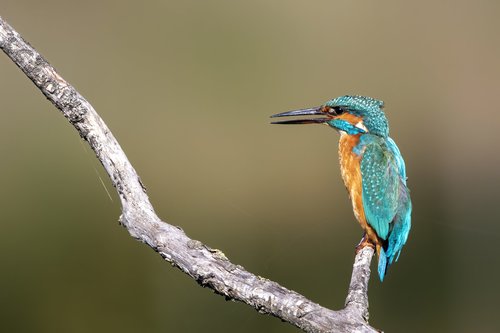
Martin pescatore (Alcedo atthis) Martin pescatore
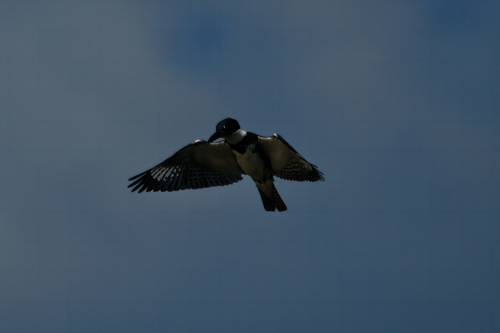
Belted Kingfisher (Megaceryle alcyon) Belted Kingfisher

Media

Caricamento…

In breve

The most reliable field mark between Common Kingfisher and Belted Kingfisher is overall size and structure: Belted is much larger and bulkier, with a shaggy crest and a thick, heavy bill, while Common is sparrow-sized, compact, and lacks a crest. In all plumages, Belted Kingfisher shows a broad blue breast band (both sexes) and, in females and juveniles, a rufous belly band—features never present on Common Kingfisher. Common Kingfisher is intensely blue above and orange below, with a neat, small-headed look and no breast band. Juveniles of both species can show duller colors, but Belted’s size, crest, and breast band remain distinctive. If you see a small, electric-blue kingfisher with orange underparts and no crest, it is Common; a large, blue-gray, crested kingfisher with a breast band is Belted.

Consigli di identificazione

  1. Size is the first check: Belted Kingfisher is nearly twice as long and over three times as heavy as Common Kingfisher. If the bird looks sparrow-sized, it is not Belted.
  2. Crested vs. smooth head: Belted has a prominent shaggy crest at all ages and sexes; Common has a smooth, rounded head with no crest.
  3. Breast band: Belted Kingfisher (all ages/sexes) has a broad blue breast band; adult females and all juveniles also show a rufous belly band. Common Kingfisher never shows a breast band—its underparts are solid orange/rufous.
  4. Bill color: Adult female Common Kingfisher has an orange-red lower mandible with a black tip; males have an all-black bill. Belted Kingfisher has a long, heavy black bill with a gray base, but this is less useful than size/crest/band.
  5. Upperpart color: Common Kingfisher is bright green-blue above with an electric blue back and rump; Belted is slate blue-gray above with white spotting on the wings.
  6. Underpart color: Common Kingfisher is orange/rufous below, Belted is white below with blue and (in females/juveniles) rufous bands.
  7. Ear patch: Common Kingfisher has a rufous patch by the bill base and a rufous ear-patch; Belted lacks these.
  8. Leg color: Common Kingfisher has bright red legs (adults); Belted’s legs are not described as distinctive.
  9. Flight style: Common Kingfisher flies low over water with rapid, whirring wings and a quick, direct path; Belted’s flight is stronger, often higher, and more deliberate, with a heavier jizz.
  10. Vocalization: Belted Kingfisher’s loud, dry rattle is diagnostic; Common’s call is a soft, short whistle.
  11. Juvenile confusion: Juvenile Common Kingfisher is duller but still blue above and orange below, with no breast band. Juvenile Belted always shows a rufous belly band and blue breast band.
  12. Sex differences: Only female Belted Kingfisher has a full rufous belly band; female Common Kingfisher is like the male but with a bicolored bill.
  13. Context: In Eurasia/North Africa, a small blue kingfisher is almost always Common; in North America, a large, crested kingfisher is Belted. Vagrants are rare, so range is usually reliable.
  14. Perched posture: Common Kingfisher is compact, short-tailed, and dumpy; Belted is large, long-billed, and upright.
  15. Habitat overlap: If both species are possible (e.g., vagrant Belted in Europe), rely on size, crest, and breast band, not just habitat.

Taglia

Belted Kingfisher is dramatically larger: 28–35 cm in length and 113–178 g in mass, compared to Common Kingfisher’s 16 cm length and 34–46 g weight [wikipedia][wikidata]. Belted is nearly twice as long and over three times heavier, appearing robust and powerful, while Common is petite and delicate. Even at a distance, Belted’s size and bulk stand out, especially when perched or in flight.

Piumaggio

Juvenile Common Kingfisher is duller and greener above, with paler underparts and a black bill and legs, but still shows the classic blue-and-orange pattern and lacks any breast band. Juvenile Belted Kingfishers, both sexes, have a rufous band across the upper belly—a key mark—and are blue-gray above with white underparts and a blue breast band. Adult male Common Kingfisher is bright green-blue above, orange below, with a white throat and rufous ear-patch, and no crest. Adult male Belted Kingfisher is slate blue above, white below with a single broad blue breast band, and a shaggy crest. Adult female Belted adds a rufous belly band, while female Common is like the male but with an orange-red lower mandible. In flight, Common Kingfisher shows an electric-blue flash down the back, while Belted shows blue-gray upperparts with white spotting on the wings. No distinctive juvenile upperwing pattern is described for either, but the breast band and size are reliable at all ages.

Comportamento

Both species perch above water and dive for fish, but Belted Kingfisher often perches high and is more conspicuous, frequently seen hovering or flying noisily along rivers and lakes. Its flight is strong, direct, and often high above water, with rapid wingbeats and a heavy, steady jizz. Common Kingfisher flies low over water with whirring, rounded wings and a rapid, direct flight, often appearing as a quick blue flash. Common is more secretive and less likely to hover conspicuously.

Habitat

Common Kingfisher is found along slow-moving rivers, streams, and lakes across Eurasia and North Africa, typically where water is clear and banks are vegetated. Belted Kingfisher is native to North America, found along rivers, lakes, and coastal waters, often in more open or exposed habitats. In their native ranges, confusion is rare, but in areas of overlap (vagrancy), habitat alone is not diagnostic.

Voce

Common Kingfisher gives a short, sharp whistle 'chee' repeated two or three times, and anxious birds give a harsh 'shrit-it-it.' Belted Kingfisher is famously noisy, with a loud, dry rattling call often heard in flight. The calls are quite different: Belted’s is much louder and more mechanical, while Common’s is softer and more whistled.

Invia una descrizione migliore

Usa le stesse sezioni del confronto. Il testo viene pubblicato subito.

The most reliable field mark between Common Kingfisher and Belted Kingfisher is overall size and structure: Belted is much larger and bulkier, with a shaggy crest and a thick, heavy bill, while Common is sparrow-sized, compact, and lacks a crest. In all plumages, Belted Kingfisher shows a broad blue breast band (both sexes) and, in females and juveniles, a rufous belly band—features never present on Common Kingfisher. Common Kingfisher is intensely blue above and orange below, with a neat, small-headed look and no breast band. Juveniles of both species can show duller colors, but Belted’s size, crest, and breast band remain distinctive. If you see a small, electric-blue kingfisher with orange underparts and no crest, it is Common; a large, blue-gray, crested kingfisher with a breast band is Belted.

  1. Size is the first check: Belted Kingfisher is nearly twice as long and over three times as heavy as Common Kingfisher. If the bird looks sparrow-sized, it is not Belted.
  2. Crested vs. smooth head: Belted has a prominent shaggy crest at all ages and sexes; Common has a smooth, rounded head with no crest.
  3. Breast band: Belted Kingfisher (all ages/sexes) has a broad blue breast band; adult females and all juveniles also show a rufous belly band. Common Kingfisher never shows a breast band—its underparts are solid orange/rufous.
  4. Bill color: Adult female Common Kingfisher has an orange-red lower mandible with a black tip; males have an all-black bill. Belted Kingfisher has a long, heavy black bill with a gray base, but this is less useful than size/crest/band.
  5. Upperpart color: Common Kingfisher is bright green-blue above with an electric blue back and rump; Belted is slate blue-gray above with white spotting on the wings.
  6. Underpart color: Common Kingfisher is orange/rufous below, Belted is white below with blue and (in females/juveniles) rufous bands.
  7. Ear patch: Common Kingfisher has a rufous patch by the bill base and a rufous ear-patch; Belted lacks these.
  8. Leg color: Common Kingfisher has bright red legs (adults); Belted’s legs are not described as distinctive.
  9. Flight style: Common Kingfisher flies low over water with rapid, whirring wings and a quick, direct path; Belted’s flight is stronger, often higher, and more deliberate, with a heavier jizz.
  10. Vocalization: Belted Kingfisher’s loud, dry rattle is diagnostic; Common’s call is a soft, short whistle.
  11. Juvenile confusion: Juvenile Common Kingfisher is duller but still blue above and orange below, with no breast band. Juvenile Belted always shows a rufous belly band and blue breast band.
  12. Sex differences: Only female Belted Kingfisher has a full rufous belly band; female Common Kingfisher is like the male but with a bicolored bill.
  13. Context: In Eurasia/North Africa, a small blue kingfisher is almost always Common; in North America, a large, crested kingfisher is Belted. Vagrants are rare, so range is usually reliable.
  14. Perched posture: Common Kingfisher is compact, short-tailed, and dumpy; Belted is large, long-billed, and upright.
  15. Habitat overlap: If both species are possible (e.g., vagrant Belted in Europe), rely on size, crest, and breast band, not just habitat.

Belted Kingfisher is dramatically larger: 28–35 cm in length and 113–178 g in mass, compared to Common Kingfisher’s 16 cm length and 34–46 g weight [wikipedia][wikidata]. Belted is nearly twice as long and over three times heavier, appearing robust and powerful, while Common is petite and delicate. Even at a distance, Belted’s size and bulk stand out, especially when perched or in flight.

Juvenile Common Kingfisher is duller and greener above, with paler underparts and a black bill and legs, but still shows the classic blue-and-orange pattern and lacks any breast band. Juvenile Belted Kingfishers, both sexes, have a rufous band across the upper belly—a key mark—and are blue-gray above with white underparts and a blue breast band. Adult male Common Kingfisher is bright green-blue above, orange below, with a white throat and rufous ear-patch, and no crest. Adult male Belted Kingfisher is slate blue above, white below with a single broad blue breast band, and a shaggy crest. Adult female Belted adds a rufous belly band, while female Common is like the male but with an orange-red lower mandible. In flight, Common Kingfisher shows an electric-blue flash down the back, while Belted shows blue-gray upperparts with white spotting on the wings. No distinctive juvenile upperwing pattern is described for either, but the breast band and size are reliable at all ages.

Both species perch above water and dive for fish, but Belted Kingfisher often perches high and is more conspicuous, frequently seen hovering or flying noisily along rivers and lakes. Its flight is strong, direct, and often high above water, with rapid wingbeats and a heavy, steady jizz. Common Kingfisher flies low over water with whirring, rounded wings and a rapid, direct flight, often appearing as a quick blue flash. Common is more secretive and less likely to hover conspicuously.

Common Kingfisher is found along slow-moving rivers, streams, and lakes across Eurasia and North Africa, typically where water is clear and banks are vegetated. Belted Kingfisher is native to North America, found along rivers, lakes, and coastal waters, often in more open or exposed habitats. In their native ranges, confusion is rare, but in areas of overlap (vagrancy), habitat alone is not diagnostic.

Common Kingfisher gives a short, sharp whistle 'chee' repeated two or three times, and anxious birds give a harsh 'shrit-it-it.' Belted Kingfisher is famously noisy, with a loud, dry rattling call often heard in flight. The calls are quite different: Belted’s is much louder and more mechanical, while Common’s is softer and more whistled.

Scartare le modifiche?

Hai modifiche non salvate. Se esci ora, andranno perse.

Martin pescatore · Belted Kingfisher · I miei uccelli difficili