

Motmot

ヤツガシラ 対 アメリカヤマセミ

Upupa epops 対 Megaceryle alcyon

ヤツガシラとアメリカヤマセミのクイズ
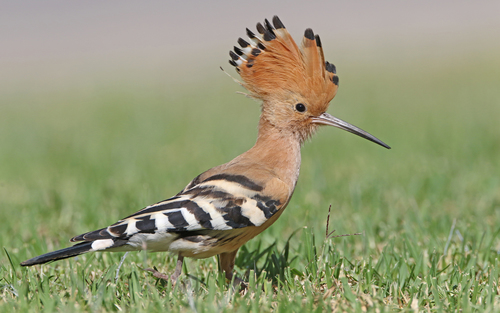
ヤツガシラ (Upupa epops) ヤツガシラ
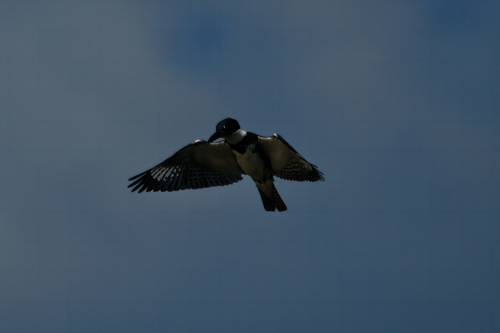
アメリカヤマセミ (Megaceryle alcyon) アメリカヤマセミ

メディア

読み込み中…

要点

最も信頼できるフィールドマークは全体の色とパターンです:ヤツガシラはシナモンバフの鳥で、太い黒と白の翼と尾、さらに高く扇形の冠を持っています。一方、アメリカヤマセミは上面がスレートブルーで、毛羽立った冠、白い腹部、青い胸のバンド(雌とすべての幼鳥には赤褐色の腹部バンドもあります)を持っています。飛行中、ヤツガシラは広く丸い翼を持ち、印象的な黒と白の縞模様を示し、独特の波打つ蝶のような飛行をします;アメリカヤマセミはまっすぐで強い翼の拍動を持ち、よりコンパクトでずんぐりした外見です。くちばしの形も重要です:ヤツガシラは長く細く、下向きのくちばしを持ち、アメリカヤマセミのくちばしは太く、まっすぐで、短剣のようです。幼鳥のアメリカヤマセミは常に赤褐色の腹部バンドを示しますが、ヤツガシラにはこのマークはありません。両種とも冠を持っていますが、ヤツガシラの冠ははるかに高く、より劇的です。声と生息地も非常に異なります:ヤツガシラは開けた土地で柔らかい「ウープ・ウープ・ウープ」を発し、アメリカヤマセミは水の近くで大きな rattling を発します。

識別のコツ

  1. 赤褐色の腹部バンド:上腹部に赤褐色のバンドがある鳥(成鳥雌または幼鳥のアメリカヤマセミ)はヤツガシラではありません。ヤツガシラはどの年齢でもこのマークを示しません。
  2. 全体の色:ヤツガシラはシナモンバフで、黒と白の翼と尾を持っています;アメリカヤマセミは上面がスレートブルーで、白い腹部と青(および赤褐色)の胸のバンドを持っています。
  3. 冠の形:ヤツガシラの冠は高く、扇形で、劇的な冠に立てることができます;アメリカヤマセミの冠は毛羽立った、ふさふさした冠で、決して高くなく、きれいに扇形にはなりません。
  4. くちばしの形:ヤツガシラは長く細い、強く下向きのくちばしを持っています;アメリカヤマセミのくちばしは太く、まっすぐで、短剣のようで、魚を捕まえるのに適しています。
  5. 飛行中の翼のパターン:ヤツガシラの翼は広く、丸く、特に飛行中に目立つ黒と白の縞模様を示します;アメリカヤマセミの翼は青で、黒い先端と小さな白い斑点があり、目立つ縞模様はありません。
  6. 尾のパターン:ヤツガシラは黒い尾に広い白いバンドを持っています;アメリカヤマセミの尾は青で、白い斑点があり、目立つ白いバンドはありません。
  7. 飛行スタイル:ヤツガシラは独特の波打つ蝶のような動きで飛び、各拍動の終わりに翼を半分閉じます;アメリカヤマセミの飛行は直接的で速く、強く、急速な翼の拍動と時折のホバリングを伴います。
  8. 生息地:ヤツガシラは開けた野原、草原、散在する木々のある場所に生息し、通常は水から離れています;アメリカヤマセミはほぼ常に水の近くにいて、水の上に止まったり、そこに飛び込んだりします。
  9. 声:ヤツガシラの鳴き声は柔らかい「ウープ・ウープ・ウープ」です;アメリカヤマセミは大きな rattling の鳴き声を発します。もし乾いた rattling を聞いたら、それはアメリカヤマセミです。
  10. 止まり方:アメリカヤマセミは水の上のワイヤーや枝にしっかりと止まります;ヤツガシラはより地面にいることが多く、低い位置に止まり、より水平な姿勢を持っています。
  11. 性別と年齢:赤褐色の腹部バンドを示すのは雌と幼鳥のアメリカヤマセミだけです;成鳥のオスはそれを持たず、青い胸のバンドは持っています。ヤツガシラは羽毛において性差がありません。
  12. くちばしの色:ヤツガシラのくちばしは黒で、ファーン色の基部を持っています;アメリカヤマセミのくちばしは黒で、灰色の基部を持っていますが、これは微妙で、遠くからは診断的ではありません。
  13. サイズと体格:アメリカヤマセミはより重く、ずんぐりしています;ヤツガシラはより軽く、スリムで、特にくちばしと翼においてより細長いです。
  14. 文脈:もしその鳥が魚を捕まえるために飛び込んだり、水の上でホバリングしているのが見えたら、それはアメリカヤマセミです;ヤツガシラはこのように行動しません。
  15. 冠の使い方:ヤツガシラは興奮したときに冠を頻繁に上げたり下げたりします;アメリカヤマセミの冠は常にやや毛羽立っていますが、あまり表現力はありません。

大きさ

アメリカヤマセミは明らかに重く(成鳥の質量約147 g)やや長く(28–35 cm)で、翼幅も広い(48–58 cm)ですが、ヤツガシラはより軽い体型(46–89 g、25–32 cmの長さ、44–48 cmの翼幅)です [wikidata]。アメリカヤマセミはずんぐりしていてより頑丈に見え、ヤツガシラはより軽く、スリムで、特にくちばしと翼においてより細長いです。

羽色

幼鳥と成鳥のアメリカヤマセミは両性とも上腹部に赤褐色のバンドを示しますが、これは常にヤツガシラにはありません。幼鳥のオスのアメリカヤマセミはまだらな赤褐色のバンドを持ち、幼鳥の雌は成鳥雌の広い赤褐色のバンドの薄いバージョンを持っています。すべての年齢のヤツガシラは全体がシナモンバフで、翼と尾に太い黒と白の縞模様を持ち、青や赤褐色の腹部バンドは決して示しません。アメリカヤマセミは上面がスレートブルーで、大きな白い襟、青い胸のバンド、(雌と幼鳥には)赤褐色の腹部バンドを持っています。飛行中、ヤツガシラの翼は広く、丸く、強い黒と白のパターンを持っていますが、アメリカヤマセミの翼は青で、黒い先端と小さな白い斑点があります。冠の形も特徴的です:ヤツガシラの冠は高く扇形で、アメリカヤマセミの冠は毛羽立っていてふさふさしています。くちばしの色も異なります:ヤツガシラのくちばしは長く細く、黒でファーン色の基部を持ち、アメリカヤマセミのくちばしは太く、まっすぐで、黒で灰色の基部を持っています。

行動

ヤツガシラはしばしば地面で餌を探し、長いくちばしで探り、独特の波打つ蝶のような飛行を示し、各拍動の終わりに翼を半分閉じます。 territorial で一夫一妻制であり、オスは頻繁に鳴き、時には攻撃的な戦いを行います。アメリカヤマセミはほぼ常に水の近くで見られ、枝やワイヤーに直立して止まり、頭から飛び込んで魚を捕まえます。その飛行は直接的で強く、急速な翼の拍動を伴い、しばしば急降下する前に短時間ホバリングします。アメリカヤマセミの動きはコンパクトで目的意識があり、ヤツガシラはより緩慢で不規則な動きをします。

生息環境

ヤツガシラは開けた国、草原、散在する木々のある場所に生息し、しばしば水から離れています。木や壁の穴に巣を作ります。アメリカヤマセミは水—川、湖、池、海岸—と密接に関連しており、水生生息地から遠くで見られることはほとんどありません。もし水の上に止まっているか、魚を捕まえるために飛び込んでいるのを見たら、それはほぼ確実にアメリカヤマセミです。

声

ヤツガシラは柔らかい三音節の「ウープ・ウープ・ウープ」(時には二音または四音)を発し、低く穏やかです。他の鳴き声には、警戒時に発するざらざらした鳴き声やシューという音が含まれます。アメリカヤマセミは大きく、乾いた rattling の鳴き声を発し、ヤツガシラの柔らかい音とは非常に異なります。声は強い区別要因であり、特に鳥が視界にないときに顕著です。

より良い説明を送る

比較と同じ項目を使ってください。文章はすぐに公開されます。

The most reliable field mark is the overall color and pattern: Common Hoopoe is a cinnamon-buff bird with bold black-and-white wings and tail, plus a tall, fan-shaped crest, while Belted Kingfisher is slate-blue above with a shaggy crest, white underparts, and a blue breast band (plus a rufous belly band in females and all juveniles). In flight, Hoopoe shows broad, rounded wings with striking black-and-white barring and a distinctive undulating, butterfly-like flight; Kingfisher has straight, strong wingbeats and a more compact, stocky look. Bill shape is also key: Hoopoe has a long, slender, decurved bill, while Kingfisher’s bill is thick, straight, and dagger-like. Juvenile kingfishers always show a rufous belly band, which is never present on Hoopoe. Both species have crests, but Hoopoe’s is much taller and more dramatic. Voice and habitat are also very different: Hoopoe gives a soft 'oop-oop-oop' in open country, Kingfisher a loud rattle near water.

  1. Rufous belly band: Any bird with a rufous band across the upper belly (adult female or any juvenile Belted Kingfisher) is not a Hoopoe. Hoopoe never shows this mark at any age.
  2. Overall color: Hoopoe is cinnamon-buff with black-and-white wings and tail; Kingfisher is slate-blue above with white underparts and blue (plus rufous) breast bands.
  3. Crest shape: Hoopoe’s crest is tall, fan-shaped, and can be raised into a dramatic crown; Kingfisher’s is a shaggy, bushy crest, never as tall or neatly fanned.
  4. Bill shape: Hoopoe has a long, thin, strongly decurved bill; Kingfisher’s bill is thick, straight, and dagger-like, suited for catching fish.
  5. Wing pattern in flight: Hoopoe’s wings are broad, rounded, and show bold black-and-white barring, especially obvious in flight; Kingfisher’s wings are blue with black tips and small white spots, lacking bold bars.
  6. Tail pattern: Hoopoe has a broad white band across a black tail; Kingfisher’s tail is blue with white spots, lacking a bold white band.
  7. Flight style: Hoopoe flies with a distinctive undulating, butterfly-like motion, wings half-closing at the end of each beat; Kingfisher’s flight is direct, fast, and strong, with rapid wingbeats and occasional hovering.
  8. Habitat: Hoopoe is found in open fields, grasslands, and scattered trees, usually away from water; Kingfisher is almost always near water, perched above or diving into it.
  9. Voice: Hoopoe’s call is a soft 'oop-oop-oop'; Kingfisher gives a loud, rattling call. If you hear a dry rattle, it’s a kingfisher.
  10. Perched posture: Kingfisher perches upright, often on wires or branches over water; Hoopoe is more often seen on the ground or perched low, with a more horizontal stance.
  11. Sex and age: Only female and juvenile Belted Kingfishers show the rufous belly band; adult males lack it but still have the blue breast band. Hoopoe shows no sexual dimorphism in plumage.
  12. Bill color: Hoopoe’s bill is black with a fawn base; Kingfisher’s is black with a gray base, but this is subtle and rarely diagnostic at distance.
  13. Size and bulk: Kingfisher is heavier and stockier; Hoopoe is lighter, slimmer, and more elongated, especially in the bill and wings.
  14. Context: If the bird is seen diving for fish or hovering over water, it is a kingfisher; Hoopoe never behaves this way.
  15. Crest use: Hoopoe frequently raises and lowers its crest, especially when excited; Kingfisher’s crest is always somewhat shaggy but less expressive.

Belted Kingfisher is noticeably heavier (adult mass ~147 g) and slightly longer (28–35 cm) with a broader wingspan (48–58 cm), compared to Common Hoopoe’s lighter build (46–89 g, 25–32 cm length, 44–48 cm wingspan) [wikidata]. Kingfisher appears stockier and more robust, while Hoopoe is lighter, slimmer, and more elongated, especially in the bill and wings.

Juvenile and adult Belted Kingfishers of both sexes show a rufous band across the upper belly, which is always absent in Common Hoopoe. Juvenile male kingfishers have a mottled rufous band, juvenile females a thinner version of the adult female’s broad rufous band. Hoopoe of all ages is cinnamon-buff overall with bold black-and-white barring on the wings and tail, and never shows any blue or rufous belly band. Kingfisher is slate-blue above, with a large white collar, blue breast band, and (in females and juveniles) a rufous belly band. In flight, Hoopoe’s wings are broad, rounded, and strongly patterned black-and-white, while Kingfisher’s wings are blue with black tips and small white spots. Crest shape is also distinctive: Hoopoe’s is tall and fan-shaped, Kingfisher’s is shaggy and bushy. Bill color also differs: Hoopoe’s is long, thin, and black with a fawn base; Kingfisher’s is thick, straight, and black with a gray base.

Common Hoopoe often forages on the ground, probing with its long bill, and shows a unique undulating, butterfly-like flight with wings half-closing at the end of each beat. It is territorial and monogamous, with males calling frequently and sometimes engaging in aggressive fights. Belted Kingfisher is almost always seen near water, perching upright on branches or wires, and dives headfirst to catch fish. Its flight is direct and strong, with rapid wingbeats, and it often hovers briefly before plunging. Kingfisher’s jizz is compact and purposeful, while Hoopoe is more languid and erratic in movement.

Common Hoopoe is found in open country, grasslands, and areas with scattered trees, often away from water. It nests in holes in trees or walls. Belted Kingfisher is tightly associated with water—rivers, lakes, ponds, and coasts—and is rarely seen far from aquatic habitats. If you see the bird perched over water or diving for fish, it is almost certainly a kingfisher.

Hoopoe gives a soft, trisyllabic 'oop-oop-oop' (sometimes two or four notes), which is low and mellow. Other calls include rasping croaks and hisses when alarmed. Belted Kingfisher gives a loud, dry, rattling call, very different from the Hoopoe’s soft notes. Voice is a strong separator, especially when the bird is not in view.

変更を破棄しますか?

保存していない編集があります。今離れると失われます。

ヤツガシラ · アメリカヤマセミ · 苦手な鳥