

Motmot

スズメバト 対 シマハジロバト

Columbina passerina 対 Zenaida aurita

スズメバトとシマハジロバトのクイズ
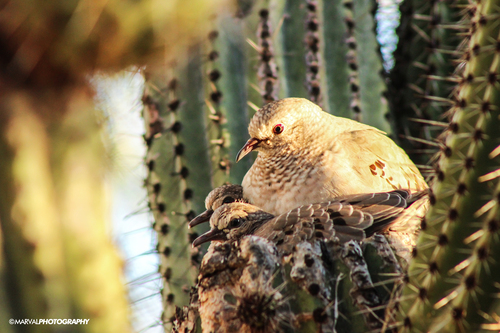
スズメバト (Columbina passerina) スズメバト
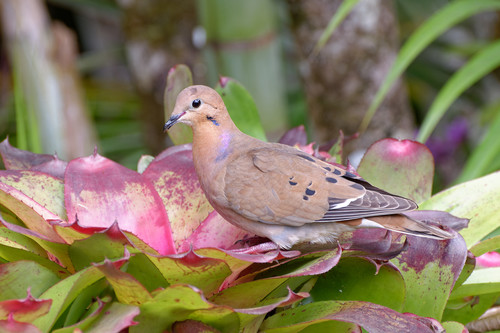
シマハジロバト (Zenaida aurita) シマハジロバト

メディア

読み込み中…

要点

スズメバトとシマハジロバトを区別する最も信頼できる方法は、サイズと構造です:スズメバトは非常に小さく、シマハジロバトの長さの半分にも満たず、質量の一部しかありません。飛んでいるとき、スズメバトは栗色の翼のパネルと縁を見せ、一方シマハジロバトは翼の白い後縁を示します—これらのマークは成鳥と幼鳥の両方で見ることができます。止まっているとき、スズメバトはコンパクトで短い尾と鱗状の頭/胸を持ち、シマハジロバトははるかに大きく、尾が長く、鱗状のパターンがありません。声、 habitat、行動も異なりますが、サイズと飛行のマークが通常は決定的です。

識別のコツ

  1. Size is the single most decisive mark: スズメバトは小さく—シマハジロバトの長さの半分未満、質量の4分の1です。もしその鳥がスズメのサイズに見えれば、それはスズメバトです;もし鳩のサイズであれば、それはシマハジロバトです。これはすべての年齢と性別に当てはまります。
  2. Flight marks: スズメバトが驚かされたときに栗色の初列風切羽と翼の縁を探してください;シマハジロバトは決して栗色を示さず、代わりに翼の白い後縁を見せます。これらのマークは成鳥と幼鳥の両方で見ることができ、強い光の中または鳥が驚いたときに最もよく見えます。
  3. Tail shape and length: スズメバトは非常に短い尾を持ち、止まっているときには翼を超えてほとんど突き出ていません。シマハジロバトの尾ははるかに長く、より丸みを帯びており、飛んでいるときや止まっているときに明らかです。
  4. Head and breast pattern: スズメバトだけが頭と上胸に鱗状の外観を持ち、淡い羽毛の縁から来ています。シマハジロバトの頭と胸は滑らかで均一です。
  5. Bill color: スズメバトは黒い先端のある黄色いくちばしを持ち(ほとんどの亜種)、シマハジロバトのくちばしは暗く、黄色はありません。
  6. Overall color: シマハジロバトは一般的により暗く、均一に茶色がかっていますが、スズメバトはより淡いです、特にオスにおいて。亜種の変異がこれに影響を与えることがありますが、違いは通常明確です。
  7. Sexual dimorphism: オスのスズメバトはスレートグレーの冠とピンクがかった腹部を持ち、メスはより灰色です。シマハジロバトはフィールドでの性的差異が少ないです。
  8. Jizz and posture: スズメバトはコンパクトで短い首を持ち、しばしば地面に低くしゃがんでいます。シマハジロバトはより高く立ち、より大きく、より直立して見えます。
  9. Behavior: スズメバトはほぼ常に地面にいて、素早く、シャッフルするように歩きます。シマハジロバトは地面で餌を探しますが、より頻繁に木や低木に止まり、高い止まり木に驚いて飛び立つ可能性が高いです。
  10. Habitat context: あなたが南部アメリカやカリブ海の乾燥した、開けた、または雑草の生えた地域にいる場合、スズメバトである可能性が高いです。より湿った、より植生の多い、または都市部の地域、特に水の近くでは、シマハジロバトがより可能性があります。
  11. Vocalizations: スズメバトの柔らかく、上昇する「フープ」音とシマハジロバトのより速く、悲しげな鳴き声を聞いてください。もし高音で繰り返される鳩の鳴き声を聞いたら、スズメバトを疑ってください。
  12. Flock size: スズメバトは通常一羽またはペアで見られます;シマハジロバトは特に水や食料源の近くでより大きな群れで見られることがあります。
  13. Confusion with ナゲキバト: もしナゲキバトを疑っているなら、シマハジロバトはより小さく、より暗いことを覚えておいてくださいが、それでもスズメバトよりはるかに大きいです。
  14. Subspecies variation: 一部のスズメバトの亜種はより暗いか、腹部により多くの白を持つことがありますが、構造的および飛行のマークは信頼できます。
  15. When marks fail: 照明が悪い場合や遠くからの場合、まずサイズとジズに頼り、その後に生息地と行動に頼ってください。もし鳥が驚かされたら、翼と尾のパターンを優先してください。

大きさ

スズメバトは世界で最も小さな鳩の一つで、長さはわずか15〜18 cm、体重は26〜40 gです [wikipedia]。対照的に、シマハジロバトははるかに大きく—長さは28〜30 cmでほぼ2倍、体重は159 gです [wikidata]。フィールドでは、このサイズのギャップは際立っています:シマハジロバトは鳩のサイズであり、スズメバトはスズメのサイズです。距離があっても、混合群れの中でも、スズメバトは小さくてコンパクトに見え、シマハジロバトは頑丈で長い体をしています。

羽色

行動

スズメバトはほとんどの時間を地面を歩いて過ごし、しばしば開けた雑草の生えた地域や裸の場所で見られ、通常は単独またはペアで見られます。飛行は低く、直接的で、急速な翼の動きとカバーに戻るための素早い下降を伴います。シマハジロバトも地面で餌を探しますが、特に水の近くや開けた低木の中で群れで見られる可能性が高く、より長く、強い飛行を行い、より鳩のような力強いジズを持っています。シマハジロバトは厳密に地上性ではなく、より容易に木や低木に止まります。

生息環境

スズメバトは開けた、乾燥した、または雑草の生えた生息地—フィールド、道路脇、低木、そして乱れた地面—を好み、特に南部アメリカ、カリブ海、南アメリカ北部で見られます。密な森林を避け、開けた地面から遠く離れていることはほとんどありません。シマハジロバトはカリブ海とユカタンに広く分布し、沿岸平野、マングローブ、ビーチ、市の公園、さらには一部の島の高い標高を含む、より広範な開けたおよび半開けた生息地を利用します。シマハジロバトはより湿ったまたは植生の多い地域で見られる可能性が高く、都市や農業の環境にもうまく適応します。

声

スズメバトは柔らかく、上昇する「フープ」音の繰り返しを出し、シマハジロバトの深く、悲しげな鳴き声よりもかなり異なり、高音です。シマハジロバトの鳴き声は速く、悲しげな「クーOOoo-クー-クー-クー」で、ナゲキバトに似ていますが、より速いです。両方とも声を出しますが、よく聞くとリズムとトーンがかなり異なります。

より良い説明を送る

比較と同じ項目を使ってください。文章はすぐに公開されます。

The most reliable way to separate Common Ground Dove from Zenaida Dove is by size and structure: Common Ground Dove is exceptionally tiny, barely half the length and a fraction of the mass of Zenaida Dove. In flight, Common Ground Dove flashes chestnut wing panels and borders, while Zenaida Dove shows a white trailing edge to the wing—these marks are visible in adults and immatures. Perched, Common Ground Dove is compact with a short tail and scaly head/breast, while Zenaida Dove is much bulkier, longer-tailed, and lacks the scaly pattern. Voice, habitat, and behavior also differ, but size and flight marks are usually decisive.

  1. Size is the single most decisive mark: Common Ground Dove is tiny—less than half the length and a quarter the mass of Zenaida Dove. If the bird looks sparrow-sized, it's a Common Ground Dove; if pigeon-sized, it's Zenaida Dove. This works for all ages and sexes.
  2. Flight marks: Watch for chestnut primaries and wing borders in Common Ground Dove when flushed; Zenaida Dove never shows chestnut but instead flashes a white trailing edge to the wing. These marks are visible in both adults and immatures and are best seen in strong light or when birds are startled.
  3. Tail shape and length: Common Ground Dove has a very short tail, barely projecting beyond the wings when perched. Zenaida Dove's tail is much longer and more rounded, often obvious in flight and when perched.
  4. Head and breast pattern: Only Common Ground Dove has a scaly appearance on the head and upper breast, from pale feather edges. Zenaida Dove's head and breast are smooth and uniform.
  5. Bill color: Common Ground Dove has a yellow bill with a black tip (most subspecies), while Zenaida Dove's bill is dark with no yellow.
  6. Overall color: Zenaida Dove is generally darker and more uniformly brownish, while Common Ground Dove is paler, especially in males. Subspecies variation can affect this, but the difference is usually clear.
  7. Sexual dimorphism: Male Common Ground Doves have a slate-gray crown and pinkish underparts; females are grayer. Zenaida Dove shows little sexual difference in the field.
  8. Jizz and posture: Common Ground Dove is compact, short-necked, and often crouched low to the ground. Zenaida Dove stands taller, is bulkier, and appears more upright.
  9. Behavior: Common Ground Dove is almost always on the ground, moving with a quick, shuffling walk. Zenaida Dove forages on the ground but perches in trees and shrubs more often and is more likely to flush to a high perch.
  10. Habitat context: If you are in a dry, open, or weedy area in the southern US or Caribbean, Common Ground Dove is likely. In wetter, more vegetated, or urban areas, especially near water, Zenaida Dove is more likely.
  11. Vocalizations: Listen for the Common Ground Dove's soft, rising 'whoop' notes versus Zenaida Dove's faster, mournful cooing. If you hear a dove call that is higher-pitched and repetitive, suspect Common Ground Dove.
  12. Flock size: Common Ground Dove is usually alone or in pairs; Zenaida Dove can be in larger flocks, especially near water or food sources.
  13. Confusion with Mourning Dove: If you suspect Mourning Dove, remember Zenaida Dove is smaller and darker, but still much larger than Common Ground Dove.
  14. Subspecies variation: Be aware that some Common Ground Dove subspecies can be darker or have more white on the belly, but the structural and flight marks remain reliable.
  15. When marks fail: In poor light or at great distance, rely on size and jizz first, then habitat and behavior. If the bird is flushed, prioritize the wing and tail pattern.

Common Ground Dove is one of the smallest doves in the world, measuring just 15–18 cm in length and weighing 26–40 g [wikipedia]. In contrast, Zenaida Dove is much larger—almost twice as long at 28–30 cm, and with a body mass of 159 g [wikidata]. In the field, this size gap is striking: Zenaida Dove is pigeon-sized, while Common Ground Dove is sparrow-sized. Even at a distance or in mixed flocks, the Common Ground Dove appears tiny and compact, while Zenaida Dove is robust and long-bodied.

  • In flight (all ages): Common Ground Dove shows chestnut primaries and wing borders, not visible when perched but obvious when the bird takes off. Zenaida Dove lacks chestnut in the wing but instead shows a distinctive white trailing edge to the wing, a key mark in flight for both adults and immatures.

  • Perched: Common Ground Dove has a scaly pattern on the head and upper breast (from feather edges), a yellow bill with a black tip, and a very short tail matching the back color. Zenaida Dove lacks the scaly pattern, has a longer, more rounded tail, and is generally darker overall, with no yellow on the bill.

  • Sex/age differences: Male Common Ground Doves have a slate-gray crown and pink-gray belly, while females are grayer and more evenly colored. Zenaida Dove shows less sexual dimorphism in the field. Subspecies variation in both can affect darkness and bill color, but the core field marks above remain reliable.

Common Ground Dove spends most of its time walking on the ground, often in open, weedy areas or bare patches, and is typically seen singly or in pairs. Its flight is low and direct, with rapid wingbeats and a quick drop back to cover. Zenaida Dove also forages on the ground but is more likely to be seen in flocks, especially near water or in open scrub, and takes longer, stronger flights with a more pigeon-like, powerful jizz. Zenaida Dove is less strictly terrestrial and will perch in trees and shrubs more readily.

Common Ground Dove favors open, dry, or weedy habitats—fields, roadsides, scrub, and disturbed ground—especially in the southern US, Caribbean, and northern South America. It avoids dense forest and is rarely found far from open ground. Zenaida Dove is widespread in the Caribbean and Yucatan, using a broader range of open and semi-open habitats, including coastal plains, mangroves, beaches, city parks, and even higher elevations in some islands. Zenaida Dove is more likely in wetter or more vegetated areas and adapts well to urban and agricultural settings.

Common Ground Dove gives a soft, repetitive series of rising 'whoop' notes, quite distinct and higher-pitched than the deep, mournful cooing of Zenaida Dove. Zenaida Dove's call is a rapid, mournful 'cooOOoo-coo-coo-coo', similar to Mourning Dove but faster. While both are vocal, their calls are quite different in rhythm and tone if heard well.

変更を破棄しますか?

保存していない編集があります。今離れると失われます。

スズメバト · シマハジロバト · 苦手な鳥