

Common Ground Dove vs Zenaida Dove
Columbina passerina contro Zenaida aurita
Fai un quiz con Common Ground Dove e Zenaida Dove
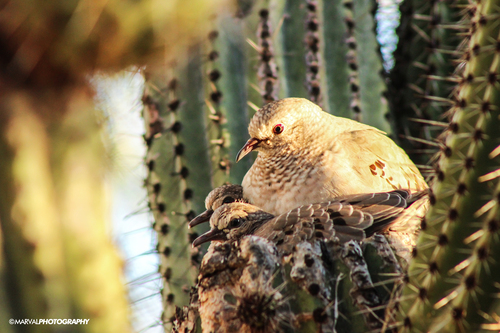 Common Ground Dove
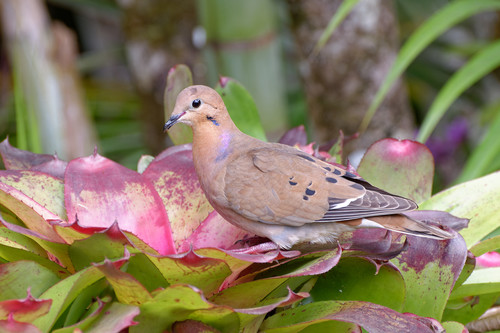 Zenaida Dove
In breve
Il modo più affidabile per separare il Common Ground Dove dallo Zenaida Dove è per dimensione e struttura: il Common Ground Dove è eccezionalmente piccolo, appena la metà della lunghezza e una frazione della massa dello Zenaida Dove. In volo, il Common Ground Dove mostra pannelli e bordi delle ali color castagno, mentre lo Zenaida Dove mostra un bordo bianco sulla parte posteriore dell'ala—questi segni sono visibili negli adulti e nei giovani. In posizione per l'appostamento, il Common Ground Dove è compatto con una coda corta e una testa/petto squamoso, mentre lo Zenaida Dove è molto più massiccio, con una coda più lunga e privo del motivo squamoso. La voce, l'habitat e il comportamento differiscono anche, ma le dimensioni e i segni di volo sono solitamente decisivi.
Consigli di identificazione
- La dimensione è il segno più decisivo: il Common Ground Dove è piccolo—meno della metà della lunghezza e un quarto della massa dello Zenaida Dove. Se l'uccello sembra delle dimensioni di un passero, è un Common Ground Dove; se delle dimensioni di un piccione, è uno Zenaida Dove. Questo vale per tutte le età e i sessi.
- Segni di volo: Fai attenzione ai primari castagni e ai bordi delle ali nel Common Ground Dove quando viene spaventato; lo Zenaida Dove non mostra mai castagno ma invece mostra un bordo bianco sulla parte posteriore dell'ala. Questi segni sono visibili sia negli adulti che nei giovani e sono meglio visibili in forte luce o quando gli uccelli vengono spaventati.
- Forma e lunghezza della coda: il Common Ground Dove ha una coda molto corta, che sporge appena oltre le ali quando è appollaiato. La coda dello Zenaida Dove è molto più lunga e più arrotondata, spesso evidente in volo e quando è appollaiato.
- Motivo della testa e del petto: Solo il Common Ground Dove ha un aspetto squamoso sulla testa e sul petto superiore, a causa dei bordi delle piume chiari. La testa e il petto dello Zenaida Dove sono lisci e uniformi.
- Colore del becco: il Common Ground Dove ha un becco giallo con una punta nera (la maggior parte delle sottospecie), mentre il becco dello Zenaida Dove è scuro senza giallo.
- Colore generale: lo Zenaida Dove è generalmente più scuro e più uniformemente marrone, mentre il Common Ground Dove è più chiaro, specialmente nei maschi. La variazione tra le sottospecie può influenzare questo, ma la differenza è solitamente chiara.
- Dimorfismo sessuale: I maschi di Common Ground Doves hanno una corona grigio ardesia e parti inferiori rosate; le femmine sono più grigie. Lo Zenaida Dove mostra poche differenze sessuali sul campo.
- Jizz e postura: il Common Ground Dove è compatto, con collo corto, e spesso si accovaccia vicino al suolo. Lo Zenaida Dove sta più in alto, è più massiccio e appare più eretto.
- Comportamento: il Common Ground Dove è quasi sempre a terra, muovendosi con una camminata rapida e strascicata. Lo Zenaida Dove cerca cibo a terra ma si appollaia più spesso su alberi e arbusti ed è più propenso a volare verso un posatoio alto.
- Contesto dell'habitat: Se ti trovi in un'area secca, aperta o infestata di erbacce nel sud degli Stati Uniti o nei Caraibi, è probabile che sia un Common Ground Dove. In aree più umide, più vegetate o urbane, specialmente vicino all'acqua, è più probabile che sia uno Zenaida Dove.
- Vocalizzazioni: Ascolta le note morbide e ascendenti del Common Ground Dove rispetto al cooing più veloce e mesto dello Zenaida Dove. Se senti un richiamo di colomba che è più acuto e ripetitivo, sospetta un Common Ground Dove.
- Dimensione del gruppo: il Common Ground Dove è solitamente solo o in coppie; lo Zenaida Dove può trovarsi in gruppi più grandi, specialmente vicino all'acqua o a fonti di cibo.
- Confusione con il Mourning Dove: Se sospetti un Mourning Dove, ricorda che lo Zenaida Dove è più piccolo e più scuro, ma comunque molto più grande del Common Ground Dove.
- Variazione tra le sottospecie: Tieni presente che alcune sottospecie di Common Ground Dove possono essere più scure o avere più bianco sul ventre, ma i segni strutturali e di volo rimangono affidabili.
- Quando i segni falliscono: In scarsa illuminazione o a grande distanza, fai affidamento prima sulla dimensione e sul jizz, poi sull'habitat e sul comportamento. Se l'uccello viene spaventato, dai priorità al motivo delle ali e della coda.
Taglia
Il Common Ground Dove è una delle più piccole colombe del mondo, misurando appena 15–18 cm di lunghezza e pesando 26–40 g [wikipedia]. Al contrario, lo Zenaida Dove è molto più grande—quasi il doppio della lunghezza a 28–30 cm, e con una massa corporea di 159 g [wikidata]. Sul campo, questo divario di dimensioni è sorprendente: lo Zenaida Dove è delle dimensioni di un piccione, mentre il Common Ground Dove è delle dimensioni di un passero. Anche a distanza o in gruppi misti, il Common Ground Dove appare piccolo e compatto, mentre lo Zenaida Dove è robusto e lungo.
Piumaggio
-
In volo (tutte le età): Il Common Ground Dove mostra primari castagni e bordi delle ali, non visibili quando è appollaiato ma evidenti quando l'uccello decolla. Lo Zenaida Dove non ha castagno nell'ala ma mostra invece un distintivo bordo bianco sulla parte posteriore dell'ala, un segno chiave in volo sia per gli adulti che per i giovani.
-
Appollaiato: Il Common Ground Dove ha un motivo squamoso sulla testa e sul petto superiore (dai bordi delle piume), un becco giallo con una punta nera, e una coda molto corta che corrisponde al colore della schiena. Lo Zenaida Dove non ha il motivo squamoso, ha una coda più lunga e più arrotondata, ed è generalmente più scuro nel complesso, senza giallo sul becco.
-
Differenze di sesso/età: I maschi di Common Ground Dove hanno una corona grigio ardesia e un ventre grigio-rosato, mentre le femmine sono più grigie e di colore più uniforme. Lo Zenaida Dove mostra meno dimorfismo sessuale sul campo. La variazione tra le sottospecie in entrambi può influenzare la scurezza e il colore del becco, ma i segni fondamentali sul campo sopra rimangono affidabili.
Comportamento
Il Common Ground Dove trascorre la maggior parte del suo tempo camminando a terra, spesso in aree aperte, infestati di erbacce o in zone spoglie, ed è tipicamente visto singolarmente o in coppie. Il suo volo è basso e diretto, con battiti d'ali rapidi e un rapido ritorno a copertura. Lo Zenaida Dove cerca anche cibo a terra ma è più probabile che venga visto in gruppi, specialmente vicino all'acqua o in cespugli aperti, e compie voli più lunghi e più forti con un jizz più simile a quello di un piccione. Lo Zenaida Dove è meno strettamente terrestre e si appollaia più facilmente su alberi e arbusti.
Habitat
Il Common Ground Dove predilige habitat aperti, secchi o infestati di erbacce—campi, bordi stradali, cespugli e terreni disturbati—specialmente nel sud degli Stati Uniti, nei Caraibi e nel nord del Sud America. Evita le foreste dense e raramente si trova lontano da terreni aperti. Lo Zenaida Dove è diffuso nei Caraibi e nello Yucatan, utilizzando una gamma più ampia di habitat aperti e semi-aperti, comprese pianure costiere, mangrovie, spiagge, parchi cittadini e persino altitudini più elevate in alcune isole. Lo Zenaida Dove è più probabile che si trovi in aree più umide o più vegetate e si adatta bene a contesti urbani e agricoli.
Voce
Il Common Ground Dove emette una serie morbida e ripetitiva di note ascendenti 'whoop', piuttosto distintive e più acute rispetto al profondo e mesto cooing dello Zenaida Dove. Il richiamo dello Zenaida Dove è un 'cooOOoo-coo-coo-coo' rapido e mesto, simile a quello del Mourning Dove ma più veloce. Anche se entrambi sono vocali, i loro richiami sono piuttosto diversi nel ritmo e nel tono se ascoltati bene.
Common Ground Dove · Zenaida Dove · I miei uccelli difficili