

Motmot

アオアシシギ 対 コオバシギ

Tringa nebularia 対 Calidris canutus

アオアシシギとコオバシギのクイズ
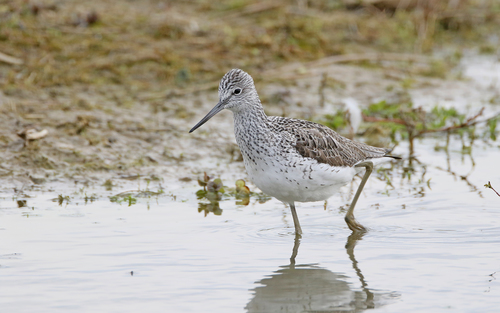
アオアシシギ (Tringa nebularia) アオアシシギ
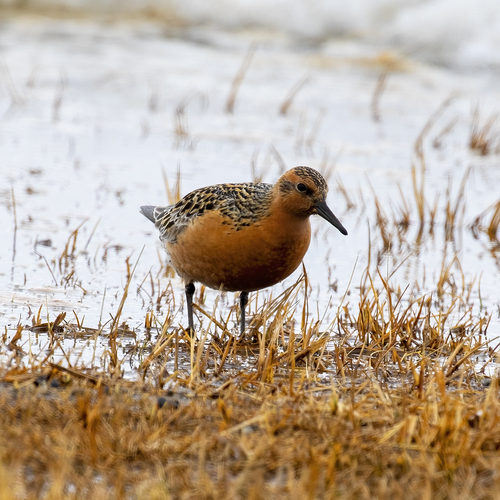
コオバシギ (Calidris canutus) コオバシギ

メディア

読み込み中…

要点

アオアシシギとコオバシギを区別する最も信頼できる方法は構造によるものです:アオアシシギは明らかに長く、わずかに上向きのくちばしと長い緑がかった脚を持ち、コオバシギは短く、まっすぐで暗いくちばしと短い暗い脚を持つコンパクトな体型です。飛行中、アオアシシギは背中に白い楔形の模様を示し、コオバシギは白い翼帯と灰色の尾を持っています。幼鳥のコオバシギは褐色の羽毛を持ち、縁に沿った線があり、これはアオアシシギには見られません。両種は繁殖期以外では灰色に見えることがありますので、最も迅速にフィールドで区別するためには、くちばし、脚の色、飛行パターンに注目してください。

識別のコツ

  1. くちばしの形と長さ: アオアシシギは灰色の基部を持つ長く、わずかに上向きのくちばしを持ち、コオバシギのくちばしは短く、まっすぐで暗いです。これはすべての年齢と季節で最も一貫したフィールドマークです。
  2. 脚の色と長さ: アオアシシギの脚は長く緑がかっており、背が高く優雅に見えます。コオバシギの脚は短く暗く、餌を取るときにずんぐりとした低い姿に見えます。
  3. 飛行パターン: 飛行中、アオアシシギは背中に白い楔形の模様を示し(すべての年齢)、コオバシギは大胆な白い翼帯と灰色の尾を持っています。特に鳥が飛び立つときや通り過ぎるときにこれを利用してください。
  4. 幼鳥/初年度の羽色: 幼鳥のコオバシギは褐色の羽毛を持ち、縁に沿った線があり、上面は鱗状に見えます。アオアシシギの幼鳥にはこれがなく、上面はより地味に見えます。
  5. 繁殖羽色: 繁殖期のコオバシギは、赤褐色の腹部と灰色の模様の上面を持ち、明確です。アオアシシギは上面が茶色で粗い模様の胸を持ちますが、下部は決して赤褐色ではありません。
  6. 非繁殖(冬)羽色: 両種は上面が淡い灰色ですが、アオアシシギはしばしばより茶色がかっているか灰色がかっており、構造的な違い(くちばし、脚)が重要です。
  7. サイズと印象: アオアシシギは大きく、長い首を持ち、背が高く見えます。コオバシギはコンパクトで丸い体型で、脚の長さに対して重そうに見えます。
  8. 餌を取る行動: アオアシシギはしばしば深い水で餌を取り、時には走ったり獲物を追いかけたりします。コオバシギは通常、泥干潟で突き刺したり、ついばんだりして餌を取り、しばしば密集した群れで迅速で低い歩き方をします。
  9. 生息地: アオアシシギは淡水または塩水の湿地にいる可能性が高いです。コオバシギは移動中や越冬地ではほぼ常に沿岸にいます。
  10. 声: アオアシシギの「テウテウテウ」は特徴的で、しばしば飛行中に発せられます。コオバシギの鳴き声は柔らかく、飛行中の群れに限られています。
  11. くちばしの基部の色: アオアシシギのくちばしの基部は灰色で、時にはより淡いです。コオバシギのくちばしは均一に暗いです。
  12. 飛行中の脚の長さ: アオアシシギの長い脚は飛行中に尾を大きく超えますが、コオバシギの短い脚は尾をほとんど超えません。
  13. 群れのサイズ: コオバシギはしばしば大きく密集した群れにいますが、アオアシシギはより孤立しているか小さな群れにいます。
  14. 姿勢: アオアシシギは直立して警戒していますが、コオバシギは餌を取るときにかがんで地面に低くなります。
  15. 落とし穴: 薄暗い光や遠くから見ると、両者は灰色に見え、サイズも似ていることがありますが、くちばしと脚の構造がしっかり見えれば区別できます。

大きさ

アオアシシギはコオバシギよりも明らかに大きく、重いです(体重約173g)対コオバシギ(約137g)[wikidata]。アオアシシギはまた、脚が長く、くちばしも長いため、細長い外観を持ち、コオバシギは短い脚と首のためによりコンパクトで「低い」外観を持っています。直接比較すると、アオアシシギは背が高く、特に水に入ったり歩いたりするときにより細長く見えます。

羽色

幼鳥のコオバシギは、初年度に特徴的な褐色の羽毛を持ち、縁に沿った線があり、これはアオアシシギには見られません。飛行中、すべての年齢のアオアシシギは背中に白い楔形の模様を示し、コオバシギは目立つ白い翼帯と灰色の尾を示します。非繁殖(冬)羽色では、両種は上面が淡い灰色になりますが、アオアシシギはわずかに茶色がかっているか灰色がかっており、コオバシギはより均一に淡い灰色です。繁殖期のコオバシギは、シナモン色の顔、喉、胸を持ち、明確です。しかし、これは繁殖期以外では見られません。繁殖羽色のアオアシシギは上面が茶色で粗い模様の胸を持ち、コオバシギは上面が灰色で下部が豊かな赤褐色です。脚の色は一貫した区別要因です:アオアシシギの脚は緑がかっており、コオバシギの脚は短く暗いです。

行動

アオアシシギはしばしば深い水で餌を取り、長い歩幅で活発に歩き、小魚や両生類を追いかけることがあります。時にはわずかに上向きのくちばしで突き刺すこともあります。コオバシギは通常、泥干潟で突き刺したり、ついばんだりして餌を取り、しばしば密集した群れで迅速で低い歩き方をします。アオアシシギはより孤立しているか、緩やかに関連していますが、コオバシギは特に移動中や越冬地では群れを作ります。

生息環境

アオアシシギは湿地、泥の縁、浅い湿地を好み、しばしば淡水または塩水の生息地にいます。コオバシギは移動中や冬の間、沿岸の泥干潟、河口、砂浜で最もよく見られます。両者は移動中に見られることがありますが、アオアシシギは淡水の場所や内陸で見られる可能性が高く、コオバシギは繁殖期以外ではほぼ完全に沿岸にいます。

声

アオアシシギは特徴的な3つのフルート音の速い連続音「テウテウテウ」を発し、しばしば飛び立つときや飛行中に発せられます。コオバシギは単独で餌を取るときは一般的に静かですが、飛行中の群れでは低い単音の「クヌット」や二音の「クヌープ-クヌープ」を発します。アオアシシギの鳴き声はより響き渡り、遠くまで届きますが、コオバシギの鳴き声は柔らかく、あまり特徴的ではありません。

より良い説明を送る

比較と同じ項目を使ってください。文章はすぐに公開されます。

The most reliable way to separate Common Greenshank from Red Knot is by structure: Greenshank has a distinctly longer, slightly upturned bill and long greenish legs, while Red Knot is compact with a short, straight, dark bill and short dark legs. In flight, Greenshank shows a white wedge up the back, whereas Red Knot has a white wing bar and grey rump/tail. Juvenile Red Knots have brownish coverts with submarginal lines, a feature not seen in Greenshank. Both species can appear greyish in non-breeding plumage, so focus on bill, leg color, and flight pattern for the quickest field separation.

  1. Bill shape and length: Greenshank has a long, slightly upturned bill with a grey base; Red Knot's bill is short, straight, and dark. This is the most consistent field mark at all ages and seasons.
  2. Leg color and length: Greenshank's legs are long and greenish, making it look tall and elegant; Red Knot's legs are short and dark, giving a squat, low-slung look when feeding.
  3. Flight pattern: In flight, Greenshank shows a white wedge up the back (all ages), while Red Knot has a bold white wing bar and a grey rump/tail. Use this especially when birds flush or fly past.
  4. Juvenile/first-year plumage: Juvenile Red Knots have brown coverts with submarginal lines and a scaly look to the upperparts. Greenshank juveniles lack this, appearing plainer above.
  5. Breeding plumage: Red Knot in breeding dress is unmistakable with rufous underparts and mottled grey above; Greenshank is brown above with a coarsely marked breast but never rufous below.
  6. Non-breeding (winter) plumage: Both are pale grey above, but Greenshank is often browner or greyer, and structural differences (bill, legs) remain key.
  7. Size and jizz: Greenshank is larger, longer-necked, and stands taller; Red Knot is compact, round-bodied, and appears heavier relative to its leg length.
  8. Feeding behavior: Greenshank often wades in deeper water, sometimes running or chasing prey; Red Knot feeds by probing or picking, usually in tight flocks on mudflats.
  9. Habitat: Greenshank is more likely at freshwater or brackish wetlands; Red Knot is almost always coastal on migration and wintering grounds.
  10. Voice: Greenshank's 'teu-teu-teu' is distinctive and often given in flight; Red Knot's calls are softer, more limited to flocks in flight.
  11. Bill base color: Greenshank's bill base is grey, sometimes paler; Red Knot's bill is uniformly dark.
  12. Leg length in flight: Greenshank's long legs project well beyond the tail in flight; Red Knot's short legs barely extend past the tail.
  13. Group size: Red Knot is often in large, dense flocks; Greenshank is more solitary or in small groups.
  14. Posture: Greenshank stands upright and alert; Red Knot is hunched and low to the ground when feeding.
  15. Pitfalls: In dull light or at a distance, both can look grey and similar in size, but bill and leg structure will still separate them if seen well.

Common Greenshank is noticeably larger and heavier (body mass ~173g) than Red Knot (~137g) [wikidata]. Greenshank is also longer-legged and longer-billed, giving it a lanky appearance, while Red Knot is more compact and 'low-slung' due to its short legs and neck. In direct comparison, Greenshank stands taller and appears more elongated, especially when wading or walking.

Juvenile Red Knots show distinctive brown coverts with submarginal lines in their first year, which is not present in Greenshank. In flight, Greenshank of all ages displays a white wedge up the back, while Red Knot shows a prominent white wing bar and a grey rump and tail. In non-breeding (winter) plumage, both species become pale grey above, but Greenshank retains a slightly browner or greyer cast, while Red Knot is more uniformly pale grey. Breeding Red Knots are unmistakable with their cinnamon face, throat, and breast, but this is absent outside the breeding season. Greenshank in breeding plumage is brown above with a coarsely marked breast, while Red Knot is mottled grey above with rich rufous below. Leg color is a consistent separator: Greenshank's legs are greenish, Red Knot's are short and dark.

Greenshank often feeds in deeper water, wading actively with long strides, and may be seen chasing small fish or amphibians, sometimes probing with its slightly upturned bill. Red Knot usually feeds by probing or picking on mudflats, often in tight flocks, using a rapid, low-slung gait. Greenshank is more solitary or loosely associated, while Red Knots are gregarious, especially on migration and wintering grounds.

Common Greenshank favors marshes, muddy margins, and shallow wetlands, often in freshwater or brackish habitats. Red Knot is most often found on coastal mudflats, estuaries, and sandy shores, especially during migration and winter. While both can be seen on migration, Greenshank is more likely inland or at freshwater sites, whereas Red Knot is almost exclusively coastal outside the breeding season.

Greenshank gives a distinctive rapid series of three fluty notes, 'teu-teu-teu', often when flushed or in flight. Red Knot is generally quiet when foraging singly, but in flight flocks gives a low monosyllabic 'knutt' or disyllabic 'knuup-knuup'. The Greenshank's call is more ringing and carries farther; Red Knot's is softer and less distinctive.

変更を破棄しますか?

保存していない編集があります。今離れると失われます。

アオアシシギ · コオバシギ · 苦手な鳥