

Motmot

ホオジロガモ 対 ウミアイサ

Bucephala clangula 対 Mergus serrator

ホオジロガモとウミアイサのクイズ
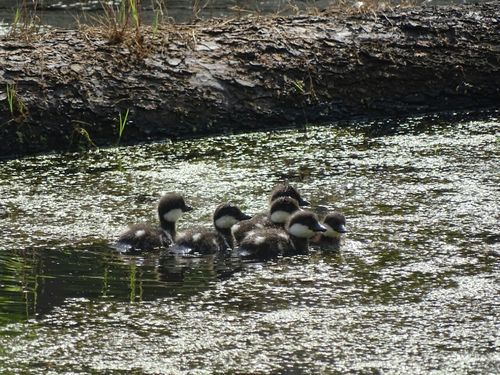
ホオジロガモ (Bucephala clangula) ホオジロガモ
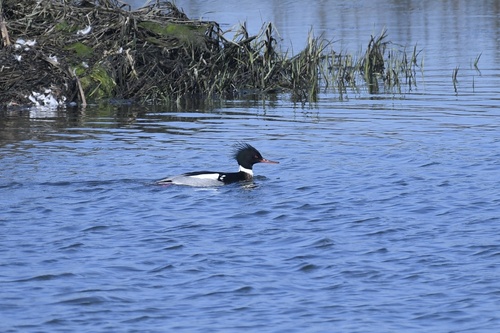
ウミアイサ (Mergus serrator) ウミアイサ

メディア

読み込み中…

要点

ホオジロガモとウミアイサの最も信頼できるフィールドマークはくちばしです:ホオジロガモは短くて整った暗いくちばしを持ち、ウミアイサは尖った冠を持つ長くて細い赤いくちばしを示します。飛んでいるときも休んでいるときも、ホオジロガモはコンパクトで丸い頭を持ち、ウミアイサは長くてスリムで、特に頭の周りがよりボロボロに見えます。成鳥のオスは、ホオジロガモの白い顔の斑点とウミアイサの錆色の胸と長いくちばしで簡単に区別できますが、メスや幼鳥はより難しく、両方とも茶色がかった頭と灰色がかった体を示します。特に繁殖していない鳥や若い鳥に対して、くちばしの形、頭の構造、全体的な印象に注目してください。

識別のコツ

  1. くちばしの形が重要:ホオジロガモは短くて整った暗いくちばしを持ち、ウミアイサはわずかにフック状の先端と目に見える鋸歯を持つ長くて細い赤いくちばしを持っています(近距離で最適)。これはすべての年齢と性別に対して信頼できます。
  2. 頭の形と冠:ホオジロガモは冠のない丸くて滑らかな頭を示し、ウミアイサは特にメスや幼鳥において明らかな尖ったボロボロの冠を持っています。これはすべての羽毛で使用できますが、特にメス/幼鳥に対して使用してください。
  3. 成鳥オスの顔の模様:オスのホオジロガモは、暗い緑色の光沢のある頭の下に明るい白い円形の斑点を持っています;オスのウミアイサはこの斑点がなく、代わりに錆色の胸と白い首を持っています。これは繁殖期のオスにおいて診断的です。
  4. メス/幼鳥の頭の色とコントラスト:メスのホオジロガモは、灰色の体に対して鋭いラインを持つチョコレートブラウンの頭を持っています;メスのウミアイサの頭は錆色で、体に対してより徐々に溶け込んでおり、コントラストが少ないです。
  5. 脚の色(見える場合):ホオジロガモのメスはオレンジ黄色の脚と足を持ち、止まっているときや離陸するときに見ることができます;ウミアイサの脚の色はフィールドでは特徴的ではありません。
  6. 体の形と姿勢:ホオジロガモはコンパクトで、頭が大きく、水面に高く座ります;ウミアイサは長くてスリムで、より低く座り、より細長い首と体を持っています。
  7. 飛行の印象:ホオジロガモはコンパクトで速く、急速な羽ばたきと短い首を持っています;ウミアイサは長く、より尖っており、細い首とより流線型の外観を持っています。
  8. 幼鳥の混乱:幼鳥のウミアイサはメスに似ていますが、短い冠と小さな白い翼の斑点を持っています;ホオジロガモの幼鳥はメスに似ていますが、常にコンパクトで丸い頭を持っています。区別にはくちばしと頭の形を使用してください。
  9. 生息地の文脈:特に冬に開けた塩水で見られた場合、ウミアイサの可能性が高いです;ホオジロガモは淡水を好みますが、保護された沿岸にも現れることがあります。単独では診断的ではありません。
  10. 求愛行動:ウミアイサのオスは、冬の終わり/春に首を伸ばしたり、冠を扇ぐような派手なディスプレイを示すことがあります;ホオジロガモの求愛は目立たず、通常はフィールドマークではありません。
  11. 羽毛の落とし穴:両種のメスと幼鳥は灰色の体に茶色がかった頭を持っていますが、ホオジロガモだけが整った丸い頭と短いくちばしを持っています;ウミアイサは常によりボロボロで長いくちばしに見えます。
  12. サイズ:ウミアイサは大きくて長い体を持っていますが、これは両種が並んでいない限り微妙です。
  13. 独特の翼の模様がない:どちらの種も飛行中に迅速に区別するための独特の上翼模様はありません;構造と頭/くちばしの形に依存してください。
  14. 声:利用可能な情報源に基づいて分離のための信頼できるフィールドマークではありません。
  15. 疑わしい場合:特にメスと幼鳥に対して、くちばしの長さ/形と頭の構造に注目してください—これらは年間を通じて最も一貫した違いです。

大きさ

ウミアイサはホオジロガモよりも明らかに大きくて重いです。ウミアイサは平均約1020gで、長さは51〜64cm、翼幅は66〜74cmです。ホオジロガモは小さくてコンパクトで、平均900g、長さは40〜51cm、翼幅は77〜83cmです。ホオジロガモの翼幅がわずかに長いにもかかわらず、ウミアイサの長い体と首はフィールドでより細長く、大きく見えます。このサイズの違いは、両種が並んでいるときに最も明らかですが、距離があると微妙な場合があります。

羽色

幼鳥とメスの羽毛は最も難しいです。両種は茶色がかった頭と灰色がかった体を示しますが、ホオジロガモのメスと幼鳥はより均一で丸い頭と整ったコンパクトな外観を持ち、ウミアイサはよりボロボロで尖った冠と長くて細い頭と首を持っています。飛行中、どちらの種も情報源に記載された独特の上翼模様はありませんので、構造と頭/くちばしの形に注目してください。成鳥のオスのホオジロガモは、暗い緑色の光沢のある頭と目の下の丸い白い斑点で明確です。一方、オスのウミアイサは緑色の頭、尖った冠、白い首、錆色の胸を持っています。メスのホオジロガモは、鋭く区別された灰色の体を持つチョコレートブラウンの頭、オレンジ黄色の脚、短いくちばしを持っています;メスのウミアイサは錆色の頭を持ち、体とのコントラストが少なく、長くて細い赤いくちばしとボロボロの冠を持っています。幼鳥のウミアイサはメスに似ていますが、短い冠と小さな白い翼の斑点を持っています(ホオジロガモに対しては診断的ではありません)。

行動

両種は食べ物を求めて潜りますが、ウミアイサは魚を捕まえるためにより特化しています。鋸歯状のくちばしを使用します。ホオジロガモは水生無脊椎動物や小魚を求めて潜り、しばしば水面でより浮力があり、コンパクトに見えます。ウミアイサの求愛行動は派手で、首を伸ばしたり、冠を扇ぐ動作を含みますが、繁殖期以外ではほとんど見られません。飛行中、ホオジロガモは速くて直接的で、急速な羽ばたきとコンパクトなプロファイルを持っています;ウミアイサは速いですが、より長く、尖った流線型のシルエットに見えます。

生息環境

両種は冬に重なることがあります、特に沿岸や河口の水域で。ウミアイサは冬に塩水で見られる可能性がはるかに高く、ホオジロガモは淡水の湖や川でより頻繁に見られますが、保護された沿岸地域にも現れます。生息地だけでは診断的ではありませんが、他のマークと組み合わせることで同定をサポートできます。

より良い説明を送る

比較と同じ項目を使ってください。文章はすぐに公開されます。

The most reliable field mark between Common Goldeneye and Red-breasted Merganser is the bill: goldeneye has a short, neat, dark bill, while merganser shows a long, thin, red bill with a spiky crest. In flight or at rest, goldeneye is compact and round-headed, while merganser is longer, slimmer, and more ragged, especially around the head. Adult males are easily separated by the goldeneye’s white face spot and the merganser’s rusty breast and long bill, but females and immatures are trickier, with both showing brownish heads and grayish bodies. Focus on bill shape, head structure, and overall jizz, especially for non-breeding or young birds.

  1. Bill shape is key: Goldeneye has a short, neat, dark bill; Red-breasted Merganser has a long, thin, red bill with a slightly hooked tip and visible serrations (best at close range). This is reliable for all ages and sexes.
  2. Head shape and crest: Goldeneye shows a rounded, smooth head with no crest; Merganser has a spiky, ragged crest, especially obvious in females and immatures. Use this in all plumages, but especially for females/immatures.
  3. Face pattern in adult males: Male goldeneye has a bright white circular spot below the eye on a dark green-glossed head; male merganser lacks this spot and instead has a rusty breast and a white neck. This is diagnostic in breeding males.
  4. Female/immature head color and contrast: Female goldeneye has a chocolate-brown head with a sharp line to the gray body; female merganser’s head is rusty and blends more gradually into the body, with less sharp contrast.
  5. Leg color (when visible): Goldeneye females have orange-yellow legs and feet, which can be seen when perched or taking off; merganser’s leg color is not distinctive in the field.
  6. Body shape and posture: Goldeneye is compact, bull-headed, and sits high on the water; merganser is longer, slimmer, and sits lower, with a more elongated neck and body.
  7. Flight jizz: Goldeneye appears compact and fast, with rapid wingbeats and a short neck; merganser is longer, more pointed, with a thinner neck and a more streamlined look.
  8. Juvenile confusion: Juvenile mergansers look like females but with a shorter crest and smaller white wing patches; goldeneye juveniles resemble females but are always compact and round-headed. Use bill and head shape for separation.
  9. Habitat context: If seen on open saltwater, especially in winter, merganser is more likely; goldeneye prefers freshwater but can occur on sheltered coasts. Not diagnostic alone.
  10. Courtship behavior: Merganser males may show elaborate neck-stretching and crest-fanning displays in late winter/spring; goldeneye courtship is less conspicuous and not usually a field mark.
  11. Plumage pitfalls: Both species’ females and immatures are gray-bodied with brownish heads, but only goldeneye has a neat, round head and short bill; merganser always looks shaggier and longer-billed.
  12. Size: Merganser is larger and longer-bodied, but this is subtle unless both species are side by side.
  13. No unique wing pattern: Neither species has a distinctive upperwing pattern for quick separation in flight; rely on structure and head/bill shape.
  14. Voice: Not a reliable field mark for separation based on available sources.
  15. When in doubt: Focus on bill length/shape and head structure, especially for females and immatures—these are the most consistent differences year-round.

Red-breasted Merganser is distinctly larger and heavier than Common Goldeneye. Merganser averages about 1020 g, with a length of 51–64 cm and a wingspan of 66–74 cm. Goldeneye is smaller and more compact, averaging 900 g, with a length of 40–51 cm and a wingspan of 77–83 cm. Despite the slightly longer wingspan of goldeneye, merganser’s longer body and neck make it appear much lankier and larger in the field. This size difference is most obvious when the two species are side by side, but can be subtle at a distance.

Juvenile and female plumages are the most challenging. Both species show brownish heads and grayish bodies, but goldeneye females and immatures have a more uniform, rounded head and a neat, compact look, while mergansers have a scruffier, spiky crest and a longer, thinner head and neck. In flight, neither species has a unique upperwing pattern described in the sources, so focus on structure and head/bill shape. Adult male goldeneye is unmistakable with a dark green-glossed head and a round white spot below the eye, while male merganser has a green head, spiky crest, white neck, and rusty breast. Female goldeneye has a chocolate-brown head with a sharply demarcated gray body, orange-yellow legs, and a short bill; female merganser has a rusty head, less contrast with the body, a long thin red bill, and a shaggier crest. Juvenile mergansers resemble females but with a shorter crest and smaller white wing patches (not diagnostic against goldeneye).

Both species dive for food, but merganser is more specialized for catching fish, using its serrated bill. Goldeneye dives for aquatic invertebrates and small fish, and often appears more buoyant and compact on the water. Merganser’s courtship display is elaborate and involves neck-stretching and crest-fanning, but this is rarely seen outside the breeding season. In flight, goldeneye is fast and direct, with rapid wingbeats and a compact profile; merganser is swift but appears longer, with a more pointed, streamlined silhouette.

Both species can overlap in winter, especially in coastal or estuarine waters. Red-breasted Merganser is much more likely to be found on saltwater, especially in winter, while Common Goldeneye is more often seen on freshwater lakes and rivers but also occurs in sheltered coastal areas. Habitat alone is not diagnostic but can support identification when combined with other marks.

変更を破棄しますか?

保存していない編集があります。今離れると失われます。

ホオジロガモ · ウミアイサ · 苦手な鳥