

Motmot

コーチャアリモズ 対 ムジアリモズ

Thamnophilus praecox 対 Thamnophilus unicolor

コーチャアリモズとムジアリモズのクイズ
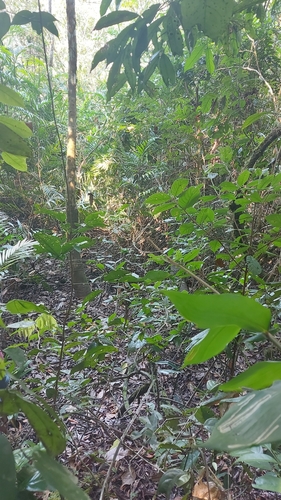
コーチャアリモズ (Thamnophilus praecox) コーチャアリモズ
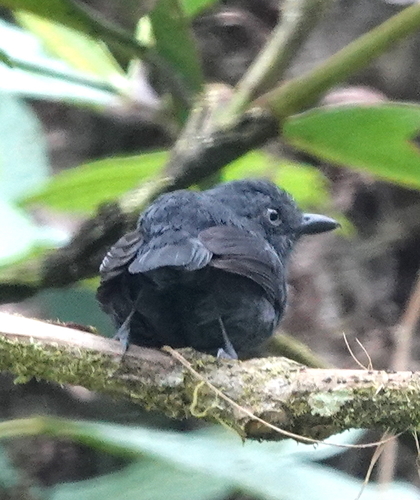
ムジアリモズ (Thamnophilus unicolor) ムジアリモズ

メディア

読み込み中…

要点

コーチャアリモズとムジアリモズの最も信頼できるフィールドマークはオスの羽色です:コーチャのオスは完全に黒いのに対し、ムジのオスは深い灰色または黒っぽい灰色で、時々白い尾羽の先端があります。雌のコーチャアリモズは、豊かなシナモンルフスの体に対して、目を引く黒い頭と喉を持っていますが、ムジの雌はルフスの冠、灰色の顔、より均一なルフスブラウンの上面と淡いルフスの下面を示します。未熟なムジアリモズは成鳥の雌に似ているため、雌のコーチャアリモズと混同される可能性が高くなります。両種は分布域と生息地が重なっているため、頭の模様と全体の色合いに注意を払うことが重要です。

識別のコツ

  1. Adult male plumage: コーチャアリモズのオスは完全に黒い(稀に見られる白いアンダーウィングカバーを除く);ムジアリモズのオスは深い灰色から黒っぽい灰色で、時々外側の尾羽に小さな白い先端があります。良い光の下では、ジェットブラック(コーチャ)と深い灰色(ムジ)の違いは通常明確です。
  2. Tail tips (males): 外側の尾羽に白い先端が見える場合、特に止まっているか扇状の尾のビューでは、これはムジアリモズを支持します。コーチャアリモズのオスにはこの特徴がありません。
  3. Adult female head pattern: 雌のコーチャアリモズは黒い頭、喉、上胸を持ち、シナモンルフスの体と鋭く対照的です。ムジアリモズの雌はルフスの冠と灰色の顔を持ち、コーチャの固体の黒い頭/喉が欠けています。
  4. Female upperparts: コーチャの雌は上面と下面がシナモンルフス(淡い下面あり)ですが、ムジの雌は上面がルフスブラウン、下面が淡いルフスで、灰色の顔とルフスの冠を持っています。全体の色だけでなく、顔の模様を探してください。
  5. Female throat: コーチャの雌は喉に淡い白い筋を示すことがありますが、喉は常に黒です;ムジの雌は下面に合った淡いルフスの喉を持っています。
  6. Immature birds: 未熟なムジアリモズは成鳥の雌に似ています(ルフスの冠、灰色の顔、ルフスブラウンの上面)。黒い頭/喉を持つ鳥を見た場合、それはどの年齢のムジアリモズでもありません。
  7. Bill and structure: 両種はThamnophilusに典型的な頑丈でフック状のくちばしを持っています;くちばしの形は区別要因ではありません。
  8. Iris and bare parts: ムジアリモズは灰白色から白っぽい灰色の虹彩、黒いくちばし、灰色または青灰色の足を持っています。コーチャアリモズの虹彩の色は記載されていないため、虹彩が淡く、他の特徴がムジに合う場合にのみ役立ちます。
  9. Subspecies variation: 一部のムジアリモズの亜種(例:T. u. grandior、T. u. caudatus)は、より頻繁に白い尾羽の先端(オス)や、より暗く、よりルフスの雌を持っていますが、灰色の顔とルフスの冠は依然として特徴的です。
  10. Voice: 鼻音の「anh」ノートの連続や、ガラガラした「kar'r'r'r」を聞いた場合、これはムジアリモズを指します。コーチャアリモズの音声データが不足しているため、沈黙は診断的ではありません。
  11. Foraging behavior: 両種は密な植生の中で低く採餌し、しばしば単独またはペアで行動します;行動は信頼できる区別要因ではありません。
  12. Habitat and range: 両種はコロンビア、エクアドル、ペルーに分布し、密で湿った低地の森林に生息しています。生息地は信頼できる区別要因ではなく、分布域と好ましい環境が広範に重なっています。
  13. White underwing (male Cocha): コーチャアリモズのオスは白いアンダーウィングカバーを持っていますが、これらはフィールドでは稀にしか見えず、実用的なフィールドマークではありません。
  14. Context: ペアを見た場合、両方の鳥を確認してください;混合ペアは発生しないため、黒い頭の雌と黒いオスはコーチャを指し、ルフスの冠、灰色の顔の雌と灰色のオスはムジを指します。
  15. Lighting: 光が悪い場合、深い灰色のムジのオスはほぼ黒に見えることがあります;環境との微妙なコントラストや白い尾羽の先端を探してください。

大きさ

両種はサイズが似ており、コーチャアリモズは約16 cmの長さで、ムジアリモズは14.5 cmから17 cmの範囲です。ムジアリモズの記録された質量は24 gです。両者のサイズや形状において強い構造的な違いはなく、どちらも頑丈で典型的なThamnophilusアリモズで、頑丈でフック状のくちばしを持っています。

羽色

どちらの種についても特徴的な幼鳥または未熟な上翼の模様は記載されていないため、分離は全体の色合いと頭の模様に依存します。

行動

両種は密な植生の中で採餌し、しばしば地面近くで行動します。ムジアリモズは単独またはペアで採餌することで知られ、混合フロックに参加することは稀で、時には8メートルの高さで餌を取ります。両者は枝の間を跳び、獲物を採取しますが、フィールドで診断的な強い行動の違いはありません。

生息環境

両種はコロンビア、エクアドル、ペルーに分布し、密で湿った低地の森林に生息しています。生息地は信頼できる区別要因ではなく、分布域と好ましい環境が広範に重なっています。

声

ムジアリモズの歌は短い鼻音のノート(「anh, anh, anh」)の連続または、やや加速し、上昇する、4〜8の高い下降ノートの遅い連続(「NYAH NYAH-nyah-nyah」)です。呼び声にはガラガラした「kar'r'r'r」、下降するうなり声、喉から出る下降する「raahhh」が含まれます。これらのノートにはコーチャアリモズの音声の記述がないため、ムジアリモズの特徴的な呼び声が聞こえない限り、声は信頼できる区別要因ではありません。

より良い説明を送る

比較と同じ項目を使ってください。文章はすぐに公開されます。

The most reliable field mark between Cocha Antshrike and Uniform Antshrike is the male plumage: Cocha males are entirely black, while Uniform males are deep gray or blackish-gray, sometimes with white tail tips. Female Cocha Antshrikes have a striking black head and throat with rich cinnamon-rufous body, while Uniform females show a rufous crown, gray face, and more uniformly rufous-brown upperparts and pale rufous underparts. Immature Uniform Antshrikes resemble adult females, making confusion with female Cocha Antshrike more likely. Both species overlap in range and habitat, so careful attention to head pattern and overall coloration is essential.

  1. Adult male plumage: Cocha Antshrike males are entirely black (except for rarely-seen white underwing coverts); Uniform Antshrike males are deep gray to blackish-gray, sometimes with small white tips on the outer tail. In good light, the difference between jet black (Cocha) and deep gray (Uniform) is usually clear.
  2. Tail tips (males): If you see white tips on the outer tail feathers, especially in perched or fanned tail views, this favors Uniform Antshrike. Cocha Antshrike males lack this feature.
  3. Adult female head pattern: Female Cocha Antshrikes have a black head, throat, and upper breast, sharply contrasting with the cinnamon-rufous body. Uniform Antshrike females have a rufous crown and gray face, lacking the solid black head/throat of Cocha.
  4. Female upperparts: Cocha females are cinnamon-rufous above and below (with paler underparts), while Uniform females are rufous-brown above and pale rufous below, but with a gray face and rufous crown. Look for the face pattern, not just overall color.
  5. Female throat: Cocha females may show faint white streaks on the throat, but the throat is always black; Uniform females have a pale rufous throat matching the underparts.
  6. Immature birds: Immature Uniform Antshrikes look like adult females (rufous crown, gray face, rufous-brown upperparts). If you see a bird with a black head/throat, it is not a Uniform Antshrike of any age.
  7. Bill and structure: Both species have stout, hooked bills typical of Thamnophilus; bill shape is not a separator.
  8. Iris and bare parts: Uniform Antshrike has a gray-white to whitish gray iris, black bill, and gray or blue-gray legs and feet. Cocha Antshrike iris color is not described, so this is only useful if the iris is pale and the bird fits Uniform otherwise.
  9. Subspecies variation: Some Uniform Antshrike subspecies (e.g., T. u. grandior, T. u. caudatus) have more frequent white tail tips (males) or darker, more rufous females, but the gray face and rufous crown remain.
  10. Voice: If you hear a series of nasal "anh" notes or a rattled "kar'r'r'r", this points to Uniform Antshrike. Lack of vocal data for Cocha Antshrike means silence is not diagnostic.
  11. Foraging behavior: Both species forage low in dense vegetation, often singly or in pairs; behavior is not a reliable separator.
  12. Habitat and range: Both species overlap in Colombia, Ecuador, and Peru, so do not rely on location alone.
  13. White underwing (male Cocha): Cocha Antshrike males have white underwing coverts, but these are rarely visible in the field and not a practical field mark.
  14. Context: If you see a pair, check both birds; mixed pairs do not occur, so a black-headed female with a black male points to Cocha, while a rufous-crowned, gray-faced female with a grayish male points to Uniform.
  15. Lighting: In poor light, deep gray Uniform males may appear nearly black; look for subtle contrast with the environment and any white tail tips.

Both species are similar in size, with Cocha Antshrike about 16 cm long and Uniform Antshrike ranging from 14.5 to 17 cm. Uniform Antshrike has a recorded mass of 24 g. There is no strong structural difference in size or shape between the two; both are typical, robust Thamnophilus antshrikes with stout, hooked bills.

No distinctive juvenile or immature upperwing pattern is described for either species, so separation relies on overall coloration and head pattern.

  • Adult males: Cocha Antshrike males are entirely black except for white underwing coverts (rarely visible), while Uniform Antshrike males are deep gray to blackish-gray, sometimes with small white tips on the outer tail feathers (especially in some subspecies).
  • Adult females: Cocha females have a black head, throat, and upper breast, with the rest of the body, wings, and tail a rich cinnamon-rufous; underparts are paler than the back. Uniform Antshrike females have a rufous crown, gray face, rufous-brown upperparts, and pale rufous underparts. Subspecies variation in Uniform Antshrike can make females darker and more rufous, but the gray face and rufous crown remain distinctive.
  • Immatures: Uniform Antshrike immatures resemble adult females, so look for the same rufous crown and gray face. Cocha Antshrike immature plumage is not described, but likely follows adult female pattern.

Both species forage in dense vegetation, often low to the ground. Uniform Antshrike is noted for foraging singly or in pairs, rarely joining mixed flocks, and sometimes feeding up to 8 meters high. Both hop among branches and glean prey, but there is no strong behavioral difference that is diagnostic in the field.

Both species occur in Colombia, Ecuador, and Peru, and both inhabit dense, humid lowland forests. Habitat is not a reliable separator, as their ranges and preferred environments overlap extensively.

Uniform Antshrike's song is a short series of nasal notes ("anh, anh, anh") or a slightly accelerating, rising, slow series of 4–8 high, descending notes ("NYAH NYAH-nyah-nyah"). Calls include a rattled "kar'r'r'r", a descending whine, and a throaty, descending "raahhh". No vocal description is available for Cocha Antshrike in these notes, so voice is not a reliable separator unless Uniform Antshrike's distinctive calls are heard.

変更を破棄しますか?

保存していない編集があります。今離れると失われます。

コーチャアリモズ · ムジアリモズ · 苦手な鳥