

Motmot

ヒガラ 対 Japanese Tit

Periparus ater 対 Parus minor

ヒガラとJapanese Titのクイズ
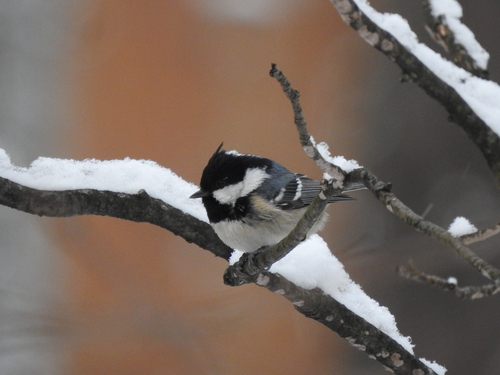
ヒガラ (Periparus ater) ヒガラ
Japanese Tit (Parus minor) Japanese Tit

メディア

読み込み中…

要点

ヒガラとJapanese Titを区別する最も信頼できるフィールドマークは、ヒガラの黒い頭にある大きな白い後頭部の斑点で、これはJapanese Titには決して存在しません。すべての年齢において、ヒガラは2つの明確な白い翼帯を示しますが、Japanese Titは1つだけです。Japanese Titは、白い腹部を下る広い黒い腹線と、しっかりとした灰色の背中で際立っていますが、ヒガラは淡褐色から赤褐色の側面と、より控えめなオフホワイトの腹部を持っています。若いヒガラはより鈍く、成鳥の鮮明さが欠けることがありますが、後頭部の斑点は重要な特徴として残ります。両種は黒いフードと白い頬を持っていますが、ヒガラの頭の模様はより対照的でコンパクトです。

識別のコツ

  1. 白い後頭部の斑点(ヒガラのみ): 後頭部に大きく明確な白い斑点を探してください。これはすべての年齢のヒガラに特有で、Japanese Titには決して存在しません。
  2. 翼帯の数: ヒガラは2つの明確な白い翼帯を示します(白い先端の覆羽から)、一方Japanese Titは1つの白い翼帯しか持っていません。これは止まっているときも飛んでいるときも見えます。
  3. 黒い腹線(Japanese Titのみ): Japanese Titは白い腹部の中央を下る広い黒いストライプを持っています(オスが最も広く、メスが狭い)、ヒガラにはありません。
  4. 背中の色: Japanese Titはきれいな灰色の背中を持っていますが、ヒガラの背中はオリーブ色または灰色がかっていて、均一ではありません。
  5. 頬と顔の模様: 両者は白い頬を持っていますが、ヒガラの顔はよりコンパクトで、オフホワイトの頬とより対照的な黒い頭と喉を持っています。Japanese Titの白い頬の斑点はより大きく、長方形です。
  6. 側面の色: ヒガラの側面は淡褐色から赤褐色がかっていますが、Japanese Titの腹部は黒い腹線を除いて純白です。
  7. 尾の模様: Japanese Titは灰色の外側の羽と白い先端を持つ黒い尾を持っています(最も外側のペアはすべて白で黒い軸)、一方ヒガラの尾はよりシンプルで短いです。
  8. くちばしのサイズと形: ヒガラはより細く小さなくちばしを持っています。Japanese Titのくちばしはより頑丈ですが、これは微妙な特徴で、直接比較するのが最適です。
  9. サイズと印象: ヒガラは明らかに小さく、より繊細で、特に針葉樹の中でより活発で敏捷に見えることがよくあります。Japanese Titはより大きく、頑丈で、尾が長いです。
  10. 幼鳥の混同: 幼いヒガラは鈍いですが、まだ後頭部の斑点を示します。幼いJapanese Titは背中に緑色が見えることがあり、腹部は黄色がかっていますが、後頭部の斑点や2つの翼帯は決して持っていません。
  11. 声: ヒガラの鳴き声は短く、高音で、切れのあるものです。Japanese Titの鳴き声はより豊かで、より笛のようでメロディックです。速く高い「イフ・ヒ、イフ・ヒ」という歌が聞こえたら、それはヒガラです。繰り返される「ティティウィーシ」がJapanese Titを指します。
  12. 生息地の文脈: 密な針葉樹林ではヒガラがより見られやすく、広葉樹の森、公園、庭ではJapanese Titがより期待されますが、重複が起こることもあります。
  13. 採餌行動: ヒガラは逆さまになったり、枝の先でホバリングしたりするのが見られることが多いです。Japanese Titはしばしば足で食べ物を操作したり、種を樹皮に挟んで叩いて開けたりします。
  14. 性差(Japanese Tit): オスはより広い黒い腹線を持っています。メスはやや鈍く、狭いストライプを持っていますが、両方の性別はヒガラの後頭部の斑点を欠いています。
  15. 落とし穴: 照明が悪い場合や距離がある場合、黒い頭と白い頬は似て見えることがあります。全体の色やサイズに頼る前に、必ず後頭部の斑点と翼帯の数を確認してください。

大きさ

ヒガラはJapanese Titに比べて小さく(10–11.5 cmの長さ [wikipedia])、より繊細な体型をしています。Japanese Titはヨーロッパシジュウカラに近いサイズで、よりずんぐりとした印象を与えます。Japanese Titの比率はより頑丈で、より広い体と長い尾を持っていますが、ヒガラは明らかに小柄で敏捷です。くちばしのサイズもヒガラの方がわずかに小さく、細いですが、これはフィールドでは微妙です。

羽色

行動

両種は木の中で活発に採餌し、混合種の群れに参加しますが、ヒガラは特に敏捷で、しばしば針葉樹の高いところで餌を食べ、頻繁に逆さまになったりホバリングしたりします。Japanese Titはペアや小さな群れで見られることが多く、時には足で獲物を持ったり、種を樹皮に挟んで叩いて開けたりします。ヒガラは短い「ディー」または「シーシー」という呼び声でほぼ常に連絡を保ちますが、Japanese Titの呼び声はより多様で笛のようです。

生息環境

ヒガラは主にユーラシアの針葉樹林と混合林に生息し、特に温帯および山地の地域で見られます。Japanese Titは広葉樹と混合林、公園、庭など、より広範な森林生息地を好みますが、針葉樹に厳密には結びついていません。混合林では重複が可能ですが、ヒガラは針葉樹の環境に特化しています。

声

ヒガラは短く高音の「ディー」または「シーシー」という呼び声と、速く高い「イフ・ヒ、イフ・ヒ、イフ・ヒ」という歌を発します。これはヨーロッパシジュウカラよりも速く高いです。Japanese Titの歌は笛のような「ティティウィーシ...ティティウィーシ...」または「ウィツィ・シーシー」で、何度も繰り返され、呼び声はより多様でメロディックです。ヒガラの呼び声はより切れがあり、音楽的ではありませんが、Japanese Titの呼び声はより豊かで複雑です。

より良い説明を送る

比較と同じ項目を使ってください。文章はすぐに公開されます。

The most reliable field mark to separate Coal Tit from Japanese Tit is the large white nape spot on the Coal Tit's black head, which is never present on Japanese Tit. In all ages, Coal Tit also shows two clear white wingbars, while Japanese Tit has only one. Japanese Tit stands out with its broad black ventral line running down the white underparts and a solid grey back, whereas Coal Tit has buff to rufous flanks and a more subdued, off-white underside. Juvenile Coal Tits are duller and may lack the crispness of adults, but the nape spot remains a key feature. Both species have black hoods and white cheeks, but the Coal Tit's head pattern is more contrasting and compact.

  1. White nape spot (Coal Tit only): Look for a large, clear white patch on the nape—diagnostic for Coal Tit of all ages and never present on Japanese Tit.
  2. Number of wingbars: Coal Tit shows two distinct white wingbars (from white-tipped coverts), while Japanese Tit has only a single white wingbar. This is visible both perched and in flight.
  3. Black ventral line (Japanese Tit only): Japanese Tit has a broad black stripe running down the center of the white underparts (broadest in males, narrower in females), absent in Coal Tit.
  4. Back color: Japanese Tit has a clean, ashy-grey back, while Coal Tit's back is more olive or greyish and less uniform.
  5. Cheek and face pattern: Both have white cheeks, but Coal Tit's face is more compact, with off-white cheeks and a more contrasting black head and throat. Japanese Tit's white cheek patch is larger and more rectangular.
  6. Flank color: Coal Tit's flanks are tinged buff to rufous, especially in some subspecies, while Japanese Tit's underparts are pure white except for the black ventral line.
  7. Tail pattern: Japanese Tit has a black tail with ashy outer webs and white tips (outermost pair all white with black shaft), while Coal Tit's tail is plainer and shorter.
  8. Bill size and shape: Coal Tit has a finer, smaller bill; Japanese Tit's bill is stouter, but this is a subtle mark and best used in direct comparison.
  9. Size and jizz: Coal Tit is noticeably smaller and more delicate, often appearing more active and agile, especially in conifers. Japanese Tit is bulkier and more robust, with a longer tail.
  10. Juvenile confusion: Juvenile Coal Tits are duller but still show the nape spot; juvenile Japanese Tits may show some green on the back and yellowish below but never have a nape spot or two wingbars.
  11. Voice: Coal Tit's calls are short, high-pitched, and clipped; Japanese Tit's are richer, more whistled, and melodic. If you hear a rapid, high 'if-he, if-he' song, it's Coal Tit; a repeated 'titiweesi' points to Japanese Tit.
  12. Habitat context: In dense coniferous forests, Coal Tit is more likely; in broadleaf woods, parks, or gardens, Japanese Tit is more expected, though overlap can occur.
  13. Foraging behavior: Coal Tit is more likely to be seen hanging upside down or hovering at branch tips; Japanese Tit often manipulates food with its feet or wedges seeds in bark.
  14. Sex differences (Japanese Tit): Males have a broader black ventral line; females are slightly duller and have a narrower stripe, but both sexes lack the Coal Tit's nape spot.
  15. Pitfalls: In poor light or at distance, the black head and white cheeks can look similar; always check for the nape spot and number of wingbars before relying on overall color or size.

Coal Tit is smaller (10–11.5 cm length [wikipedia]) and more delicate in build compared to Japanese Tit, which is closer in size to Great Tit and appears chunkier. Japanese Tit's proportions are more robust, with a broader body and longer tail, while Coal Tit is noticeably petite and agile. Bill size is also slightly smaller and finer in Coal Tit, but this is subtle in the field.

  • Juvenile/Immature: Juvenile Coal Tits are duller than adults, lacking the glossy black head and with yellowish tinges to the nape and cheeks, but still show the white nape spot. Japanese Tit juveniles may show some green on the back and yellowish on the underside, but never have a nape spot or two wingbars.
  • Adults: Coal Tit has a black head, throat, and neck with a large white nape spot and two white wingbars (from tips of wing coverts). Underparts are off-white, with buff to rufous flanks. Japanese Tit has a black hood, white cheek patch, grey back, and a single white wingbar. The underparts are white with a bold black central stripe (broader in males, narrower in females). Japanese Tit's tail is black with ashy outer webs and white tips, and the undertail coverts are black centrally and white on the sides. Coal Tit's upperparts are more olive or greyish, lacking the clean grey back of Japanese Tit.

Both species forage actively in trees and join mixed-species flocks, but Coal Tit is particularly agile and often feeds high in conifers, frequently hanging upside down or hovering. Japanese Tit is more likely to be seen in pairs or small groups, sometimes holding prey with its feet or wedging seeds in bark to hammer them open. Coal Tit maintains near-constant contact with short 'dee' or 'see-see' calls, while Japanese Tit's calls are more varied and whistled.

Coal Tit is most often found in coniferous and mixed forests throughout the Palearctic, especially in temperate and montane zones. Japanese Tit prefers a wider range of wooded habitats, including deciduous and mixed forests, parks, and gardens, but is less strictly tied to conifers. Overlap is possible in mixed woodlands, but Coal Tit is more specialized for coniferous settings.

Coal Tit gives short, high-pitched 'dee' or 'see-see' calls and a rapid, high 'if-he, if-he, if-he' song, faster and higher than Great Tit. Japanese Tit's song is a whistled 'titiweesi...titiweesi...' or 'witsi-seesee', repeated several times, and its calls are more varied and melodic. Coal Tit's calls are more clipped and less musical, while Japanese Tit's are richer and more complex.

変更を破棄しますか?

保存していない編集があります。今離れると失われます。

ヒガラ · Japanese Tit · 苦手な鳥