

Motmot

チリーフラミンゴ 対 ヨーロッパフラミンゴ

Phoenicopterus chilensis 対 Phoenicopterus roseus

チリーフラミンゴとヨーロッパフラミンゴのクイズ
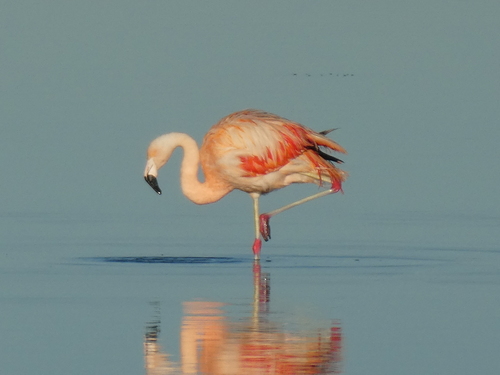
チリーフラミンゴ (Phoenicopterus chilensis) チリーフラミンゴ
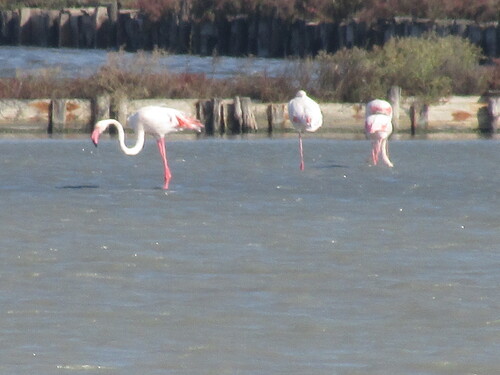
ヨーロッパフラミンゴ (Phoenicopterus roseus) ヨーロッパフラミンゴ

メディア

読み込み中…

要点

チリーフラミンゴとヨーロッパフラミンゴを区別する最も信頼できるフィールドマークは、脚の色とくちばしの黒の量です:チリーフラミンゴは明確なピンクの関節を持つ灰色の脚と、長さの半分以上が黒いくちばしを示しますが、ヨーロッパフラミンゴは完全にピンクの脚と、先端が黒いほぼピンクのくちばしを持っています。両種は全体的な形状とピンクがかった羽毛が似ていますが、ヨーロッパフラミンゴはより大きく、より淡い色合いであり、くちばしと脚の色の微妙な違いはフィールドでの識別にとって重要です。両種の幼鳥は灰色でピンクが欠けているため、構造と裸の部分の色が特に若い鳥にとって重要です。飛行中、両種は似たような翼のパターンを示すため、最良の区別のためには立っている鳥に焦点を当ててください。

識別のコツ

  1. Leg color is key: 大人のチリーフラミンゴは明確なピンクの関節を持つ灰色の脚を持ち、ヨーロッパフラミンゴは完全にピンクの脚を持っています。これは大人において最も信頼できるフィールドマークです。
  2. Bill pattern: チリーフラミンゴのくちばしは長さの半分以上が黒ですが、ヨーロッパフラミンゴのくちばしはほとんどがピンクで、先端だけが黒です。これを近くで見るか、写真で探してください。
  3. Overall color: チリーフラミンゴは全体的にヨーロッパフラミンゴよりもピンクがかっていますが、オオフラミンゴほど深い色ではありません。ヨーロッパフラミンゴはより淡く、しばしばピンクがかった白に見えます。光や食事が色に影響を与える可能性があるため、注意して使用してください。
  4. Size: ヨーロッパフラミンゴはチリーフラミンゴ(110–130 cm)よりも大きくて高い(平均132.5 cm)ですが、サイズの重複があるため、補助的な証拠としてのみ使用してください。
  5. Juvenile confusion: 両種の幼鳥は灰色でピンクが欠けているため、羽毛だけで区別するのはほぼ不可能です。可能であれば構造と脚の色に焦点を当ててくださいが、若鳥の重複があることを期待してください。
  6. Wing pattern in flight: 両種は赤またはピンクの翼の覆羽を持つ黒い初級および次級羽を示します。これは両者の間で診断的ではありません。
  7. Leg color in subadults: 若いヨーロッパフラミンゴは暗い脚を持つことがあり、チリーフラミンゴに似るため、脚の色は完全な大人において最も信頼できるものです。
  8. Bill shape: 両者はクラシックなフラミンゴのくちばしを持っていますが、区別には形よりも黒の範囲がより有用です。
  9. Habitat and range: 野生では、場所が強い手がかりです—ヨーロッパフラミンゴは旧世界に、チリーフラミンゴは南アメリカにいます。飼育下や迷子の場合は、裸の部分の色に依存してください。
  10. Courtship and feeding behavior: 両種は似たような行動を示すため、これらを区別に使用しないでください。
  11. Voice: ヨーロッパフラミンゴだけがガチョウのようなホーンを出すと記載されていますが、これは信頼できる区別マークではありません。
  12. Plumage pitfalls: 両種は雛を育てているときや光が悪いときに淡く見えることがあるため、全体的なピンクさだけに依存しないでください。
  13. Flock composition: 飼育下で混合フラミンゴの群れを見た場合は、両種が動物園で一緒に発生する可能性があるため、各鳥の脚とくちばしの色を注意深く確認してください。
  14. Sex and season: どちらの種にも区別を助ける強い性的二形や季節的な羽毛の違いは見られません。
  15. Photos vs. field: 裸の部分の色(脚とくちばし)は、距離で双眼鏡を通して評価するよりも写真で評価する方が簡単なことが多いため、可能であれば後で確認するために写真を撮ってください。

大きさ

ヨーロッパフラミンゴは2種の中で大きく、平均体長は約132.5 cm [wikidata]で、チリーフラミンゴの典型的な高さは110–130 cm [wikipedia]です。フィールドでは、ヨーロッパフラミンゴはしばしばより高く、よりがっしりとした印象を与えますが、重複がある可能性があるため、サイズだけでは常に信頼できるわけではありません。両者は大きく、長脚の水鳥ですが、ヨーロッパフラミンゴは他のフラミンゴの中に立っているときに特に細長く、長い首に見えることがあります。

羽色

両種の幼鳥と未成熟の鳥は灰色で、特徴的なピンクのトーンが欠けているため、この年齢では羽毛だけで区別するのが難しいです。大人のチリーフラミンゴは一般的にヨーロッパフラミンゴよりも豊かなピンクですが、オオフラミンゴほど深い色ではありません。ヨーロッパフラミンゴは淡く、ピンクがかった白の体羽毛と赤い翼の覆羽を持ち、脚は完全にピンクです。チリーフラミンゴは明確なピンクの関節を持つ灰色の脚を持ち、長さの半分以上が黒いくちばしを持っていますが、ヨーロッパフラミンゴのくちばしはほとんどがピンクで、先端だけが黒です。両種は翼に黒い初級および次級の飛行羽を示すため、飛行中の視点は診断的ではありません。若いヨーロッパフラミンゴは淡く、暗い脚を持ち、チリーフラミンゴと重複する可能性があるため、脚の色は大人において最も有用です。

行動

両種は浅い水でフィルター摂食を行い、しばしば頭を逆さにして餌を取ります。彼らは足で泥をかき混ぜ、一足で立っている姿が見られることがあります。これはすべてのフラミンゴに共通する行動です。求愛行動は両者ともに elaborate で、同期した頭の動きや翼の挨拶を含みます。フィールドで両者を確実に区別する強い行動の違いはありませんが、ヨーロッパフラミンゴはその範囲でより大きく、より分散した群れに見えることがあります。

生息環境

チリーフラミンゴは南アメリカに自生し、エクアドルとペルーから南はチリとアルゼンチン、東はブラジルまで繁殖します。ヨーロッパフラミンゴは旧世界、アフリカ、南ヨーロッパ、中東、南アジアおよび中央アジアに見られます。彼らの生息地は飼育下や迷子の場合にはほとんど重複しませんが、両者は浅い塩水湖、干潟、ラグーンを好みます。ヨーロッパ、アフリカ、アジアにいる場合、ほぼ確実にヨーロッパフラミンゴを見ていることになります。南アメリカでは、チリーフラミンゴがデフォルトです。

声

ヨーロッパフラミンゴはガチョウのようなホーンの呼び声で知られています。チリーフラミンゴに関しては、情報源に特に目立った声の違いは記載されていないため、声は区別のための信頼できるフィールドマークではありません。

より良い説明を送る

比較と同じ項目を使ってください。文章はすぐに公開されます。

The most reliable field mark to separate Chilean Flamingo from Greater Flamingo is the color of the legs and the amount of black on the bill: Chilean Flamingo shows grayish legs with distinct pink joints and a bill that is black over more than half its length, while Greater Flamingo has entirely pink legs and a mostly pink bill with only a black tip. Both species have similar overall shape and pinkish plumage, but Greater Flamingo is larger and paler, and subtle differences in bill and leg coloration are critical for field ID. Juveniles of both are gray and lack pink, so structure and bare part color are especially important for young birds. In flight, both show similar wing patterns, so focus on standing birds for the best separation.

  1. Leg color is key: Adult Chilean Flamingos have grayish legs with distinct pink joints, while Greater Flamingos have entirely pink legs. This is the single most reliable field mark in adults.
  2. Bill pattern: Chilean Flamingo's bill is black over more than half its length, while Greater Flamingo's bill is mostly pink with only a black tip. Look for this in close views or photos.
  3. Overall color: Chilean Flamingo is pinker overall than Greater Flamingo, but not as deep as American Flamingo. Greater Flamingo is paler, often appearing pinkish-white. Use this with caution, as light and diet can affect color.
  4. Size: Greater Flamingo is larger and taller (average 132.5 cm) than Chilean Flamingo (110–130 cm), but size overlap occurs, so use only as supporting evidence.
  5. Juvenile confusion: Both species' juveniles are gray and lack pink, making them nearly impossible to separate by plumage alone. Focus on structure and leg color if possible, but expect overlap in subadults.
  6. Wing pattern in flight: Both species show black primaries and secondaries with red or pink wing coverts. This is not diagnostic between the two.
  7. Leg color in subadults: Subadult Greater Flamingos can have dark legs, resembling Chilean, so leg color is most reliable in full adults.
  8. Bill shape: Both have the classic flamingo bill, but the extent of black is more useful than shape for separation.
  9. Habitat and range: In the wild, location is a strong clue—Greater Flamingo in the Old World, Chilean in South America. In captivity or vagrancy, rely on bare part color.
  10. Courtship and feeding behavior: Both species show similar behaviors, so do not use these for separation.
  11. Voice: Only Greater Flamingo is described as giving a goose-like honk, but this is not a reliable separation mark.
  12. Plumage pitfalls: Both species can appear paler when feeding chicks or in poor light; do not rely solely on overall pinkness.
  13. Flock composition: If you see mixed flamingo flocks in captivity, check each bird's leg and bill color carefully, as both species can occur together in zoos.
  14. Sex and season: No strong sexual dimorphism or seasonal plumage difference is noted for either species that aids separation.
  15. Photos vs. field: Bare part color (legs and bill) is often easier to assess in photos than through binoculars at a distance—take pictures if possible for later review.

Greater Flamingo is the larger of the two, with an average body length of about 132.5 cm [wikidata], compared to Chilean Flamingo's typical height of 110–130 cm [wikipedia]. In the field, this means Greater Flamingo often appears taller and bulkier, but overlap is possible, so size alone is not always reliable. Both are large, long-legged waders, but Greater Flamingo can look especially lanky and long-necked when standing among other flamingos.

Juvenile and immature birds of both species are gray and lack the characteristic pink tones, making them difficult to separate by plumage alone at this age. Adult Chilean Flamingos are generally a richer pink than Greater Flamingos, but not as deep as American Flamingos. Greater Flamingos are paler, with pinkish-white body plumage and red wing coverts, and their legs are entirely pink. Chilean Flamingos have grayish legs with clear pink joints, and their bill is black over more than half its length, while Greater Flamingo's bill is mostly pink with only a black tip. Both species show black primary and secondary flight feathers in the wing, so flight views are not diagnostic. Subadults of Greater Flamingo are paler with dark legs, which can overlap with Chilean, so leg color is most useful in adults.

Both species feed by filter-feeding in shallow water, often with their heads upside down. They may be seen stirring up mud with their feet and standing on one leg, a behavior common to all flamingos. Courtship displays are elaborate in both, involving synchronized head movements and wing salutes. There is no strong behavioral difference in the field that reliably separates the two, though Greater Flamingo may appear in larger, more dispersed flocks in its range.

Chilean Flamingo is native to South America, breeding from Ecuador and Peru south to Chile and Argentina, and east to Brazil. Greater Flamingo is found in the Old World: Africa, southern Europe, the Middle East, and South and Central Asia. Their habitats overlap only rarely in captivity or vagrancy; both favor shallow saline lakes, mudflats, and lagoons. If you are in Europe, Africa, or Asia, you are almost certainly seeing Greater Flamingo; in South America, Chilean Flamingo is the default.

Greater Flamingo is noted for a goose-like honking call. No distinctive vocal difference is noted for Chilean Flamingo in the sources, so voice is not a reliable field mark for separation.

変更を破棄しますか?

保存していない編集があります。今離れると失われます。

チリーフラミンゴ · ヨーロッパフラミンゴ · 苦手な鳥