

Motmot

クリノドオタテドリ 対 クロアカオタテドリ

Pteroptochos castaneus 対 Pteroptochos tarnii

クリノドオタテドリとクロアカオタテドリのクイズ
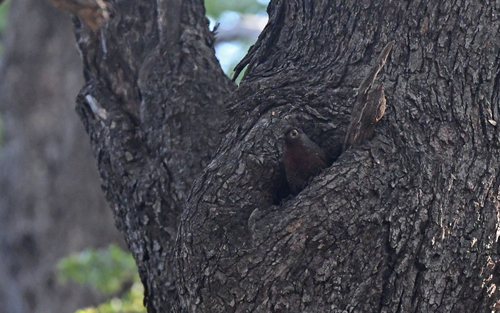
クリノドオタテドリ (Pteroptochos castaneus) クリノドオタテドリ
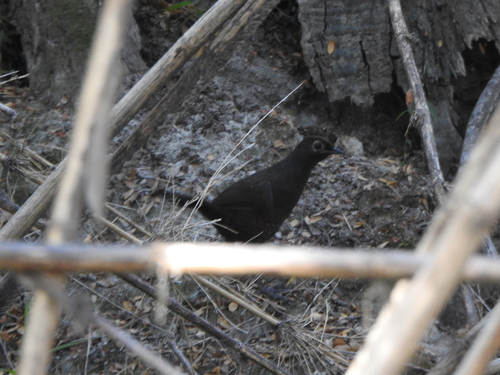
クロアカオタテドリ (Pteroptochos tarnii) クロアカオタテドリ

メディア

読み込み中…

要点

クリノドオタテドリとクロアカオタテドリを区別する最も信頼できる方法は、喉の色と淡いバフ色の翼帯の有無によるものです。クリノドオタテドリは暗赤色(栗色)の喉と明確な淡いバフ色の翼帯を示し、一方、クロアカオタテドリは黒い喉を持ち、翼帯がありません。両者は大きくて頑丈なタパクーロスで、似たような暗褐色の羽毛と全体的な構造を持っているため、これらの羽毛の詳細に注意を払うことが重要です。サイズと構造は大まかには似ていますが、クリノドオタテドリは平均してやや重いです。年齢特有の翼の模様は利用可能な情報源には記載されていないため、フィールドでの区別には成鳥の羽毛に焦点を当ててください。

識別のコツ

  1. 喉の色が最も信頼できる特徴: クリノドオタテドリは暗赤色(栗色)の喉を持ち、クロアカオタテドリは黒い喉を示します。特に良い光の中で、喉をはっきりと見るようにしてください。
  2. 淡いバフ色の翼帯: クリノドオタテドリは翼に明確な淡いバフ色の翼帯を示し、止まっている時や飛んでいる時に見えます。クロアカオタテドリはこの翼帯がまったくありません。喉が隠れている場合、これは重要な特徴です。
  3. 全体的な羽毛: 両者は暗褐色で頑丈なので、全体的な色や形は区別に役立ちません。
  4. サイズ: クリノドオタテドリはやや重い(165g対144g)ですが、これは鳥が並んでいない限り、フィールドでは明らかではありません。
  5. 年齢特有の上翼模様は記載されていない: 使用できる幼鳥や未成熟特有の翼や飛行の特徴は知られていません。喉と翼帯の特徴はすべての年齢に適用されます。
  6. 性差は確認されていない: 両種の両性は似ているため、識別に性別を頼らないでください。
  7. 行動: 両種は似たような行動をし、密な下草の中を低く移動し、開けた場所に止まることはほとんどありません。行動は有用な区別要因ではありません。
  8. 生息地の重複: 両種は南部/中央チリと西アルゼンチンの温帯林に生息しており、生息地だけで区別しないでください。
  9. 声: 情報源には声の違いは提供されていません。この文脈での区別には歌や鳴き声を頼らないでください。
  10. 光と角度: 喉の色は光によって暗く見えたり明るく見えたりすることがあります。栗色と黒を確認するために、常に複数の視点を試みてください。
  11. 部分的な視界: 翼だけが見える場合、クリノドオタテドリのために淡いバフ色の翼帯を探してください。無い場合はクロアカオタテドリを考慮しますが、可能であれば喉で確認してください。
  12. 混乱のリスク: 光が悪い場合や密なカバーの中では、両種は均一に暗く見えることがあります。診断的な視界を得るためには忍耐と根気が必要です。
  13. 歴史的な混乱: これらの種はその類似性からかつては同種と見なされていました。分子研究によってその分離が確認されたため、フィールドでの区別は微妙だが一貫した羽毛の特徴に依存しています。
  14. クイズの落とし穴: 喉が見えない場合や翼帯が見落とされると、クイズでの混乱が最も多く発生します。可能であれば両方の特徴を常に確認してください。
  15. フィールド用の要約: 喉の色と翼帯を優先し、サイズ、行動、生息地に頼らないで区別してください。

大きさ

両種は最大のリノクリプティッドの中に含まれますが、クリノドオタテドリはクロアカオタテドリに比べてわずかに重い(平均質量165g)です [wikipedia][wikidata]。両者は頑丈で、長さは約23 cmです。フィールドでは、このサイズの違いは微妙で、鳥が並んでいない限り診断的ではありません。

羽色

成鳥のクリノドオタテドリは全体的に暗褐色で、特徴的な暗赤色(栗色)の喉と翼に淡いバフ色の翼帯を持っています。クロアカオタテドリも暗褐色ですが、黒い喉を持ち、淡いバフ色の翼帯がありません。これらの喉と翼の特徴が重要なフィールドマークです。どちらの種についても年齢特有または季節的な上翼模様の変化は記載されていないため、これらの対比は他に特記がない限り観察されたすべての年齢に適用されます。両種はそれ以外は似たような暗く土のような外観を共有しており、喉や翼の明確な視界がないと区別が難しいことがあります。

行動

両種は大きく、地面に生息するタパクーロスで、似たような行動を持っています: 密な下草の中でひそみ、開けた場所ではほとんど見られません。彼らの動きと姿勢は頑丈で地面に低いです。利用可能な情報源にはフィールドでの区別に役立つ行動の違いは記載されていません。

生息環境

両種は南部/中央チリと隣接する西アルゼンチンの温帯林に生息しています。現在の情報源に基づいて、彼らの間に強い生息地の分離はなく、両者は似たような森林環境に見られます。

より良い説明を送る

比較と同じ項目を使ってください。文章はすぐに公開されます。

The most reliable way to separate Chestnut-throated from Black-throated Huet-huet is by throat color and the presence or absence of a pale buff wing bar. Chestnut-throated shows a dark red (chestnut) throat and a distinct pale buff bar on the wing, while Black-throated has a black throat and lacks the wing bar. Both are large, stocky tapaculos with similar dark brown plumage and overall structure, so careful attention to these plumage details is essential. Size and structure are broadly similar, but Chestnut-throated averages slightly heavier. Age-specific wing patterns are not described in available sources, so focus on adult plumage for field separation.

  1. Throat color is the most reliable mark: Chestnut-throated Huet-huet has a dark red (chestnut) throat, while Black-throated Huet-huet shows a black throat. Always try to get a clear view of the throat, especially in good light.
  2. Pale buff wing bar: Chestnut-throated shows a distinct pale buff bar on the wing, visible when perched or in flight. Black-throated lacks this wing bar entirely. This is a critical mark if the throat is obscured.
  3. Overall plumage: Both are dark brown and stocky, so overall color and shape are not useful for separation.
  4. Size: Chestnut-throated is slightly heavier (165g vs. 144g) but this is not obvious in the field unless birds are side by side.
  5. No age-specific upperwing pattern described: There are no known juvenile or immature-specific wing or flight marks to use; the throat and wing bar marks apply to all ages.
  6. No sexual dimorphism noted: Both sexes appear similar in both species, so do not rely on sex for identification.
  7. Behavior: Both species behave similarly, moving low in dense undergrowth and rarely perching in the open. Behavior is not a useful separator.
  8. Habitat overlap: Both species occur in temperate forests of southern/central Chile and western Argentina; do not use habitat alone to separate them.
  9. Voice: No vocal differences are provided in the sources; do not rely on song or call for separation in this context.
  10. Lighting and angle: Throat color can look darker or lighter depending on light; always try for multiple views to confirm chestnut vs. black.
  11. Partial views: If only the wing is visible, look for the pale buff bar for Chestnut-throated; if absent, consider Black-throated but confirm with throat if possible.
  12. Confusion risk: In poor light or dense cover, both species can appear uniformly dark; patience and persistence are needed for a diagnostic view.
  13. Historical confusion: These species were once considered conspecific due to their similarity; only molecular work confirmed their separation, so field separation relies on subtle but consistent plumage marks.
  14. Quiz pitfalls: Most quiz mix-ups occur when the throat is not visible or the wing bar is overlooked; always check both features if possible.
  15. Summary for the field: Prioritize throat color and wing bar, and do not rely on size, behavior, or habitat for separation.

Both species are among the largest rhinocryptids, but Chestnut-throated Huet-huet is marginally heavier (average mass 165g) compared to Black-throated (144g) [wikipedia][wikidata]. Both are stocky and about 23 cm in length. In the field, this size difference is subtle and unlikely to be diagnostic unless birds are seen side by side.

Adult Chestnut-throated Huet-huet is dark brown overall with a distinctive dark red (chestnut) throat and a pale buff bar on the wing. The Black-throated Huet-huet is also dark brown but has a black throat and lacks the pale buff wing bar. These throat and wing features are the key field marks. No age-specific or seasonal variation in upperwing pattern is described for either species, so these contrasts apply to all observed ages unless otherwise noted. Both species otherwise share a similar dark, earthy appearance, which can make them challenging to separate without a clear view of the throat or wing.

Both species are large, ground-dwelling tapaculos with similar behavior: they skulk in dense undergrowth and are rarely seen in the open. Their movement and posture are stocky and low to the ground. No behavioral differences useful for field separation are described in the available sources.

Both species inhabit temperate forests in southern/central Chile and adjacent western Argentina. There is no strong habitat separation between them based on current sources; both are found in similar forested environments.

変更を破棄しますか?

保存していない編集があります。今離れると失われます。

クリノドオタテドリ · クロアカオタテドリ · 苦手な鳥