

Chestnut-throated Huet-huet vs Black-throated Huet-huet
Pteroptochos castaneus contro Pteroptochos tarnii
Fai un quiz con Chestnut-throated Huet-huet e Black-throated Huet-huet
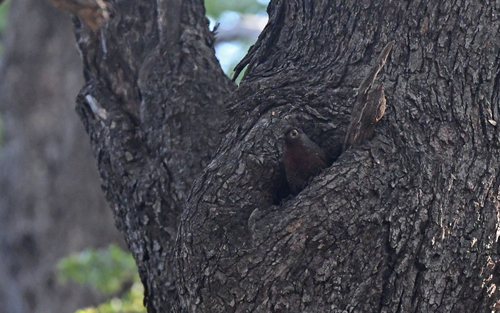 Chestnut-throated Huet-huet
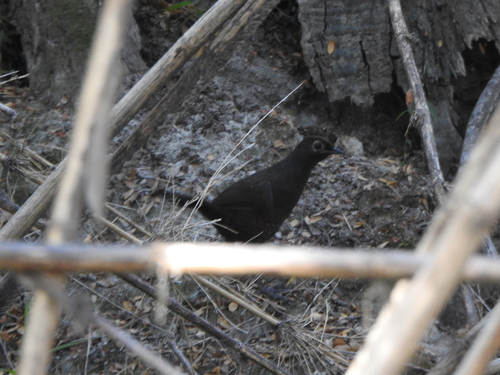 Black-throated Huet-huet
In breve
Il modo più affidabile per separare il Chestnut-throated Huet-huet dal Black-throated Huet-huet è il colore della gola e la presenza o assenza di una barra alare di un pallido color crema. Il Chestnut-throated mostra una gola di un rosso scuro (castagna) e una distintiva barra di un pallido color crema sull'ala, mentre il Black-throated ha una gola nera e manca della barra alare. Entrambi sono grandi, robusti tapaculos con un piumaggio marrone scuro simile e una struttura generale, quindi è essenziale prestare attenzione a questi dettagli del piumaggio. Dimensioni e struttura sono ampiamente simili, ma il Chestnut-throated è mediamente leggermente più pesante. I modelli alari specifici per età non sono descritti nelle fonti disponibili, quindi concentrati sul piumaggio adulto per la separazione sul campo.
Consigli di identificazione
- Il colore della gola è il segno più affidabile: Il Chestnut-throated Huet-huet ha una gola di un rosso scuro (castagna), mentre il Black-throated Huet-huet mostra una gola nera. Cerca sempre di avere una vista chiara della gola, specialmente in buona luce.
- Barra alare di un pallido color crema: Il Chestnut-throated mostra una distintiva barra di un pallido color crema sull'ala, visibile quando è posato o in volo. Il Black-throated manca completamente di questa barra alare. Questo è un segno critico se la gola è oscurata.
- Piumaggio generale: Entrambi sono marrone scuro e robusti, quindi il colore e la forma complessivi non sono utili per la separazione.
- Dimensioni: Il Chestnut-throated è leggermente più pesante (165g vs. 144g) ma questo non è ovvio sul campo a meno che gli uccelli non siano affiancati.
- Nessun modello alare specifico per età descritto: Non ci sono segni alari o di volo specifici per giovani o immaturi da utilizzare; i segni della gola e della barra alare si applicano a tutte le età.
- Nessun dimorfismo sessuale notato: Entrambi i sessi appaiono simili in entrambe le specie, quindi non fare affidamento sul sesso per l'identificazione.
- Comportamento: Entrambe le specie si comportano in modo simile, muovendosi in basso in una fitta vegetazione e raramente posandosi in aree aperte. Il comportamento non è un separatore utile.
- Sovrapposizione dell'habitat: Entrambe le specie si trovano in foreste temperate del Cile meridionale/centrale e dell'Argentina occidentale; non utilizzare solo l'habitat per separarli.
- Voce: Non sono fornite differenze vocali nelle fonti; non fare affidamento sul canto o sul richiamo per la separazione in questo contesto.
- Illuminazione e angolo: Il colore della gola può apparire più scuro o più chiaro a seconda della luce; cerca sempre di avere più viste per confermare castagna vs. nero.
- Viste parziali: Se è visibile solo l'ala, cerca la barra di un pallido color crema per il Chestnut-throated; se assente, considera il Black-throated ma conferma con la gola se possibile.
- Rischio di confusione: In scarsa luce o copertura densa, entrambe le specie possono apparire uniformemente scure; pazienza e persistenza sono necessarie per una vista diagnostica.
- Confusione storica: Queste specie erano una volta considerate conspecifiche a causa della loro somiglianza; solo il lavoro molecolare ha confermato la loro separazione, quindi la separazione sul campo si basa su segni di piumaggio sottili ma coerenti.
- Trappole nei quiz: La maggior parte delle confusioni nei quiz si verifica quando la gola non è visibile o la barra alare è trascurata; controlla sempre entrambe le caratteristiche se possibile.
- Riepilogo per il campo: Dai priorità al colore della gola e alla barra alare, e non fare affidamento su dimensioni, comportamento o habitat per la separazione.
Taglia
Entrambe le specie sono tra i più grandi rinocryptidi, ma il Chestnut-throated Huet-huet è marginalmente più pesante (massa media 165g) rispetto al Black-throated (144g) [wikipedia][wikidata]. Entrambi sono robusti e lunghi circa 23 cm. Sul campo, questa differenza di dimensioni è sottile e poco probabile che sia diagnostica a meno che gli uccelli non siano visti affiancati.
Piumaggio
L'adulto Chestnut-throated Huet-huet è di un marrone scuro complessivo con una gola distintiva di un rosso scuro (castagna) e una barra di un pallido color crema sull'ala. Il Black-throated Huet-huet è anch'esso di un marrone scuro ma ha una gola nera e manca della barra alare di un pallido color crema. Queste caratteristiche della gola e dell'ala sono i segni chiave sul campo. Non è descritta alcuna variazione specifica per età o stagionale nel modello dell'ala superiore per entrambe le specie, quindi questi contrasti si applicano a tutte le età osservate, salvo diversa indicazione. Entrambe le specie condividono altrimenti un aspetto scuro e terroso simile, il che può renderle difficili da separare senza una vista chiara della gola o dell'ala.
Comportamento
Entrambe le specie sono grandi tapaculos terrestri con un comportamento simile: si muovono in modo furtivo in una fitta vegetazione e sono raramente visti in aree aperte. Il loro movimento e la postura sono robusti e bassi rispetto al suolo. Non sono descritte differenze comportamentali utili per la separazione sul campo nelle fonti disponibili.
Habitat
Entrambe le specie abitano foreste temperate nel Cile meridionale/centrale e nell'adiacente Argentina occidentale. Non c'è una forte separazione dell'habitat tra di loro basata sulle fonti attuali; entrambe si trovano in ambienti forestali simili.
Chestnut-throated Huet-huet · Black-throated Huet-huet · I miei uccelli difficili