

Motmot

クリノドイロムシクイ 対 マミハウチワドリ

Apalis porphyrolaema 対 Prinia subflava

クリノドイロムシクイとマミハウチワドリのクイズ
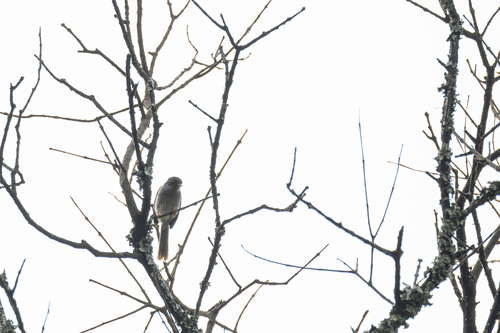
クリノドイロムシクイ (Apalis porphyrolaema) クリノドイロムシクイ
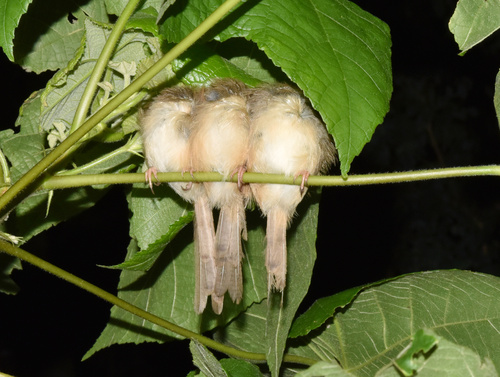
マミハウチワドリ (Prinia subflava) マミハウチワドリ

メディア

読み込み中…

要点

最も信頼できるフィールドマークは喉と腹部の色です:クリノドイロムシクイ(カボボ亜種を除く)は豊かな栗色の喉を持ち、マミハウチワドリは温かみのあるバフ色の脇腹を持つ白っぽい喉と胸を示します。幼鳥のマミハウチワドリは淡い黄色の腹部と黄色がかったくちばしを持ち、これはクリノドイロムシクイには見られません。構造的には、マミハウチワドリはより細身で、長く、しばしば傾いた尾を持ち、より活発で落ち着きのない印象を与えます。どちらも小さく灰色がかった鳥ですが、クリノドイロムシクイはややがっしりしており、ハウチワドリの赤褐色やバフ色のトーンが欠けています。尾のパターンと行動に注意して、追加の手がかりを探してください。

識別のコツ

  1. 喉の色(成鳥): クリノドイロムシクイ(標準型とアフィニス)は深い栗色の喉を示し、マミハウチワドリは常に白っぽい喉と胸を持っています。これは成鳥にとって唯一の最良のマークであり、カボボクリノドイロムシクイを除きます。
  2. 幼鳥の腹部: 幼鳥のマミハウチワドリは淡い黄色の腹部と黄色がかったくちばしを持ち、クリノドイロムシクイのどの年齢でも見られません。
  3. 尾の構造と行動: マミハウチワドリは長く、狭く、段階的な尾を持ち、しばしば傾いたり左右に揺れたりします。クリノドイロムシクイは短く、表現力の少ない尾を持ち、通常は真っ直ぐに保たれます。
  4. 尾のパターン: ハウチワドリの尾羽は白い先端と暗い亜端帯を持ち、尾が広げられたり振られたりしたときに見えます。クリノドイロムシクイはこの尾のパターンを欠いています。
  5. 眉斑と顔の色: マミハウチワドリは目の上に白っぽいストライプ(眉斑)と暗い顔を持ち、より際立った顔を与えます。クリノドイロムシクイは強い眉斑や顔のコントラストがないより地味な顔を持っています。
  6. 赤褐色のトーン: ハウチワドリは飛翔羽に赤褐色の縁を示し、尾に赤褐色の色合いを持ち、温かみのあるバフ色の脇腹と尾を持っています。クリノドイロムシクイは主に灰色で、これらの温かみのあるトーンが欠けています。
  7. 全体的な印象: ハウチワドリはより細身で落ち着きがなく、小さな群れで行動し、頻繁に尾を振ります。クリノドイロムシクイはよりコンパクトで、動きが少なくなります。
  8. くちばし: ハウチワドリはかなり長く、細いくちばしを持ち、クリノドイロムシクイのくちばしは相対的に短く、太めです。
  9. 生息地: 開けた、乱れた、または人間が作った生息地では、マミハウチワドリが期待されます。より森林の多い、または乱されていない地域では、クリノドイロムシクイがより可能性があります。
  10. 鳴き声: 短く、喘ぎ声のような、急速に繰り返される呼び声や、露出した止まり木からの単調な高音の歌を聞いた場合、それはおそらくハウチワドリです。クリノドイロムシクイの声はここでは説明されていないので、これはハウチワドリの確実な同定のためにのみ使用してください。
  11. 性別: 両種は性別間で似ているため、性的二形に頼らないでください。
  12. 亜種の混同: カボボクリノドイロムシクイは栗色の喉が欠け、腹部が淡いですが、ハウチワドリと重なる可能性がありますが、依然としてハウチワドリのバフ色の脇腹と尾のパターンが欠けています。
  13. 飛行時の視点: 飛行中は、ハウチワドリの白い先端の尾と赤褐色のトーンを探してください。クリノドイロムシクイはより均一に灰色に見えます。
  14. 止まり木での視点: 喉と腹部の色、尾の長さと持ち方、顔のマーキングに焦点を当ててください。
  15. 落とし穴: すり減ったり脱毛したハウチワドリに注意してください。これらは一部のバフ色を失う可能性がありますが、尾のパターンと眉斑は通常残ります。幼鳥のハウチワドリは下側が黄色がかっており、クリノドイロムシクイとは異なります。

大きさ

両種は長さが似ており(両方とも11〜12 cm)、マミハウチワドリはやや軽い(8.7 g)です。クリノドイロムシクイはややがっしりしていてコンパクトに見えるかもしれませんが、ハウチワドリはより細身で、しばしば直立または揺れた状態で保持される長い段階的な尾を持っています。フィールドでは、ハウチワドリの尾がより細長く活発な印象を与え、特に採餌や止まり木にいるときに顕著です。

羽色

行動

マミハウチワドリは特に活発で、小さな群れで採餌しているのがよく見られ、茂みや草むらの中を落ち着きなく動き回り、しばしば長い尾を振ったり傾けたりします。オスはしばしば露出した止まり木から歌います。クリノドイロムシクイはここでは行動に関してあまり説明されていませんが、一般的にクリノドイロムシクイはそれほど慌ただしくなく、単独またはペアで移動する可能性が高く、しばしば中層の葉の中に留まります。ハウチワドリの尾を振る行動や群れを作る行動は、強い行動の手がかりとなることがあります。

生息環境

マミハウチワドリは非常に適応力があり、サハラ以南のアフリカ全体で広範囲の生息地に見られ、森林、サバンナ、耕作地、さらには人間が作った生息地にまで及びます。最も乾燥した地域と最も湿った地域だけを避けます。クリノドイロムシクイの生息地はここでは詳しく説明されていませんが、一般的により制限されており、普遍的なハウチワドリと比較して開けたまたは大きく変化した生息地に見られる可能性は低いです。密集した、乱されていない森林で見られた場合、クリノドイロムシクイの可能性が高く、開けた草地、庭、または農地ではハウチワドリが期待されます。

声

マミハウチワドリは短く、喘ぎ声のような、急速に繰り返される呼び声と、露出した止まり木からの単調な高音の一連の音を歌います。ここではクリノドイロムシクイに関する鳴き声の情報は提供されていないため、典型的なハウチワドリの歌や呼び声が聞かれた場合にのみ診断的です。

より良い説明を送る

比較と同じ項目を使ってください。文章はすぐに公開されます。

The most reliable field mark is the throat and underpart color: Chestnut-throated Apalis (except Kabobo subspecies) has a rich chestnut throat, while Tawny-flanked Prinia shows a whitish throat and breast with warm buff flanks. Juvenile Tawny-flanked Prinias have pale yellow underparts and a yellowish bill, which Apalis never shows. Structurally, Tawny-flanked Prinia is more slender with a longer, often cocked tail, and a more active, restless jizz. Both are small, greyish birds, but the Apalis is slightly bulkier and lacks the rufous and buff tones of the prinia. Watch for the tail pattern and behavior as additional clues.

  1. Throat color (adults): Chestnut-throated Apalis (nominate and affinis) shows a deep chestnut throat; Tawny-flanked Prinia always has a whitish throat and breast. This is the single best mark for adults except Kabobo Apalis.
  2. Juvenile underparts: Juvenile Tawny-flanked Prinias have pale yellow underparts and a yellowish bill, never shown by Apalis of any age.
  3. Tail structure and behavior: Tawny-flanked Prinia has a long, narrow, graduated tail that is often cocked or waved side to side. Apalis has a shorter, less expressive tail, usually held straight.
  4. Tail pattern: Prinia's tail feathers are tipped white with a dark subterminal band, visible when the tail is spread or flicked. Apalis lacks this tail pattern.
  5. Supercilium and lores: Tawny-flanked Prinia has a whitish stripe above the eye (supercilium) and dark lores, giving a more marked face. Apalis has a plainer face without strong supercilium or lores contrast.
  6. Rufous tones: Prinia shows rufous-brown edges to the flight feathers and a rufous tinge to the rump, plus warm buff flanks and vent. Apalis is mostly grey and lacks these warm tones.
  7. Overall jizz: Prinia is more slender and restless, often in small flocks, and frequently flicks its tail. Apalis is more compact and less active in its movements.
  8. Bill: Prinia has a fairly long, slender bill; Apalis's bill is proportionally shorter and stubbier.
  9. Habitat: In open, disturbed, or man-made habitats, expect Tawny-flanked Prinia. In more forested or undisturbed areas, Apalis is more likely.
  10. Vocalizations: If you hear a short, wheezy, rapidly repeated call or a monotonous shrill song from an exposed perch, it's likely a prinia. Apalis voice is not described here, so use this only for positive prinia ID.
  11. Sexes: Both species are similar between sexes, so do not rely on sexual dimorphism.
  12. Subspecies confusion: Kabobo Apalis lacks the chestnut throat and has paler underparts, which could overlap with prinia, but still lacks the buff flanks and tail pattern of prinia.
  13. Flight views: In flight, look for the prinia's white-tipped tail and rufous tones; Apalis will appear more uniformly grey.
  14. Perched views: Focus on throat and underpart color, tail length and carriage, and facial markings.
  15. Pitfalls: Beware of worn or molting prinias, which may lose some buff tones, but the tail pattern and supercilium usually remain. Juvenile prinias are yellowish below, unlike any Apalis.

Both species are similar in length (11–12 cm for both), but Tawny-flanked Prinia is slightly lighter (8.7 g). The Apalis may appear a bit bulkier and more compact, while the prinia is more slender with a longer, graduated tail that is often held erect or waved. In the field, the prinia's tail gives it a more elongated and active appearance, especially when foraging or perched.

  • Juveniles: Tawny-flanked Prinia juveniles have pale yellow underparts and a yellowish bill, a combination not found in any age of Chestnut-throated Apalis.
  • Adults: Chestnut-throated Apalis (nominate and affinis) shows a distinctive chestnut throat against mostly grey plumage, while the Kabobo subspecies has a grey throat but paler underparts. Tawny-flanked Prinia adults have grey-brown upperparts, rufous-brown edges to the flight feathers, a rufous tinge to the rump, whitish throat and breast, and warm buff flanks and vent. The prinia also has a whitish supercilium and dark lores, with tail feathers tipped white and a dark subterminal band—features not present in Apalis. The Apalis lacks the rufous and buff tones and the strong tail pattern of the prinia.

Tawny-flanked Prinia is notably active, often seen foraging in small flocks, moving restlessly through shrubs and undergrowth, and frequently flicking or cocking its long tail. The male often sings from exposed perches. Chestnut-throated Apalis is less described in terms of behavior here, but generally apalises are less frenetic and more likely to move singly or in pairs, often staying within mid-level foliage. The prinia's tail-waving and flocking behavior can be a strong behavioral clue.

Tawny-flanked Prinia is highly adaptable, found in a wide range of habitats across sub-Saharan Africa, including woodland, savanna, cultivated areas, and even man-made habitats. It avoids only the driest and wettest regions. Chestnut-throated Apalis's habitat is not detailed here, but it is generally more restricted and less likely to be found in open or heavily altered habitats compared to the ubiquitous prinia. If seen in dense, undisturbed forest, Apalis is more likely; in open scrub, gardens, or farmland, expect the prinia.

Tawny-flanked Prinia gives a short, wheezy, rapidly repeated call and a monotonous series of shrill notes as its song, often delivered from an exposed perch. No vocal information is provided for Chestnut-throated Apalis here, so voice is only diagnostic if the typical prinia song or call is heard.

変更を破棄しますか?

保存していない編集があります。今離れると失われます。

クリノドイロムシクイ · マミハウチワドリ · 苦手な鳥