

Motmot

クリエリムジアマツバメ 対 パナマハリオアマツバメ

Streptoprocne rutila 対 Chaetura fumosa

クリエリムジアマツバメとパナマハリオアマツバメのクイズ
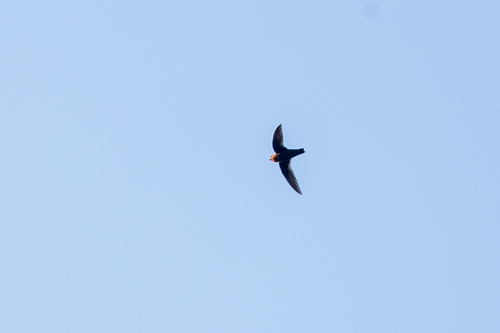
クリエリムジアマツバメ (Streptoprocne rutila) クリエリムジアマツバメ
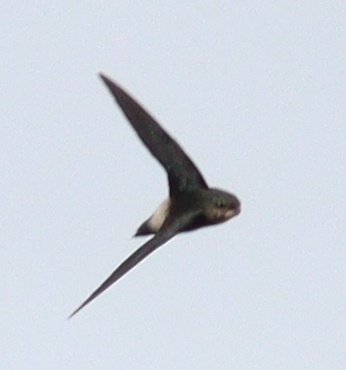
パナマハリオアマツバメ (Chaetura fumosa) パナマハリオアマツバメ

メディア

読み込み中…

要点

クリエリムジアマツバメとパナマハリオアマツバメの最も信頼できるフィールドマークは、ほとんどの成鳥クリエリムジアマツバメの下喉と後頭部に広い赤褐色の襟があることで、これはパナマハリオアマツバメには決して見られません。さらに、クリエリムジアマツバメは明らかに大きくてずんぐりしており、翼が広く、尾がわずかに切れ込んでいるのに対し、パナマハリオアマツバメは小さく、よりコンパクトで、尻と喉が淡い灰色です。幼鳥と雌のクリエリムジアマツバメは、襟が減少または欠如しているため、より難しい場合がありますが、全体的なサイズ、構造、および尻の強い淡色の欠如が助けになります。両種は空中の昆虫食者であり、混合群れで見られることがありますが、彼らの分布は中央アメリカ南部でのみ重なります。

識別のコツ

  1. 赤褐色の襟 (クリエリムジアマツバメ): 成鳥のオスの下喉と後頭部に広い赤褐色のバンドを探してください。これは最も信頼できるマークであり、パナマハリオアマツバメには決して存在しません。
  2. 襟が減少または欠如 (雌/幼鳥クリエリムジアマツバメ): 雌と幼鳥はわずかに薄い襟しか示さない場合があるため、すべての個体でこのマークにのみ依存しないでください。
  3. 淡い灰色の尻 (パナマハリオアマツバメ): パナマハリオアマツバメは常に明確に淡い灰色の尻を示し、暗い上面と対照的で、上からまたは後ろからの便利なマークです。クリエリムジアマツバメの尻は背中よりわずかに淡いだけで、決して強く灰色ではありません。
  4. 喉と胸の色: パナマハリオアマツバメは淡い灰色の喉と胸を持ち、しばしば暗い頭と背中と対照的です。クリエリムジアマツバメは灰褐色の顎と喉を持ち、鈍い赤褐色の羽毛(オスの場合)がありますが、淡い部分はパナマハリオアマツバメほど広範囲またはきれいではありません。
  5. 上面の光沢: パナマハリオアマツバメは、特に良い光の下で、すすけた黒い上面に青い光沢があります。クリエリムジアマツバメはこの光沢がなく、よりマットまたはすすけた黒褐色に見えます。
  6. 尾の形: クリエリムジアマツバメはわずかに切れ込んだ尾を持ち、パナマハリオアマツバメの尾はより四角いです。これは微妙ですが、良い飛行ビューで見ることができます。
  7. サイズと構造: クリエリムジアマツバメはずんぐりしており、翼が長く、体重が重いです。パナマハリオアマツバメは小さく、よりコンパクトで、飛行中はより速く見えます。これは混合群れや一緒に見たときに最も明らかです。
  8. 顔の模様: クリエリムジアマツバメは目の周りに狭い黒い斑点と灰褐色の頬を示しますが、パナマハリオアマツバメの頭はより均一に暗いです。
  9. 性差: クリエリムジアマツバメだけが性二形を示し、オスは目立つ襟を持ち、雌はそれほどでもありません。パナマハリオアマツバメの性別は似ています。
  10. 亜種の変異: クリエリムジアマツバメの亜種 S. r. griseifrons は上面がより淡く灰色ですが、オスには赤褐色の襟があり、パナマハリオアマツバメの淡い尻はありません。
  11. 分布: コスタリカまたはパナマの外にいる場合、クリエリムジアマツバメが唯一の選択肢です。コスタリカとパナマでは両方が可能なので、羽毛と構造が重要です。
  12. 群れのサイズと群れ行動: クリエリムジアマツバメはしばしば大きな群れで採餌し、混合アマツバメ群の上部にいることが多いです。
  13. 止まっている姿: 両方にとって珍しいですが、クリエリムジアマツバメの広い翼と切れ込んだ尾は、休んでいるときにより明らかになるかもしれません。
  14. 幼鳥の混乱: 幼いクリエリムジアマツバメはより淡いですが、決してパナマハリオアマツバメの青い光沢や淡い尻を示しません。
  15. **ノートに記載された信頼できる音声の違いはなく、視覚的なマークに依存して分離してください。"

大きさ

クリエリムジアマツバメは明らかに大きく、全長12〜14 cm、体重約21 gであるのに対し、パナマハリオアマツバメは約11 cmと小さいです。フィールドでは、クリエリムジアマツバメは翼が広く、体が重く、わずかに切れ込んだ尾を持っているように見えますが、パナマハリオアマツバメはよりコンパクトでスリムで、短くてより四角い尾を持っています。並べて見ると、サイズと体格の違いは通常明らかで、特に混合アマツバメの群れで顕著です。

羽色

行動

両種は空中の昆虫食者であり、しばしば飛行中に見られ、他のアマツバメと混合群れで見られることもあります。クリエリムジアマツバメは大きな群れ(10〜20以上)で採餌する傾向があり、混合群れの上部にいることが多いです。パナマハリオアマツバメの行動は似ていますが、より小さなサイズとコンパクトな形状が飛行スタイルに影響を与え、より速く、より機敏に見えることがあります。止まっている姿は両方にとって珍しいですが、クリエリムジアマツバメの広い翼と切れ込んだ尾は、休んでいるときにより明らかになるかもしれません。

生息環境

クリエリムジアマツバメはメキシコとトリニダードからペルーとボリビアまで広く分布していますが、パナマハリオアマツバメはコスタリカとパナマに制限されています。重なり合う地域(中央アメリカ南部)では、ノートに記載された生息地の好みは強く区別されていませんが、分布は重要な文脈の手がかりです。両種は森林や開けた場所の上空を利用します。

より良い説明を送る

比較と同じ項目を使ってください。文章はすぐに公開されます。

The most reliable field mark between Chestnut-collared Swift and Costa Rican Swift is the presence of a broad, rufous collar on the lower throat and nape of most adult Chestnut-collareds, which is never shown by Costa Rican Swift. In addition, Chestnut-collared is distinctly larger and bulkier, with a broader wing and a slightly notched tail, while Costa Rican Swift is smaller, more compact, and has a paler grayish rump and throat. Juvenile and female Chestnut-collareds can be trickier, as their collar is reduced or absent, but the overall size, structure, and lack of strong pale on the rump help. Both species are aerial insectivores and may be seen in mixed flocks, but their ranges only overlap in southern Central America.

  1. Rufous collar (Chestnut-collared Swift): Look for a broad, rich rufous band across the lower throat and nape in adult males. This is the single most reliable mark and is never present on Costa Rican Swift.
  2. Collar reduced or absent (female/juvenile Chestnut-collared): Females and juveniles may show only a faint or missing collar, so do not rely solely on this mark in all individuals.
  3. Pale grayish rump (Costa Rican Swift): Costa Rican Swift always shows a distinctly pale grayish rump contrasting with darker upperparts, a useful mark from above or behind. Chestnut-collared's rump is only slightly paler than its back and never strongly gray.
  4. Throat and breast color: Costa Rican Swift has a pale grayish throat and breast, often contrasting with the darker head and back. Chestnut-collared has a grayish brown chin and throat with dull rufous feathers (in males), but the pale area is never as extensive or clean as in Costa Rican.
  5. Upperparts gloss: Costa Rican Swift has a blue gloss to the sooty black upperparts, especially in good light. Chestnut-collared lacks this gloss, appearing more matte or sooty brown-black.
  6. Tail shape: Chestnut-collared has a slightly notched tail, while Costa Rican Swift's tail is more squared off. This is subtle but may be seen in good flight views.
  7. Size and structure: Chestnut-collared is bulkier, longer-winged, and heavier-bodied; Costa Rican Swift is smaller, more compact, and quicker in flight. This is most apparent in mixed flocks or when seen together.
  8. Facial pattern: Chestnut-collared shows a narrow black patch around the eye and grayish brown cheeks; Costa Rican Swift's head is more uniformly dusky.
  9. Sex differences: Only Chestnut-collared shows sexual dimorphism, with males having a prominent collar and females much less so. Costa Rican Swift sexes are alike.
  10. Subspecies variation: Chestnut-collared subspecies S. r. griseifrons is paler and grayer above, but still shows the rufous collar in males and lacks the Costa Rican's pale rump.
  11. Range: If outside Costa Rica or Panama, Chestnut-collared is the only option. In Costa Rica and Panama, both are possible, so plumage and structure are critical.
  12. Group size and flocking: Chestnut-collared often forages in larger flocks and may be at the top of mixed swift groups.
  13. Perched views: Rare for both, but Chestnut-collared's broader wings and notched tail may be more evident if seen at rest.
  14. Juvenile confusion: Young Chestnut-collareds are paler but never show the blue gloss or pale rump of Costa Rican Swift.
  15. **No reliable vocal differences described in the notes; rely on visual marks for separation."

Chestnut-collared Swift is noticeably larger, measuring 12–14 cm in length and weighing about 21 g, while Costa Rican Swift is smaller at about 11 cm. In the field, Chestnut-collared appears broader-winged and heavier-bodied, with a slightly notched tail, whereas Costa Rican Swift is more compact and slim, with a shorter, more squared tail. Side-by-side, the size and bulk difference is usually apparent, especially in mixed swift flocks.

  • Juveniles and females (Chestnut-collared Swift): Paler overall than adult males, with a reduced or absent rufous collar. Still lack the Costa Rican Swift's blue gloss and pale grayish rump.
  • Adults (Chestnut-collared Swift): Sooty blackish-brown upperparts with a broad rufous collar across the lower throat and nape (males), paler underparts, and a slightly paler rump. Females have a much smaller or missing collar.
  • Costa Rican Swift (all ages/sexes): Sooty black upperparts with a blue gloss, a pale grayish rump, dull black uppertail coverts, and a pale grayish throat and breast. No rufous collar at any age or sex.
  • Upperwing pattern: No distinctive age-specific upperwing marks described for either species, so separation relies on body and head plumage, especially the collar and rump.

Both species are aerial insectivores, often seen in flight and sometimes in mixed flocks with other swifts. Chestnut-collared Swift tends to forage in larger groups (10–20 or more) and often stays near the top of mixed flocks. Costa Rican Swift's behavior is similar, but its smaller size and more compact shape may affect its flight style, appearing quicker and more agile. Perched views are rare for both, but Chestnut-collared's broader wings and notched tail may be more apparent if seen at rest.

Chestnut-collared Swift is widespread from Mexico and Trinidad south to Peru and Bolivia, while Costa Rican Swift is restricted to Costa Rica and Panama. In areas of overlap (southern Central America), habitat preferences are not strongly differentiated in the notes, but range is a key context clue. Both species use open skies over forests and clearings.

変更を破棄しますか?

保存していない編集があります。今離れると失われます。

クリエリムジアマツバメ · パナマハリオアマツバメ · 苦手な鳥