

Motmot

シマコキン 対 コキンチョウ

Lonchura castaneothorax 対 Chloebia gouldiae

シマコキンとコキンチョウのクイズ
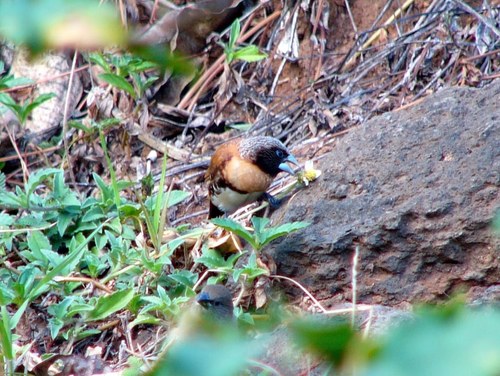
シマコキン (Lonchura castaneothorax) シマコキン
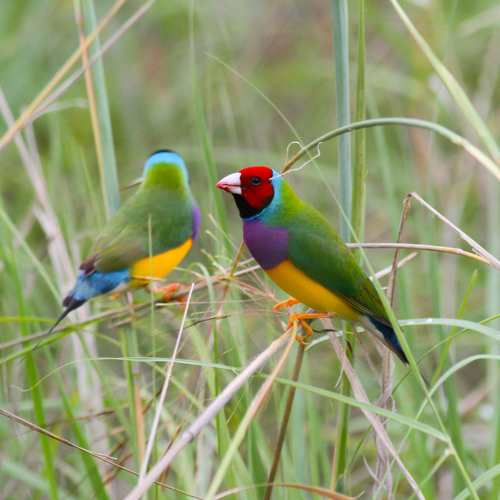
コキンチョウ (Chloebia gouldiae) コキンチョウ

メディア

読み込み中…

要点

シマコキンとコキンチョウを区別する最も信頼できるフィールドマークは、ムニアの太くて広い栗色(錆色)の胸帯と黒い顔であり、コキンチョウの目を引く多色の頭と体と対照的です。ムニアは黒い顔、灰色がかった冠/うなじ、そして栗色の帯の下に白い腹を示しますが、コキンチョウは鮮やかでパッチワークのような色合いで知られています—しばしば紫の胸、黄色の腹、そして赤、黒、または黄色の頭を持っています。幼鳥や未熟な羽毛については、いずれの種についても詳細は記載されていないため、成鳥の羽毛と顔のパターンに焦点を当ててください。両種は小さな種子食のフィンチですが、フィールドでの色彩と群れ行動は著しく異なります。

識別のコツ

  1. 顔のパターンは診断的です: シマコキンは常に灰色がかった冠とうなじを持つ黒い顔を示しますが、コキンチョウは黒いマスクのない鮮やかな色の頭(赤、黒、または黄色)を持っています。これは成鳥のための最も迅速なフィールドチェックです。
  2. 胸と腹の対比: ムニアは白い腹からはっきりと区別される広くて豊かな栗色の胸帯を持っています; コキンチョウは紫の胸と黄色の腹を持ち、栗色の帯はありません。
  3. 背中と上面: ムニアは均一に茶色の背中を持っています; コキンチョウは緑の背中を持ち、良い光の中で際立ちます。
  4. くちばしの色と形: 両者は種子食に典型的な頑丈で円錐形のくちばしを持っていますが、くちばしの色はフィールドでの信頼できる区別にはなりません。
  5. 側面とうなじの詳細(地域的): 一部のムニア亜種は側面やうなじにスカロッピングを示したり、より淡い/灰色がかった頭を持っていますが、これらは微妙で、コキンチョウとの区別にはほとんど必要ありません。
  6. 幼鳥/未熟な混乱: いずれの種についても、幼鳥や未熟な翼や体のパターンは記載されていません; すべての年齢の顔と下部の色ブロックに焦点を当ててください。
  7. 群れ行動: 開けた国の大きな混合種群(数百から数千)はコキンチョウである可能性が高い; 密な草や葦の中の小さな単一種の群れはムニアを示唆します。
  8. 生息地の文脈: ムニアは葦原、草地、または農業の端にいる可能性が高い; Gouldiansは開けた、岩の多い、または疎に植生のある斜面を好み、特に繁殖期においてはそうです。
  9. 性的二形性: 両種の両性は十分に似ているため、フィールドでの性別は信頼できる区別にはなりません。
  10. 亜種の変異: ムニアの亜種は頭と側面の色に微妙な違いを示すことがありますが、すべてが黒い顔と栗色の胸帯を保持しています; コキンチョウは常に多色のパターンを示します。
  11. 信頼できるサイズの違いはありません: 両者は小さなフィンチです; サイズだけに頼らないでください。
  12. 独特の飛行パターンや翼のマークはありません: いずれの種もフィールドでの区別のために独特の飛行や上翼のパターンを持っているとは記載されていません。
  13. 声の違いは記載されていません: コールや歌はソースに詳細が記載されていません; 区別のために声を使用しないでください。
  14. 羽毛の落とし穴: 悪い光の中では、ムニアの栗色の胸帯が暗く見えることがありますが、多色の頭と体がないことはコキンチョウとの区別を依然として可能にします。
  15. 飼育の文脈: Gouldian Finchesは人気のあるケージの鳥であり、非在来の環境で見られることがあります; Chestnut-breasted Muniasはあまり飼われていませんが、両者は逃げ出し、予期しない場所に現れることがあります。

大きさ

シマコキンは体重が約13グラムであり、これは小さなムニアに典型的です。コキンチョウの体重はソースに記載されていませんが、両者はフィールドでの全体的なサイズと構造が似ているため、サイズだけではこれら二つの信頼できる区別にはなりません。両者は小さく、コンパクトなフィンチに見え、短い尾と円錐形のくちばしを持つことが期待されます。

羽色

成鳥のシマコキンは茶色の背中を持ち、黒い顔、灰色がかった冠とうなじ、そして白い腹からはっきりと区別される広い栗色の胸帯を持っています。亜種や地域的な変異は頭の色(灰色から黒)や側面のスカロッピングに微妙な違いを示すことがありますが、全体的なパターンは一貫しています: 強い暗い顔と栗色の帯。コキンチョウは成鳥の羽毛で間違いなく、オスとメスの両方が明るい紫の胸、黄色の腹、緑の背中、そして形態に応じて赤、黒、または黄色の頭を持っています。いずれの種についても亜種や年齢に関連する翼のパターンの違いは記載されておらず、幼鳥/未熟な羽毛についてもソースに詳細はありません。したがって、フィールドで見られるすべての年齢の顔と下部の色ブロックに焦点を当ててください。

行動

Gouldian Finchesは繁殖期以外は非常に社交的で、他の草フィンチとともに大きな混合種の群れを形成することが多く、時には数千羽に達します。Chestnut-breasted Muniasも群れを作りますが、そのような大規模な群れや混合種の関連性については特に記載されていません。飛行中、両種は密集した波打つグループで移動しますが、Gouldianの群れのサイズと他のフィンチとの混合傾向は手がかりになることがあります。両種は種子を食べ、しばしば地面の上または近くで採餌しているのが見られます。

生息環境

両種はオーストラリアの北部と東部に生息していますが、生息地の好みは異なります。シマコキンは葦原、草地、農業の端など、さまざまな草生の生息地に見られます。コキンチョウは繁殖期には特に岩の多い斜面など、より開けた疎に植生のある地域を好み、乾季には食べ物と水を探してより遊牧的になります。Gouldiansは開けた国で非常に大きな群れで見られる可能性が高い一方、ムニアは通常、密な草や葦の中で小さなグループにいます。

より良い説明を送る

比較と同じ項目を使ってください。文章はすぐに公開されます。

The most reliable field mark to separate Chestnut-breasted Munia from Gouldian Finch is the bold, broad chestnut (ferruginous) breast band and black face of the munia, contrasting with the Gouldian Finch’s striking multicolored head and body. Munias show a black face, greyish crown/nape, and a white belly below the chestnut band, while Gouldian Finches are renowned for their vibrant, patchwork colors—often with purple chest, yellow belly, and either red, black, or yellow head. Juvenile and immature plumages are not detailed for either species in the sources, so focus on adult plumage and face pattern. Both species are small, seed-eating finches, but their coloration and flocking behavior differ markedly in the field.

  1. Face pattern is diagnostic: Chestnut-breasted Munia always shows a black face with a greyish crown and nape, while Gouldian Finch has a brightly colored head (red, black, or yellow) with no black mask. This is the quickest field check for adults.
  2. Breast and belly contrast: Munia has a broad, rich chestnut breast band sharply set off from a white belly; Gouldian Finch has a purple chest and a yellow belly, with no chestnut band.
  3. Back and upperparts: Munia is uniformly brown-backed; Gouldian Finch has a green back, which stands out in good light.
  4. Bill color and shape: Both have stout, conical bills typical of seed-eaters, but bill color is not a reliable separator in the field from the available notes.
  5. Flank and nape details (regional): Some munia subspecies show scalloping on the flanks or nape, or paler/greyer head, but these are subtle and rarely needed for separation from Gouldian Finch.
  6. Juvenile/immature confusion: No distinctive juvenile or immature wing or body patterns are described for either species in the sources; focus on face and underpart color blocks for all ages.
  7. Flocking behavior: Large, mixed-species flocks (hundreds to thousands) in open country are more likely to be Gouldian Finches; smaller, single-species groups in dense grass or reeds suggest munia.
  8. Habitat context: Munias are more likely in reedbeds, grassy wetlands, or agricultural edges; Gouldians favor open, rocky, or sparsely vegetated slopes, especially in the breeding season.
  9. Sexual dimorphism: Both sexes of both species are similar enough that sex is not a reliable separator in the field.
  10. Subspecies variation: Munia subspecies may show subtle differences in head and flank color, but all retain the black face and chestnut breast band; Gouldian Finch always shows the multicolored pattern.
  11. No reliable size difference: Both are small finches; do not rely on size alone.
  12. No distinctive flight pattern or wing marks: Neither species is described as having unique flight or upperwing patterns for field separation.
  13. No vocalization differences described: Calls and songs are not detailed in the sources; do not use voice for separation.
  14. Plumage pitfalls: In poor light, the chestnut breast band of the munia may appear darker, but the absence of a multicolored head and body will still separate it from Gouldian Finch.
  15. Aviculture context: Gouldian Finches are popular cage birds and may be seen in non-native settings; Chestnut-breasted Munias are less often kept, but both can escape and appear in unexpected places.

Chestnut-breasted Munia averages about 13 grams in body mass [wikidata], which is typical for a small munia. Gouldian Finch mass is not specified in the sources, but both are similar in overall size and structure in the field, so size alone is not a reliable separator between these two. Expect both to look like small, compact finches with short tails and conical bills.

Adult Chestnut-breasted Munia is brown-backed with a black face, greyish crown and nape, and a broad chestnut breast band sharply set off from the white belly. Subspecies and regional variants may show subtle differences in head color (from grey to black) and flank scalloping, but the overall pattern is consistent: a strong, dark face and chestnut band. Gouldian Finch is unmistakable in adult plumage: males and females both have a bright purple chest, yellow belly, green back, and a head that is either red, black, or yellow depending on morph. No subspecies or age-related wing pattern differences are described for either species, and juvenile/immature plumages are not detailed in the sources. Thus, focus on the face and underpart color blocks for all ages seen in the field.

Gouldian Finches are highly social outside the breeding season, often forming large, mixed-species flocks with other grass-finches, sometimes numbering in the thousands. Chestnut-breasted Munias are also gregarious but are not noted for such massive flocks or mixed-species associations. In flight, both species move in tight, undulating groups, but the Gouldian’s flock size and tendency to mix with other finches can be a clue. Both species feed on seeds and are often seen foraging on or near the ground.

Both species occur in northern and eastern Australia, but their habitat preferences differ. Chestnut-breasted Munia is found in a range of grassy habitats, including reedbeds, grasslands, and agricultural edges. Gouldian Finch prefers more open, sparsely vegetated areas, especially rocky slopes during the breeding season, and becomes more nomadic in the dry season, moving to find food and water. Gouldians are more likely to be seen in very large flocks in open country, while munias are usually in smaller groups in denser grass or reeds.

変更を破棄しますか?

保存していない編集があります。今離れると失われます。

シマコキン · コキンチョウ · 苦手な鳥