

Motmot

クリセアリドリ 対 ニショクアリドリ

Poliocrania exsul 対 Gymnopithys bicolor

クリセアリドリとニショクアリドリのクイズ
クリセアリドリ (Poliocrania exsul) クリセアリドリ
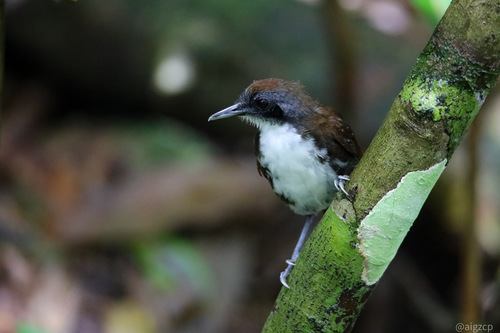
ニショクアリドリ (Gymnopithys bicolor) ニショクアリドリ

メディア

読み込み中…

要点

クリセアリドリとニショクアリドリを区別する最も信頼性の高いフィールドマークは、腹部の色です:クリセアリドリ(特にオス)は主に暗いスレートから黒っぽい腹部を示し、ニショクアリドリは常に白い喉と胸を持ち、茶色がかった側面とは明確な境界で分かれています。両種は栗色の上面と目の周りの裸の青い皮膚を共有していますが、腹部のコントラストはすべての年齢と性別で明確です。頭の模様、虹彩の色、雌の羽毛の微妙な違いも役立ちますが、地域変異や鈍い雌に注意してください。フィールドでは、特に鳥が止まっていてよく照らされている場合は、腹部と頬/喉のコントラストに焦点を当ててください。

識別のコツ

  1. 腹部の色は最も迅速なチェックです: クリセアリドリのオスはスレートブラックから黒っぽい腹部(喉、胸、腹)を持ち、ニショクアリドリは常に白い喉と胸を示し、茶色がかった側面とは鋭く分かれています。これはすべての成鳥に当てはまり、止まっている鳥でも確認できます。
  2. 雌のクリセアリドリは混乱を招くことがあります: 雌は茶色がかったまたは赤褐色の腹部を持ち(特定の亜種では時々バフまたはシナモン色)、決してきれいな白い喉と胸を持ちません。白い喉と胸を見たら、それはBicolouredです。
  3. 顔の模様: ニショクアリドリは灰色の額、目の後ろの広い灰色の帯、黒い頬を持ち、より対照的な顔の模様を作ります。クリセアリドリの顔はより均一に暗い/スレートで、コントラストが少ないです。
  4. 虹彩の色: クリセアリドリは赤褐色の虹彩を持ち、近距離で見ることができます。Bicolouredの虹彩の色は指定されていないため、赤い目を見た場合のみ補助的なマークとなります。
  5. 目の周りの裸の青い皮膚: 両種はこれを示すため、区別には役立ちません。
  6. 上面: 両方とも栗色の上面、翼、尾を持つため、これをIDに頼らないでください。
  7. 翼の覆羽: 一部のクリセアリドリの亜種(例:maculifer、cassini)はオスに白い先端の翼の覆羽を持ちますが、これはすべての個体群で一貫したマークではなく、微妙です。
  8. 頬と喉のコントラスト: ニショクアリドリでは、黒い頬が白い喉と灰色の額に対して際立っており、Chestnut-backedの顔はより均一に暗いです。
  9. 亜種の混乱: 一部の地域の雌のクリセアリドリ(例:occidentalis、cassini)はより明るいまたはバフ色の腹部を示すことがありますが、Bicolouredの白い喉と胸は依然として欠けています。
  10. 信頼できる飛行または未熟な翼のパターンの違いはありません: どちらの種も幼鳥や未熟な個体のためのユニークな上翼または飛行マークを持つとは記述されていないため、止まっている視点に焦点を当ててください。
  11. サイズは役立ちません: 両種はフィールドで本質的に同じサイズと重量です。
  12. 生息地の重複: 両方とも同じ国と類似の森林生息地に生息しているため、位置だけで区別しないでください。
  13. 行動は診断的ではありません: 両方とも典型的なアリドリのように振る舞い、アリの群れを追うことがあります。
  14. 疑わしい場合は、腹部と喉の色を優先してください: これはすべての年齢と性別で最も一貫して見えるフィールドマークです。
  15. 白い喉と胸、栗色の上面を持つ鳥を見たら、それはニショクアリドリです;腹部が暗いスレートまたは茶色がかった(決して白くない)場合は、クリセアリドリです。これは亜種の変異があっても機能します。

大きさ

両種はサイズが非常に似ており、クリセアリドリは14〜15 cmで約29 g、ニショクアリドリは13.5〜15 cmで28〜37 gです。フィールドでのサイズの違いは無視できるものであり、信頼できる区別ポイントではありません。

羽色

年齢特有の翼や飛行のマークはどちらの種にも記述されていないため、止まっている鳥に焦点を当ててください。成鳥の場合、クリセアリドリのオスはスレートブラックの頭、首、喉、胸、腹を持ち、深い栗色の上面と翼を持っています;雌は似ていますが、頭が鈍く、腹部が茶色がかっています。ニショクアリドリの成鳥(両性)は茶色がかった栗色の冠、後頭部、背中、翼、尾を持ちますが、白い喉と胸を持ち、頬から側面にかけて茶色の帯があります。ニショクアリドリの顔は灰色の額と目の後ろの広い灰色の帯、黒い頬を示し、クリセアリドリはより均一に暗い/スレートの顔と赤褐色の虹彩を持っています。両方の亜種の変異は混乱を引き起こすことがあります、特に雌のクリセアリドリは赤褐色またはバフ色の腹部を示すことがありますが、Bicolouredのきれいな白い喉と胸は決して持ちません。両方とも目の周りに裸の青い皮膚を持っていますが、Chestnut-backedの虹彩は赤褐色で、Bicolouredの虹彩の色は指定されていません。

行動

提供されたノートには診断的な行動の違いは記述されていません。両方とも典型的なアリドリであり、採餌やアリの群れを追うときに似たように振る舞うことがあります。

生息環境

両種は類似の範囲(コロンビア、コスタリカ、エクアドル、ホンジュラス、ニカラグア、パナマ)を共有し、比較可能な生息地に見られます。生息地は、重複する範囲内でフィールドでの信頼できる区別要因ではありません。

より良い説明を送る

比較と同じ項目を使ってください。文章はすぐに公開されます。

The most reliable field mark to separate Chestnut-backed Antbird from Bicoloured Antbird is the color of the underparts: Chestnut-backed Antbird (especially males) shows mostly dark slate to blackish underparts, while Bicoloured Antbird always has a white throat and breast, separated from the brownish flanks by a distinct border. Both species share chestnut upperparts and bare blue skin around the eye, but the underpart contrast is clear in all ages and sexes. Subtle differences in head pattern, iris color, and female plumage can also help, but beware of regional variation and duller females. In the field, focus on the underparts and cheek/throat contrast, especially if the bird is perched and well-lit.

  1. Underpart color is the quickest check: Chestnut-backed Antbird males have slate-black to blackish underparts (throat, breast, belly), while Bicoloured Antbird always shows a white throat and breast, sharply separated from the brownish flanks. This works for all adults and is visible in perched birds.
  2. Female Chestnut-backed Antbird can be confusing: Females have brownish or rufous underparts (sometimes buff or cinnamon in certain subspecies), but never a clean white throat and breast. If you see a white throat and breast, it's Bicoloured.
  3. Face pattern: Bicoloured Antbird has a gray forehead, broad gray band behind the eye, and black cheeks, creating a more contrasting facial pattern. Chestnut-backed Antbird's face is more uniformly dark/slate, with less contrast.
  4. Iris color: Chestnut-backed Antbird has a reddish-brown iris, which can be seen at close range. Iris color for Bicoloured is not specified, so this is only a supporting mark if you see reddish eyes.
  5. Bare blue skin around the eye: Both species show this, so it's not helpful for separation.
  6. Upperparts: Both have chestnut upperparts, wings, and tail, so do not rely on this for ID.
  7. Wing coverts: Some Chestnut-backed Antbird subspecies (e.g., maculifer, cassini) have white-tipped wing coverts in males, but this is not a consistent mark across all populations and can be subtle.
  8. Cheek and throat contrast: On Bicoloured Antbird, the black cheek stands out against the white throat and gray forehead, while Chestnut-backed's face is more uniformly dark.
  9. Subspecies confusion: Female Chestnut-backed Antbird in some regions (e.g., occidentalis, cassini) can show brighter or buffier underparts, but still lack the white throat and breast of Bicoloured.
  10. No reliable flight or immature wing pattern difference: Neither species is described as having a unique upperwing or flight mark for juveniles or immatures, so focus on perched views.
  11. Size is not helpful: Both species are essentially the same size and weight in the field.
  12. Habitat overlap: Both occur in the same countries and similar forest habitats; do not use location alone for separation.
  13. Behavior is not diagnostic: Both behave like typical antbirds and may follow ant swarms.
  14. If in doubt, prioritize underpart and throat color: This is the most consistent and visible field mark across all ages and sexes.
  15. If you see a bird with a white throat and breast and chestnut upperparts, it's Bicoloured Antbird; if the underparts are dark slate or brownish (never white), it's Chestnut-backed Antbird. This works even with subspecies variation.

Both species are very similar in size, with Chestnut-backed Antbird measuring 14–15 cm and weighing about 29 g, and Bicoloured Antbird ranging from 13.5–15 cm and 28–37 g. Any size difference is negligible in the field and not a reliable separation point.

Age-specific wing or flight marks are not described for either species, so focus on perched birds. For adults, Chestnut-backed Antbird males have a slate-black head, neck, throat, breast, and belly, with deep chestnut upperparts and wings; females are similar but with duller head and brownish underparts. Bicoloured Antbird adults (both sexes) have a brownish chestnut crown, nape, back, wings, and tail, but a white throat and breast, with a brown band running from the cheek along the flanks. The face of Bicoloured Antbird shows a gray forehead and broad gray band behind the eye, with black cheeks, while Chestnut-backed Antbird has a more uniformly dark/slate face and reddish-brown iris. Subspecies variation in both can cause some confusion, especially in female Chestnut-backed Antbird, which may show rufous or buffy underparts, but never the clean white throat and breast of Bicoloured. Both have bare blue skin around the eye, but the iris of Chestnut-backed is reddish-brown, while iris color is not specified for Bicoloured.

No diagnostic behavioral differences are described in the provided notes. Both are typical antbirds and may behave similarly when foraging or following ant swarms.

Both species share a similar range (Colombia, Costa Rica, Ecuador, Honduras, Nicaragua, Panama) and are found in comparable habitats. Habitat is not a reliable separator in the field within their overlapping range.

変更を破棄しますか?

保存していない編集があります。今離れると失われます。

クリセアリドリ · ニショクアリドリ · 苦手な鳥