

Motmot

クロシラナミアリモズ 対 ムジアリモズ

Thamnophilus cryptoleucus 対 Thamnophilus unicolor

クロシラナミアリモズとムジアリモズのクイズ
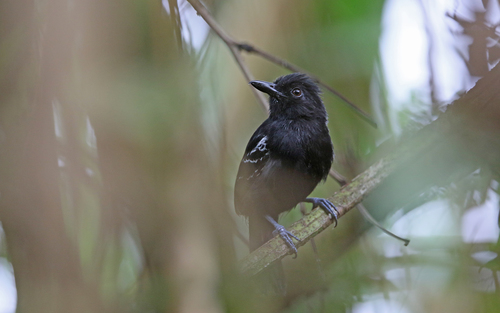
クロシラナミアリモズ (Thamnophilus cryptoleucus) クロシラナミアリモズ
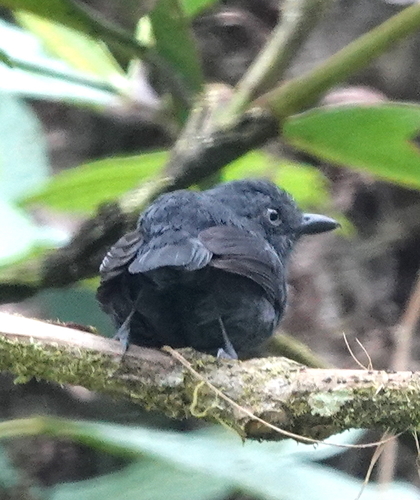
ムジアリモズ (Thamnophilus unicolor) ムジアリモズ

メディア

読み込み中…

要点

クロシラナミアリモズとムジアリモズを区別する最も信頼できる方法は、成鳥のオスの羽毛に焦点を当てることです:クロシラナミアリモズのオスは主に黒で、白い先端の肩羽と翼の覆羽を持っていますが、ムジアリモズのオスは濃い灰色または黒っぽい灰色で、白い肩羽と覆羽の模様がありません。メスもかなり異なります:クロシラナミアリモズのメスは上が黒ですが、ムジアリモズのメスは赤褐色の冠と上面を持ち、淡い赤褐色の腹部を示します。両種の幼鳥はそれぞれのメスに似ていますが、ムジアリモズの幼鳥はより茶色く、赤褐色です。クロシラナミアリモズは明らかに重く、わずかに長いです。鳴き声は質とパターンが異なり、両者は範囲が重なりますが、微妙に異なるマイクロハビタットを好むかもしれません。

識別のコツ

  1. Adult male plumage: クロシラナミアリモズのオスは主に黒で、白い先端の肩羽と翼の覆羽を持っています;ムジアリモズのオスは深い灰色または黒っぽい灰色で、白い肩羽/翼の覆羽の先端がありません。これは成鳥のオスにとって最も良いフィールドマークです。
  2. Adult female plumage: ムジアリモズのメスは赤褐色の冠、赤褐色の上面、淡い赤褐色の腹部を持ち、クロシラナミアリモズのメスとは非常に異なります。クロシラナミアリモズのメスは上が黒で、赤褐色のトーンがありません。
  3. Immature/juvenile plumage: 幼鳥のムジアリモズは成鳥のメスに似ています(赤褐色と茶色が混ざっています)が、幼鳥のクロシラナミアリモズはメスに似ていますが、茶色がかっています—赤褐色ではありません。これはフィールドでの微妙ですが有用な区別です。
  4. Scapular and wing covert markings: クロシラナミアリモズのオスだけが肩羽と翼の覆羽に白い先端を示します;ムジアリモズは決して示しません。両者のメスはこれらのマークがありませんが、ムジアリモズのメスは全体的にかなり茶色く赤褐色です。
  5. Tail pattern: ムジアリモズのオスは時々外側の尾羽に小さな白い先端を持っています;クロシラナミアリモズにはこの特徴は記載されていません。これは小さなサポートマークです。
  6. Iris color: クロシラナミアリモズは茶色の虹彩を持っています;ムジアリモズの虹彩は灰白色から白っぽい灰色です。これは微妙で、良い光の中で見るのが最適です。
  7. Bill and leg color: 両者は黒いくちばしと青灰色から灰色の脚と足を持っています;区別には役立ちません。
  8. Size and structure: クロシラナミアリモズは明らかに大きく重い(32 g対24 g;16–18 cm対14.5–17 cm)。経験があれば、これは明らかですが、長さの重なりがあるため、単独では常に信頼できるわけではありません。
  9. Vocalizations: クロシラナミアリモズの歌は速く加速する下降する鼻音の連続です;ムジアリモズの歌はより単純で遅く、時には上昇する鼻音の連続、または遅い下降する連続です。呼び声は質が異なり—クロシラナミアリモズはよりカーカーと鳴き、ムジアリモズはよりガラガラと鳴きます。
  10. Foraging height: クロシラナミアリモズはしばしば高い位置で採餌します(1–3 m、最大9 m);ムジアリモズは通常非常に低いですが、最大8 mまで行くことができます。重なりはかなりあるため、これは強い区別にはなりません。
  11. Habitat: 両者は重なり合う範囲の密な植生に生息しています;ブラジルにいる場合を除いて、ハビタットは信頼できる区別にはなりません。
  12. Sexual dimorphism: ムジアリモズは特に赤褐色のメスの羽毛において、より顕著な性的二形性を示しますが、クロシラナミアリモズのオスとメスはより似ています(両方とも主に上が黒です)。
  13. Geographic range: ブラジルにいる場合、クロシラナミアリモズだけが可能です。他の場所では、両者が生息する可能性があります。
  14. Mixed flocks: 両種は混成種の群れに参加することは稀であるため、群れの行動は役立ちません。
  15. General impression: クロシラナミアリモズはよりずんぐりして黒く見え、ムジアリモズはスリムで灰色または赤褐色、特にメスや幼鳥において顕著です。

大きさ

クロシラナミアリモズは明らかに大きく重く、平均32 g、長さ16–18 cmで、ムジアリモズは24 g、14.5–17 cmです。このサイズの違いは直接比較や経験によって最も明らかですが、フィールドでは微妙な場合があります。両者はThamnophilusアリモズに典型的な頑丈でフック状のくちばしを持っています。

羽色

どちらの種にも特徴的な幼鳥や未成熟の上翼のパターンは記載されていないため、成鳥と未成熟の体と翼のマークに焦点を当てます。

成鳥のオスのクロシラナミアリモズは主に黒で、ほとんど隠れた白い肩羽の斑点、肩羽と翼の覆羽に白い先端を持ち、時には飛行羽に小さな白い先端を持っています。側面と腹部は濃い灰色です。成鳥のメスのクロシラナミアリモズは似ていますが、肩羽と翼の覆羽はすべて黒(白はなし)で、両性とも茶色の虹彩を持っています。

ムジアリモズの成鳥のオスは深い灰色から黒っぽい灰色で、時には外側の尾羽に小さな白い先端を持っていますが、クロシラナミアリモズの白い肩羽と覆羽のマークは欠けています。成鳥のメスは非常に異なり:赤褐色の冠、灰色の顔、赤褐色の上面、淡い赤褐色の腹部を持っています。ムジアリモズの両性の幼鳥はメスに似ており、クロシラナミアリモズの羽毛よりも一般的に茶色く赤褐色のトーンを持っています。ムジアリモズの虹彩は灰白色から白っぽい灰色で、微妙ですが時には目に見える違いです。

行動

両種は単独またはペアで採餌し、枝の間を跳び回り、葉から獲物を拾います。クロシラナミアリモズは通常地面から1–3 mの高さで採餌しますが、最大9 mまで行くことができます。一方、ムジアリモズは通常非常に低い位置に留まりますが、最大8 mまで達することがあります。両者は混成種の群れに参加することは稀で、類似の採餌技術を使用しているため、行動はほとんどのフィールド状況での良い区別にはなりません。

生息環境

両種はコロンビア、エクアドル、ペルーに生息していますが、クロシラナミアリモズはブラジルにも分布しています。ノートにはハビタットの分離に関する強い証拠はありませんが、マイクロハビタットの好みが存在するかもしれません。両者は密な植生に見られ、ムジアリモズはより密で低い成長を好むかもしれません。範囲が重なっている場合、ハビタットだけでは診断的ではありません。

声

クロシラナミアリモズは短く速い、加速する鼻音の連続を出します(例:'keoh, keoh, kuh-kuh-kuhkuhkuhkuhkuh')、しばしば下降します。呼び声は引き延ばされ、カーカーと鳴くか、ガラガラと鳴きます。ムジアリモズの歌は単純で短い鼻音の連続で、時には上昇する抑揚('anh, anh, anh')を持つか、遅く、わずかに加速する高い下降音の連続です。呼び声にはガラガラと鳴く'kar'r'r'r'、下降するうなり声、喉の奥からの下降するカーカーが含まれます。ムジアリモズの歌は一般的により単純で遅く、高音(いくつかの亜種では)ですが、クロシラナミアリモズはより速く加速します。

より良い説明を送る

比較と同じ項目を使ってください。文章はすぐに公開されます。

The most reliable way to separate Castelnau's Antshrike from Uniform Antshrike is by focusing on adult male plumage: Castelnau's males are mostly black with white-tipped scapulars and wing coverts, while Uniform males are deep gray or blackish-gray and lack the white scapular and covert markings. Females are also quite different: Castelnau's females are black above, while Uniform females show a rufous crown and upperparts with pale rufous underparts. Immatures of both species resemble their respective females, but Uniform Antshrike immatures are browner and more rufous. Castelnau's is distinctly heavier and slightly longer. Vocalizations differ in quality and pattern, and the two overlap in range but may prefer subtly different microhabitats.

  1. Adult male plumage: Castelnau's Antshrike males are mostly black with white-tipped scapulars and wing coverts; Uniform Antshrike males are deep gray or blackish-gray without white scapular/wing covert tips. This is the single best field mark for adult males.
  2. Adult female plumage: Uniform Antshrike females have a rufous crown, rufous brown upperparts, and pale rufous underparts—very different from Castelnau's females, which are black above and lack any rufous tones.
  3. Immature/juvenile plumage: Immature Uniform Antshrikes resemble adult females (rufous and brownish), while immature Castelnau's are similar to their females but browner—not rufous. This is a subtle but useful distinction in the field.
  4. Scapular and wing covert markings: Only Castelnau's males show white tips on scapulars and wing coverts; Uniform Antshrike never does. Females of both lack these marks, but Uniform females are much browner and rufous overall.
  5. Tail pattern: Uniform Antshrike males sometimes have small white tips on outer tail feathers; Castelnau's does not have this feature described. This is a minor but supporting mark.
  6. Iris color: Castelnau's has a brown iris; Uniform Antshrike's is gray-white to whitish gray. This is subtle and best seen in good light.
  7. Bill and leg color: Both have black bills and blue-gray to gray legs and feet; not useful for separation.
  8. Size and structure: Castelnau's is distinctly larger and heavier (32 g vs 24 g; 16–18 cm vs 14.5–17 cm). With experience, this can be apparent, but overlap in length means it's not always reliable on its own.
  9. Vocalizations: Castelnau's song is a fast, accelerating, descending series of nasal notes; Uniform's is a simpler, slower, and sometimes rising series of nasal notes, or a slow, descending series. Calls differ in quality—Castelnau's are more cawing and bouncing, Uniform's more rattled and whiny.
  10. Foraging height: Castelnau's often forages higher (1–3 m, up to 9 m); Uniform Antshrike is usually very low but can go up to 8 m. Overlap is substantial, so this is not a strong separator.
  11. Habitat: Both occur in similar dense vegetation in overlapping ranges; habitat is not a reliable separator unless you are in Brazil, where only Castelnau's occurs.
  12. Sexual dimorphism: Uniform Antshrike shows more pronounced sexual dimorphism, especially in the rufous female plumage, while Castelnau's sexes are more similar (both mostly black above).
  13. Geographic range: If in Brazil, only Castelnau's is possible. Elsewhere, both may occur.
  14. Mixed flocks: Both species rarely join mixed-species flocks, so flocking behavior is not helpful.
  15. General impression: Castelnau's appears bulkier and blacker, Uniform is slimmer and grayer or rufous, especially in females and immatures.

Castelnau's Antshrike is noticeably larger and heavier, averaging 32 g and 16–18 cm in length, compared to Uniform Antshrike's 24 g and 14.5–17 cm. This size difference is most obvious in direct comparison or with experience, but can be subtle in the field. Both have similarly robust, hooked bills typical of Thamnophilus antshrikes.

No distinctive juvenile or immature upperwing patterns are described for either species, so focus is on adult and immature body and wing markings.

Adult male Castelnau's Antshrike is mostly black, with a mostly hidden white scapular patch, white tips on the scapulars and wing coverts, and sometimes tiny white tips on flight feathers. Its flanks and belly are dark gray. Adult female Castelnau's is similar but has all-black scapulars and wing coverts (no white), and both sexes have a brown iris.

Uniform Antshrike adult males are deep gray to blackish-gray, sometimes with small white tips on the outer tail feathers but lacking the white scapular and covert markings of Castelnau's. Adult females are strikingly different: they have a rufous crown, gray face, rufous brown upperparts, and pale rufous brown underparts. Immatures of both sexes in Uniform Antshrike resemble the female, with a generally browner and more rufous tone than any Castelnau's plumage. Uniform Antshrike's iris is gray-white to whitish gray, a subtle but sometimes visible difference.

Both species forage singly or in pairs, hopping among branches and gleaning prey from foliage. Castelnau's typically forages 1–3 m above ground but can go as high as 9 m, while Uniform Antshrike usually stays very low but may reach up to 8 m. Both rarely join mixed-species flocks and use similar foraging techniques, making behavior a poor separator in most field situations.

Both species occur in Colombia, Ecuador, and Peru, but Castelnau's also ranges into Brazil. There is no strong evidence for habitat separation in the notes, but microhabitat preferences may exist. Both are found in dense vegetation, with Uniform Antshrike perhaps favoring denser, lower growth. Habitat alone is not diagnostic where ranges overlap.

Castelnau's Antshrike gives a short, fast, accelerating series of nasal, bouncing notes (e.g., 'keoh, keoh, kuh-kuh-kuhkuhkuhkuhkuh'), often descending. Calls are drawn-out, cawing, or rattled. Uniform Antshrike's song is a simple, short series of nasal notes, sometimes with rising inflection ('anh, anh, anh'), or a slow, slightly accelerating series of high, descending notes. Its calls include a rattled 'kar'r'r'r', a descending whine, and a throaty, descending caw. Uniform's song is generally simpler, slower, and higher-pitched (in some subspecies), while Castelnau's is more rapid and accelerating.

変更を破棄しますか?

保存していない編集があります。今離れると失われます。

クロシラナミアリモズ · ムジアリモズ · 苦手な鳥