

Motmot

ニシオオチドリ 対 メダイチドリ

Anarhynchus asiaticus 対 Anarhynchus mongolus

ニシオオチドリとメダイチドリのクイズ
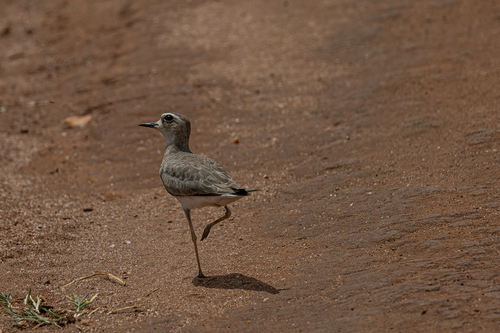
ニシオオチドリ (Anarhynchus asiaticus) ニシオオチドリ
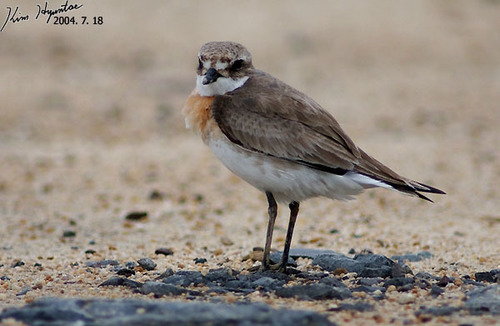
メダイチドリ (Anarhynchus mongolus) メダイチドリ

メディア

読み込み中…

要点

ニシオオチドリとメダイチドリはどちらも脚が長く、スリムなチドリですが、ニシオオチドリは強い白いスーパシリウムと全体的にスリムで脚が長い外観で際立っています。一方、メダイチドリはよりずんぐりしていてコンパクトに見えます。繁殖羽では、ニシオオチドリのオスはシャープな白い顔と腹部、そして黒で縁取られた栗色の胸を示しますが、メダイチドリのオスは栗色の胸、額、後頭部を持ち、さらに黒いアイマスクがあります。非繁殖期や幼鳥はより難しいですが、ニシオオチドリは砂チドリに見られる白い翼帯と白い尾の側面が欠けており、スーパシリウムはより強いままです。構造と脚の色も役立ちます:ニシオオチドリはスリムで脚が長いのに対し、メダイチドリはずんぐりしていて暗い脚と短いくちばしを持っています。生息地と範囲は稀にしか重ならないため、文脈が役立つことがありますが、迷鳥や非繁殖の鳥にはフィールドマークが不可欠です。

識別のコツ

  1. Wing pattern in flight (all ages): ニシオオチドリは白い翼帯と白い尾の側面が欠けており、メダイチドリはより明白な白い翼帯としばしば白い尾の側面を示します。これは飛行中や鳥が翼を伸ばしているときの重要な識別点です。
  2. Supercilium (all ages): ニシオオチドリは常に強く、広い白いスーパシリウムを示し、メダイチドリよりもはるかに目立ちます。メダイチドリはわずかにかすかな線しか示さないことがあります。
  3. Structure (all ages): ニシオオチドリはスリムで脚が長く、より直立した姿勢を持っています。メダイチドリはずんぐりしていてコンパクトで、相対的に短いくちばしと脚を持っています。
  4. Bill shape (all ages): ニシオオチドリはメダイチドリの短くて太いくちばしに比べて、長くて細いくちばしを持っています。これは微妙ですが、良い視界で役立つことがあります。
  5. Breeding male plumage: ニシオオチドリのオスは白い顔と腹部、黒で縁取られたシャープに定義された栗色の胸を持っています。メダイチドリのオスは栗色の胸、額、後頭部を持ち、黒いアイマスクと灰色の背中があります。
  6. Non-breeding/immature plumage: ニシオオチドリは灰褐色の胸帯を示しますが、顔は清潔で白いままです。非繁殖期または幼鳥のメダイチドリは鈍く、頭にわずかな赤褐色の洗いがあるだけで、強い栗色は欠けています。
  7. Leg color: メダイチドリは通常、暗い(黒から灰色の)脚を持っています。ニシオオチドリの脚の色はあまり強調されていませんが、より明るく長く見えます。
  8. Face pattern: ニシオオチドリの白い顔とスーパシリウムは常により目立ち、鈍い羽毛でも際立っています。メダイチドリの顔は繁殖期のオスを除いては平凡です。
  9. Breast band shape: ニシオオチドリの胸帯は繁殖期のオスではよりシャープに定義され、黒で縁取られています。メダイチドリの栗色の胸は白い腹部に鋭い下の境界線なしに融合しています。
  10. Habitat context: ニシオオチドリは内陸の草地、ステップ、または乾燥した氾濫原にいる可能性が高く、メダイチドリは沿岸のビーチを好みます。これは特に迷鳥に対して補助的な手がかりとして使用してください。
  11. Vocalization: 聞こえた場合、ニシオオチドリは鋭い「チップ」と鳴き、メダイチドリは硬いトリルを出します。これらの鳴き声は診断的ではないことが多く、鳥が鳴いている場合を除きます。
  12. Comparison with sand plovers: ニシオオチドリはメダイチドリを含む砂チドリに典型的な白い翼帯と尾の側面が欠けています。これは混合群での重要なチェックです。
  13. Pitfalls: 非繁殖期または幼鳥の羽毛の孤立した鳥は最も難しいです;色だけでなく、翼のパターン、スーパシリウム、構造に依存してください。
  14. Sex differences: メスのニシオオチドリはわずかな栗色の洗いを示すことがありますが、オスの完全な栗色と黒で縁取られた胸は決して示しません。メスのメダイチドリは常にオスよりも鈍く、栗色が少ないです。
  15. Mixed flocks: 他の砂チドリと一緒に見られた場合、ニシオオチドリはスリムで脚が長く、より強いスーパシリウムを持って際立ちますが、サイズは直接比較なしでは常に信頼できるわけではありません。

大きさ

ニシオオチドリはメダイチドリよりもわずかに大きく、スリムで脚が長い外観を持っています。メダイチドリはずんぐりしていてコンパクトと表現されますが、サイズだけでは両方が一緒に見られない限り信頼できません。どちらも小型から中型のチドリの範囲にありますが、ニシオオチドリのプロポーション(スリムで脚が長い)は、絶対的なサイズの違いよりも際立っています。

羽色

幼鳥と非繁殖羽は微妙ですが、ニシオオチドリはメダイチドリを含む砂チドリに典型的な白い翼帯と白い尾の側面が欠けています。そのスーパシリウムは常により強く、より明白です。繁殖期のニシオオチドリのオスは白い顔と腹部、黒で縁取られたシャープに定義された栗色の胸を持っています。メスはわずかな栗色の洗いを示すことがあります。メダイチドリの繁殖期のオスは栗色の胸、額、後頭部を持ち、黒いアイマスクと灰色の背中があります。メスと非繁殖期/幼鳥のメダイチドリは鈍く、頭にわずかな赤褐色の洗いがあり、強い栗色は欠けています。両種は繁殖期以外では灰褐色の上面を持っていますが、ニシオオチドリの顔のパターンは常により対照的です。飛行中、ニシオオチドリの白い翼帯と白い尾の側面の欠如は、メダイチドリとの重要な違いです。

行動

両種は地面から獲物をついばむことで餌を取りますが、メダイチドリはより短い休止と少ないステップで走っては止まる技術を使用します。ニシオオチドリの餌の取り方はチドリに典型的で、開けた地面から昆虫や小さな獲物をついばみます。これら二つをフィールドで分けるような大きな行動の違いは観察されていません。

生息環境

ニシオオチドリは中央アジアの開けた草地、ステップ、砂漠の縁で繁殖し、アフリカの乾燥した草地、氾濫原、時には耕作地で越冬します。メダイチドリは北東シベリアの裸の沿岸平原で繁殖し、東アジアと東南アジア、オーストラリアの砂浜で越冬します。彼らの範囲と生息地は稀な迷鳥としてのみ重なり、文脈が通常役立ちます:ニシオオチドリは乾燥した草地やステップの内陸にいる可能性が高く、メダイチドリは沿岸のビーチにいます。

声

ニシオオチドリは鋭い「チップ」と鳴きます。メダイチドリの飛行中の鳴き声は硬いトリルです。これらの鳴き声はかなり異なりますが、どちらも静かに休んでいる鳥や混合群からは聞こえにくいです。

より良い説明を送る

比較と同じ項目を使ってください。文章はすぐに公開されます。

Caspian Plover and Siberian Sand Plover are both long-legged, slim plovers, but Caspian stands out with its strong white supercilium and overall slimmer, longer-legged look, while Siberian Sand Plover appears chunkier and more compact. In breeding plumage, Caspian males show a crisp white face and belly with a chestnut breast bordered below by black, whereas Siberian Sand Plover males have a chestnut breast, forehead, and nape, plus a black eye mask. Non-breeding and immature birds are trickier, but Caspian Plover lacks the white wing bar and white tail sides seen in sand plovers, and its supercilium remains stronger. Structure and leg color are also helpful: Caspian Plover is slimmer with longer legs, while Siberian Sand Plover is chunkier with dark legs and a shorter bill. Habitat and range overlap only on rare occasions, so context can help, but field marks are essential for vagrant or non-breeding birds.

  1. Wing pattern in flight (all ages): Caspian Plover lacks a white wing bar and white tail sides, while Siberian Sand Plover shows a more obvious white wing bar and often white on the tail sides. This is a key separation in flight or when birds are stretching wings.
  2. Supercilium (all ages): Caspian Plover always shows a strong, broad white supercilium, much more prominent than on Siberian Sand Plover, which may show only a faint or broken line.
  3. Structure (all ages): Caspian Plover is slimmer and longer-legged, with a more upright stance. Siberian Sand Plover is chunkier and more compact, with a proportionally shorter bill and legs.
  4. Bill shape (all ages): Caspian Plover has a longer, thinner bill compared to the shorter, stubbier bill of Siberian Sand Plover. This is subtle but can help with good views.
  5. Breeding male plumage: Caspian Plover males have a white face and belly, a sharply defined chestnut breast bordered below by black. Siberian Sand Plover males have a chestnut breast, forehead, and nape, with a black eye mask and grey back.
  6. Non-breeding/immature plumage: Caspian Plover shows a grey-brown breast band, but the face remains clean and white. Siberian Sand Plover in non-breeding or juvenile plumage is duller, with only a faint rufous wash on the head, and lacks strong chestnut.
  7. Leg color: Siberian Sand Plover usually has dark (black to grey) legs. Caspian Plover's leg color is less emphasized but appears paler and longer.
  8. Face pattern: Caspian Plover's white face and supercilium are always more striking, even in dull plumages. Siberian Sand Plover's face is plainer except in breeding males.
  9. Breast band shape: Caspian Plover's breast band is more sharply defined and bordered below by black in breeding males; Siberian Sand Plover's chestnut breast merges into the white belly without a sharp lower border.
  10. Habitat context: Caspian Plover is more likely on inland grassland, steppe, or dry floodplains; Siberian Sand Plover prefers coastal beaches. Use this only as a supporting clue, especially for vagrants.
  11. Vocalization: If heard, Caspian Plover gives a sharp 'chip', while Siberian Sand Plover gives a hard trill. Calls are rarely diagnostic unless birds are vocalizing.
  12. Comparison with sand plovers: Caspian Plover lacks the white wing bar and tail sides typical of sand plovers, including Siberian. This is a critical check in any mixed flock.
  13. Pitfalls: Lone birds in non-breeding or immature plumage are most challenging; rely on wing pattern, supercilium, and structure rather than color alone.
  14. Sex differences: Female Caspian Plover may show a faint chestnut wash but never the full chestnut and black-bordered breast of the male. Female Siberian Sand Plover is always duller than the male, with less chestnut.
  15. Mixed flocks: If seen with other sand plovers, Caspian will stand out as slimmer, longer-legged, and with a stronger supercilium, but size is not always reliable without direct comparison.

Caspian Plover is slightly larger and slimmer than Siberian Sand Plover, with a longer-legged appearance. Siberian Sand Plover is described as chunky and compact, but size alone is unreliable unless both are seen together. Both are in the small-to-medium plover range, but Caspian's proportions (slimmer, longer legs) are more distinctive than any absolute size difference.

Juvenile and non-breeding plumages are subtle, but Caspian Plover lacks the white wing bar and white tail sides typical of sand plovers, including Siberian. Its supercilium is always stronger and more obvious. Breeding Caspian males have a white face and belly with a sharply defined chestnut breast bordered below by black; females may show a faint chestnut wash. Siberian Sand Plover breeding males have a chestnut breast, forehead, and nape, with a black eye mask, and their backs are grey. Females and non-breeding/immature Siberian Sand Plovers are duller, with only a hint of rufous on the head and no strong chestnut. Both species have grey-brown upperparts outside breeding, but Caspian's face pattern remains more contrasting. In flight, Caspian Plover's lack of a white wing bar and white tail sides is a key difference from Siberian Sand Plover.

Both species feed by picking prey from the ground, but Siberian Sand Plover uses a run-and-pause technique with shorter pauses and fewer steps than Greater Sand Plover (not Caspian). Caspian Plover's feeding is typical of plovers, picking insects and small prey from open ground. No major behavioral differences are noted that would separate these two in the field.

Caspian Plover breeds on open grassland, steppes, and desert verges in central Asia, wintering in dry grassland, floodplains, and sometimes cultivated land in Africa. Siberian Sand Plover breeds on bare coastal plains in northeastern Siberia and winters on sandy beaches in East and Southeast Asia and Australia. Their ranges and habitats overlap only as rare vagrants, so context is usually helpful: Caspian is more likely inland on dry grassland or steppe, Siberian on coastal beaches.

Caspian Plover gives a sharp 'chip' call. Siberian Sand Plover's flight call is a hard trill. These calls are quite different, but both are unlikely to be heard from silent, resting birds or in mixed flocks.

変更を破棄しますか?

保存していない編集があります。今離れると失われます。

ニシオオチドリ · メダイチドリ · 苦手な鳥