

Motmot

ニシオオチドリ 対 オオメダイチドリ

Anarhynchus asiaticus 対 Anarhynchus leschenaultii

ニシオオチドリとオオメダイチドリのクイズ
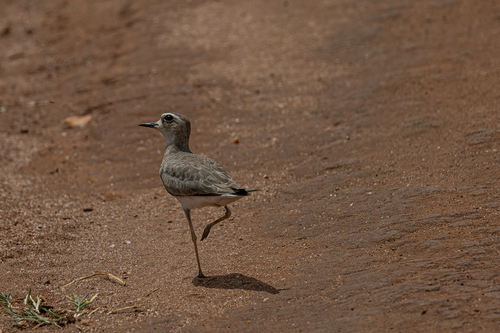
ニシオオチドリ (Anarhynchus asiaticus) ニシオオチドリ
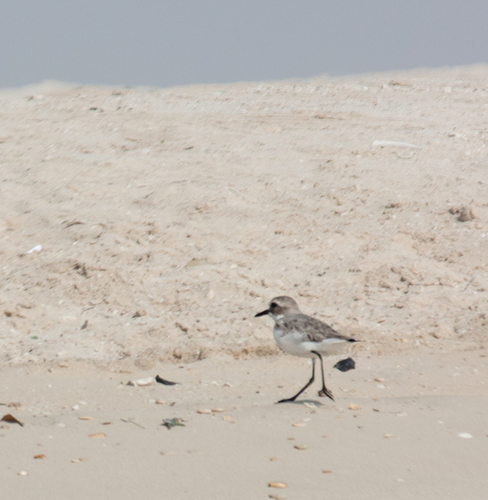
オオメダイチドリ (Anarhynchus leschenaultii) オオメダイチドリ

メディア

読み込み中…

要点

ニシオオチドリとオオメダイチドリを区別するための最も信頼できるフィールドマークは構造です:ニシオオチドリはスリムで、脚が長く、明らかに長くて細いくちばしを持っていますが、オオメダイチドリはずんぐりしていて、太いくちばしを持っています。繁殖羽では、ニシオオチドリのオスは強い白いスーペルシリウムと、黒で縁取られたはっきりとした栗色の胸を示しますが、オオメダイチドリのオスは砂色の背中、オレンジ色の胸の帯、黒い目のマスクを持っています。非繁殖期の幼鳥はより難しいですが、ニシオオチドリはより優雅で脚が長く、強いスーペルシリウムとより淡い、飽和度の低い色合いを持っています。両種は混成年齢または非繁殖群で混同されることがありますが、構造と顔のパターンに注意を払うことが重要です。

識別のコツ

  1. Structure is key: ニシオオチドリはスリムで、脚が長く、オオメダイチドリよりも長くて細いくちばしを持っています。これは、特に距離がある場合や光が悪い場合に、最も信頼できるマークです。
  2. Bill shape: ニシオオチドリのくちばしは明らかに細くて長いです;オオメダイチドリのくちばしは短く、太く、鈍い先端を持っています。これはすべての年齢と季節に当てはまります。
  3. Supercilium: ニシオオチドリは常に強い白いスーペルシリウム(眉毛)を示し、オオメダイチドリよりもはるかに目立ちます。オオメダイチドリはあまり明確なスーペルシリウムを持たず、繁殖羽では黒い目のマスクを持っています。
  4. Breast band (breeding males): ニシオオチドリは黒で縁取られたはっきりとした栗色の胸を持っています;オオメダイチドリはオレンジ色の胸の帯を持ち、強度が変わることがあり、黒で縁取られていません。
  5. Face pattern (breeding males): ニシオオチドリは白い顔を示します;オオメダイチドリはオレンジ色の額とうなじ、黒い目のマスクを持っています。
  6. Non-breeding/immature plumage: 両種は鈍くて茶色くなりますが、ニシオオチドリはより淡く、強いスーペルシリウムと淡い胸の帯を持ち(雌には時々栗色のヒントがあることがあります)、オオメダイチドリは上面が茶色く、頭にかすかな赤褐色の洗いが見られることがあります。
  7. Wing pattern in flight: 両種は強い翼の帯や白い尾の側面を示しませんが、ニシオオチドリの翼の帯はより弱く、白い尾の側面は完全に欠けています。これは飛行中の視点で役立つことがありますが、微妙です。
  8. Leg color: オオメダイチドリは緑がかった黄色の脚を持っています;ニシオオチドリの脚の色はあまり特徴的ではなく、主要なフィールドマークではありません。
  9. Jizz in the field: ニシオオチドリはより高く、より直立して立ち、より優雅で繊細な外観を持っています。オオメダイチドリはずんぐりしていて、地面に近く、より頑丈に見えます。
  10. Habitat context: 乾燥した内陸の草地やステップでは、ニシオオチドリがより可能性が高いです;砂浜や干潟では、オオメダイチドリがより可能性が高いですが、両種は移動中に重なることがあります。
  11. Group composition: ニシオオチドリはしばしば緩い群れで見られます;オオメダイチドリは特に沿岸で、より密な群れで見られることがあります。
  12. Voice: ニシオオチドリは鋭い「チップ」と鳴きます;オオメダイチドリの鳴き声は提供されたメモでは特徴的ではありません。
  13. Sex and age pitfalls: 雌や幼いニシオオチドリは強い栗色が欠けていることがあり、鈍い砂チドリに似ることがありますが、構造とスーペルシリウムは依然として役立ちます。若いオオメダイチドリは茶色ですが、依然としてずんぐりしていて太いくちばしを持っています。
  14. Direct comparison: 両種が存在する場合、構造と顔のパターンの違いははるかに明らかになります。孤立した鳥は難しいので、マークの組み合わせを使用してください。
  15. Beware of overlap with other sandplovers: 両種はコチドリやメダイチドリに似ていますが、ニシオオチドリの構造とスーペルシリウムはこのペアでは特徴的です。

大きさ

両種はハジロコチドリよりもわずかに大きいですが、オオメダイチドリは二つの中でよりずんぐりしており、より頑丈な体格と太いくちばしを持っています。ニシオオチドリはスリムで脚が長く、より直立して優雅な外観を与えています。両方ともコチドリにしては脚が長いですが、違いは鳥が並んで立っているときや直接比較しているときに最も明らかです。くちばしの太さは強いポイントです:ニシオオチドリのくちばしは長くて細いのに対し、オオメダイチドリのくちばしは短くて太いです。

羽色

両種の幼鳥と非繁殖期の鳥は一般的に上面が茶色で下面が淡いですが、ニシオオチドリははるかに強い白いスーペルシリウムと全体的に淡く、飽和度の低い外観を示します。飛行中、両種は強い翼の帯や白い尾の側面を示しませんが、ニシオオチドリの翼の帯はさらに弱く、いくつかの砂チドリが示す白い尾の側面が欠けています。繁殖期のオスのニシオオチドリは、黒で縁取られた目を引く栗色の胸、白い顔、強いスーペルシリウムを持っていますが、オオメダイチドリのオスはオレンジ色の胸の帯、額とうなじのオレンジ色、黒い目のマスクを持っています。雌や非繁殖期の鳥は鈍いですが、ニシオオチドリは栗色のヒントを保持することがありますが、オオメダイチドリは頭にかすかな赤褐色の洗いが見られ、より茶色くなります。脚の色はオオメダイチドリで緑がかった黄色で、ニシオオチドリではあまり特徴的ではありません。

行動

両種は開けた生息地で地面から獲物をついばむことで餌を取りますが、ニシオオチドリの長い脚とスリムな体格は、より直立した優雅な歩き方を与えます。オオメダイチドリは動きがより頑丈で目的意識的に見えます。ニシオオチドリはより落ち着きがないように見えることがあり、しばしば緩い群れで見られますが、オオメダイチドリは特に移動中や越冬地でより密な群れで見られることがあります。

生息環境

ニシオオチドリは開けた草地、ステップ、そしてまばらな植生の砂漠の縁で繁殖し、乾燥した草地、塩湿地、氾濫原で越冬します。オオメダイチドリは冬に沿岸性が強く、砂浜や干潟を好みますが、両種は移動中に類似の開けた生息地で見られることがあります。乾燥したステップや塩分のある平地で見られた場合、ニシオオチドリがより可能性が高いです;沿岸のビーチでは、オオメダイチドリがデフォルトですが、両種は一部の地域で重なることがあります。

声

ニシオオチドリは鋭い「チップ」と鳴きますが、鳴き声は区別のための強いフィールドマークではなく、オオメダイチドリの鳴き声は提供されたメモで詳細に説明されていません。

より良い説明を送る

比較と同じ項目を使ってください。文章はすぐに公開されます。

The most reliable field mark for separating Caspian Plover from Greater Sand Plover is structure: Caspian is slimmer, longer-legged, and has a noticeably longer, thinner bill, while Greater Sand Plover is chunkier and thick-billed. In breeding plumage, Caspian males show a strong white supercilium and a sharply defined chestnut breast bordered below by black, whereas Greater Sand Plover males have a sandy-buff back, orange breast band, and a black eye mask. Non-breeding and immature birds are trickier, but Caspian Plover remains more elegant and long-legged, with a strong supercilium and paler, less saturated tones. Both species can be confused in mixed-age or non-breeding flocks, but careful attention to structure and facial pattern is key.

  1. Structure is key: Caspian Plover is slimmer, longer-legged, and has a longer, thinner bill than Greater Sand Plover. This is often the most reliable mark, especially at a distance or in poor light.
  2. Bill shape: Caspian's bill is noticeably finer and longer; Greater Sand Plover's is short, thick, and blunt-tipped. This holds for all ages and seasons.
  3. Supercilium: Caspian Plover always shows a strong, white supercilium (eyebrow), much more prominent than in Greater Sand Plover, which has a less distinct supercilium and, in breeding plumage, a black eye mask.
  4. Breast band (breeding males): Caspian Plover has a sharply defined chestnut breast bordered by black below; Greater Sand Plover has an orange breast band, which can vary in intensity and is not bordered by black.
  5. Face pattern (breeding males): Caspian Plover shows a white face; Greater Sand Plover has an orange forehead and nape, and a black eye mask.
  6. Non-breeding/immature plumage: Both become duller and browner, but Caspian Plover remains paler, with a strong supercilium and a paler breast band (sometimes with a hint of chestnut in females); Greater Sand Plover is browner above and may show a faint rufous wash on the head.
  7. Wing pattern in flight: Neither species shows a strong wing bar or white tail sides, but Caspian Plover's wing bar is weaker and it lacks white tail sides entirely. This can be useful in flight views, but is subtle.
  8. Leg color: Greater Sand Plover has greenish-yellow legs; Caspian Plover's leg color is less distinctive and not a primary field mark.
  9. Jizz in the field: Caspian Plover stands taller and more upright, with a more elegant, delicate look. Greater Sand Plover looks chunkier, lower to the ground, and more robust.
  10. Habitat context: On dry inland grassland or steppe, Caspian Plover is more likely; on sandy coastal beaches or mudflats, Greater Sand Plover is more likely, though both can overlap in migration.
  11. Group composition: Caspian Plover often occurs in loose groups; Greater Sand Plover may be in tighter flocks, especially on coasts.
  12. Voice: Caspian Plover gives a sharp 'chip'; Greater Sand Plover's call is not distinctive in the provided notes.
  13. Sex and age pitfalls: Female and immature Caspian Plovers may lack strong chestnut, resembling duller sandplovers, but structure and supercilium still help. Young Greater Sand Plovers are browner but still chunky and thick-billed.
  14. Direct comparison: When both species are present, the differences in structure and facial pattern become much more obvious. Lone birds are harder, so use a combination of marks.
  15. Beware of overlap with other sandplovers: Both species are similar to Lesser and Siberian Sand Plovers, but Caspian Plover's structure and supercilium are distinctive in this pair.

Both species are slightly larger than Common Ringed Plover, but Greater Sand Plover is the chunkier of the two, with a more robust build and thicker bill. Caspian Plover is slimmer and longer-legged, giving it a more upright and elegant appearance. While both are long-legged for plovers, the difference is most obvious when birds are standing side by side or in direct comparison. Bill thickness is a strong point: Caspian's bill is long and fine, while Greater Sand Plover's is shorter and stouter.

Juvenile and non-breeding birds of both species are generally brown above and pale below, but Caspian Plover shows a much stronger white supercilium and a paler, less saturated look overall. In flight, neither species shows a strong wing bar or white tail sides, but Caspian Plover's wing bar is weaker still, and it lacks the white tail sides that some sandplovers show. Breeding male Caspian Plover has a striking chestnut breast bordered below by black, a white face, and a strong supercilium, while Greater Sand Plover males have an orange breast band, orange on forehead and nape, and a black eye mask. Females and non-breeding birds are duller, but Caspian Plover may retain a hint of chestnut, while Greater Sand Plover becomes browner with a faint rufous wash on the head. Leg color is greenish-yellow in Greater Sand Plover, less distinctive in Caspian.

Both species feed by picking prey from the ground in open habitats, but Caspian Plover's longer legs and slimmer build give it a more upright, elegant gait. Greater Sand Plover appears more robust and purposeful in its movements. Caspian Plover may appear more restless and is often found in looser groups, while Greater Sand Plover can be seen in tighter flocks, especially on migration or wintering grounds.

Caspian Plover breeds on open grassland, steppes, and desert fringes with sparse vegetation, and winters in dry grassland, saltmarsh, and floodplains. Greater Sand Plover is more coastal in winter, favoring sandy beaches and mudflats, but both can occur in similar open habitats on migration. If seen inland on dry steppe or saline flats, Caspian Plover is more likely; on a coastal beach, Greater Sand Plover is the default, though both can overlap in some regions.

Caspian Plover gives a sharp 'chip' call, but vocalizations are not a strong field mark for separation, as Greater Sand Plover's calls are not described in detail in the provided notes.

変更を破棄しますか?

保存していない編集があります。今離れると失われます。

ニシオオチドリ · オオメダイチドリ · 苦手な鳥