

Motmot

マダラコシジロカラカラ 対 キツネチョウゲンボウ

Daptrius carunculatus 対 Falco alopex

マダラコシジロカラカラとキツネチョウゲンボウのクイズ
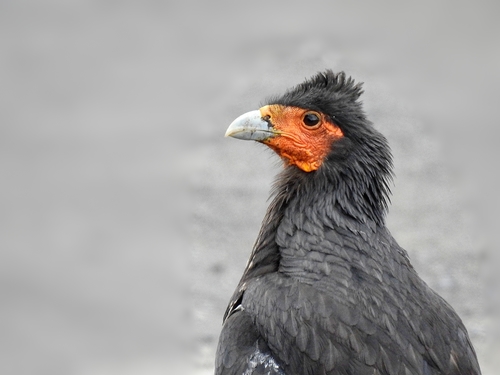
マダラコシジロカラカラ (Daptrius carunculatus) マダラコシジロカラカラ
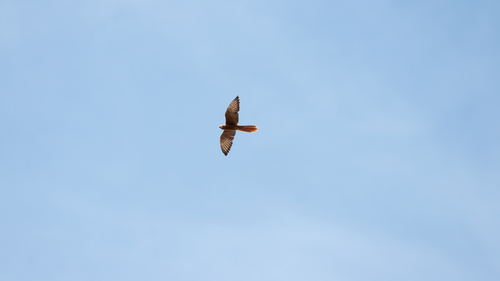
キツネチョウゲンボウ (Falco alopex) キツネチョウゲンボウ

メディア

読み込み中…

要点

マダラコシジロカラカラとキツネチョウゲンボウの最も信頼できる区別は、全体的な色合いと翼の下の模様です:マダラコシジロカラカラ(成鳥)は、光沢のある黒と大胆な白の筋模様、純白の翼の下の羽と飛行羽の先端との際立ったコントラストを示しますが、キツネチョウゲンボウは上面と下面が豊かなルフス色で、暗い無条紋の飛行羽と淡い翼の下を持っています。幼鳥のマダラコシジロカラカラは、決してルフス色ではなく、茶色と白のまだら模様であり、キツネチョウゲンボウの幼鳥は、強い筋模様のルフス色で、条紋のある尾を持っています。構造も異なります:マダラコシジロカラカラは、細長い長翼・長尾のキツネチョウゲンボウに比べて、はるかに大きくてがっしりしており、重いくちばしと裸のオレンジ赤の顔の皮膚を持っています。生息地も強い二次的手がかりです:マダラコシジロカラカラは高いアンデスに生息し、キツネチョウゲンボウはアフリカの乾燥地に生息しています。

識別のコツ

  1. Juvenile plumage: 幼鳥のマダラコシジロカラカラは白のまだら模様のある茶色で、決してルフス色や強い筋模様ではありません;キツネチョウゲンボウの幼鳥は、強い筋模様のある豊かなルフス色で、明確な条紋のある尾を持っています。飛行中または止まっている若い鳥にこれを使用してください。
  2. Adult underwing pattern: マダラコシジロカラカラの成鳥は、純白の翼の下の羽と飛行羽の先端を示し、黒い体との大胆なコントラストを作り出します。キツネチョウゲンボウは淡い翼の下を持っていますが、純白ではなく、他の羽毛はルフス色です。
  3. Overall color: マダラコシジロカラカラは、白の筋模様と白い下部を持つ光沢のある黒です;キツネチョウゲンボウは、上面と下面が均一にルフス色で、黒い筋模様があります。
  4. Facial skin: マダラコシジロカラカラは、顔と喉に裸でしわのあるオレンジから深紅の皮膚を持ち、遠くからでも見えます。キツネチョウゲンボウは裸の顔の皮膚がなく、羽毛のある顔と黄褐色の目を持っています。
  5. Bill and legs: マダラコシジロカラカラは重いくちばしと明るい黄色の脚/足(成鳥)を持っていますが、キツネチョウゲンボウはより細長いくちばしと脚を持ち、明るい黄色とは記述されていません。
  6. Tail pattern: キツネチョウゲンボウ(すべての年齢)は狭い条紋のある黒い尾を持っています;マダラコシジロカラカラは成鳥の尾羽が白い先端を持ち、幼鳥はキツネチョウゲンボウのルフス色や条紋を持っていません。
  7. Flight shape: マダラコシジロカラカラは、飛行中に広い翼と重い体を持ち、しばしば遅くて深い翼の打撃をします。キツネチョウゲンボウは細長く、長く狭い翼と尾を持ち、より浮遊感のあるチョウゲンボウのような飛行をします。
  8. Perched posture: マダラコシジロカラカラは、しばしば岩や地面に直立して止まり、がっしりとして頑丈に見えます。キツネチョウゲンボウはより水平に止まり、細長く見えます。
  9. Habitat: 高いアンデスの草原やパラモで見られた場合、それはマダラコシジロカラカラです。乾燥した開けたアフリカの国で見られた場合、それはキツネチョウゲンボウです。彼らは重複しません。
  10. Size impression: マダラコシジロカラカラはキツネチョウゲンボウよりもはるかに大きくてがっしりしています;サイズだけで彼らを分けることができます。
  11. Sex differences: 両種は羽毛において性差がほとんどありません;キツネチョウゲンボウの雌はわずかに大きいですが、これはフィールドマークではありません。
  12. Voice: キツネチョウゲンボウは繁殖中に高い悲鳴のような鳴き声を出すことがあります;マダラコシジロカラカラの声は記述されていないので、これに頼らないでください。
  13. Leg color in juveniles: 幼鳥のマダラコシジロカラカラは、成鳥のように黄色ではなく、暗い脚/足を持っています;キツネチョウゲンボウの脚の色は診断的ではありません。
  14. Context: マダラコシジロカラカラは、しばしば地面でペアまたは小さな群れで見られます;キツネチョウゲンボウは通常、単独またはペアで、しばしば空中から狩りをします。
  15. Common pitfalls: マダラコシジロカラカラの白い翼の下と尾の先端をチョウゲンボウの淡い翼の下と混同しないでください;全体的な色(黒/白対ルフス)と顔の皮膚を確認してください。

大きさ

マダラコシジロカラカラはキツネチョウゲンボウよりもはるかに大きくて重いです。マダラコシジロカラカラは50〜56 cmの長さで、翼幅は112〜119 cmに達しますが、キツネチョウゲンボウは32〜38 cmの長さで、翼幅は76〜88 cmとずっと小さいです。キツネチョウゲンボウの平均体重は約275 gですが、マダラコシジロカラカラの体重は記載されていませんが、長さと翼幅に基づいて明らかにずっと大きいです。フィールドでは、マダラコシジロカラカラはがっしりとして頑丈に見え、キツネチョウゲンボウは細長く見えます。

羽色

行動

マダラコシジロカラカラは、通常、地面を歩いたり、ストライドしたりしているのが見られ、しばしば開けた高地の草原や岩や崖に止まっています。重くて意図的な動きがあります。キツネチョウゲンボウはより空中にあり、しばしば長く狭い翼と尾で浮かんだりホバリングしたりしているのが見られ、歩いているのはあまり見られません。飛行は敏捷でチョウゲンボウのようで、開けた国の露出した枝や岩に止まる傾向があります。

生息環境

マダラコシジロカラカラは、コロンビアとエクアドルのアンデスの高地草原とパラモに制限されています。アフリカの乾燥した生息地では決して見られません。キツネチョウゲンボウは、サハラ以南のアフリカの北部の乾燥した開けた国に生息し、しばしば岩やサバンナの風景に見られます。これらの2種は地理的または生態的に重複しません。

声

キツネチョウゲンボウは高い悲鳴のような鳴き声を持っていますが、繁殖期以外は通常静かです。マダラコシジロカラカラの鳴き声に関する情報は提供されていないため、フィールドでの声は信頼できる区別要因ではありません。

より良い説明を送る

比較と同じ項目を使ってください。文章はすぐに公開されます。

The most reliable separation between Carunculated Caracara and Fox Kestrel is overall color and underwing pattern: Carunculated Caracara (adult) shows a striking contrast of glossy black with bold white streaks and pure white underwing coverts and flight feather tips, while Fox Kestrel is rich rufous above and below with dark, unbarred flight feathers and pale underwings. Juvenile Carunculated Caracara is mottled brown and white, never rufous, and Fox Kestrel juveniles are heavily streaked rufous with a barred tail. Structure also differs: Carunculated Caracara is much larger and bulkier, with a heavy bill and bare orange-red facial skin, compared to the slender, long-winged, long-tailed Fox Kestrel. Habitat is a strong secondary clue: Carunculated Caracara is high Andean, Fox Kestrel is African and arid-country.

  1. Juvenile plumage: Juvenile Carunculated Caracara is brown with white mottling, never rufous or heavily streaked; Fox Kestrel juveniles are rich rufous with heavy streaks and a clearly barred tail. Use this for young birds in flight or perched.
  2. Adult underwing pattern: Carunculated Caracara adults show pure white underwing coverts and flight feather tips, creating a bold contrast with the black body. Fox Kestrel has pale underwings but not pure white, and the rest of the plumage is rufous.
  3. Overall color: Carunculated Caracara is glossy black with white streaks and white lower parts; Fox Kestrel is uniformly rufous above and below with black streaks.
  4. Facial skin: Carunculated Caracara has bare, wrinkled orange to deep red skin on the face and throat, visible even at a distance. Fox Kestrel lacks bare facial skin, with a feathered face and yellow-brown eye.
  5. Bill and legs: Carunculated Caracara has a heavy bill and bright yellow legs/feet (adults), while Fox Kestrel has a more slender bill and legs that are not described as bright yellow.
  6. Tail pattern: Fox Kestrel (all ages) has a narrowly barred black tail; Carunculated Caracara has white-tipped tail feathers in adults, and juveniles lack the rufous and barring of Fox Kestrel.
  7. Flight shape: Carunculated Caracara is broad-winged and heavy-bodied in flight, often with slow, deep wingbeats. Fox Kestrel is slender, with long, narrow wings and tail, and a more buoyant, kestrel-like flight.
  8. Perched posture: Carunculated Caracara perches upright, often on rocks or the ground, looking robust and stocky. Fox Kestrel perches more horizontally, appearing slim and elongated.
  9. Habitat: If seen in high Andean grasslands or páramo, it is Carunculated Caracara. If in arid, open African country, it is Fox Kestrel. They do not overlap.
  10. Size impression: Carunculated Caracara is much larger and bulkier than Fox Kestrel; size alone can separate them if seen together or with scale.
  11. Sex differences: Both species show little sexual dimorphism in plumage; Fox Kestrel females are slightly larger, but this is not a field mark.
  12. Voice: Fox Kestrel may give a high, screeching call during breeding; Carunculated Caracara's voice is not described, so do not rely on this.
  13. Leg color in juveniles: Juvenile Carunculated Caracara has dusky legs/feet, not yellow as in adults; Fox Kestrel's leg color is not diagnostic.
  14. Context: Carunculated Caracara is often seen in pairs or small groups on the ground; Fox Kestrel is typically solitary or in pairs, often hunting from the air.
  15. Common pitfalls: Do not confuse the white underwing and tail tips of Caracara for pale underwings of kestrels; check for overall color (black/white vs rufous) and facial skin.

Carunculated Caracara is substantially larger and heavier than Fox Kestrel. While the Caracara reaches 50–56 cm in length with a wingspan of 112–119 cm, Fox Kestrel is much smaller at 32–38 cm long and a 76–88 cm wingspan. The Fox Kestrel's average mass is about 275 g, whereas Caracara's mass is not given but is clearly much greater based on length and wingspan. In the field, Caracara appears stocky and robust, while Fox Kestrel is slim and elongated.

  • Juvenile/immature: Juvenile Carunculated Caracara is tawny to dark brown with white mottling on the head, rump, and underparts, and dusky legs/feet. Juvenile Fox Kestrel is rich rufous with heavy dark streaking and clearer black barring on the tail. Caracara juveniles never show the rufous tones or tail barring of Fox Kestrel.
  • Adult: Adult Carunculated Caracara is glossy black overall with bold white streaks on the breast, pure white lower belly, undertail coverts, underwing coverts, and tips of flight/tail feathers. The face and throat are bare and bright orange to deep red, with wrinkled skin. Adult Fox Kestrel is dark rufous above and below with black streaks, a narrowly barred black tail, dark unbarred flight feathers, and pale underwings. The eye is yellow-brown. Caracara's underwings are white and strikingly contrast with the rest of the plumage, while Fox Kestrel's are pale but not white, and the body is always rufous.

Carunculated Caracara is typically seen walking or striding on the ground, often in open highland grasslands or perched on rocks and cliffs. It has a heavy, deliberate movement. Fox Kestrel is more aerial, often seen soaring or hovering with long, narrow wings and tail, and is less likely to be seen walking. Its flight is agile and kestrel-like, with a tendency to perch on exposed branches or rocks in open country.

Carunculated Caracara is restricted to high-altitude grasslands and páramo in the Andes of Colombia and Ecuador. It is never found in arid African habitats. Fox Kestrel is found in arid, open country in the northern part of Sub-Saharan Africa, often in rocky or savanna landscapes. The two species do not overlap geographically or ecologically.

Fox Kestrel has a high, screeching call but is usually silent outside the breeding season. No vocalization information is provided for Carunculated Caracara, so voice is not a reliable separator in the field.

変更を破棄しますか?

保存していない編集があります。今離れると失われます。

マダラコシジロカラカラ · キツネチョウゲンボウ · 苦手な鳥