

Motmot

ハシボソガラス 対 チャエリガラス

Corvus corone 対 Corvus ruficollis

ハシボソガラスとチャエリガラスのクイズ

ハシボソガラス (Corvus corone) ハシボソガラス
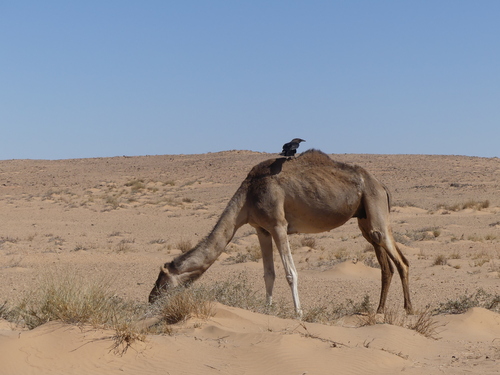
チャエリガラス (Corvus ruficollis) チャエリガラス

メディア

読み込み中…

要点

ハシボソガラスとチャエリガラスの最も信頼できるフィールドマークは、チャエリガラスの頭部と喉の独特の茶色がかった黒色であり、ハシボソガラスの均一な黒色と対照的です。チャエリガラスはまた、明らかに大きく、より長く尖った翼のプロファイルと比較的大きなくちばしを持っていますが、ワタリガラスのように深くはありません。飛行中、チャエリガラスの翼はより尖って見え、全体的な構造はより大きくなります。幼鳥のハシボソガラスは茶色がかった色合いを示すことがありますが、カラスの対照的な茶色の首は欠けています。声と行動も役立ちますが、羽毛と構造がフィールドで最も信頼できるものです。

識別のコツ

  1. Head and Throat Color (All Ages): チャエリガラスは常に茶色がかった黒の頭部と喉を示し、しばしば光沢のある黒い体と対照的です。ハシボソガラスは幼鳥を除いて均一な黒色であり、幼鳥は全体的に茶色がかって見えることがありますが、決して明確な茶色の首を示しません。
  2. Size and Structure: チャエリガラスは大きくてがっしりしており、より長い体と尖った翼を持っています。そのくちばしはハシボソガラスよりも長く重いですが、ワタリガラスのように深くはありません。ハシボソガラスはよりコンパクトでがっしりしており、短いくちばしを持っています。
  3. Wing Shape in Flight: チャエリガラスの翼は長く尖っており、よりカラスのようなシルエットを与えます。ハシボソガラスの翼は広く、尖りが少なく、安定した翼の打撃があります。
  4. Juvenile Plumage: 幼鳥のハシボソガラスは全体的に茶色がかって見えることがあり、青い目を持っていますが、チャエリガラスの茶色がかった黒の頭部と喉は欠けています。幼鳥のカラスは羽毛が色あせるとさらに茶色がかって見えることがありますが、茶色は首と頭に集中しています。
  5. Gloss and Fading: 両種は良好な光の下で光沢を示すことがありますが、カラスの光沢はより紫がかった青色であり、ハシボソガラスの光沢はより緑がかっています。チャエリガラスの羽毛は、特に頭部と首で茶色がかった黒に色あせ、換羽前にその色合いが強調されます。
  6. Bill Color and Shape: 両者とも黒いくちばしを持っていますが、カラスのくちばしはより長く頑丈です。横から見ると、カラスのくちばしはハシボソガラスのよりも重く、わずかに曲がっているように見えます。
  7. Legs and Feet: 両種とも黒い脚と足を持っていますが、これは有用な識別マークではありません。
  8. Behavior: ハシボソガラスは通常、孤独またはペアで見られ、特に冬以外では、チャエリガラスはペアまたは小グループで見られることが多く、しばしば空中のアクロバットを示します。
  9. Flight Style: チャエリガラスはしばしば舞い上がり、滑空し、より深く、遅い翼の打撃とより浮遊感のある飛行を持っています。ハシボソガラスの飛行はより安定しており、舞い上がりが少なく、より直接的な羽ばたきがあります。
  10. Voice: ハシボソガラスの鳴き声は深く、喉の奥から出る「クラー」という短いバーストです。チャエリガラスの鳴き声は高音で、より粗く、より多様であり、「カール・カール・カール」や「クエルク・クエルク」という音を含みます。
  11. Habitat Context: 都市または温帯の生息地では、ハシボソガラスがより一般的です。乾燥した、開けた、または岩の多い地域、特に北アフリカや中東では、チャエリガラスがデフォルトです。
  12. Perched Posture: チャエリガラスは止まっているときにしばしば首が長く、がっしりして見え、より重いくちばしとわずかにくさび形の尾を持っています。ハシボソガラスはよりコンパクトで首が短いです。
  13. Tail Shape: この二種の間で強く診断的ではありませんが、チャエリガラスは飛行中にわずかにくさび形の尾を示すことがありますが、ワタリガラスほど顕著ではありません。
  14. Seasonal Variation: チャエリガラスの茶色がかった色合いは、羽毛が換羽前に色あせるとより明らかになります。ハシボソガラスは幼鳥を除いて黒のままです。
  15. Pitfalls: 幼鳥のハシボソガラスに注意してください。全体的に茶色がかって見えることがありますが、茶色がかった黒の首がないことと、全体的に小さくがっしりした体型を確認してください。

大きさ

チャエリガラスは一貫して大きく、長さは52〜56 cmで、ハシボソガラスは48〜52 cmです。カラスの翼もより長く尖っており、全体的な体格はがっしりしており、より重いくちばしを持っています(ただし、ワタリガラスのように深くはありません)。ハシボソガラスはがっしりしており、よりコンパクトで、翼幅は84〜100 cm、体重は400〜600 gです。チャエリガラスの比率は小さなカラスに近く、この違いは通常、二者が並んで見られるときに明らかです。

羽色

すべての年齢において、チャエリガラスは明確な茶色がかった黒の頭部と喉を示し、これは紫、青、または紫がかった青の光沢を持つ黒の羽毛と対照的です。この茶色がかった部分は羽毛が色あせるとより顕著になり、換羽前に鳥がさらに茶色がかって見えることがあります。ハシボソガラスは、幼鳥を除いてすべての羽毛で均一な黒色であり、緑または紫の光沢を持ち、対照的な茶色がかった部分はありません。幼鳥のハシボソガラスは全体的に茶色がかって見えることがあり、青い目を持っていますが、体と対照的な茶色の首や頭は示しません。両種とも黒いくちばし、脚、足を持っています。強い日光の下では、両者とも光沢があるように見えることがありますが、チャエリガラスだけが特に頭部と喉に茶色がかった色合いを示します。

行動

ハシボソガラスは通常、孤独または小グループで見られ、特に冬のねぐらの外では、チャエリガラスはしばしばカラスのように振る舞い、ペアまたは小グループで見られ、より多くの空中アクロバットを示します。飛行中、チャエリガラスはより遅く、深い翼の打撃を持ち、より舞い上がり、滑空するスタイルを持っています。ハシボソガラスの飛行はより安定しており、ロークと比較して遅く、より意図的な翼の打撃を持っていますが、カラスよりも舞い上がりが少ないです。両種とも人間の近くで飼いならされることがありますが、ハシボソガラスは都市環境で見られることが多いです。

生息環境

ハシボソガラスは西ヨーロッパと東パレアクティックに自生し、山、森林、都市などのさまざまな生息地で見られます。対照的に、チャエリガラスは乾燥または半乾燥地域に典型的で、開けた国、砂漠、岩の多い地域で見られます。彼らの分布にはいくつかの重複がありますが、好まれる生息地は通常かなり異なり、ハシボソガラスはより都市的で温帯的であり、チャエリガラスはより農村的で乾燥しています。

声

ハシボソガラスは、ロークの高音の鳴き声とは異なる、喉の奥から出る深い「クラー」という鳴き声を持っています。しばしば短いシリーズで鳴き、時には頭を下げ、肩を上げます。チャエリガラスの声はワタリガラスに似ていますが、音程が高く、「カール・カール・カール」という粗い音や、飛行中の「クエルク・クエルク」という鳴き声を持っています。両者とも騒がしく、声を出すことがありますが、カラスの鳴き声はより多様で、通常はハシボソガラスの深い鳴き声よりも高音です。

より良い説明を送る

比較と同じ項目を使ってください。文章はすぐに公開されます。

The most reliable field mark between Carrion Crow and Brown-necked Raven is the distinct brownish-black coloration on the head and throat of the Brown-necked Raven, compared to the uniform black of the Carrion Crow. Brown-necked Raven is also noticeably larger, with a longer, more pointed wing profile and a relatively larger bill, though not as deep as a Common Raven's. In flight, the Brown-necked Raven's wings appear more pointed, and its overall structure is bulkier. Juvenile Carrion Crows can show brownish tones, but lack the contrasting brown neck of the raven. Voice and behavior can help, but plumage and structure are the most reliable in the field.

  1. Head and Throat Color (All Ages): Brown-necked Raven always shows a brownish-black head and throat, often contrasting with the glossier black body. Carrion Crow is uniform black except for juveniles, which may look browner overall but never show a distinct brown neck.
  2. Size and Structure: Brown-necked Raven is larger and bulkier, with a longer body and more pointed wings. Its bill is longer and heavier than the crow's, though not as deep as a Common Raven's. Carrion Crow is more compact and stockier, with a shorter bill.
  3. Wing Shape in Flight: Brown-necked Raven's wings are longer and more pointed, giving it a more raven-like silhouette. Carrion Crow's wings are broader and less pointed, with steadier wingbeats.
  4. Juvenile Plumage: Juvenile Carrion Crows can appear brownish overall and have blue eyes, but they lack the brownish-black head and throat of the Brown-necked Raven. Juvenile ravens may look even browner as their feathers fade, but the brown is concentrated on the neck and head.
  5. Gloss and Fading: Both species can show a sheen in good light, but the raven's gloss is more purplish-blue, while the crow's is greener. Brown-necked Raven's feathers fade to a brownish-black, especially on the head and neck, before molt.
  6. Bill Color and Shape: Both have black bills, but the raven's is longer and more robust. In side profile, the raven's bill looks heavier and slightly curved compared to the crow's straighter, shorter bill.
  7. Legs and Feet: Both species have black legs and feet; this is not a useful separation mark.
  8. Behavior: Carrion Crow is usually solitary or in pairs, especially outside winter, while Brown-necked Raven is more likely to be seen in pairs or small groups, often displaying aerial acrobatics.
  9. Flight Style: Brown-necked Raven often soars and glides, with deeper, slower wingbeats and a more buoyant flight. Carrion Crow's flight is steadier, with less soaring and more direct flapping.
  10. Voice: Carrion Crow's call is a deep, guttural 'kraa' in short bursts. Brown-necked Raven's calls are higher-pitched, harsher, and more varied, including 'karr-karr-karr' and 'kuerk-kuerk' notes.
  11. Habitat Context: In urban or temperate habitats, Carrion Crow is more likely. In arid, open, or rocky areas, especially in North Africa or the Middle East, Brown-necked Raven is the default.
  12. Perched Posture: Brown-necked Raven often appears longer-necked and bulkier when perched, with a heavier bill and a slightly wedge-shaped tail. Carrion Crow is more compact and shorter-necked.
  13. Tail Shape: Not strongly diagnostic between these two, but Brown-necked Raven may show a slightly more wedge-shaped tail in flight, though not as pronounced as Common Raven.
  14. Seasonal Variation: Brown-necked Raven's brownish tones are more obvious as feathers fade before molt; Carrion Crow remains black except in juveniles.
  15. Pitfalls: Beware of juvenile Carrion Crows, which can look brownish overall, but check for the lack of a brownish-black neck and the overall smaller, stockier build.

Brown-necked Raven is consistently larger, measuring 52–56 cm in length, compared to Carrion Crow's 48–52 cm. The raven's wings are also longer and more pointed, and its overall build is bulkier, with a heavier bill (though not as deep as a Common Raven's). Carrion Crow is stockier and more compact, with a wingspan of 84–100 cm and a mass of 400–600 g. Brown-necked Raven's proportions are closer to a small raven than to a crow, and this difference is usually apparent when the two are seen side by side.

For all ages, the Brown-necked Raven shows a distinct brownish-black head and throat, which contrasts with the rest of its plumage that is black with a purple, blue, or purplish-blue gloss. This brownish area can become more pronounced as the feathers fade, making the bird look even browner before molt. Carrion Crow, in all plumages except juveniles, is a uniform black with a green or purple sheen, lacking any contrasting brownish areas. Juvenile Carrion Crows may appear browner overall and have blue eyes, but they do not show a brown neck or head contrasting with the body. Both species have black bills, legs, and feet. In strong sunlight, both can look glossy, but only the Brown-necked Raven shows a brownish cast specifically on the head and throat.

Carrion Crow is typically more solitary or found in small groups, especially outside of winter roosts, while Brown-necked Raven often behaves more like a raven, being seen in pairs or small groups and displaying more aerial acrobatics. In flight, Brown-necked Raven has slower, deeper wingbeats and a more soaring, gliding style, with pointed wings. Carrion Crow's flight is steadier, with slower and more deliberate wingbeats compared to a rook, but less soaring than the raven. Both species can become tame near humans, but Carrion Crow is more likely to be seen in urban environments.

Carrion Crow is native to western Europe and the eastern Palearctic, often found in a variety of habitats including mountains, forests, and cities. Brown-necked Raven, by contrast, is more typical of arid or semi-arid regions, often in open country, deserts, and rocky areas. While there is some overlap in their ranges, their preferred habitats are usually quite different, with Carrion Crow more urban and temperate, and Brown-necked Raven more rural and arid.

Carrion Crow has a guttural, deep croaked 'kraa' that is distinct from the higher-pitched calls of the rook. It often calls in short series, sometimes bowing its head and raising its shoulders. Brown-necked Raven's voice is similar to the Common Raven but higher in pitch, with harsh 'karr-karr-karr' notes and a 'kuerk-kuerk' call in flight. Both can be noisy and vocal, but the raven's calls are more varied and typically higher-pitched than the crow's deep croaks.

変更を破棄しますか?

保存していない編集があります。今離れると失われます。

ハシボソガラス · チャエリガラス · 苦手な鳥